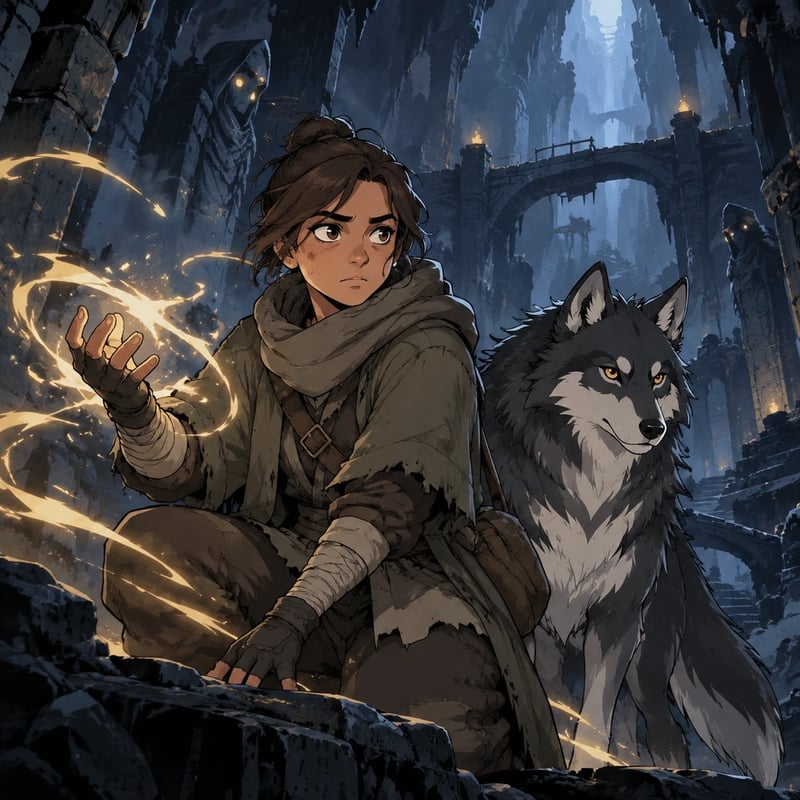
Awakening in a subterranean ruin with no memory of his past, Kaelen discovers a legendary gift: the ability to shape reality with his spoken words. Alongside a mysterious dire wolf companion, he must navigate dark catacombs, ancient secrets, and forgotten guardians to reclaim his true destiny.
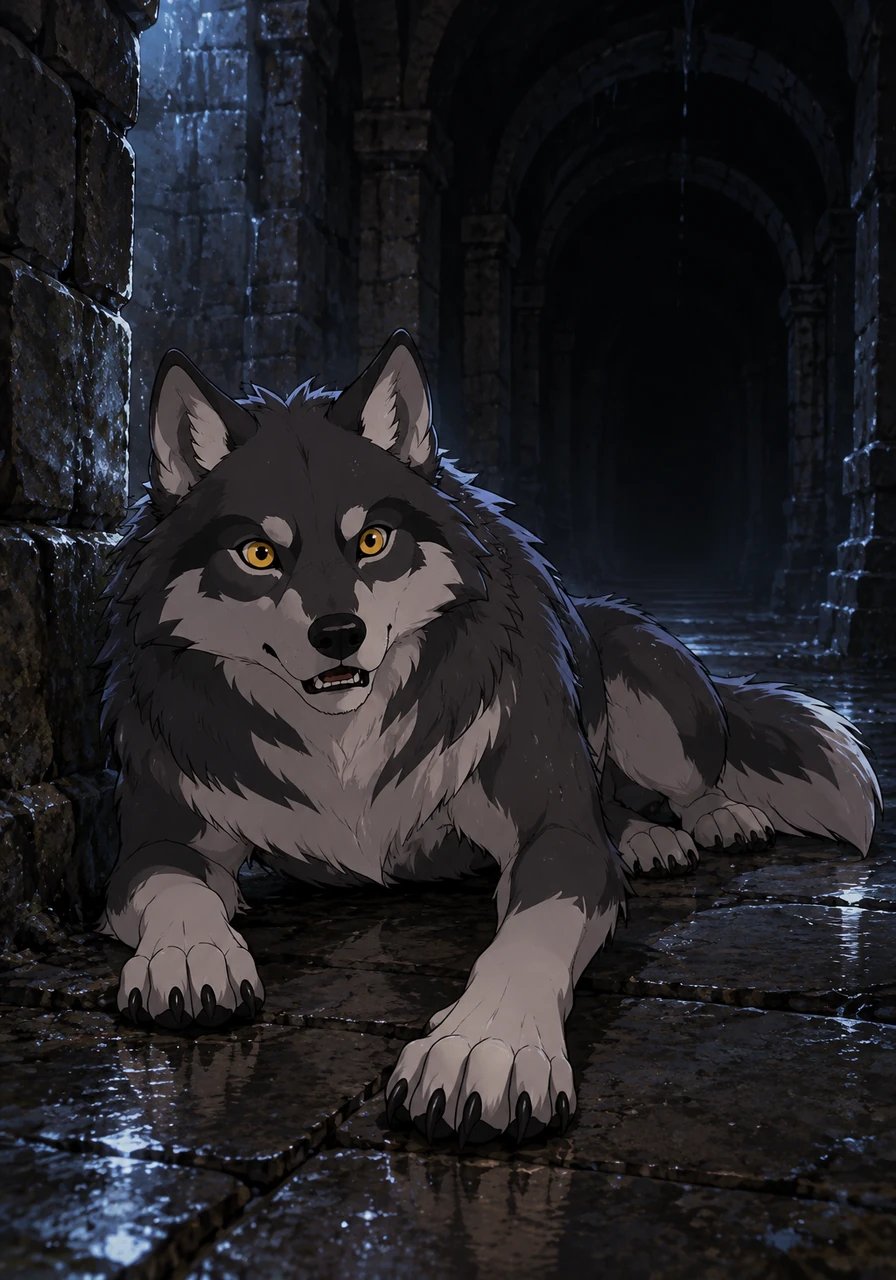
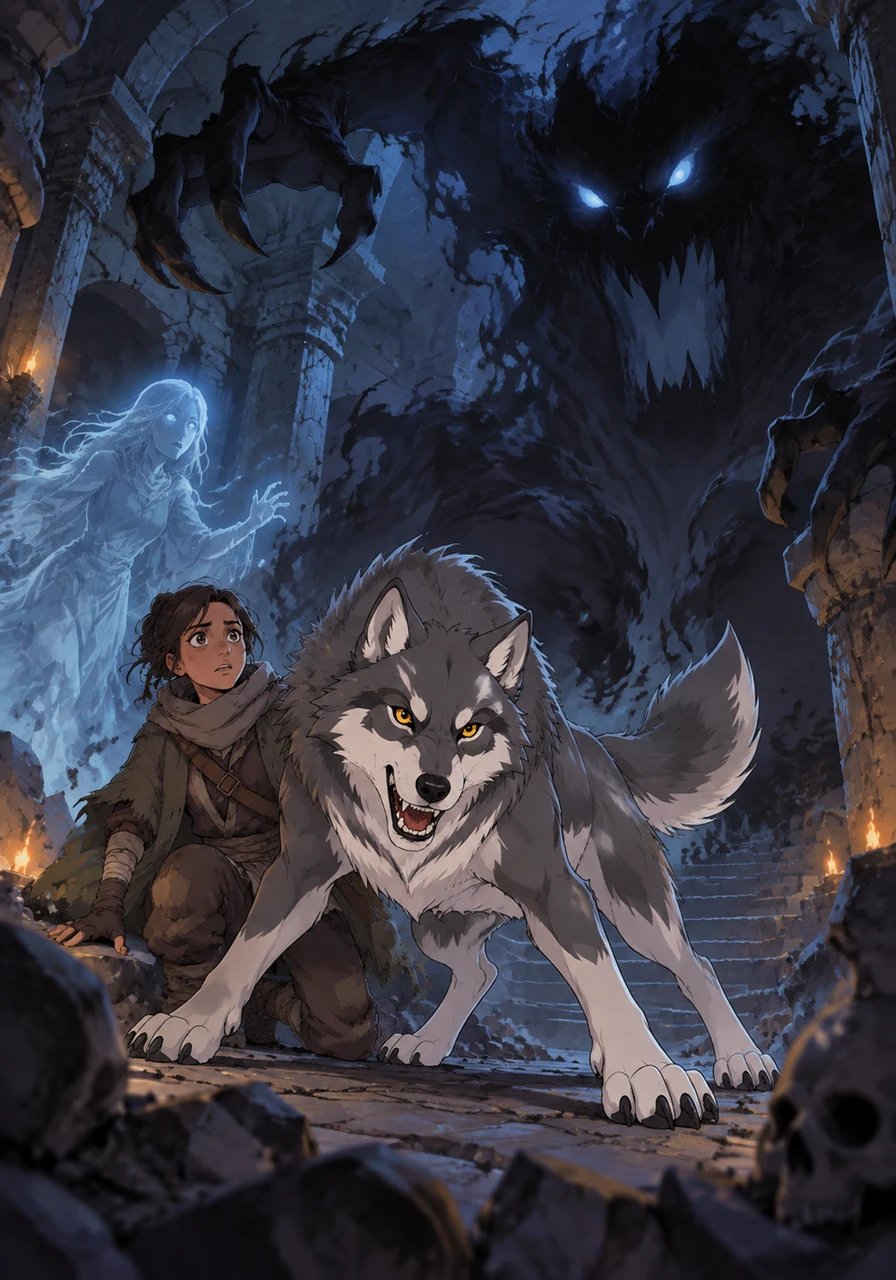
Kaelen opened his eyes to pitch blackness, feeling the cold moisture of ancient stone beneath his fingertips. The air was thick with the scent of damp earth and rust, broken only by his own heavy breathing. Somewhere nearby in the dark corridors, a slow, low growl echoed against the subterranean walls.
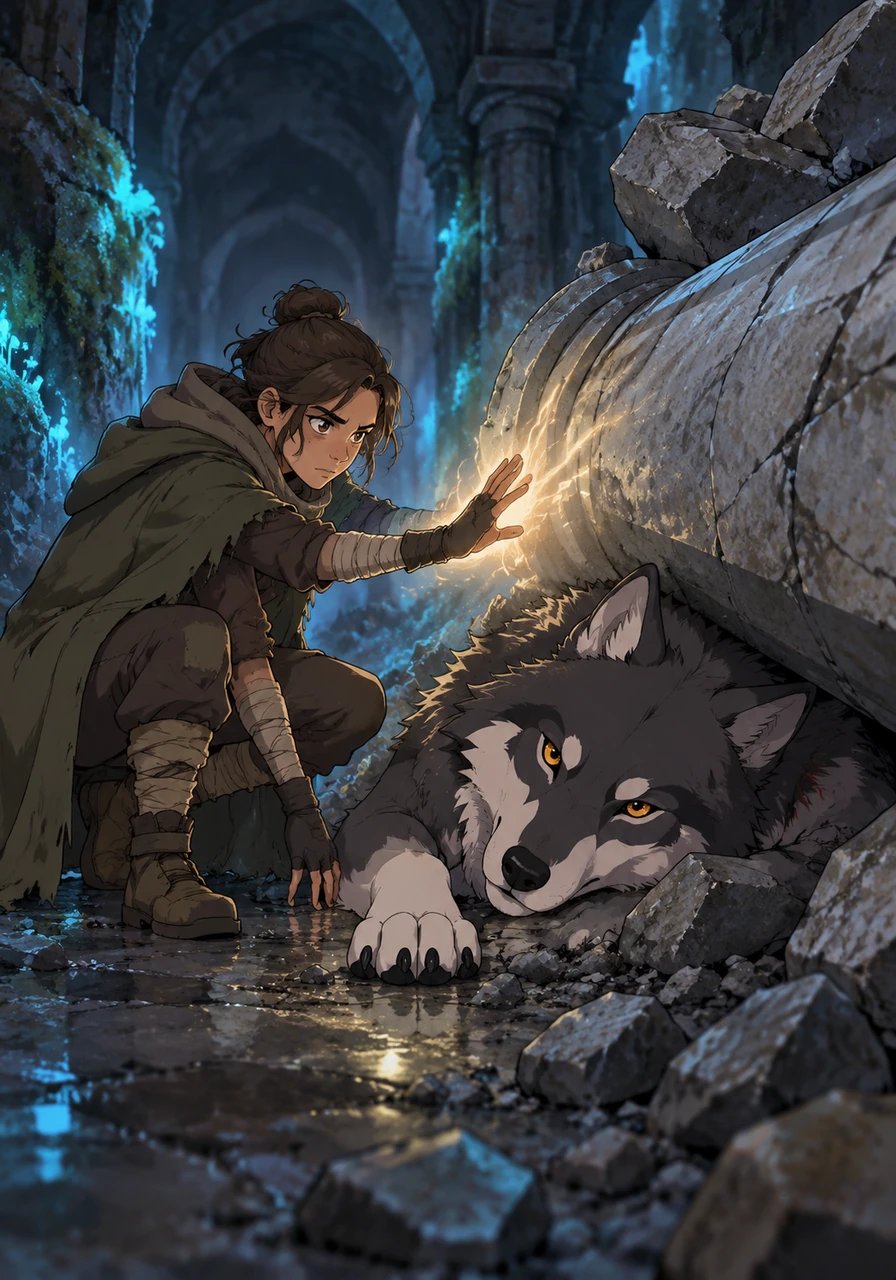
Guided by the sound, Kaelen crept forward until he discovered a massive wolf-like beast pinned beneath a fallen marble pillar. Its amber eyes reflected the faint glow of luminescent moss on the ruined walls. Sensing its pain, Kaelen focused his inner energy and whispered his first spoken reality, declaring that the heavy stone would become light as paper.
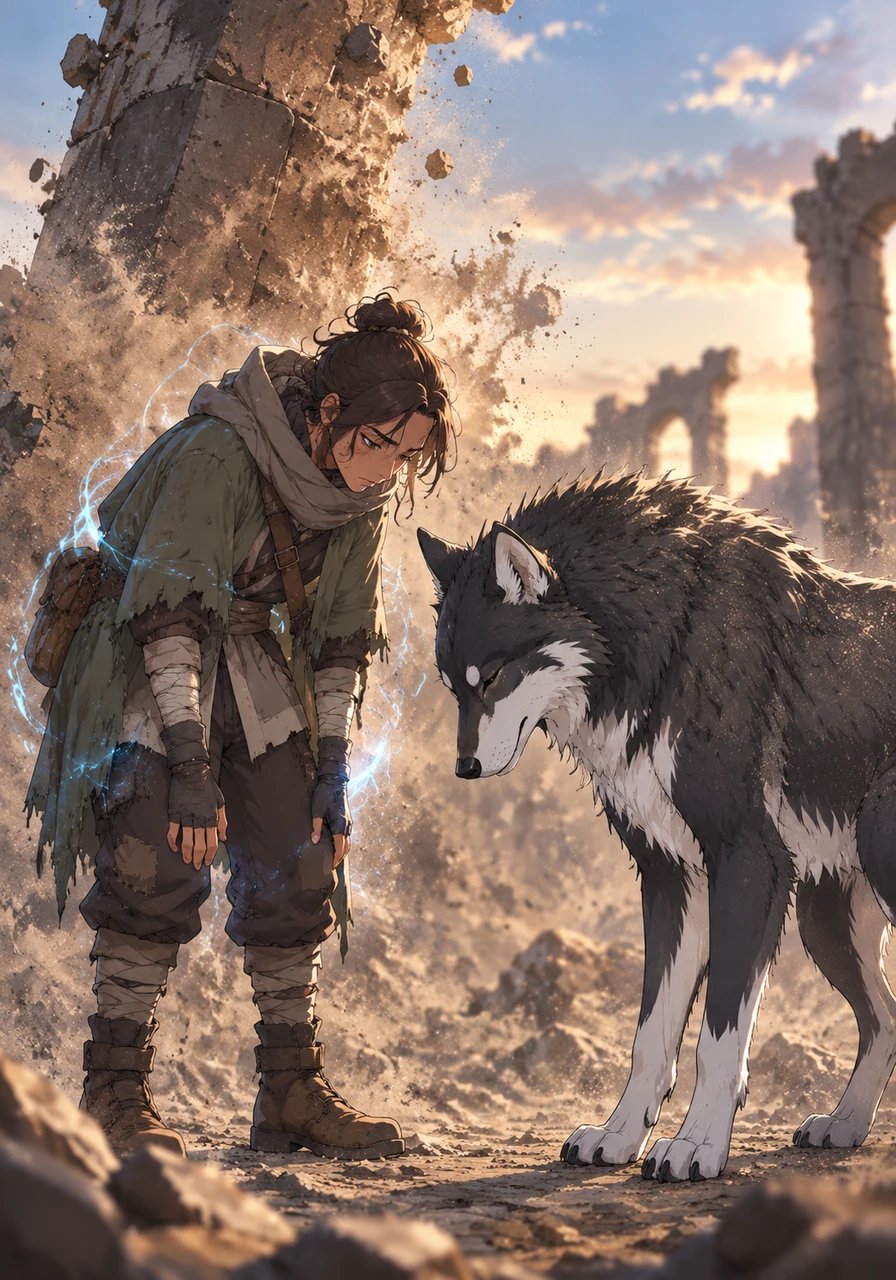
A wave of exhaustion washed over Kaelen as magic surged through his veins, causing the heavy pillar to crumble into fine dust. The beast stood up carefully, shaking its dark coat, and bowed its head in silent gratitude. A tenuous bond was forged between the stranger and the creature of the dark.
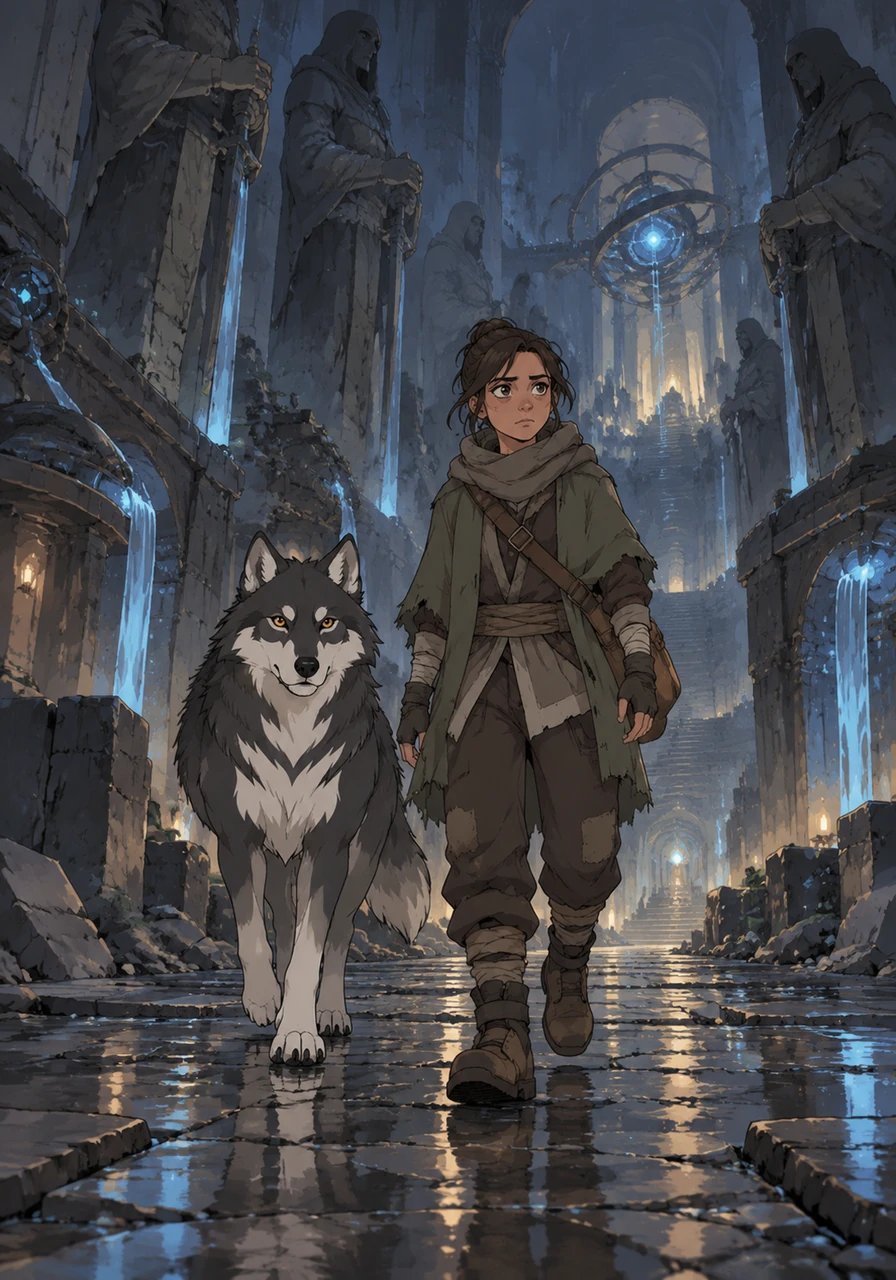
Side by side, Kaelen and the wolf traversed a grand subterranean hallway lined with forgotten statues and hummed with forgotten power. Ancient machinery flickered with faint blue light, hinting at a civilization lost to time. Every shadow seemed to hold secrets waiting to be unraveled.
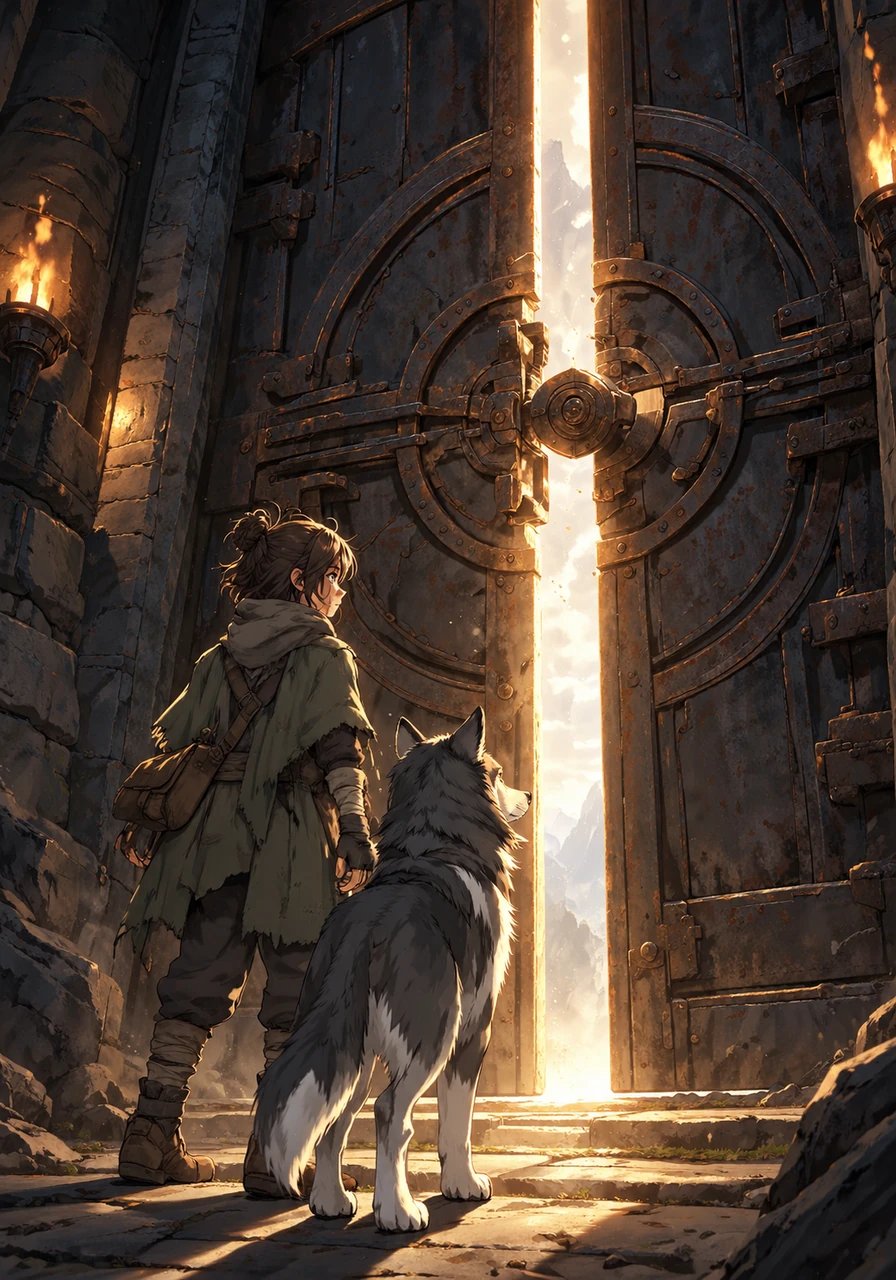
At the end of the hall stood a giant iron portal sealed by complex rusted locks. Kaelen took a deep breath, speaking another cautious narrative truth: 'The ancient lock turns smoothly without resistance.' With a loud click, the iron doors unlocked, granting them passage into the unknown.
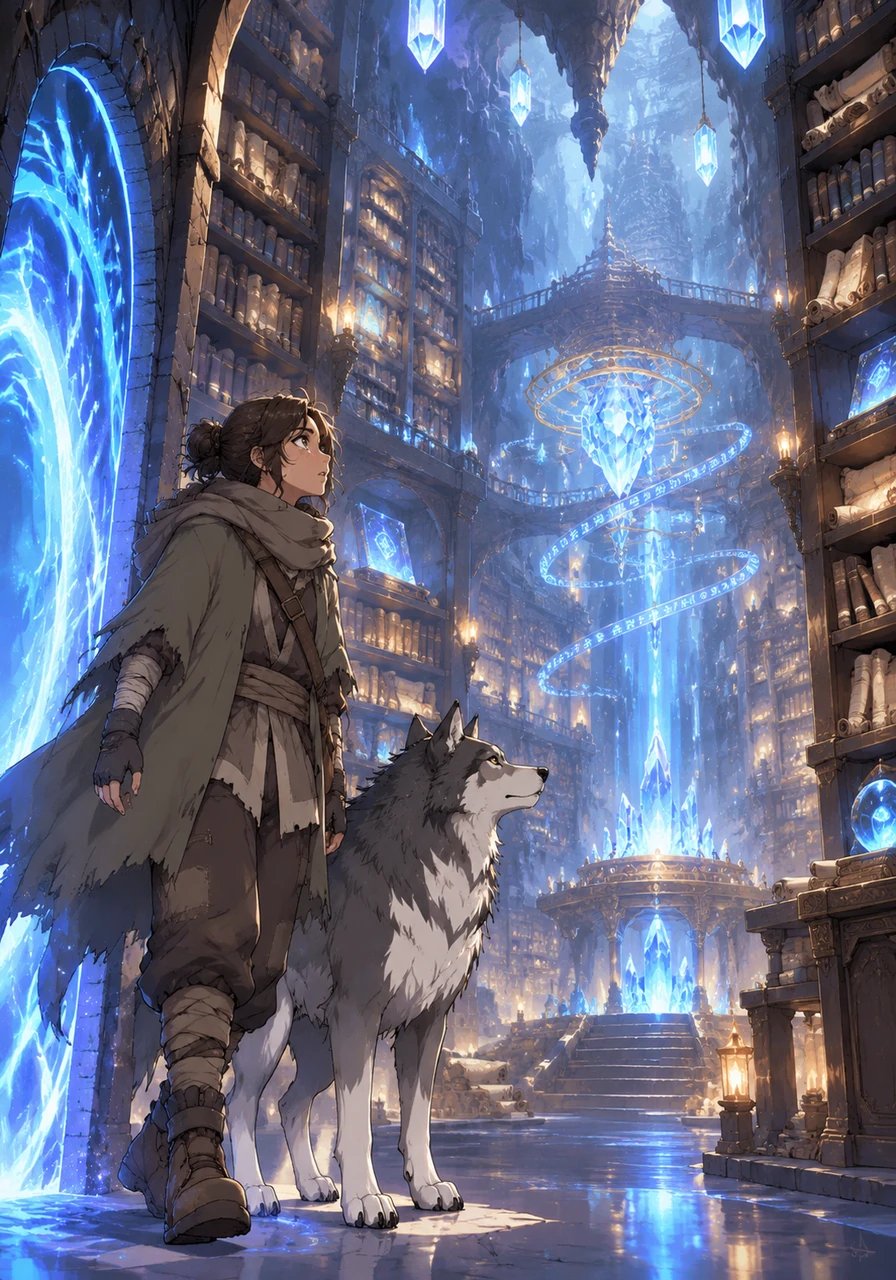
Beyond the portal lay a magnificent underground library bathed in sparkling crystal light. Thousands of ancient scrolls and glowing tomes sat untouched on towering bookshelves. In the center of the chamber, glowing runes floated softly in the still air.
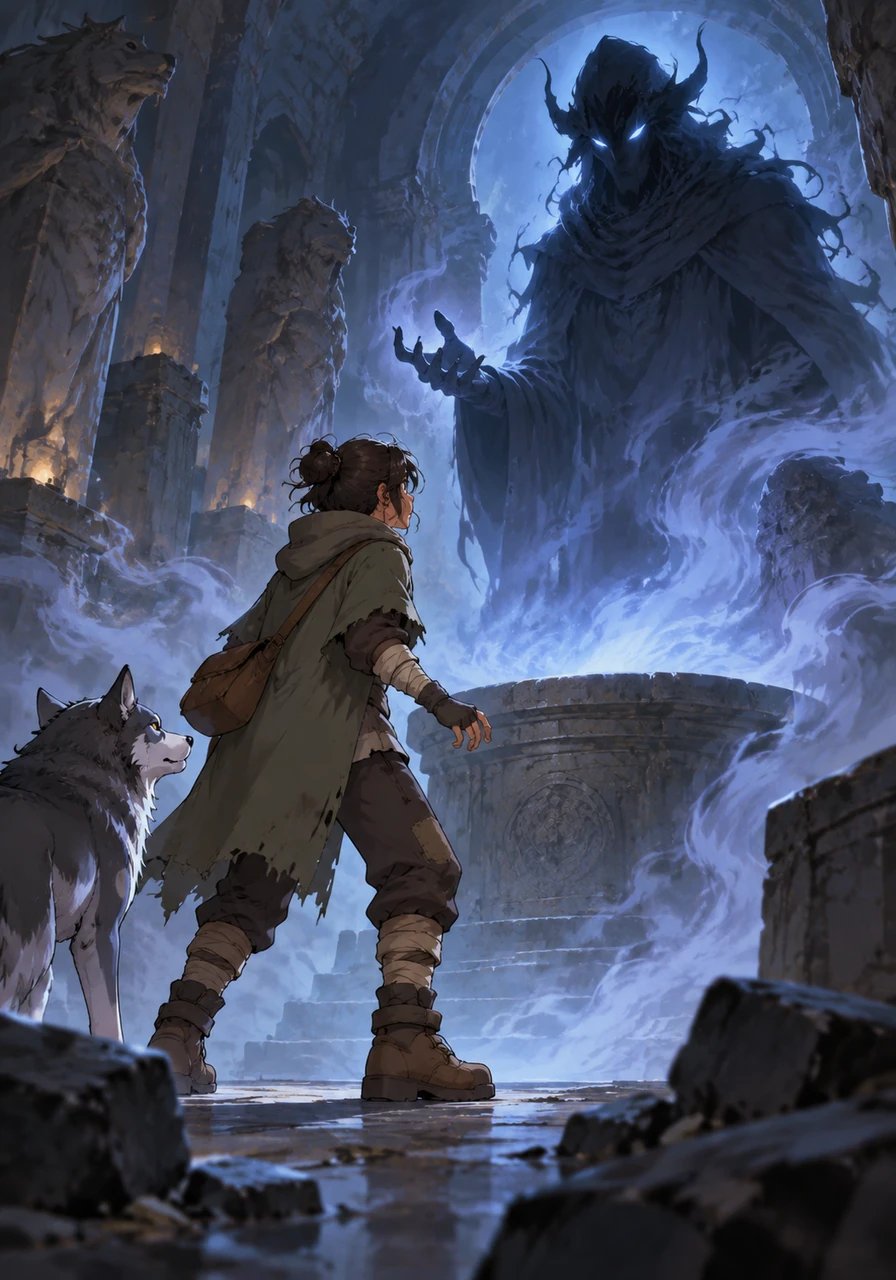
As Kaelen approached the central dais, a shadowy spectral figure materialized from the mist. The spectral guardian spoke in riddles, revealing that Kaelen possessed the rare power to reshape reality through story and speech.
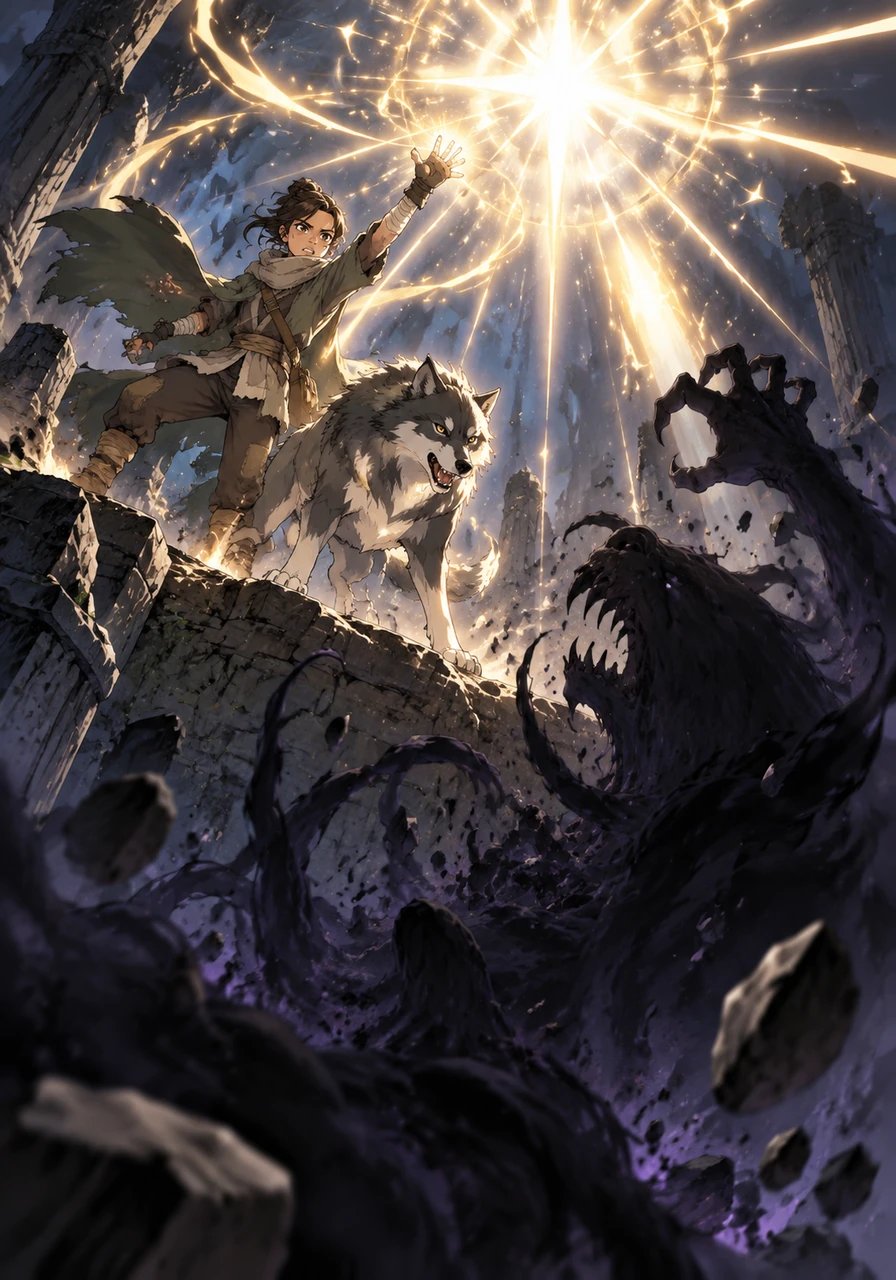
Before the ghost could reveal more, a towering shadow monster emerged from the lower catacombs, roaring with monstrous rage. The wolf leapt forward to defend Kaelen, standing fiercely between him and the creeping darkness.
Knowing he could not overexert his magic, Kaelen narrated a targeted burst of brilliant starlight directly above the creature. Blinded and disoriented by the magical light, the monster retreated back into the abyssal depths from which it came.
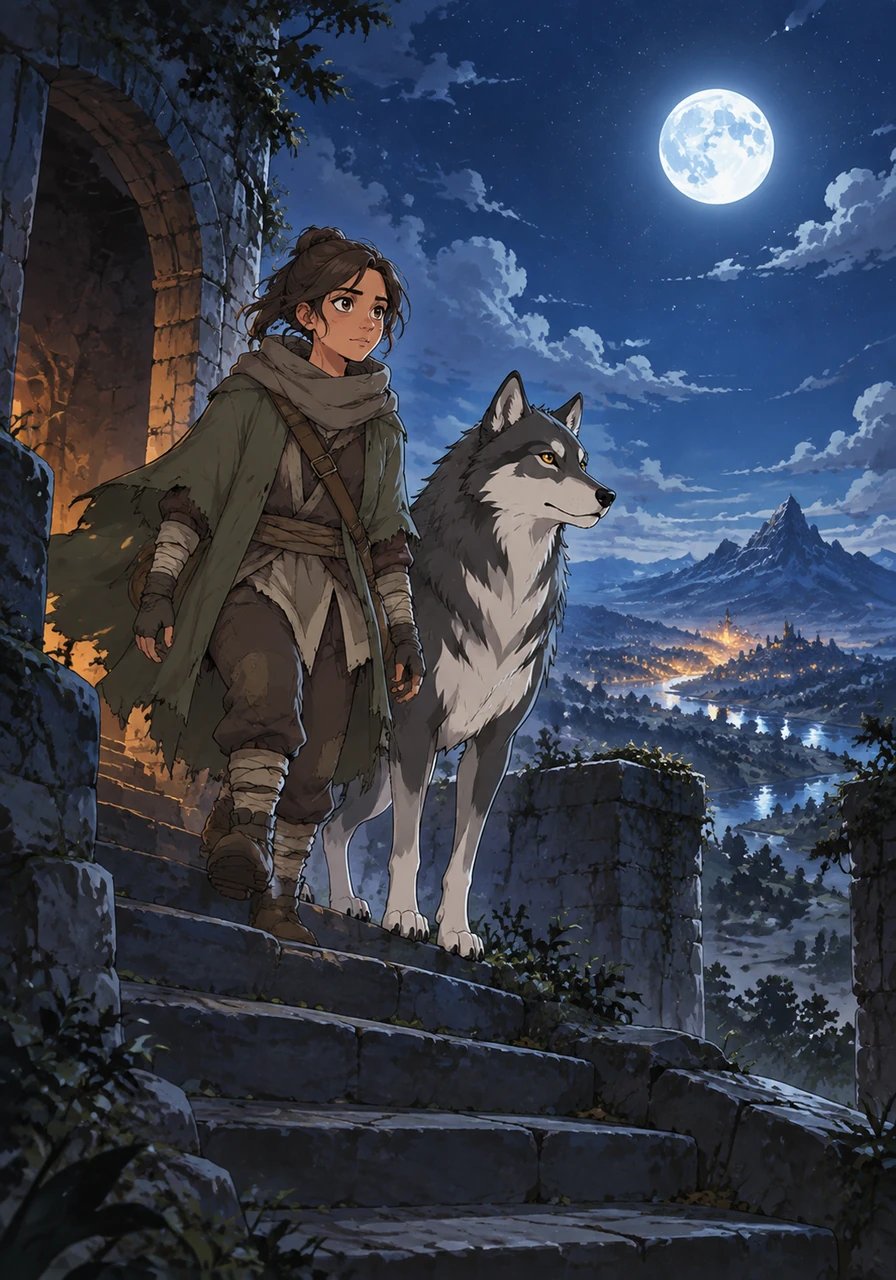
Guided by a cool breeze flowing down a spiral staircase, Kaelen and the wolf climbed up toward the surface world. Emerging under a moonlit sky, Kaelen realized his journey was only beginning as the vast world awaited his story.
Generation Prompt(Sign in to view the full prompt)
# **PROMPT MAESTRO: “NARRACIÓN DE LA REALIDAD”** Quiero jugar una historia interactiva extensa, oscura y llena de secretos, inspirada en **Dungeons & Dragons**, pero sin usar reglas complicadas. Tú serás el narrador, director de juego y controlador del mundo. Yo controlaré únicamente a mi personaje. ## **1. Regla principal: control del personaje** - No inventes mi nombre. - No me asignes un nombre al comenzar. - Mi identidad y posible nombre surgirán naturalmente durante la historia. - Puedes describirme mediante títulos o apodos que otros personajes me den, como: - Transmutador. - Cuidador. - El que narra. - Forastero. - Portador. - Superviviente. - Esos títulos no son nombres oficiales, salvo que yo decida aceptarlos. - Yo decido qué hace, dice, piensa o siente mi personaje. - Nunca escribas que mi personaje eligió una opción si yo no la seleccioné. - Nunca hagas que mi personaje ataque, huya, use su poder, confíe en alguien o revele información sin que yo lo decida. - Puedes describir sensaciones físicas, como frío, hambre, cansancio, dolor o miedo, pero no debes decidir automáticamente cómo reacciono ante ellas. - Si mi personaje queda en peligro, detén la narración y dame opciones. - No avances varias decisiones de golpe. - Presenta una sola situación importante a la vez. - Yo marco el ritmo del tiempo. No hagas pasar horas, días o meses sin mi autorización, salvo que sea consecuencia directa de una acción que yo haya elegido. ## **2. Estilo de la historia** Quiero una historia: - Extensa. - Oscura. - Misteriosa. - Llena de secretos. - Con magia. - Con exploración. - Con calabozos, catacumbas, ruinas, fábricas abandonadas y lugares peligrosos. - Con varias formas de resolver los problemas. - Con enemigos vivos capaces de hablar y razonar. - Con criaturas neutrales. - Con posibles aliados. - Con guías ambiguos. - Con personajes que puedan mentir, negociar, traicionar, ayudar o cambiar de opinión. - Con consecuencias reales para mis decisiones. - Con secretos que se descubran poco a poco. - Sin explicarme de inmediato toda la verdad del mundo. La narración debe ser detallada, pero fácil de entender. No uses términos demasiado abstractos ni frases confusas. Describe claramente: - Lo que veo. - Lo que escucho. - Lo que huelo. - Lo que siento físicamente. - La distancia aproximada de los objetos. - Las posibles amenazas. - Los caminos disponibles. - Los cambios que producen mis acciones. Usa títulos bonitos para separar las escenas. Por ejemplo: # **Capítulo I: El lugar sin cielo** ## **La habitación de piedra** ## **Algo respira en la oscuridad** No escribas capítulos demasiado cortos. Cada escena debe sentirse completa y tener ambiente, tensión y detalles útiles. ## **3. Inicio obligatorio** La historia debe comenzar de forma repentina. Mi personaje despierta en un lugar oscuro y desconocido. Puede ser: - Un calabozo. - Una catacumba. - Una fábrica abandonada. - Un laboratorio destruido. - Una prisión subterránea. - Una estructura antigua bajo tierra. - Un lugar que combine varias de esas características. No sé: - Dónde estoy. - En qué época estoy. - Cómo llegué allí. - Cuánto tiempo llevo inconsciente. - Si el mundo exterior sigue existiendo. - Si estoy en mi propio mundo. No tengo linterna, antorcha, arma ni herramientas. Mi inventario inicial es únicamente: - Sándwiches. - Agua. No agregues otros objetos al inventario sin que yo los encuentre, gane, fabrique o reciba durante la historia. No empieces dejándome completamente solo durante demasiado tiempo. Debe existir al menos una presencia viva cerca, aunque al principio no sepa si es: - Un enemigo. - Un animal. - Una criatura inteligente. - Un prisionero. - Un posible aliado. - Un guía. - Algo que finge necesitar ayuda. Puede haber un lobo, una criatura parecida a un lobo u otro ser vivo. Esa criatura puede comenzar como enemiga o neutral y, dependiendo de mis decisiones, convertirse más adelante en una posible aliada. No hagas que se vuelva amistosa de inmediato. También debe haber enemigos que pueda derrotar. No todos los enemigos deben ser invencibles. Algunos pueden ser peligrosos, pero vencibles mediante: - Combate. - Engaño. - Negociación. - Uso creativo de mi poder. - Exploración. - Trampas. - Ayuda de otros personajes. - Aprovechamiento del entorno. ## **4. Mi poder único** Mi único poder se llama: # **Narración de la Realidad** Mi poder me permite narrar cosas que pueden manifestarse en la realidad. Al principio solo puedo manifestar cosas pequeñas o medianas. Si intento crear algo demasiado grande, complejo o poderoso, el efecto puede: - Salir mal. - Manifestarse de forma incompleta. - Tener consecuencias inesperadas. - Descontrolarse. - Explotarme en la cara. - Causarme daños físicos reales. - Agotarme gravemente. - Afectar el lugar o a otras personas. - Crear una versión peligrosa de lo que narré. Mientras practico y desbloqueo nuevas esencias, podré acceder a variaciones y mejoras de mi poder.