Experience the complex history of the American West through the eyes of two young boys from different worlds. This moving story balances the hope of westward expansion with the profound impact on Indigenous cultures, fostering empathy and critical thinking in young readers. It is a powerful exploration of how one land can hold many different stories and truths.
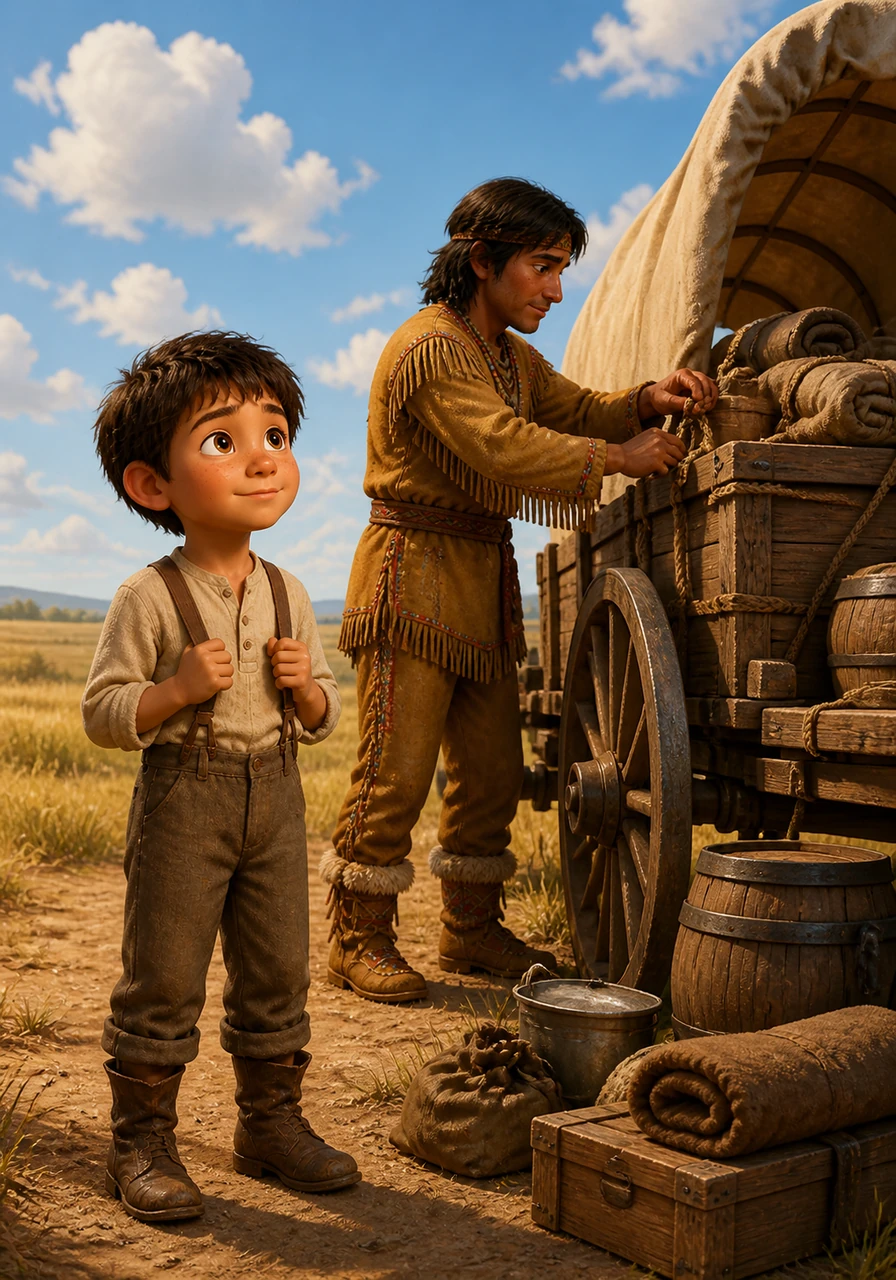
Thomas watches his father pack the heavy wooden wagon under a bright Missouri sun, feeling a flutter of excitement in his chest. He dreams of the golden fields and endless skies his parents promised were waiting for them at the end of the long trail.
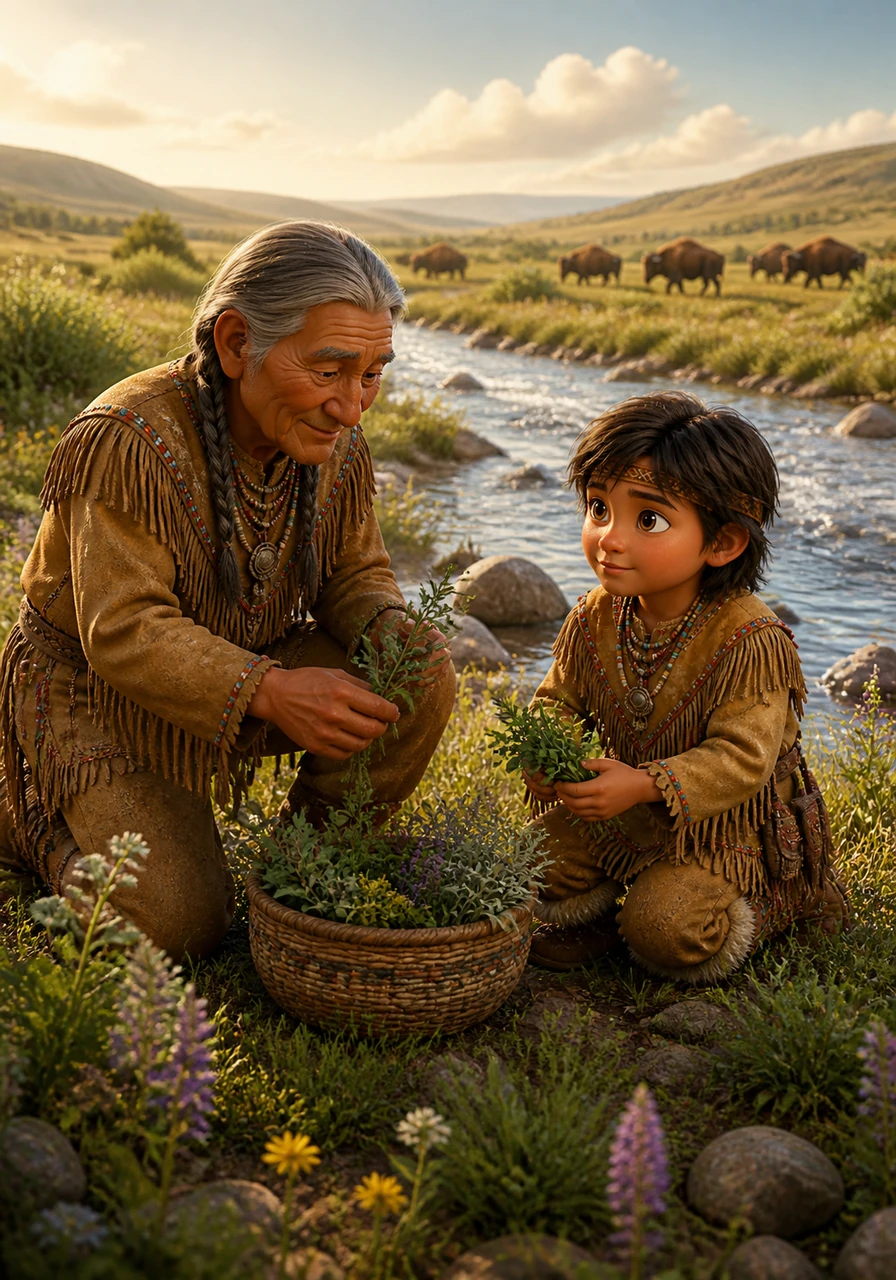
Far across the rolling plains, Alowan helps his grandfather gather herbs near a sparkling river that has sustained their people for generations. They move with the seasons, following the buffalo and honoring the spirits of the earth, seeing the land as a sacred relative rather than a prize to be owned.
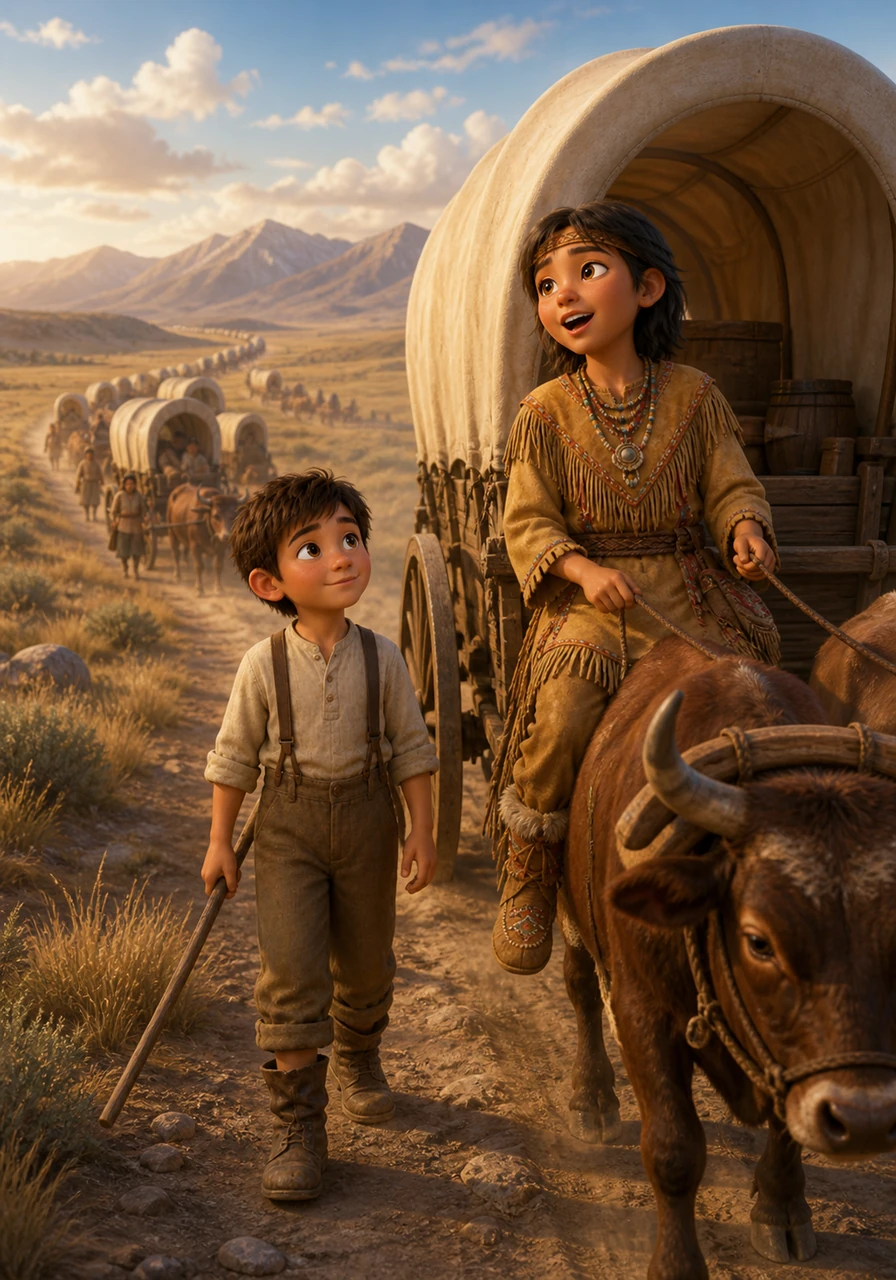
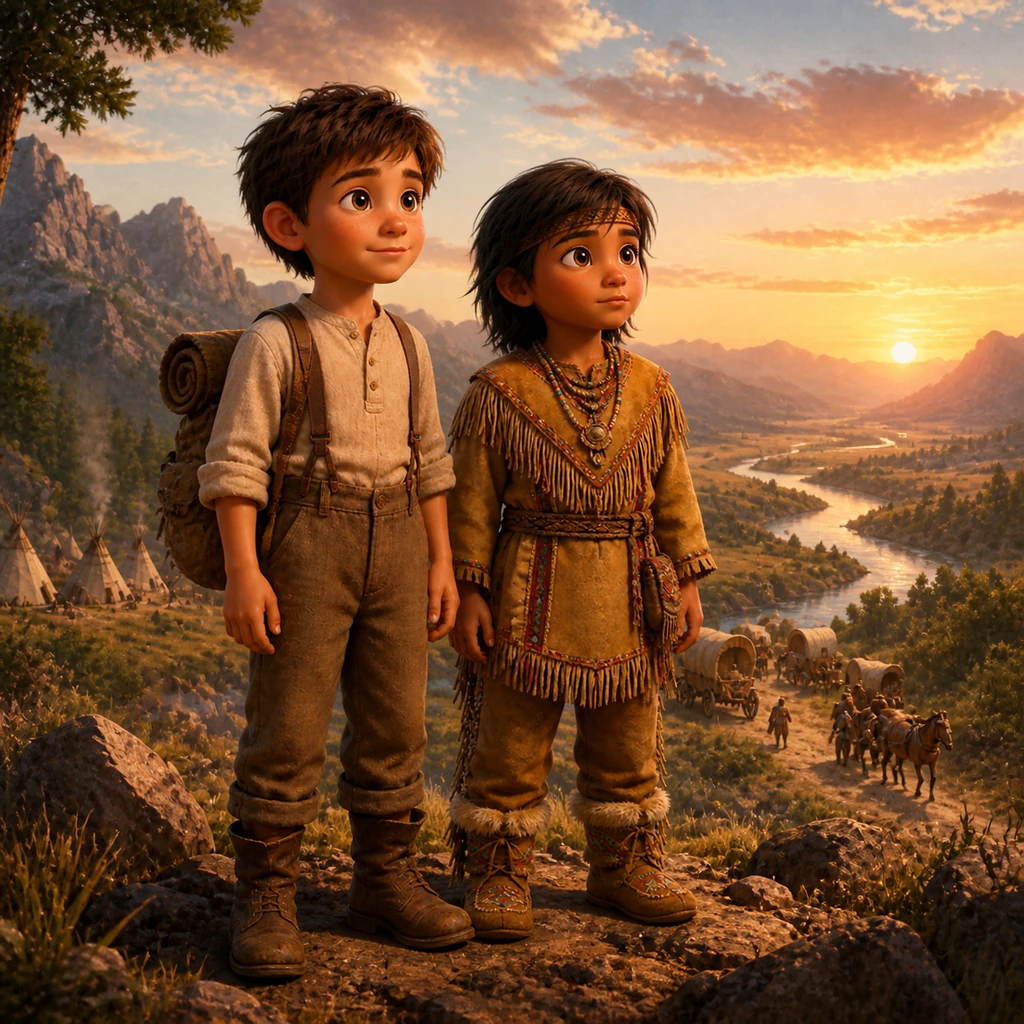
The wagon train stretches like a long, dusty ribbon across the prairie, moving slowly toward the distant mountains. Thomas walks beside the oxen, his boots wearing thin, while his mother sings songs about building a new home and a bright future for their family in the West.
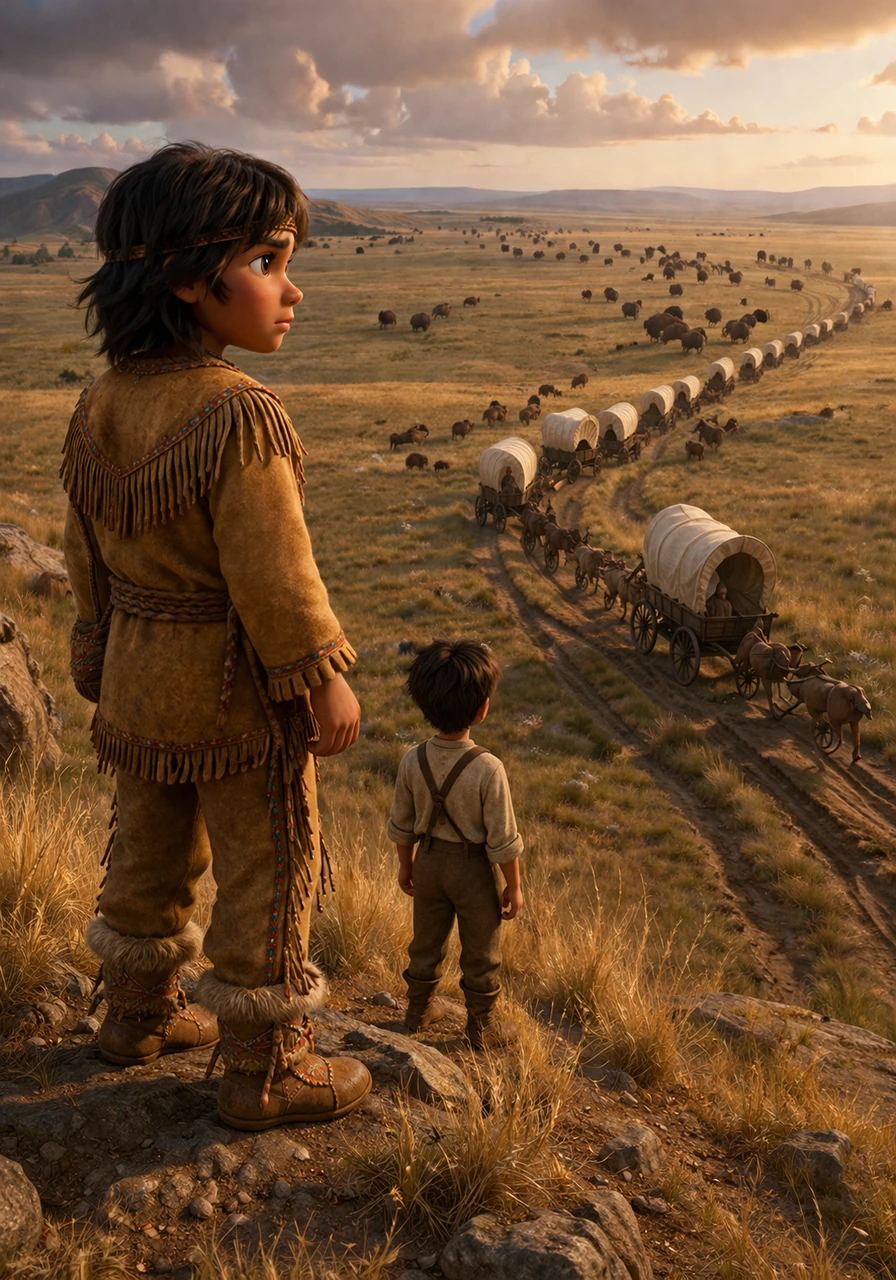
From a high ridge, Alowan watches the strange white-topped wagons carve deep, permanent ruts into the tall prairie grass. He notices the great buffalo herds moving further away and feels a growing shadow of worry about how these newcomers will change the balance of his world.
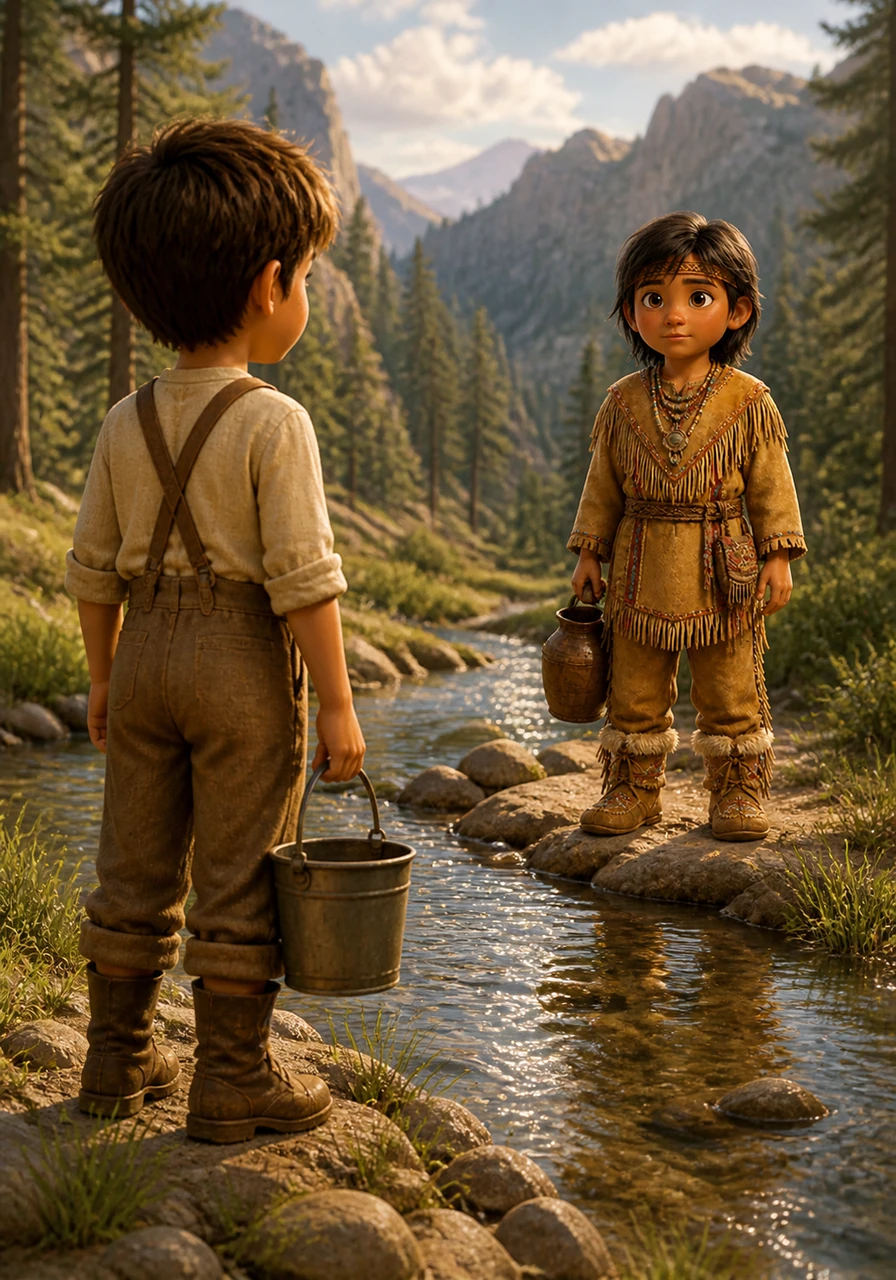
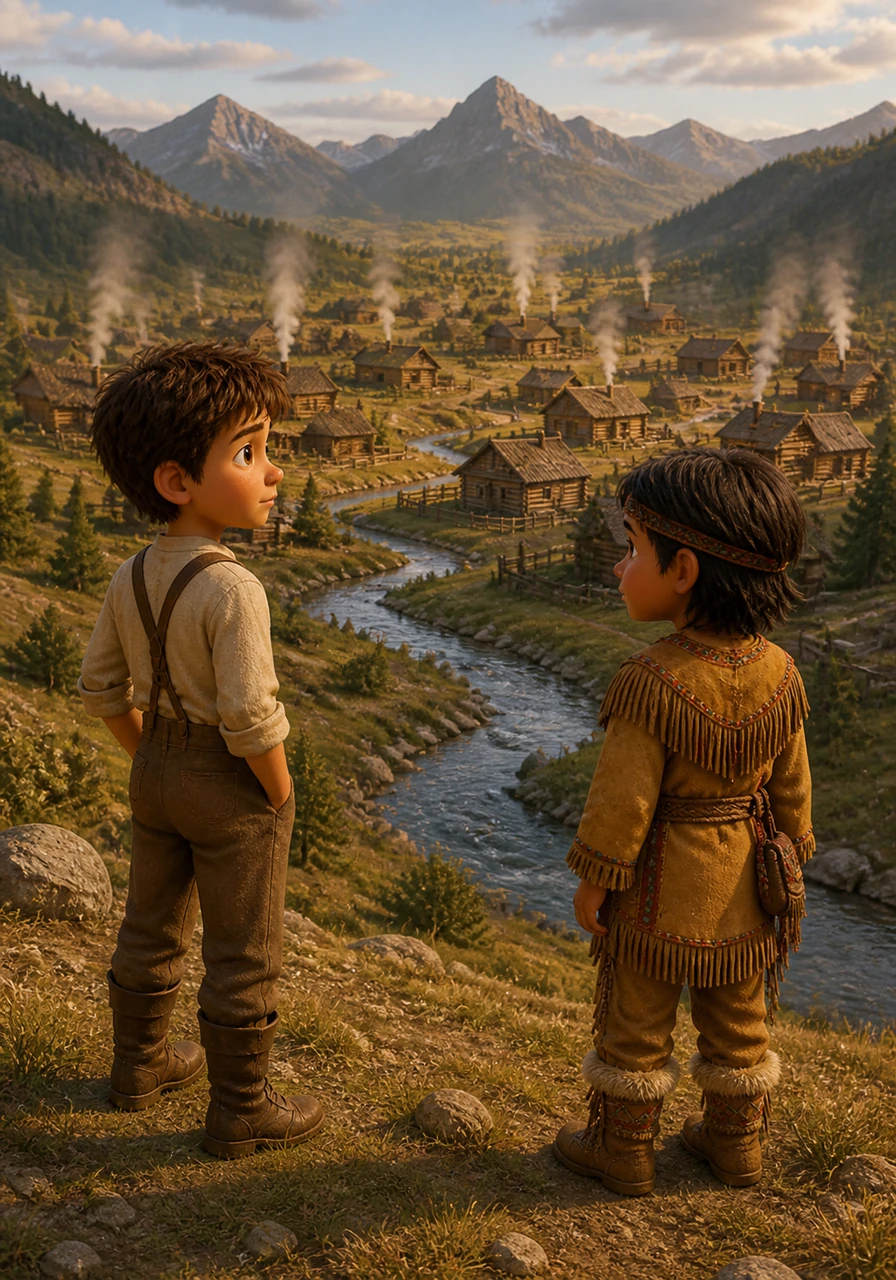
One afternoon, Thomas and Alowan lock eyes across a narrow creek while both are searching for fresh water. There is a moment of quiet curiosity between the two boys, both wondering about the life the other leads in this vast and beautiful wilderness.
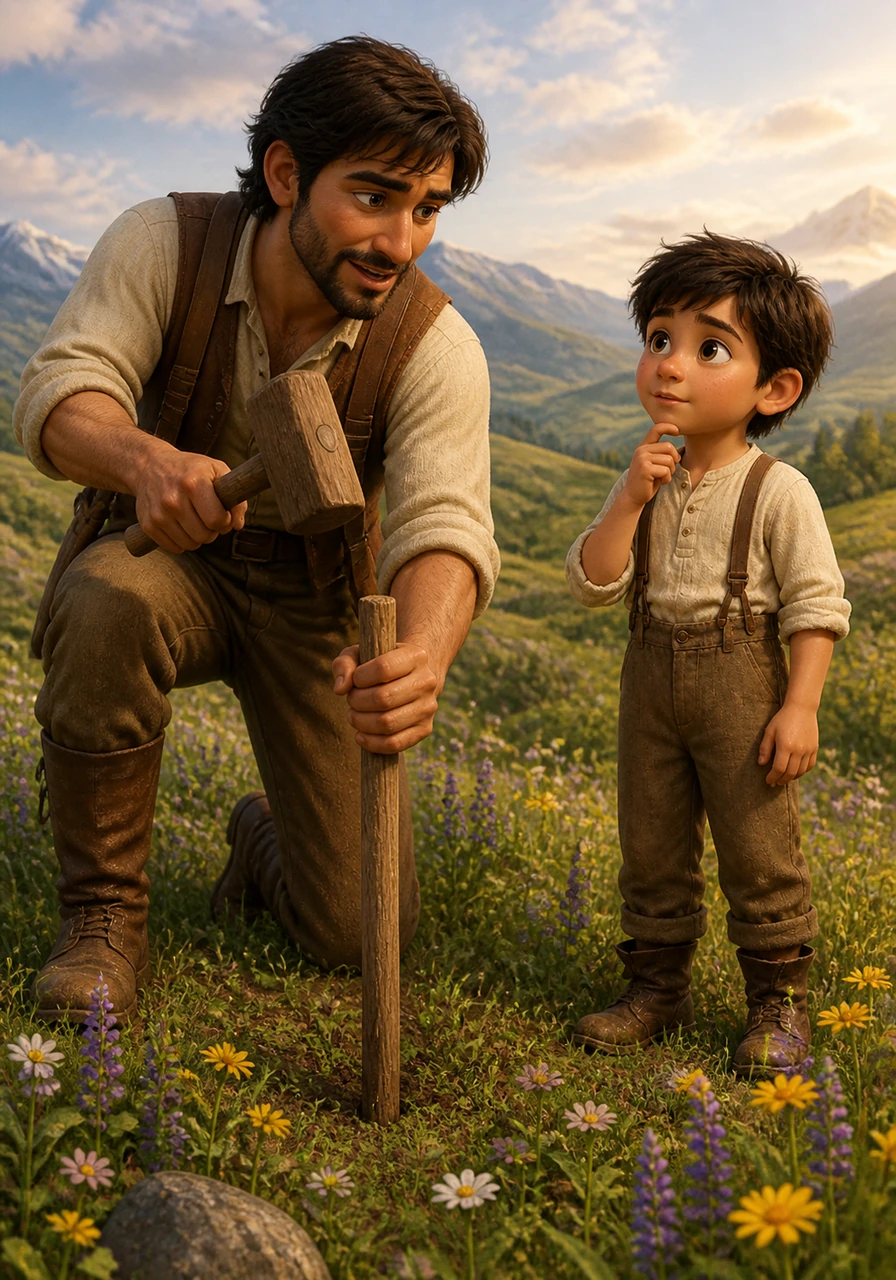
Thomas’s father hammers a wooden stake into the earth, claiming a patch of land for their new farm and family garden. He speaks of a destiny to grow and build, while Thomas looks at the beautiful wildflowers and wonders if the land was truly empty before they arrived.
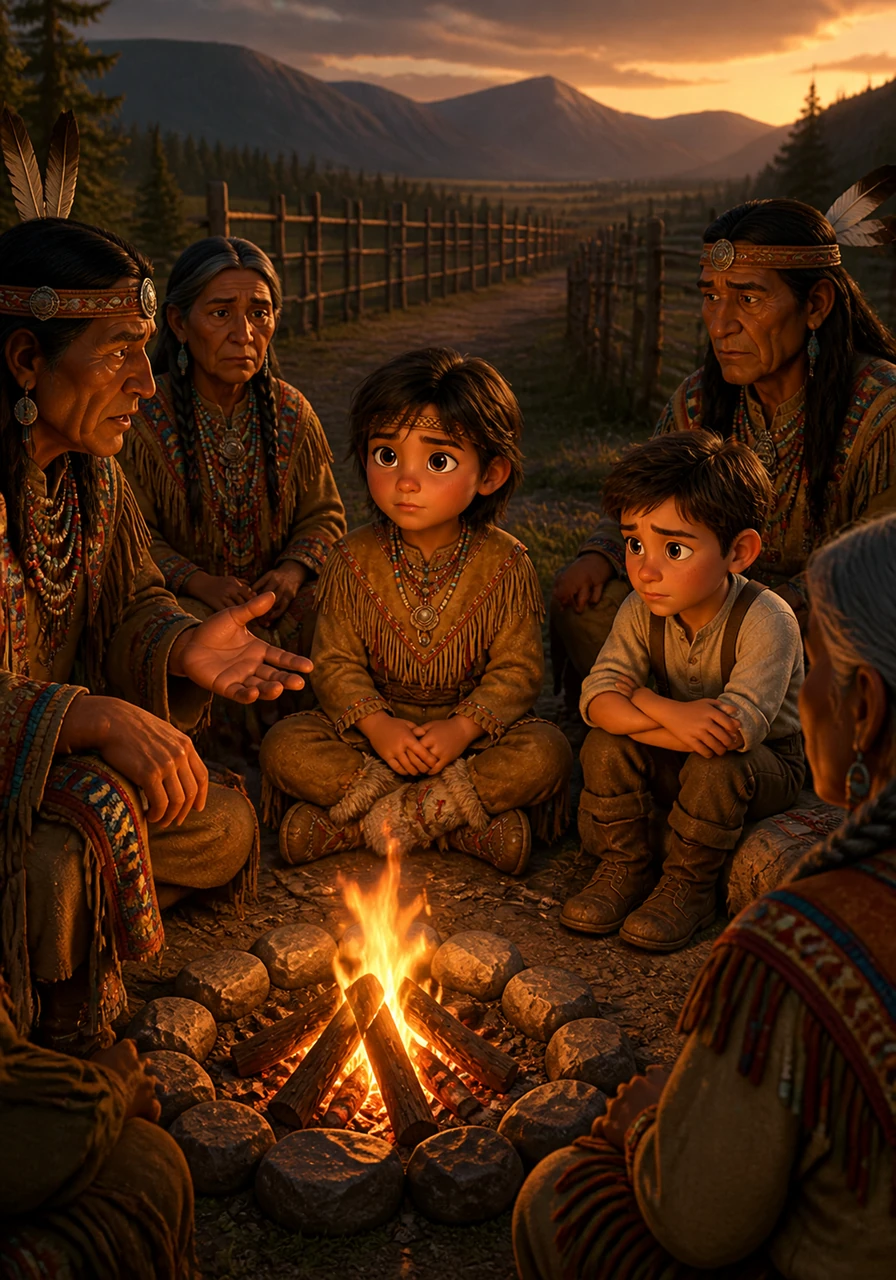
Alowan sits by the council fire as the elders speak of broken promises and new fences that block their ancient hunting paths. The vibrant colors of their traditional regalia contrast with the somber expressions on their faces as they realize their way of life is being pushed aside.
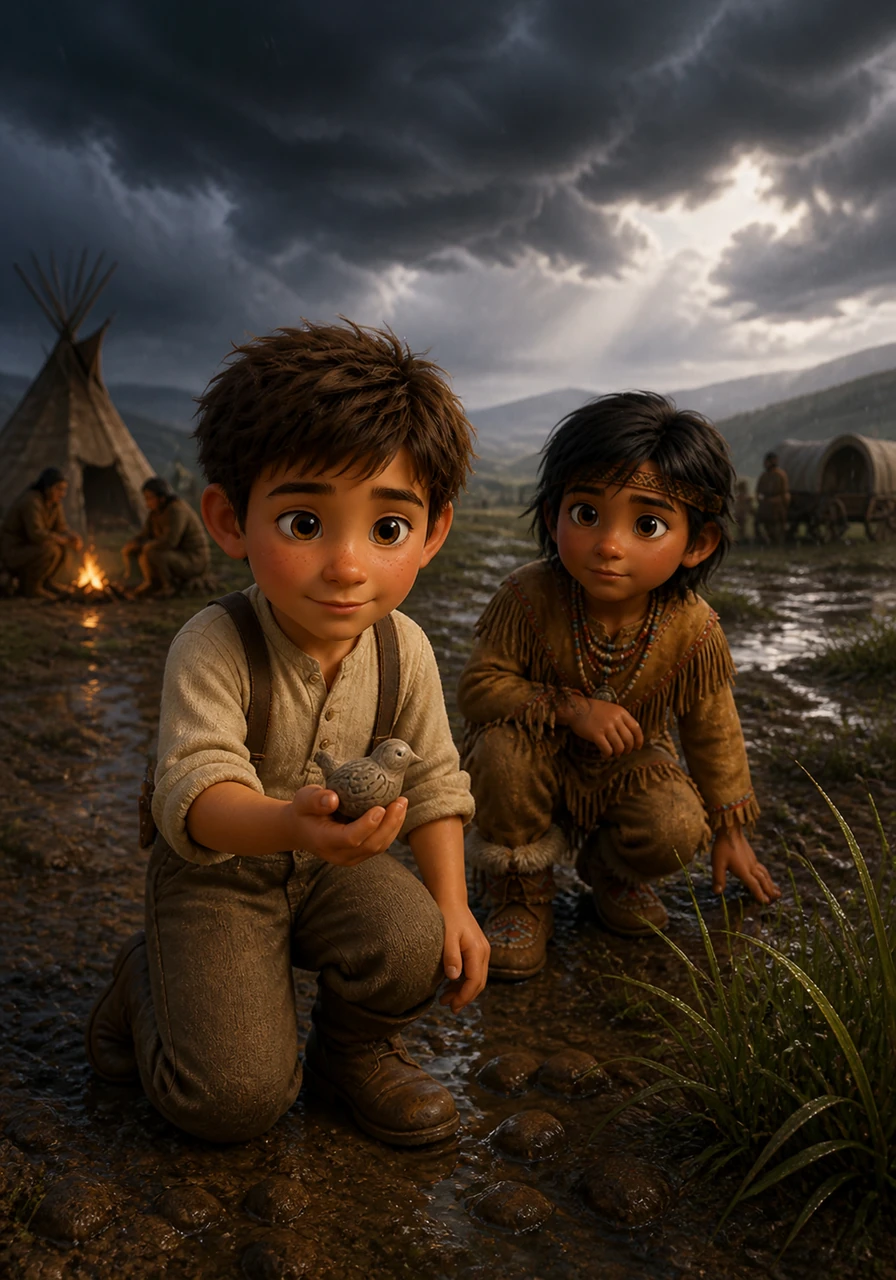
A sudden summer storm lashes the plains, forcing both families to seek shelter and face the raw, humbling power of nature. In the quiet aftermath, Thomas finds a small, hand-carved stone bird near his camp, a silent reminder of the people who walked these trails long before him.
The landscape is soon dotted with small log cabins and smoke rises from many new chimneys, marking the growth of the settlements. While Thomas sees progress and safety, he also notices the strange silence where the great herds used to thunder and the absence of the people he once glimpsed by the creek.
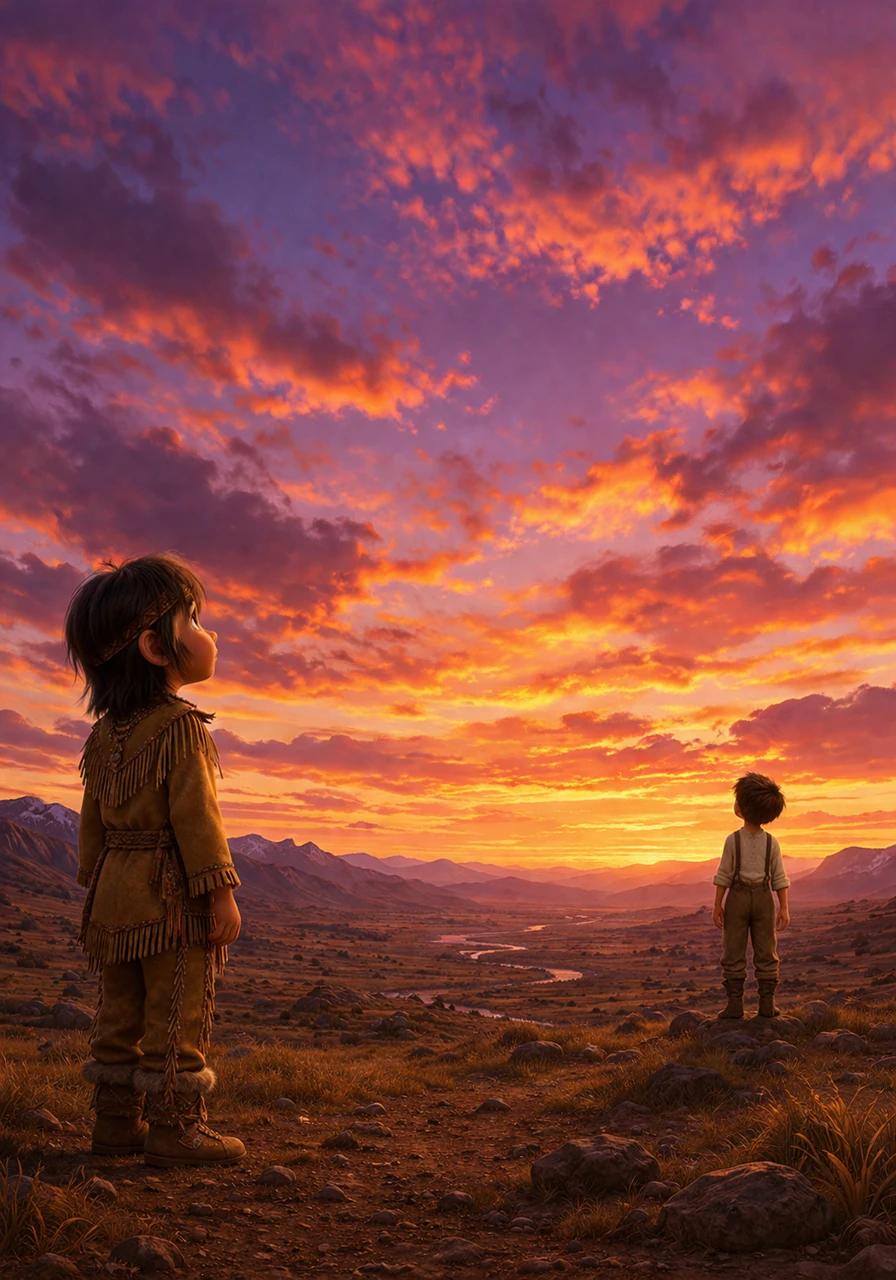
Thomas and Alowan stand miles apart, both looking up at the same vast sky painted with the orange and purple hues of sunset. They carry the stories of their ancestors in their hearts, understanding that the history of this land is a tapestry woven with both the light of hope and the shadows of loss.
Generation Prompt(Sign in to view the full prompt)
create a children’s picture book that introduces the concept of Manifest Destiny through a balanced, age-appropriate narrative that explores both the excitement of westward expansion and its impact on Indigenous peoples. The driving question of this project is: how can we help young readers understand that historical growth and exploration can have both positive and harmful consequences? The book will be illustrated with engaging, colorful artwork and written in simple, accessible language, using multiple perspectives (such as a settler child and a Native American child) to encourage empathy and critical thinking. I have chosen the picture book format because it is effective for elementary-aged readers, combining visuals and text to support comprehension of complex ideas. My intended audience is children in grades 3–5, as well as educators and parents seeking thoughtful, inclusive ways to introduce early American history.