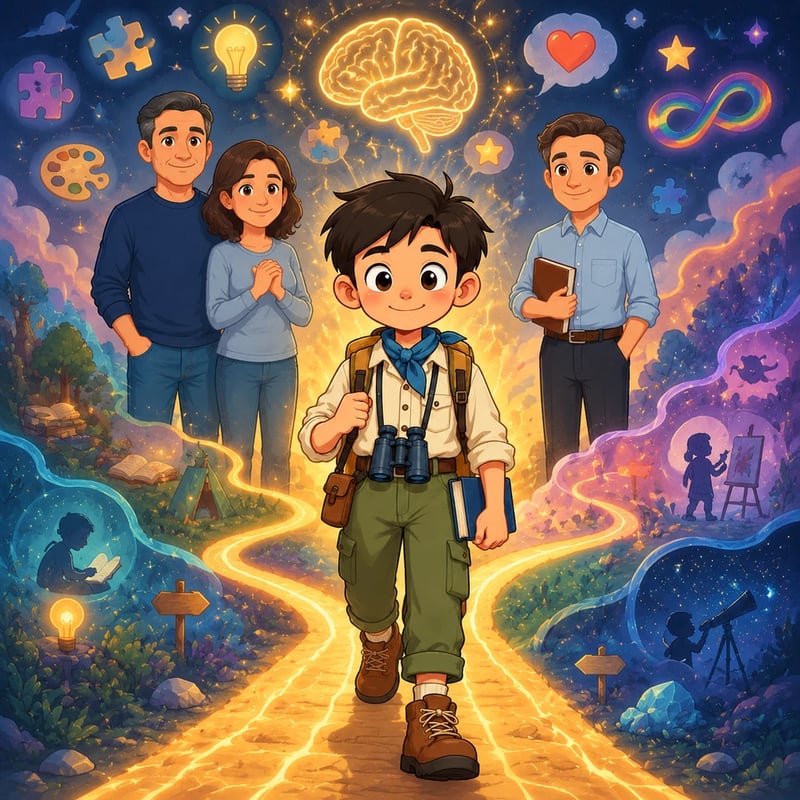
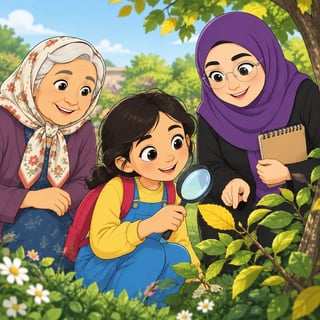
Follow young explorer Leo on a captivating journey through the shimmering landscapes of human thought, neurodiversity, and emotional resilience. This breathtaking story translates key insights of developmental psychology and mental health into a comforting, inspiring tale where every unique mind is celebrated.
Generation Prompt(Sign in to view the full prompt)
Create a comprehensive professional handbook series on developmental child psychology, child and adolescent psychology, child and adolescent psychiatry, school and learning, neurodevelopment, and mental health. Each topic should be its own detailed chapter or PDF. Include emotional, social, cognitive, behavioral, physical, brain, and language development; school life; learning and memory; study skills; executive functioning; academic performance; learning disabilities; school accommodations; special education; bullying; teacher–student relationships; motivation; time management; organization; ADHD; autism spectrum disorder; dyslexia; dyscalculia; dysgraphia; executive function difficulties; sensory processing differences; neurodiversity; anxiety; depression; OCD; trauma; PTSD; emotional regulation; behavioral disorders; personality development; resilience; coping strategies; gender identity; gender dysphoria; adolescent identity development; attachment theory; attachment disorders; parent–child relationships; parenting styles; family relationships; sibling relationships; friendships; peer relationships; communication skills; social skills; psychological assessment; psychiatric diagnosis; psychotherapy; cognitive behavioral therapy (CBT); family therapy; behavioral interventions; school-based interventions; psychiatric medications (general educational overview); multidisciplinary care; genetics; biology; culture; family environment; school environment; and trauma and development. For every chapter include definitions, scientific explanations, developmental milestones, evidence-based strategies, practical exercises, training activities, advice for parents, teachers, and students, case examples, myths vs. facts, summaries, glossaries, and references. Write in clear, evidence-based language suitable for advanced learners. Need medications solutions magical process advices training strategies Make chapters pages and فهرس