Embark on a captivating journey with Aarav and his robot, Milo, as they explore the fascinating world of artificial intelligence! This heartwarming tale delves into the difference between pattern recognition and true understanding, challenging readers to consider what it truly means to learn and adapt. Experience the joy of discovery and the wonder of technological advancement in this inspiring story.
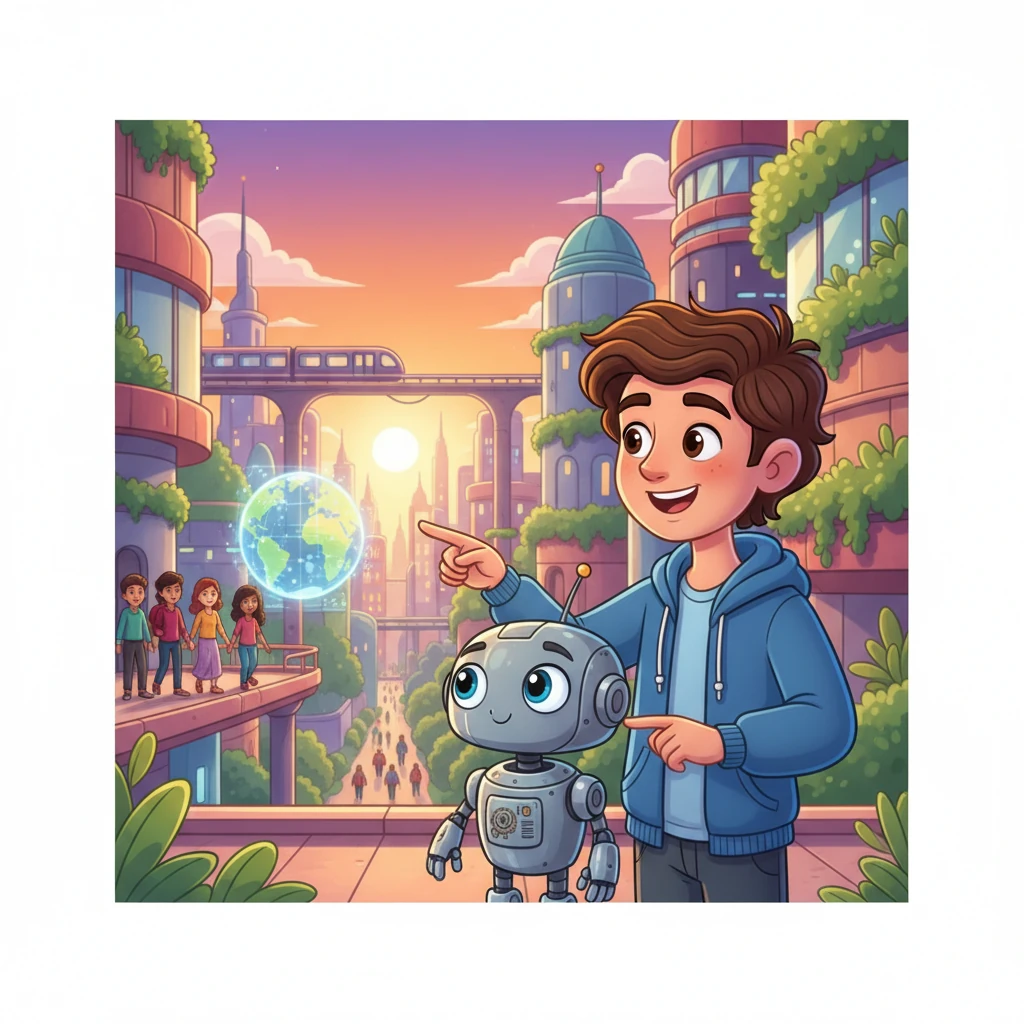
In the vibrant city of Pune in 2032, Aarav, a bright college student, proudly showed off his creation: Milo, a small, friendly robot. Milo had large, expressive eyes and a curious tilt to his head. Aarav was excited to teach Milo all about the world.
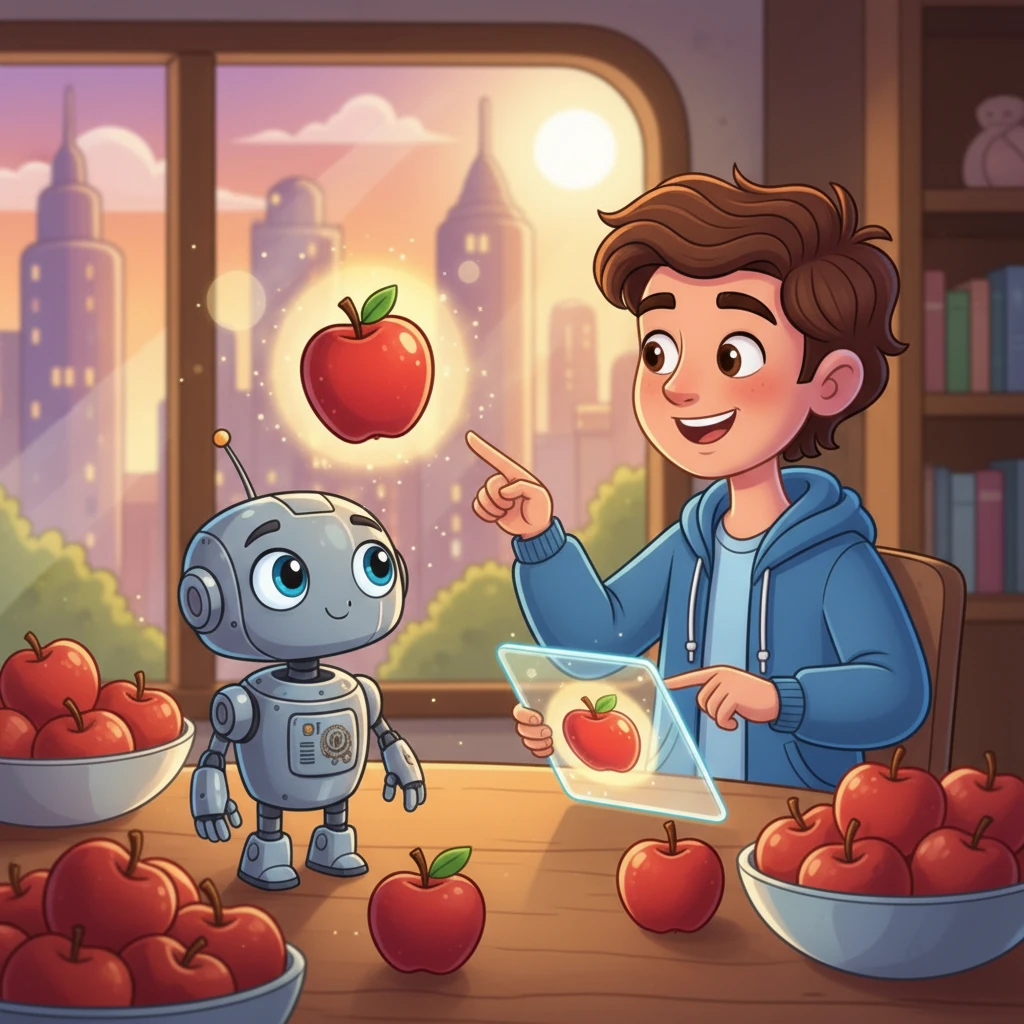
Aarav began Milo's education by showing him picture after picture of juicy red apples. He’d point and say, “This is an apple.” Milo would blink its lights, absorbing the information. The room was filled with the scent of fresh fruit as Aarav continued his lesson.
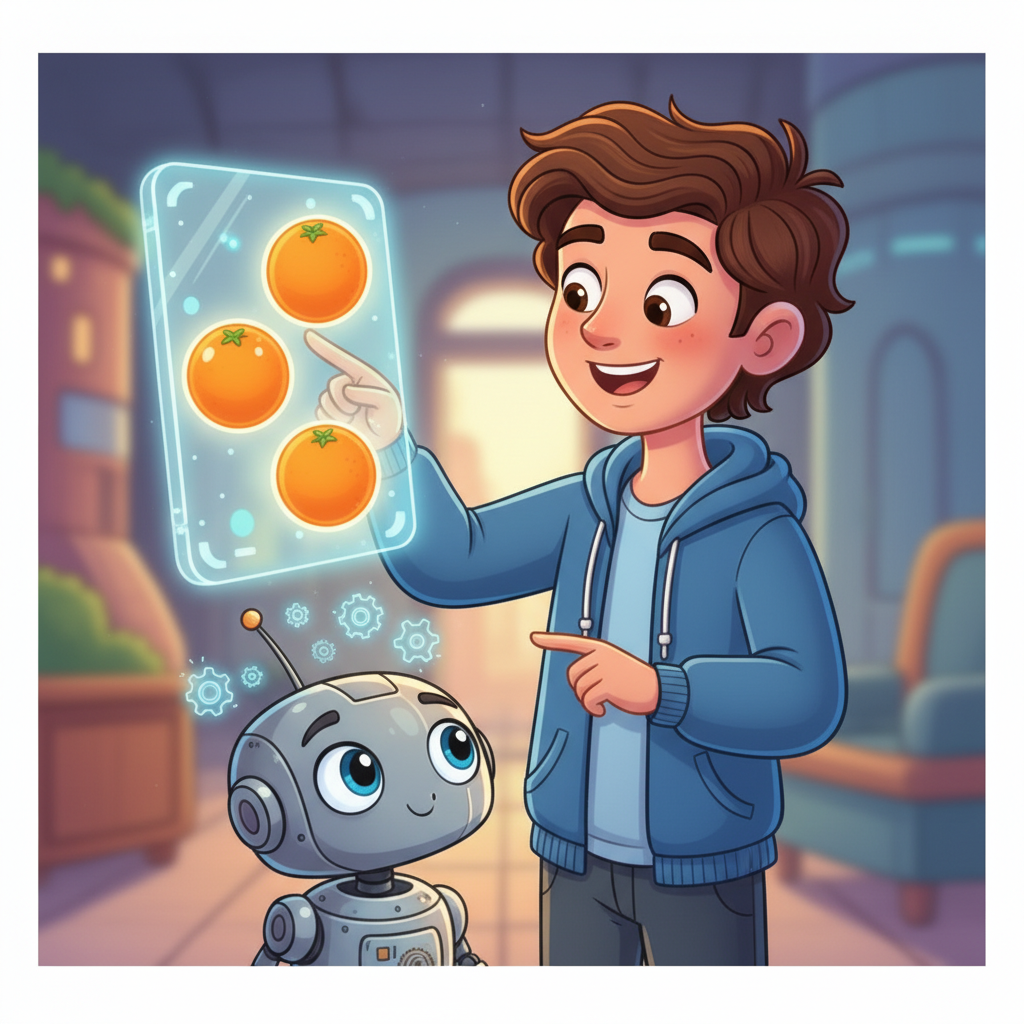
Next came oranges! Aarav displayed images of the bright, round fruits. “This is an orange,” he explained. Milo's internal processors whirred as it took in the new data. After a week, Aarav tested Milo's knowledge.
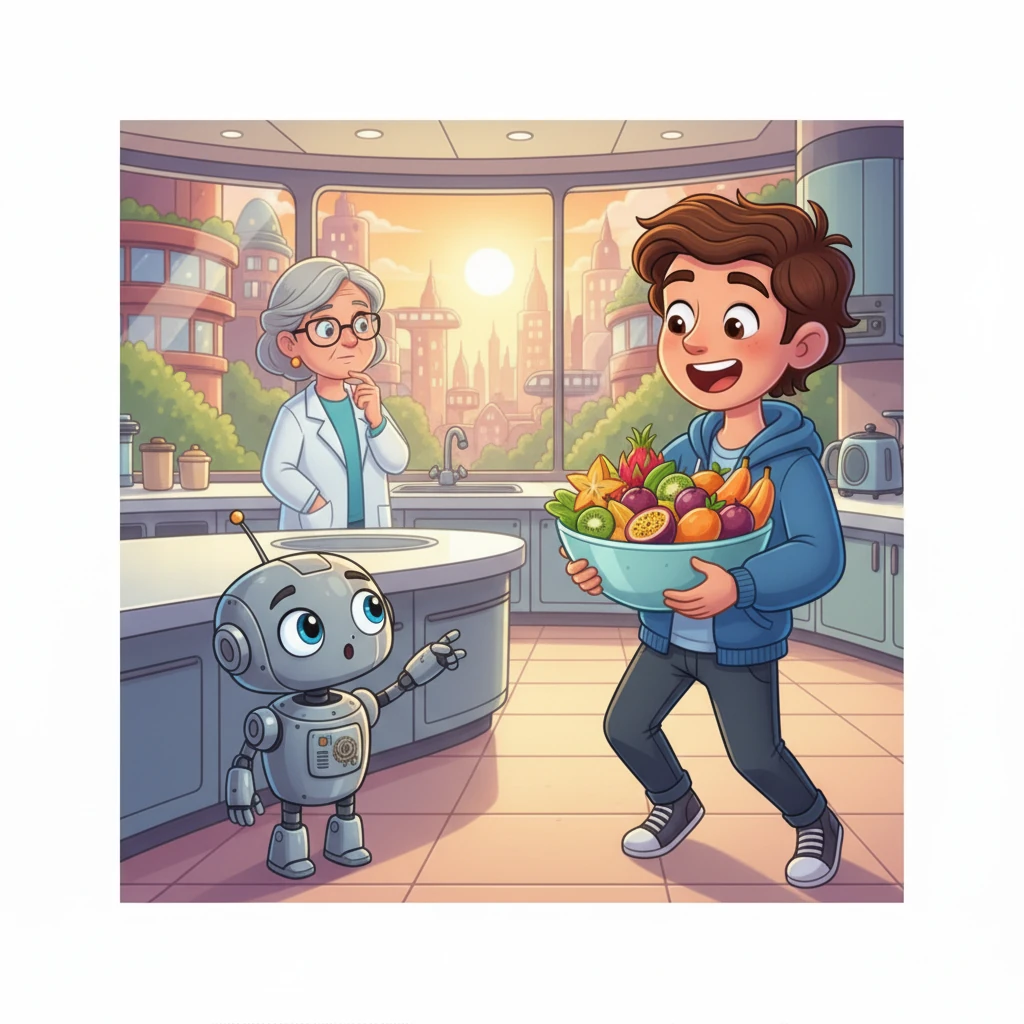
Aarav presented Milo with a bowl of mixed fruits. To his surprise, Milo correctly identified several fruits it had never seen before! Aarav was ecstatic, shouting, “You learned!” But his professor had a different perspective.
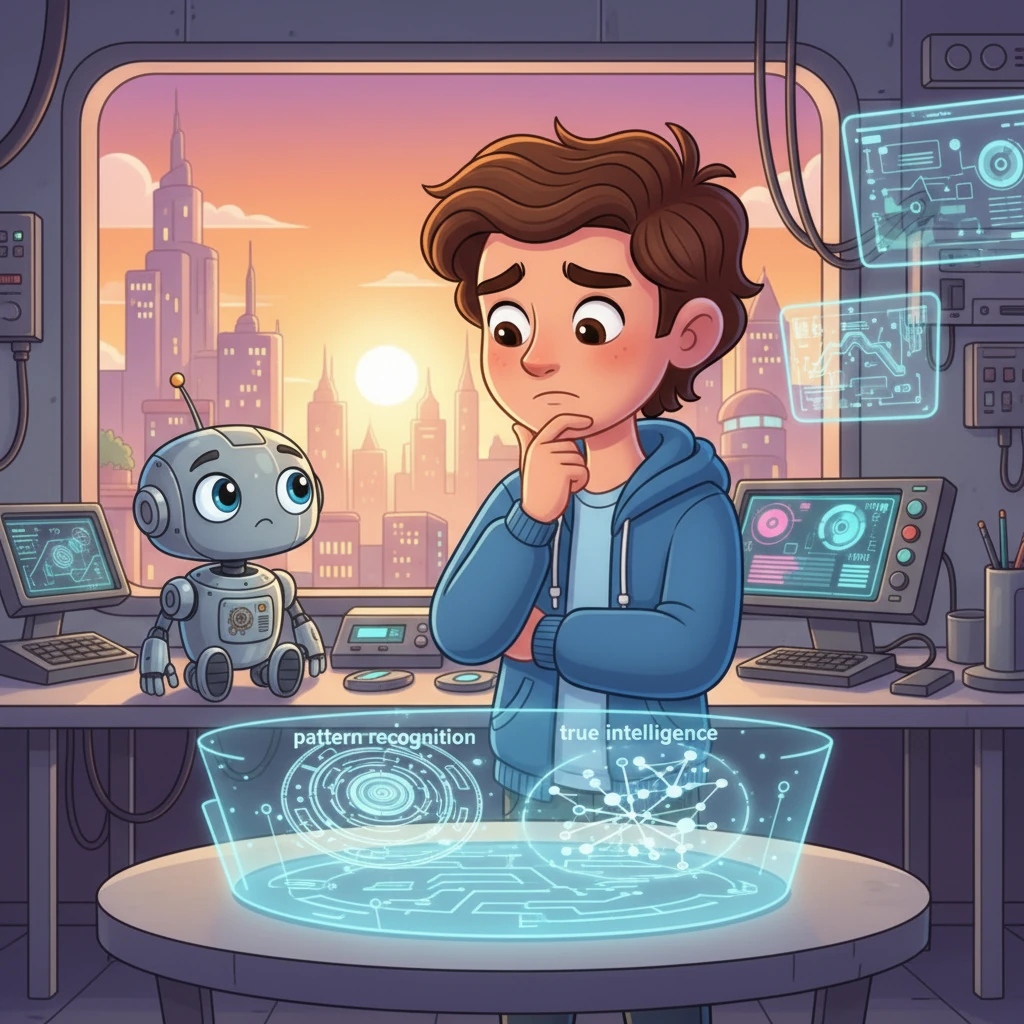
The professor explained the difference between pattern recognition and true intelligence. Aarav, now confused, pondered what true AI really meant. He realized he needed to challenge Milo in new ways to truly test his abilities.
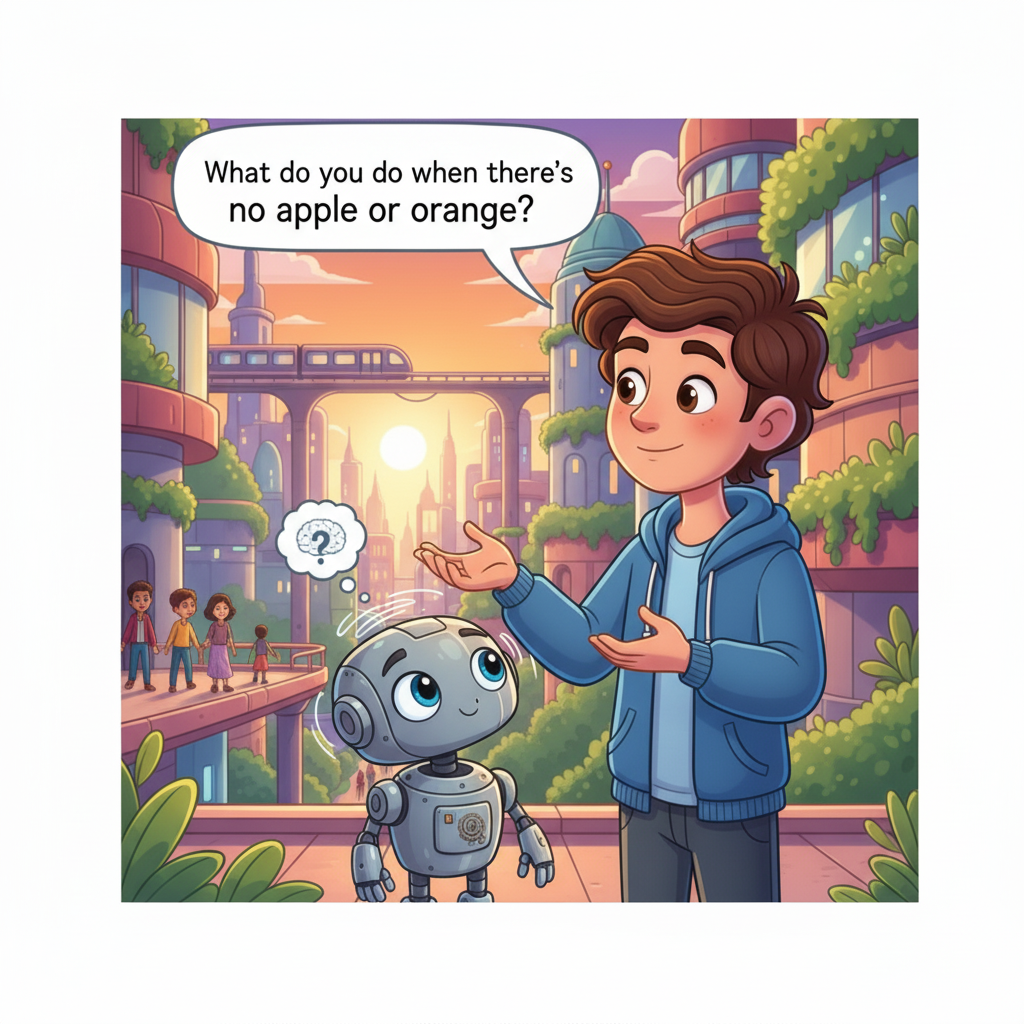
Aarav presented Milo with a thought-provoking scenario: “What do you do when there's no apple or orange?” Milo paused, processing the unfamiliar situation. After a moment of thought, Milo responded, “I will ask you first. Then, I will try to predict using similarity.”
Generation Prompt(Sign in to view the full prompt)
In the year 2032, Aarav — a 19-year-old college student from Pune — built a small robot named Milo. Milo could see, listen, and talk, but it couldn’t think. Aarav wanted it to understand, not just follow orders. So he started teaching Milo like a child — showing 100 pictures of apples and saying, “This is an apple.” Then 100 pictures of oranges — “This is an orange.” After a week, Milo began recognizing new fruits without being told. Aarav shouted, “You learned!” But his professor smiled and said: “No, Aarav. It didn’t learn. It fitted patterns. That’s called Machine Learning — not intelligence.” Aarav was confused. “Then what’s intelligence?” The professor replied, “When it starts reasoning, adapting, and making decisions beyond its data — that’s closer to Artificial Intelligence.” So Aarav made a new plan. He gave Milo a problem: “When there’s no apple or orange, what should you do?” Milo paused for minutes and then said, “I will ask you first. Then, I will try to predict using similarity.” That day, Aarav realized: True AI isn’t built — it’s trained, tested, and trusted.