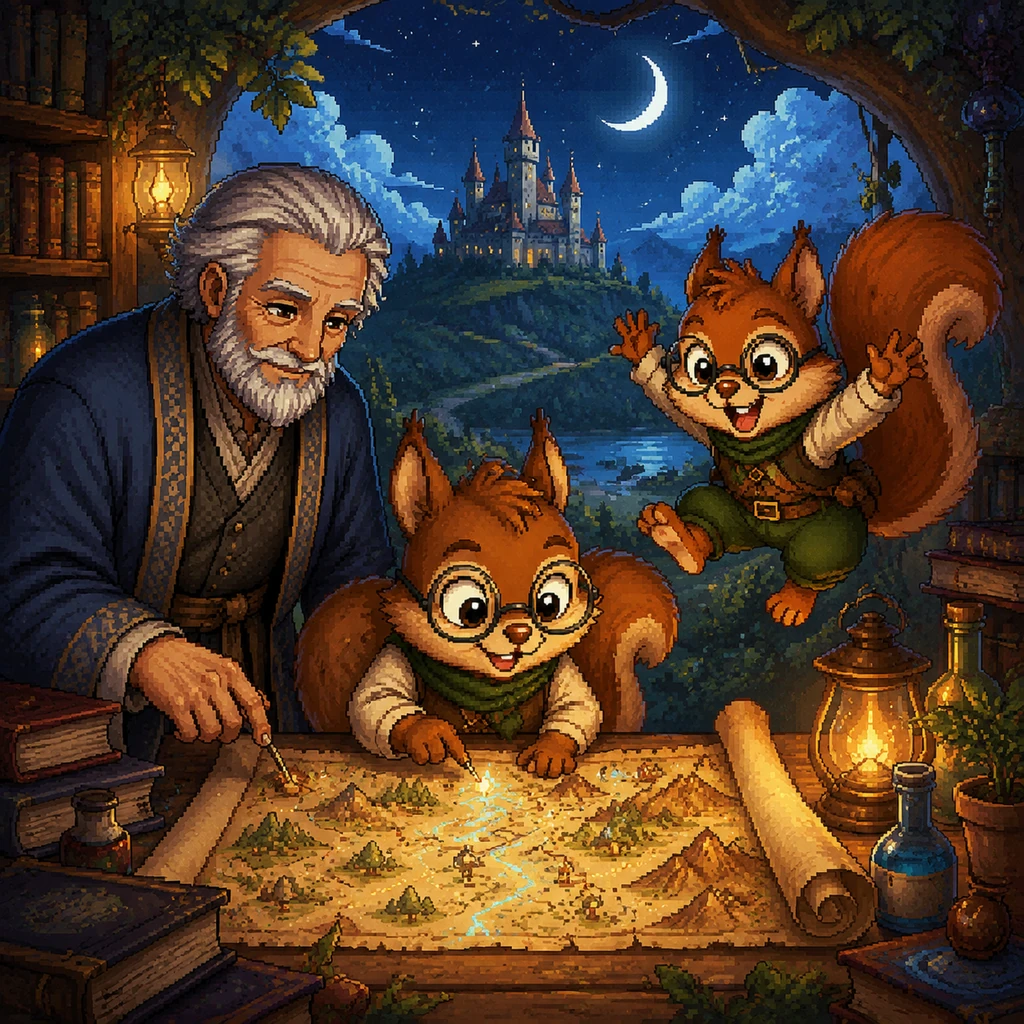
Join Leo on a vibrant journey through a typical day as he masters the Simple Present Tense. From morning routines to schoolyard chats, this beautifully illustrated guide turns essential English grammar into a relatable and engaging story for teenagers. Perfect for students looking to sharpen their language skills through real-life scenarios and clear, visual examples.
Leo stretches as his alarm rings at 7:00 a.m. He wakes up early every single day to get ready for school. The bright morning sun fills his room, signaling the start of his consistent daily routine.
In the kitchen, Leo eats cereal while his sister Maya drinks a smoothie. Leo likes crunchy flakes, but Maya prefers fresh fruit for breakfast. They talk about their plans while the toaster pops in the background.
As they walk to school, Leo points at the horizon where the sky is glowing. He tells Maya that the sun rises in the east every morning without fail. This general truth is a perfect example of nature’s steady rhythm.
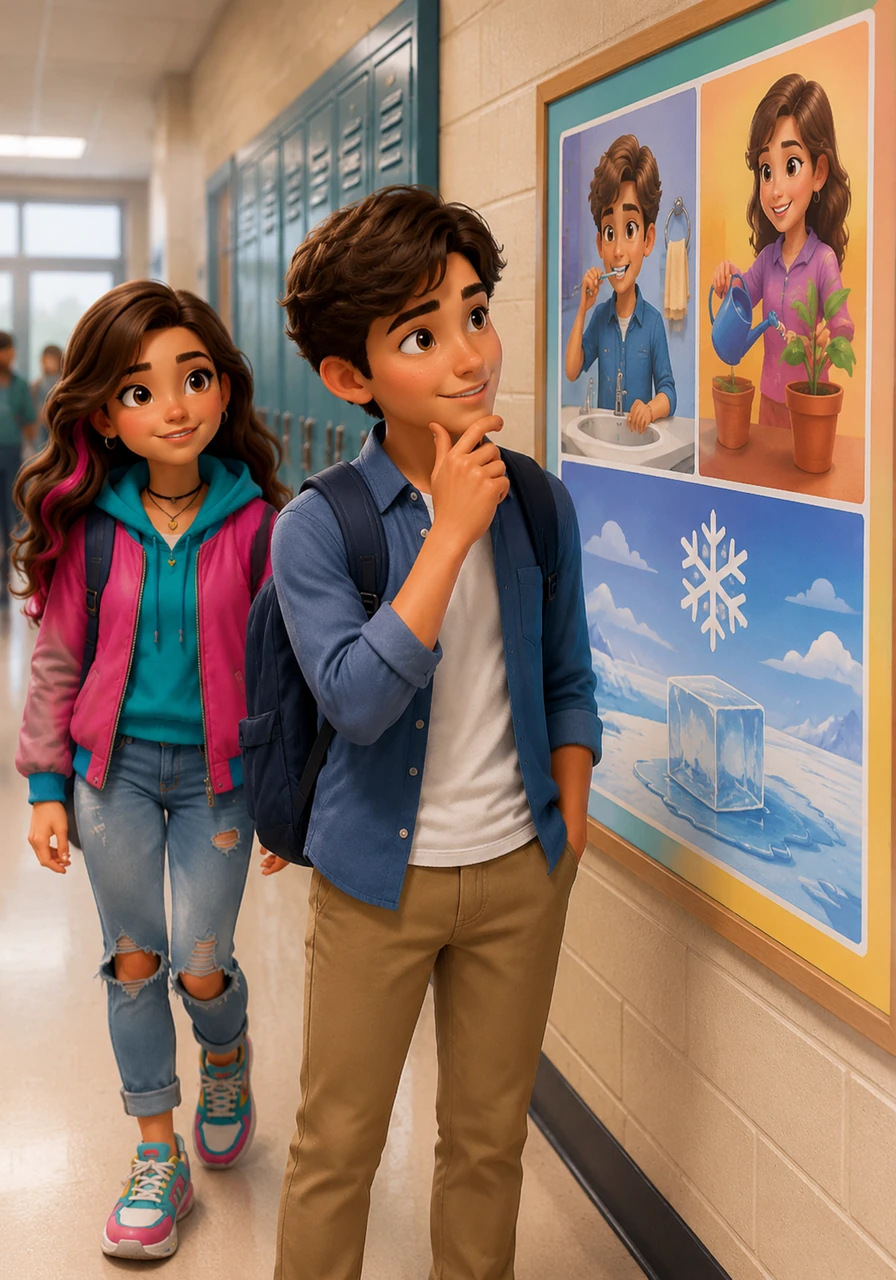
In the school hallway, Leo stops to look at a colorful grammar poster. It explains that we use the simple present for habits and facts, like how water freezes at zero degrees. He realizes that grammar is actually all around him in his daily life.
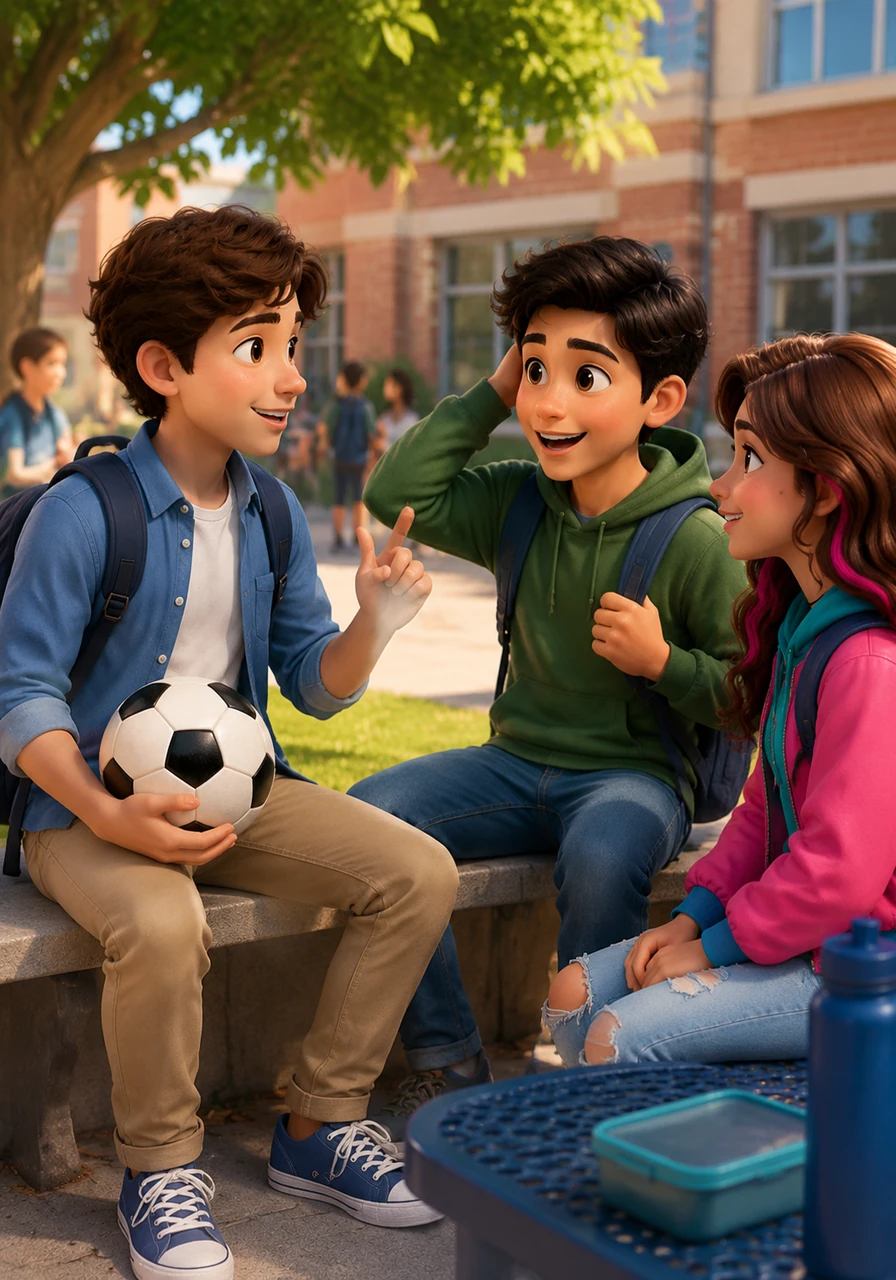
During their break, Leo’s friend Ben says, 'My brother play soccer every Friday.' Leo smiles and reminds him to add an 's' because his brother is the third person. Ben quickly corrects himself, saying, 'Right, my brother plays soccer!'
At lunch, the friends discuss their hobbies and what they avoid doing. Leo explains that he does not like spicy food, while Ben mentions he does not play video games on weekdays. They use negative forms to share their personal boundaries.
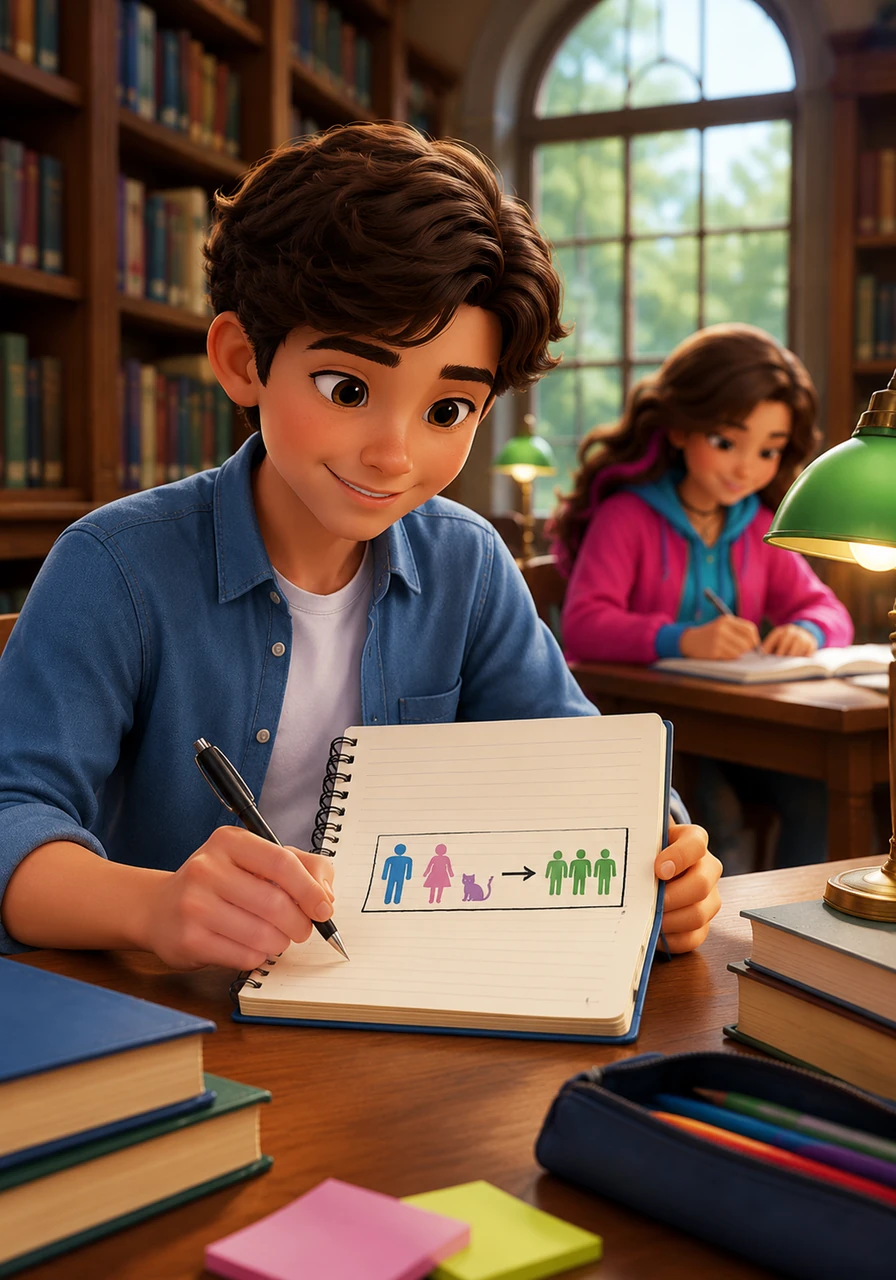
Leo sits in the library and opens a notebook that has a helpful rule box on the page. The box reminds him to use 'does not' for he, she, and it, while using 'do not' for everyone else. He takes a quick note to remember this for his upcoming English test.
Outside on the basketball court, Maya asks her teammate, 'Do you practice every afternoon?' Her teammate nods and asks, 'Does Leo join us today?' They use questions to learn more about each other's busy schedules.
In the evening, Leo hangs out with his friends at the park. They talk about how they always meet here on Fridays and usually stay until sunset. These signal words help them describe how often they enjoy their favorite activities together.
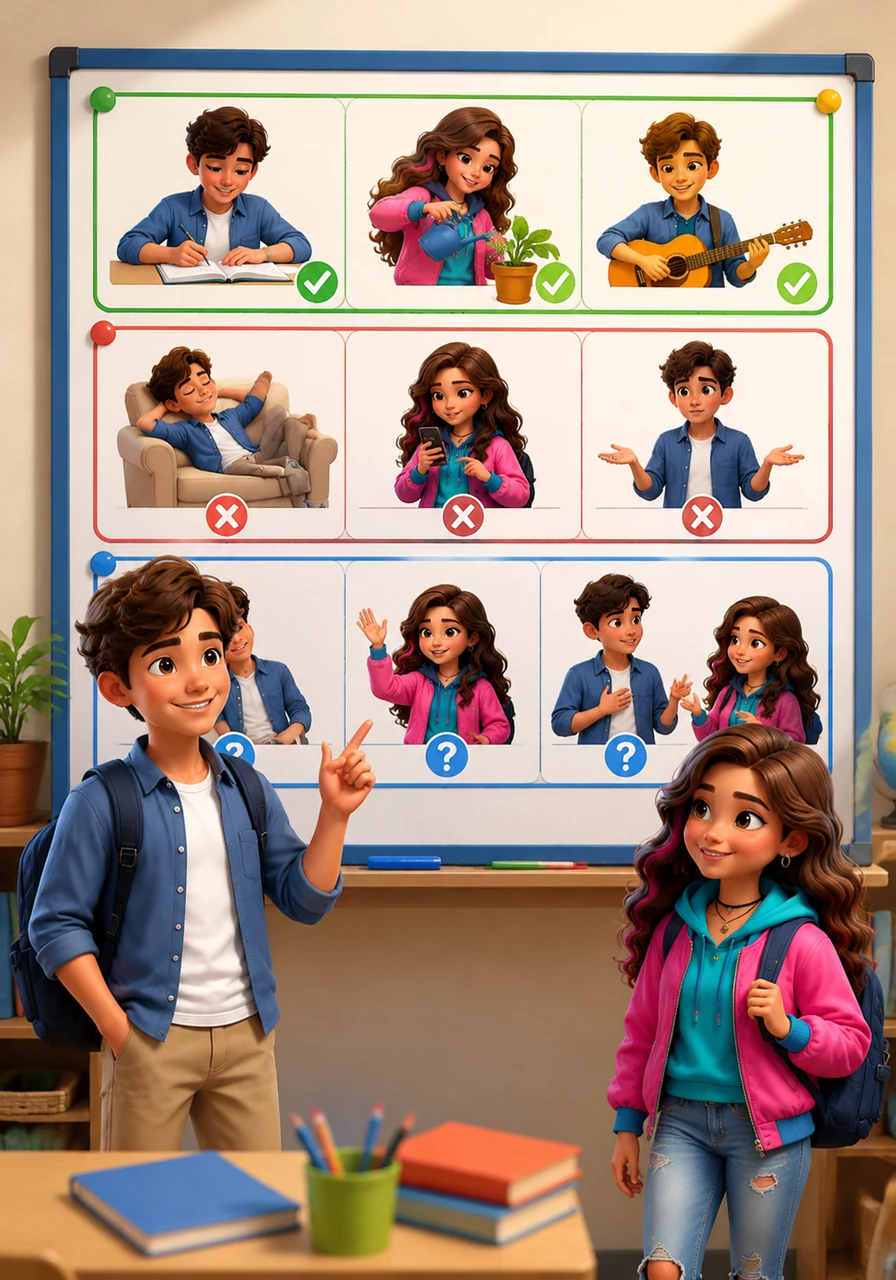
The day ends with a large, bright summary board in Leo’s classroom. It displays clear examples of affirmative sentences, negative forms, and questions. Leo feels confident knowing that the simple present tense is just a reflection of his everyday world.
Generation Prompt(Sign in to view the full prompt)
Create an engaging educational picture story for high school students that clearly teaches the rules of the Simple Present Tense through a relatable daily-life narrative. Design the story as a sequence of 8–10 colorful illustrated scenes featuring teenage characters in familiar settings such as home, school, hobbies, and social activities. Each scene should include short dialogues or captions using Simple Present Tense correctly. Requirements: Focus on explaining: Daily routines and habits (e.g., “Sara wakes up at 6 a.m.”) General truths (e.g., “The sun rises in the east.”) Likes and dislikes (e.g., “Ali likes football.”) Third-person singular rules (add -s / -es) Negative form (do not / does not) Questions (Do / Does) Highlight grammar patterns naturally within the story. Use clear visual examples showing actions and repetition. Include one character making common mistakes, then another character or teacher correcting them. Add grammar tips or mini rule boxes after every 2–3 scenes. Keep language simple, age-appropriate, and visually memorable. End with a summary page that reviews: Affirmative sentences Negative sentences Questions Common signal words (always, usually, every day, sometimes) Style: bright, modern comic-book or storyboard format, appealing to teenagers. Goal: Help students understand when and how to use the Simple Present Tense through storytelling, visuals, and repetition.