Designed specifically for adults seeking water confidence, this publication-ready guide transforms fear into clarity through the lens of physics, human physiology, and practical safety. Grounded in authoritative research, it offers a thoughtful, calm, and scientific path toward understanding how water behaves before taking your very first stroke.
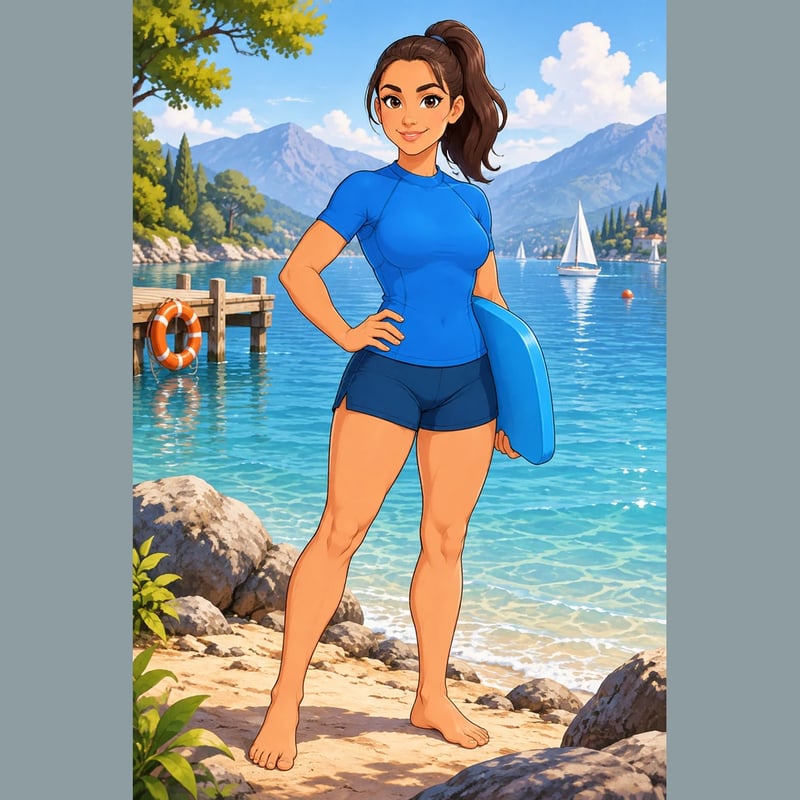
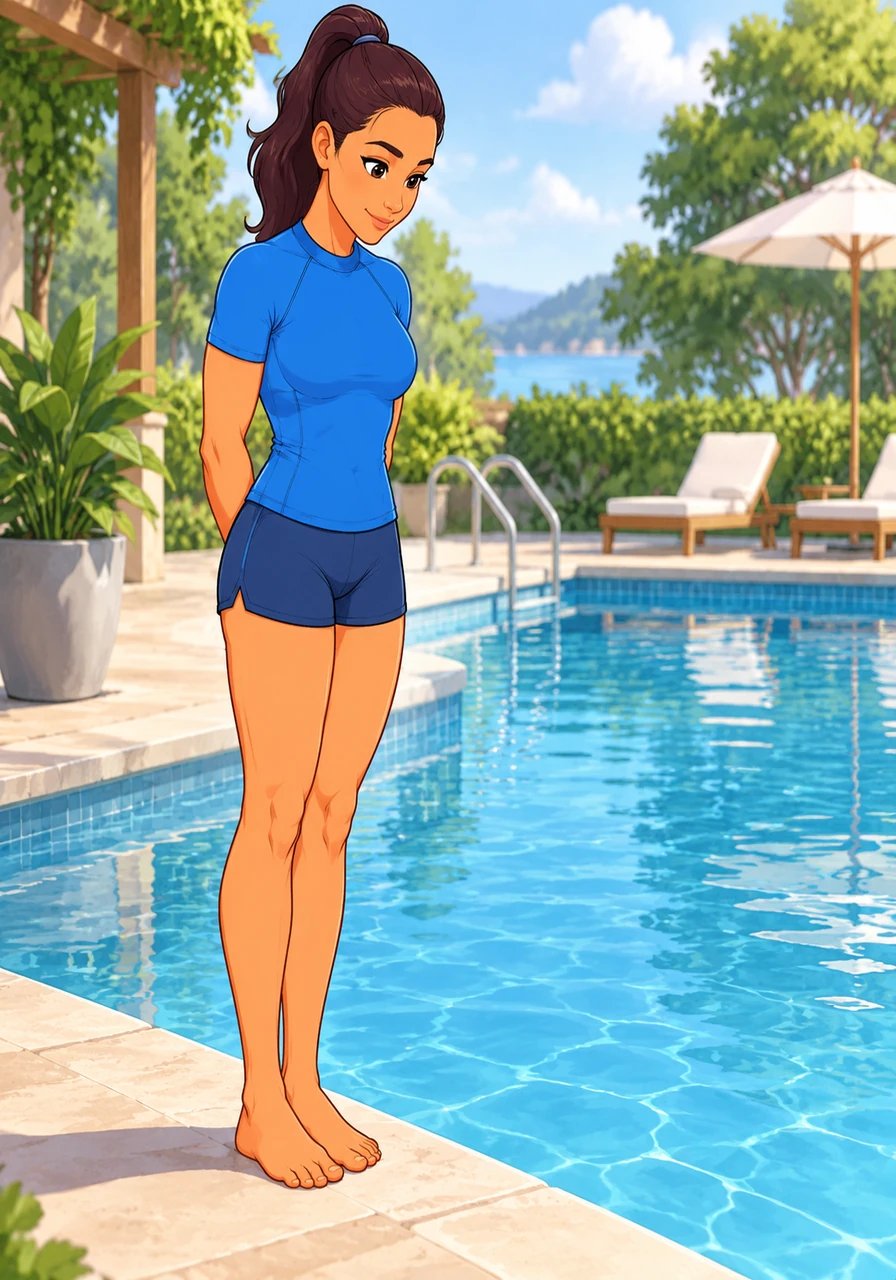
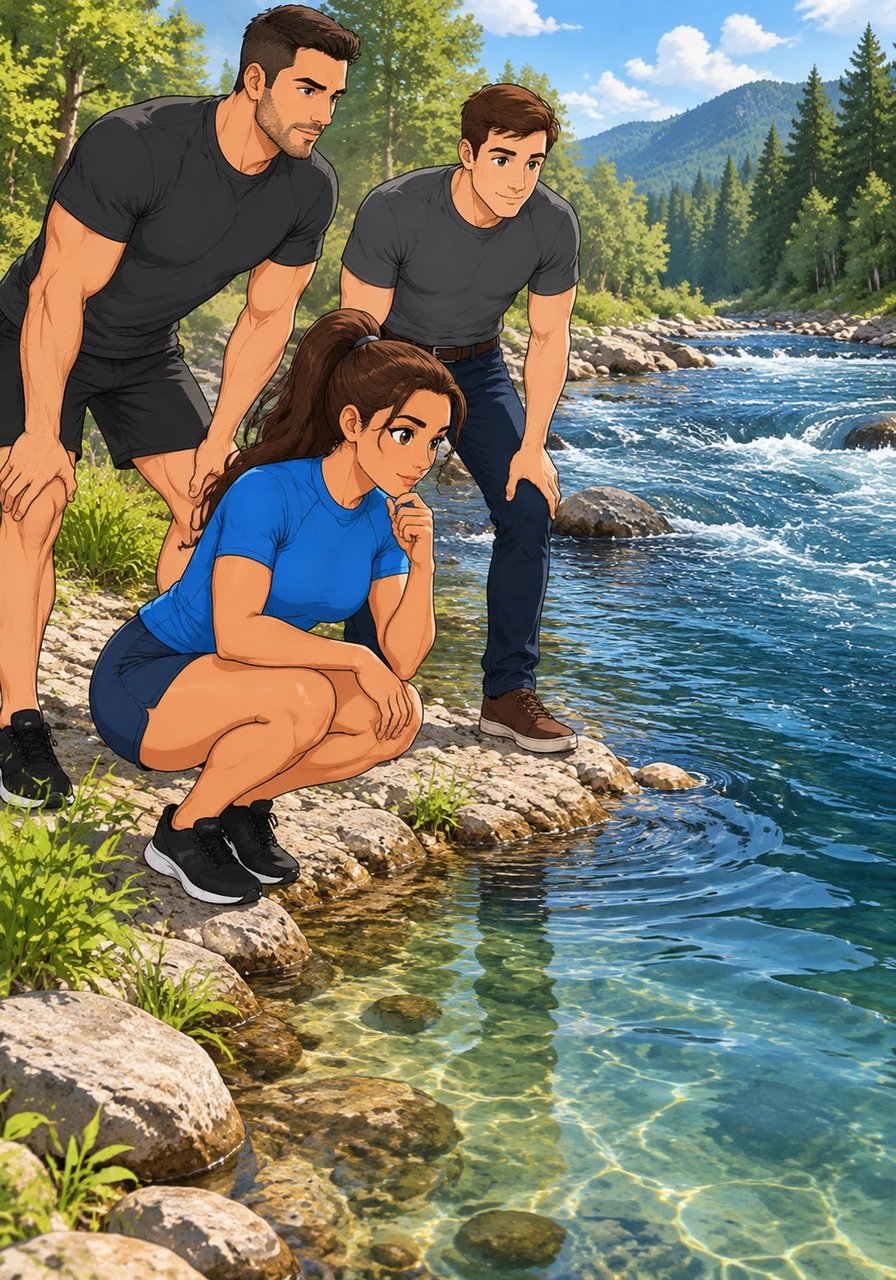
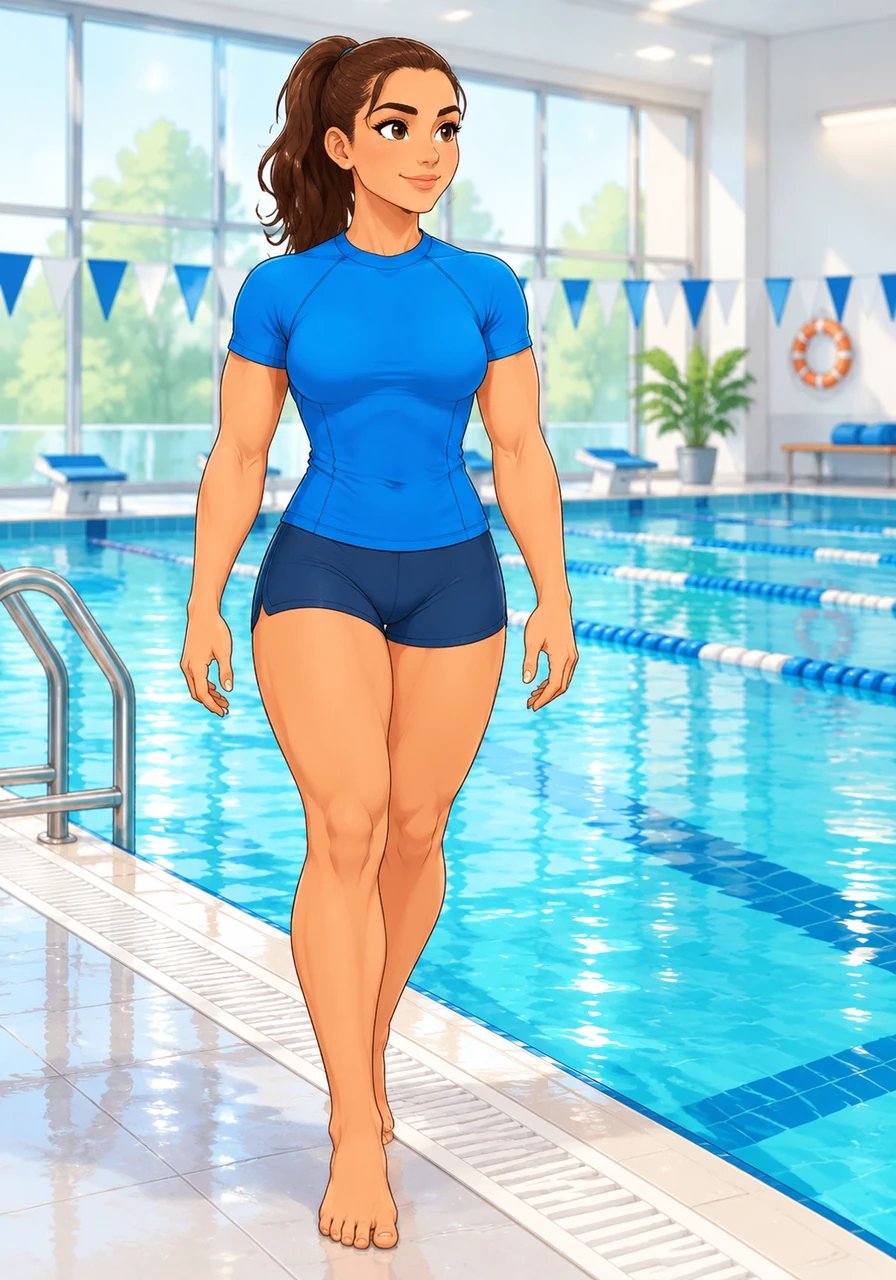
Elena stands near the quiet edge of a pool, reflecting on her lifelong hesitation around deep water. For years, water felt like an unpredictable force, but today marks a shift in her approach—moving away from apprehension and toward genuine understanding. She takes a calm breath, ready to explore the foundational physics and nature of water before taking a single stroke.
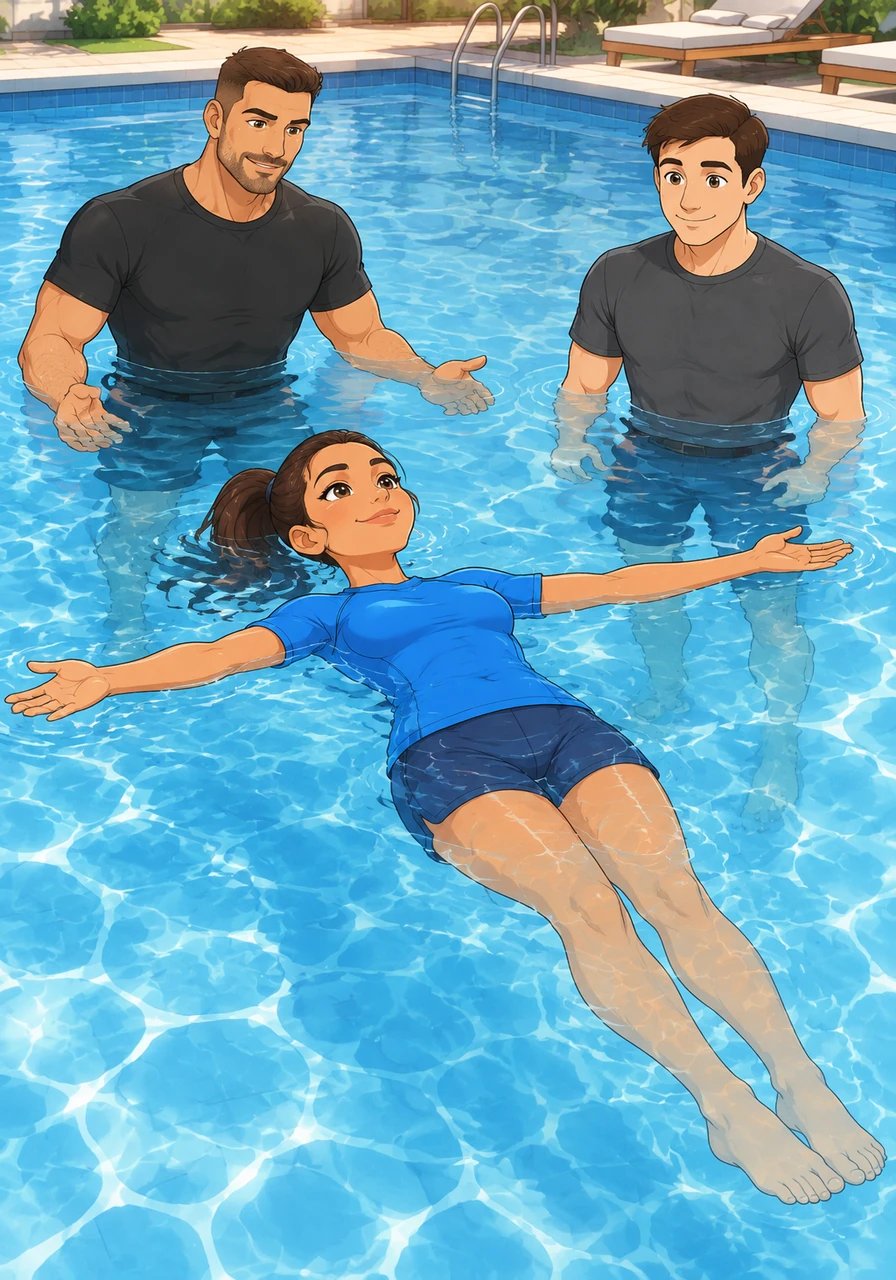
Water is a dense fluid composed of molecules that exert fluid pressure and upward force on immersed objects. When an object enters water, it displaces a volume of fluid equal to its own mass, creating an upward force known as buoyancy. Elena learns that the human body naturally floats when the lungs hold air and muscle tension is released.
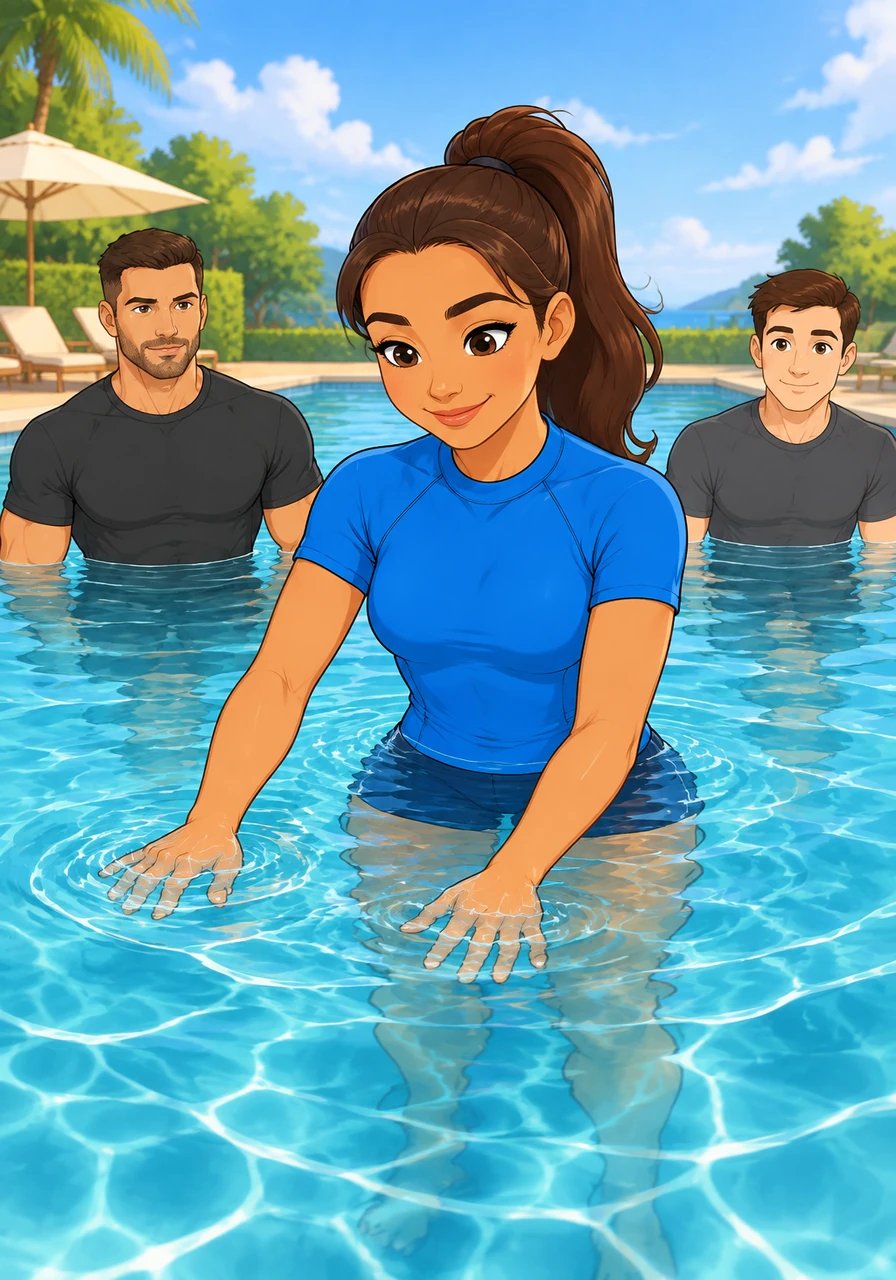
As Elena dips her hands into the clear pool, she feels hydrostatic pressure working equally against her skin from all directions. This pressure aids circulation and provides a constant, gentle sensation of tactile support across the body. Recognizing this physical property helps reframe water not as an obstacle, but as a supportive, responsive medium.
Water exists in diverse environments, each behaving according to its unique physical surroundings. While swimming pools provide controlled depth and transparent visibility, natural bodies of water like rivers and oceans feature varying contours and unseen currents. Elena studies how visual cues and environmental conditions dictate how one should prepare before entering any water body.
Waves and currents represent water in active motion, governed by wind, tides, and gravity. Understanding that currents flow in specific physical vectors allows individuals to respond calmly rather than fighting against the water's movement. Elena observes how fluid dynamics reward smooth, patient adjustments over tense, hurried reactions.
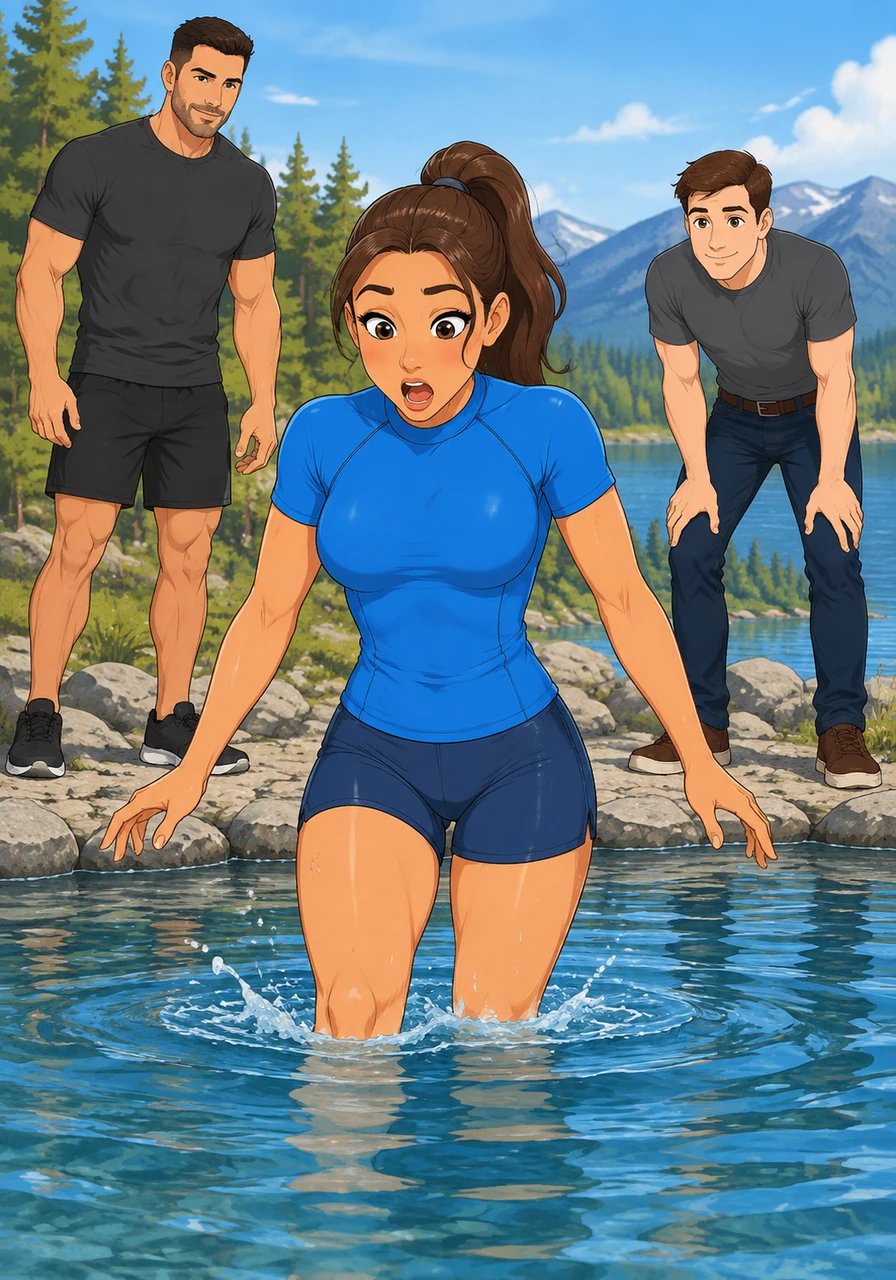
Temperature plays a critical role in how the human body reacts upon immersion in natural aquatic environments. Cold water can trigger involuntary physiological responses, such as sudden gasping or rapid breathing, known as cold water shock. Elena learns that knowing how temperature affects the nervous system allows a person to enter water deliberately and safely.
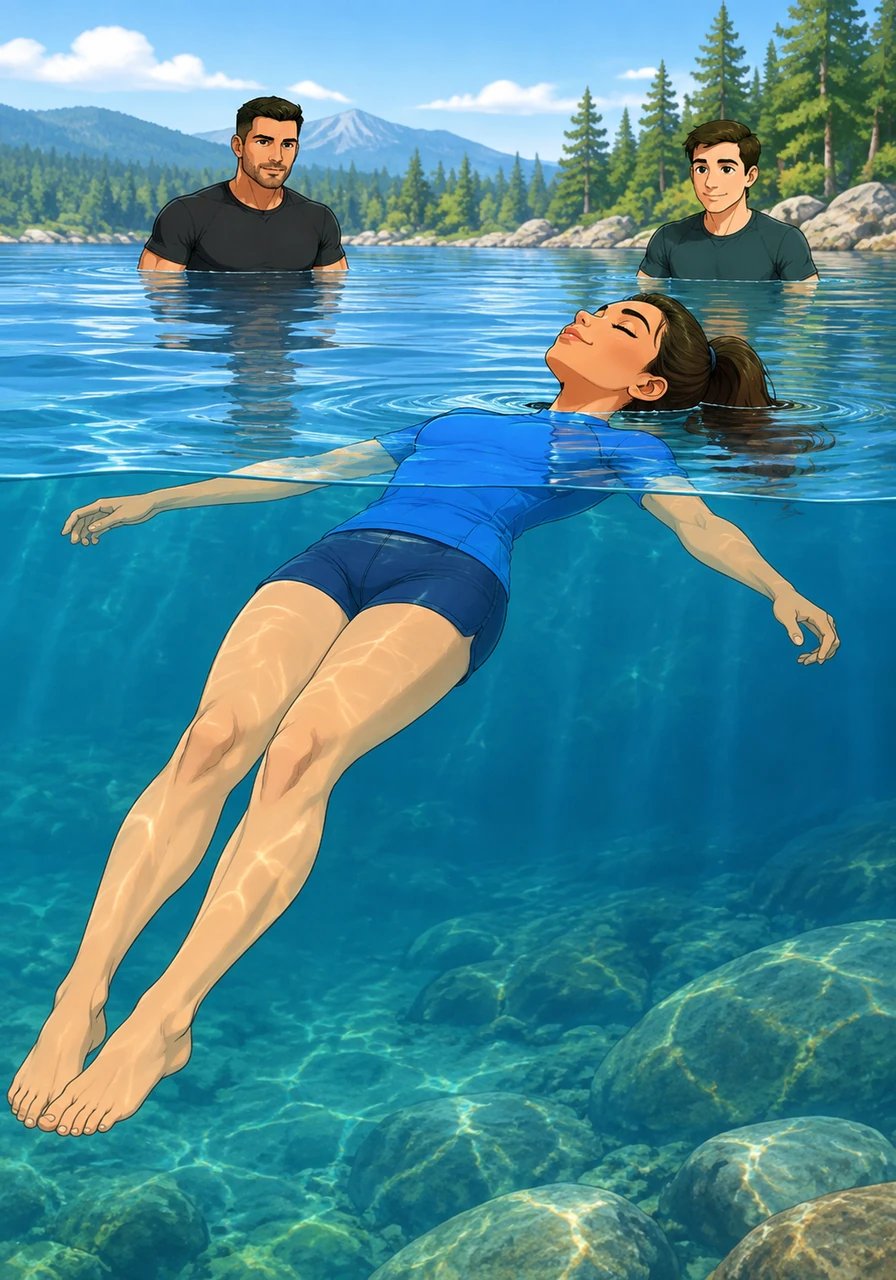
Floating is not an act of intense effort, but a state of dynamic equilibrium between body density and water displacement. By trusting the air within her lungs and keeping her neck relaxed, Elena experiences how the body naturally rests near the surface. Relaxation lowers overall tension, making effortless floating an attainable reality.
Safety in and around water begins with situational awareness, proper equipment, and respecting environmental boundaries. Understanding how to check depth, read localized warning flags, and utilize approved personal flotation devices creates a reliable safety foundation. True water confidence is rooted in knowledge, preparation, and knowing personal limits.
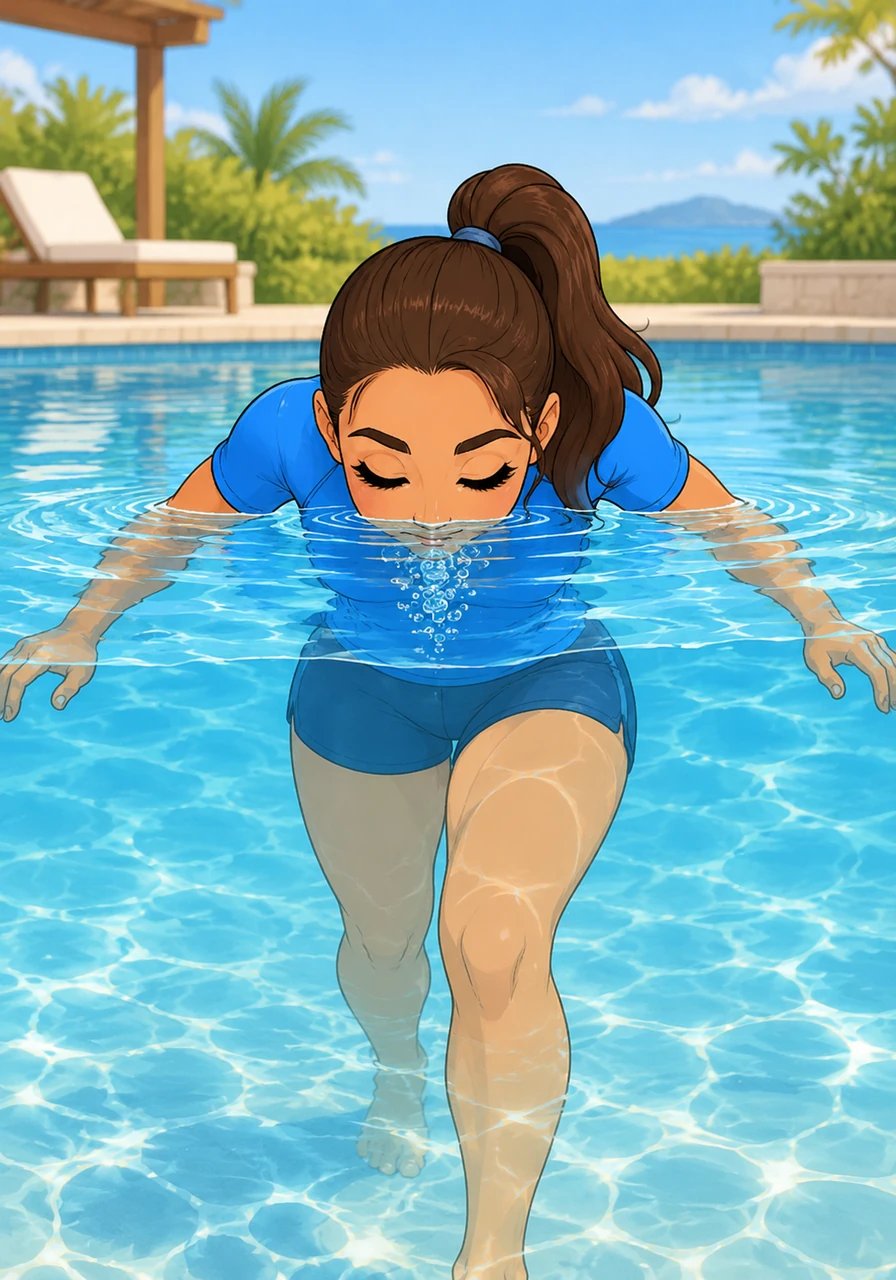
Stepping into shallow water with a newfound knowledge of fluid dynamics, Elena feels entirely in control of her breath and posture. She practices slow rhythmic breathing, exhaling gently beneath the surface and inhaling calmly above it. Every movement feels grounded in science rather than fear, turning uncertainty into calm familiarity.
With a deep respect for water's physical properties, Elena looks out over the tranquil pool, fully prepared for formal swimming instruction. Understanding how water behaves has replaced anxiety with clarity, confidence, and peace of mind. She steps forward with certainty, knowing that knowledge is the true foundation for a lifetime of water safety.
Prompt di generazione(Accedi per vedere il prompt completo)
Create this book at a **professional, publication-ready level**. The book should look and read like a professionally written adult education book about water, water confidence, swimming and water safety — not like an AI-generated document. ### Writing style * Use clear, simple and natural English. * Write for adults, including complete beginners and people who are afraid of water. * Use a professional, knowledgeable and trustworthy tone. * Explain scientific concepts accurately but in easy language. * Avoid unnecessary technical terminology. * When a technical term is necessary, explain it immediately in simple English. * Use varied sentence structures and vocabulary so the book does not feel repetitive. * Do not repeat the same message unnecessarily. * Make each chapter interesting, useful and memorable. * Use realistic examples that help the reader understand the subject. * Do not use childish language. * Do not make exaggerated promises about learning to swim. ### Educational quality * Organize information logically. * Build knowledge gradually from basic water concepts to more advanced topics. * Clearly distinguish between facts, explanations, examples and safety advice. * Use reliable scientific and water-safety information. * Do not invent facts, statistics or scientific claims. * Prioritize authoritative sources such as government agencies, scientific institutions and recognized water-safety organizations. * Include a professional Sources & Further Reading section. ### Book philosophy The central philosophy is: **Before you learn to swim, learn to understand the water.** The reader should first understand: 1. What water is 2. How water behaves 3. Where water exists 4. How water moves 5. How temperature, depth, waves and currents affect water 6. How the human body responds to water 7. How to stay safe in and around water 8. Only then, how to begin learning to swim ### Professional design * Use a premium, modern and elegant editorial design. * Create a calm water-inspired visual identity. * Use a sophisticated combination of deep blue, soft blue, white and neutral tones. * Use high-quality realistic water photography or realistic educational illustrations. * Avoid childish cartoons, clip-art and generic stock-looking graphics. * Use consistent typography throughout the entire book. * Use clear hierarchy for titles, headings, subheadings and body text. * Maintain generous spacing and strong visual balance. * Keep pages clean and uncluttered. * Make diagrams simple, accurate and easy to understand. * Keep the visual style consistent from the first page to the last. ### Reader experience Every chapter should contain: * A strong opening * Clear explanations * Real-life examples where useful * Important facts * Practical understanding * Reflection questions where appropriate * A short “Remember” or “Key Takeaway” section The reader should finish each chapter thinking: **“I understand water better than I did before.”** The final book should feel **professional, trustworthy, educational, modern and worth keeping**, rather than something created quickly by AI.