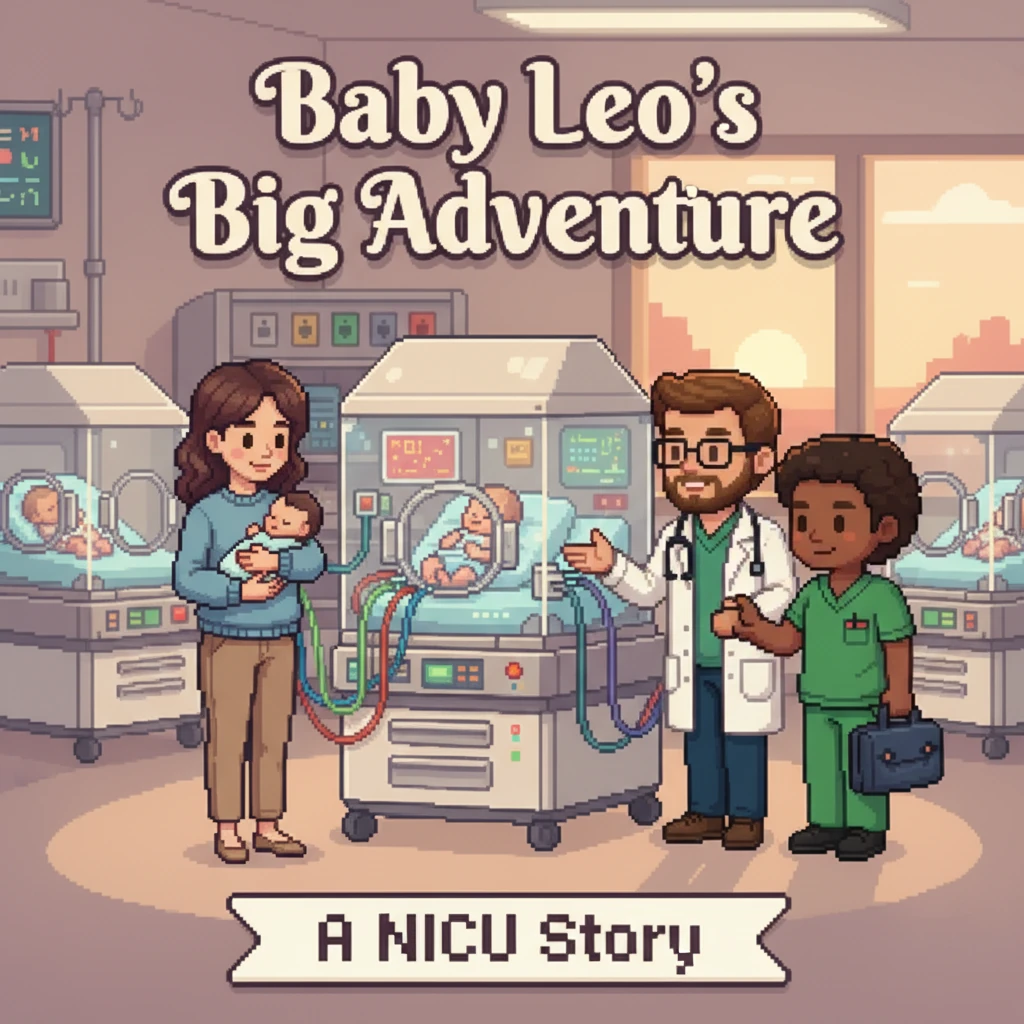
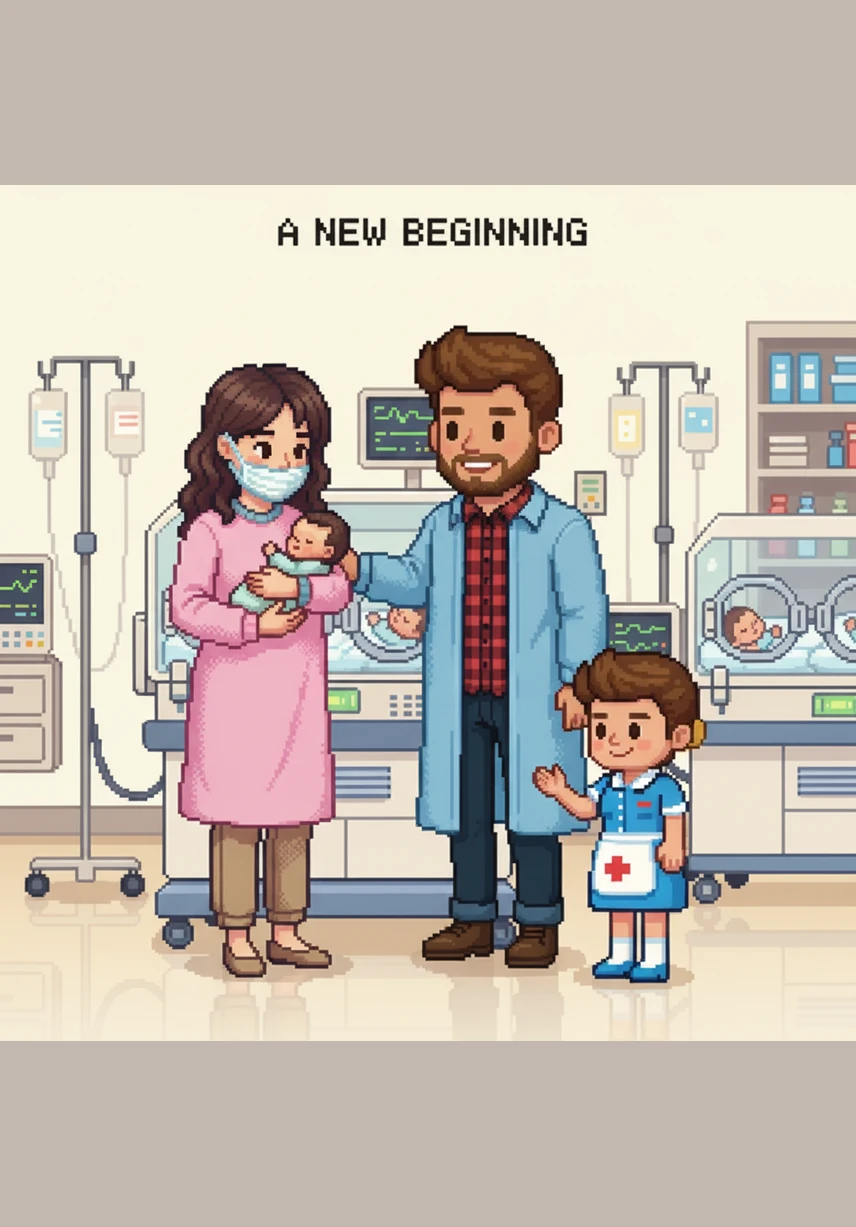
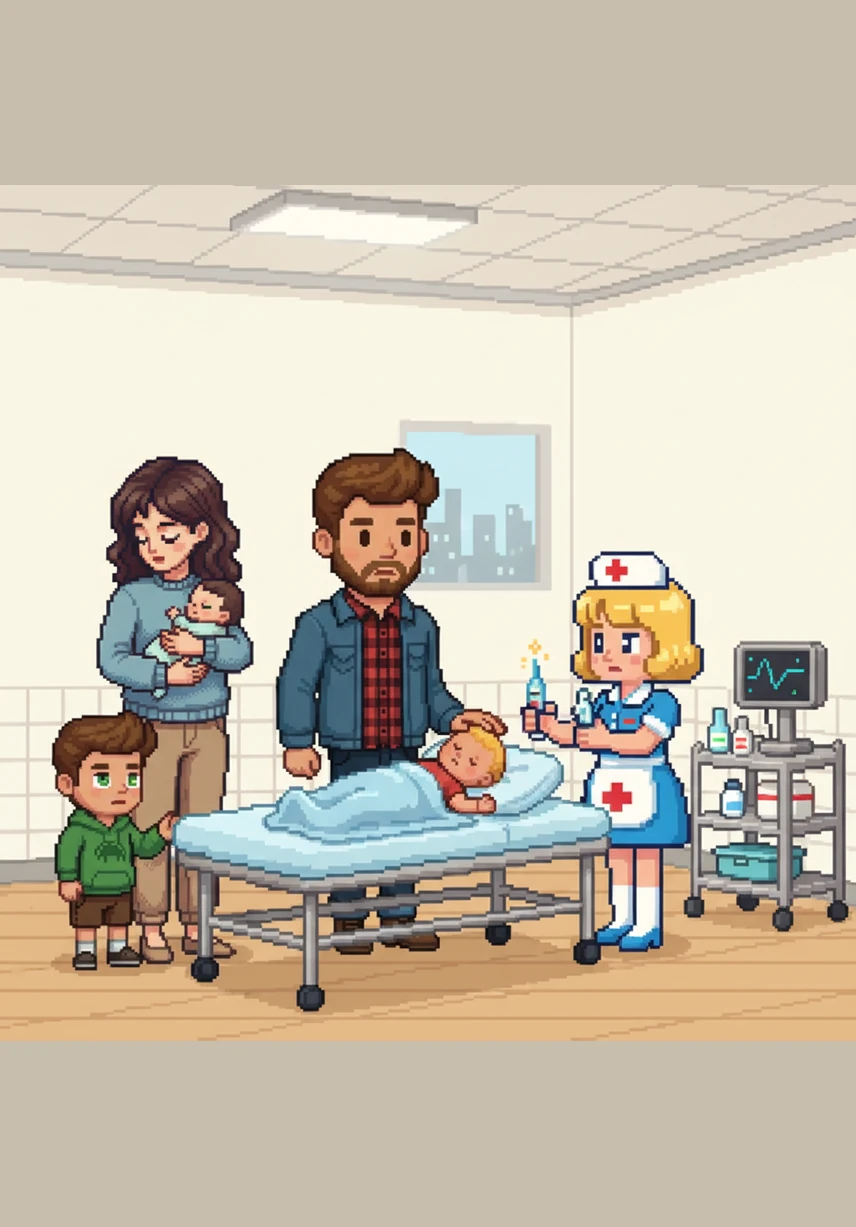
A heartwarming journey through the Neonatal Intensive Care Unit, where a tiny baby and his parents discover the power of family-centered care. This touching story highlights the bond between parents and their newborns, showing how love and involvement can help the smallest fighters grow strong.
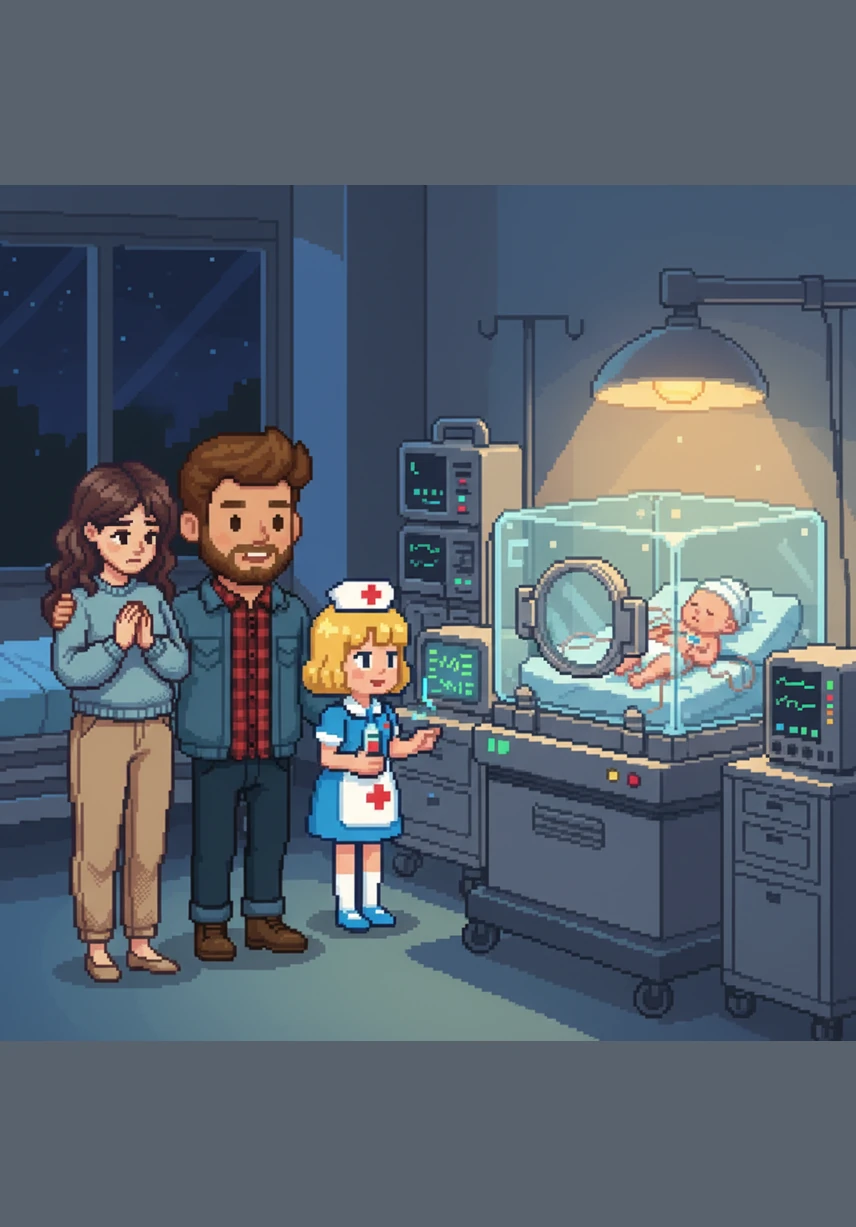
In a quiet room filled with soft blue lights and humming machines, Sarah and Mark stand beside a glass incubator. Inside, their tiny baby boy, Leo, sleeps under a warm light, looking smaller than they ever imagined.
A kind nurse named Maya walks over with a gentle smile, noticing the worry on the parents' faces. She speaks softly, telling them that it is okay to feel scared and that many parents feel exactly the same way.
Maya explains that Sarah and Mark are not just visitors, but essential members of Leo’s care team. She introduces them to family-centered care, where parents and medical staff work hand-in-hand for the baby’s health.
With a trembling hand, Sarah reaches through the small circular door of the incubator to touch Leo’s tiny foot. She is amazed by how soft he feels and realizes that even though he is small, he is incredibly strong.
Mark watches closely as Maya demonstrates how to wash their hands and handle the equipment safely. He feels a sense of relief knowing there are ways he can help protect Leo while still being close to him.
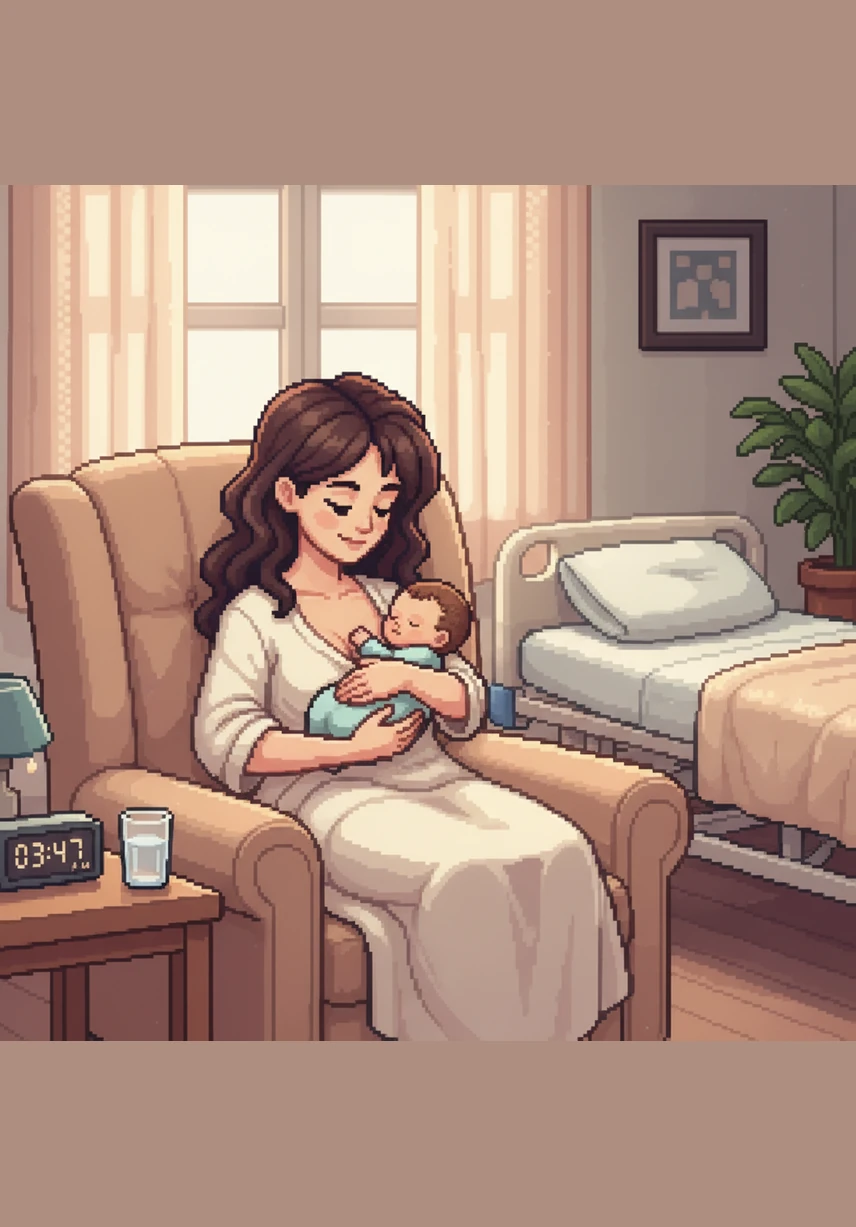
Maya helps Sarah settle into a comfortable chair and gently places Leo against her chest for skin-to-skin contact. As they sit heart-to-heart, Sarah feels a deep connection and notices Leo’s breathing become steady and calm.
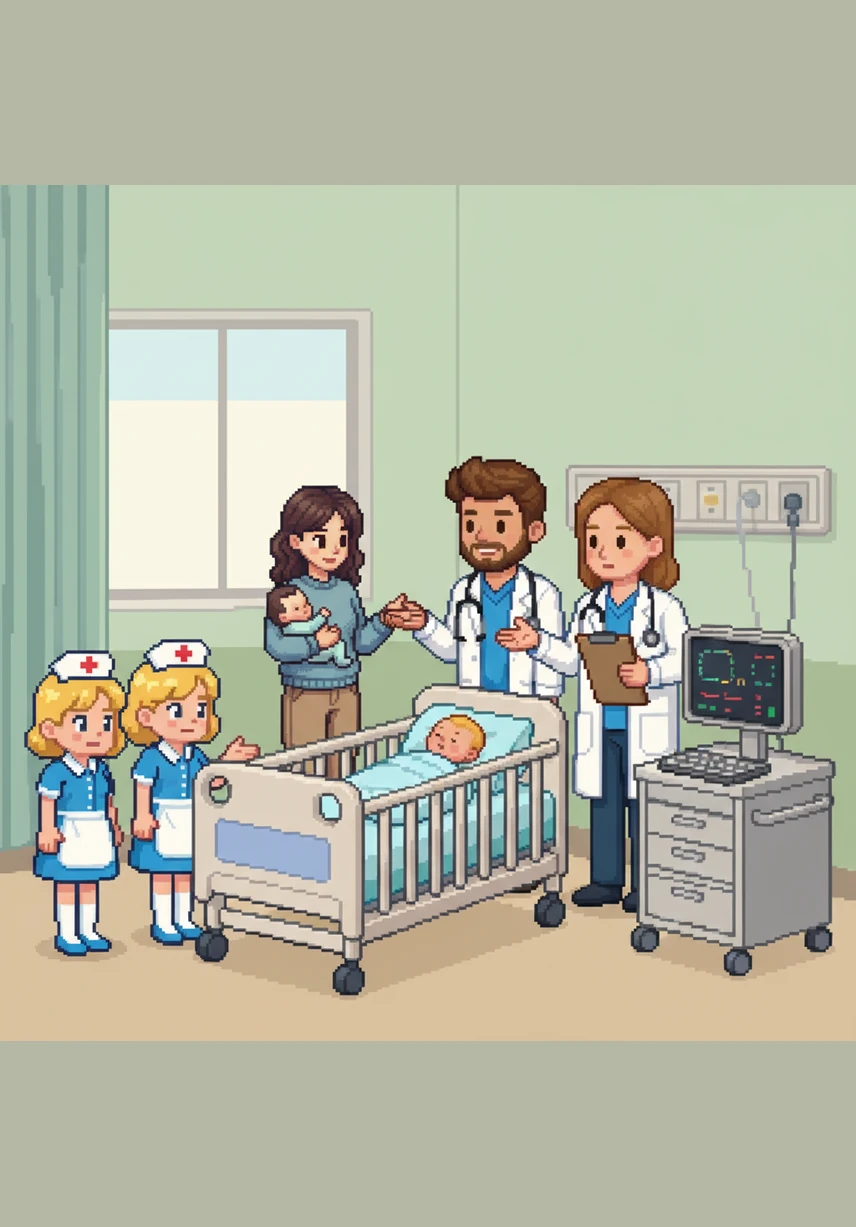
During morning rounds, Sarah and Mark stand with the doctors and nurses to discuss Leo’s progress for the day. They ask questions and share their observations, feeling proud to have a voice in their son's medical journey.
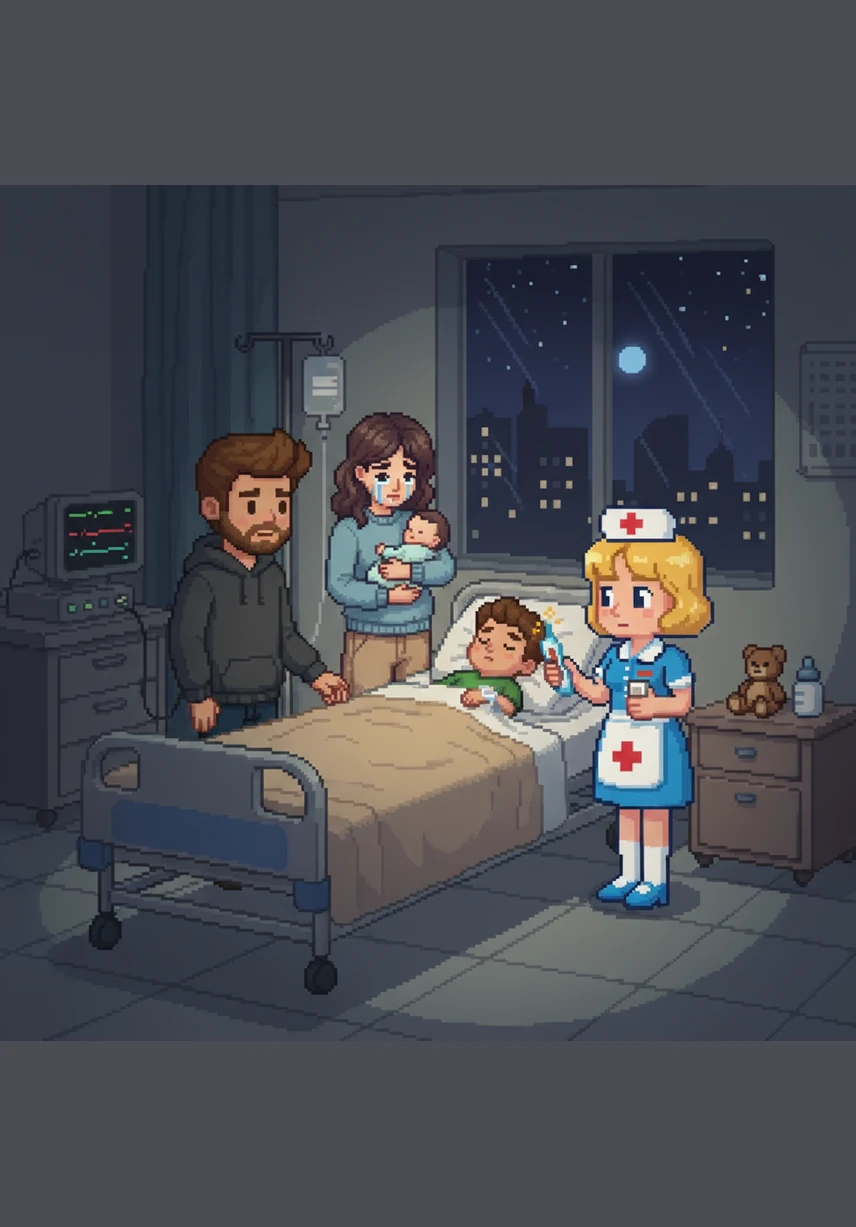
When it is time to rest at home, Mark records a sweet message on a tablet for the nurses to play for Leo. Even from a distance, the sound of his father’s voice provides comfort to the baby throughout the night.
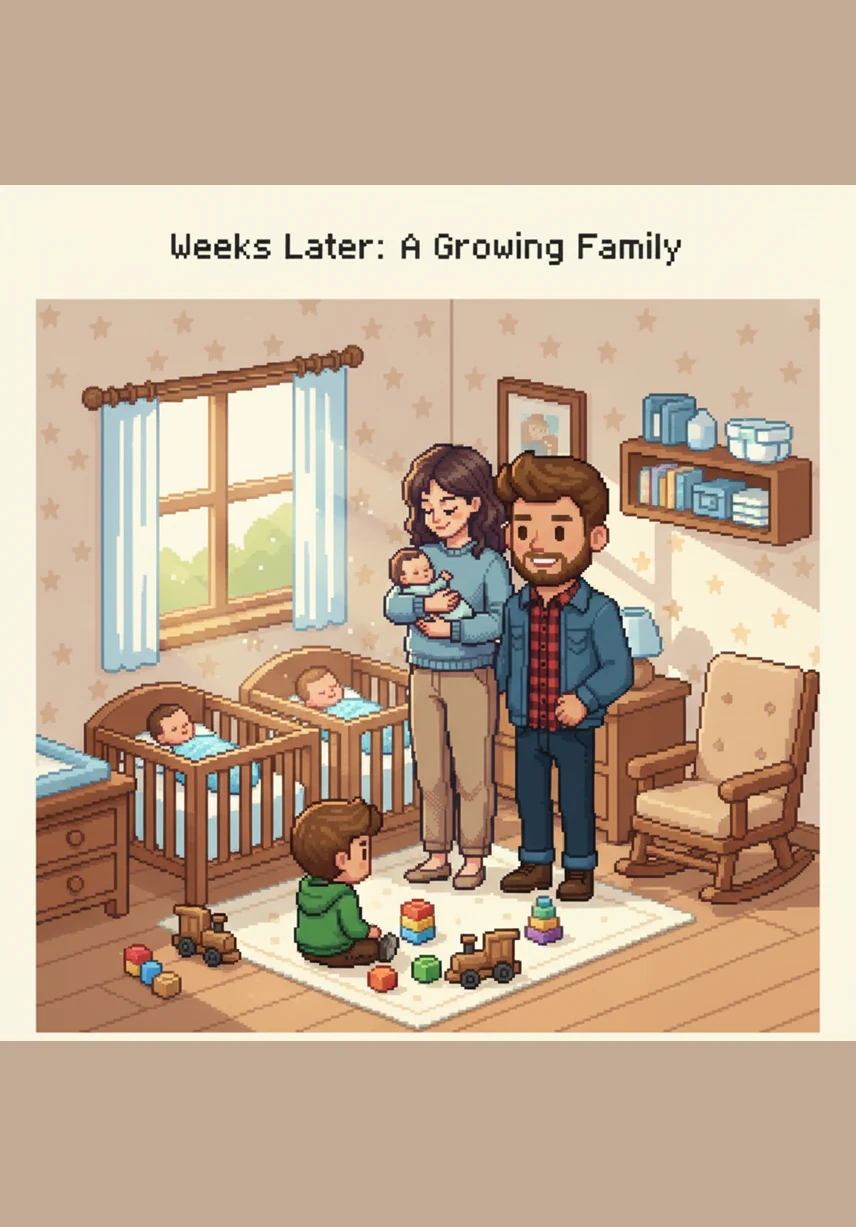
Days turn into weeks, and Leo begins to grow bigger and stronger, reaching new milestones every day. Sarah and Mark move with confidence now, changing tiny diapers and feeding Leo with practiced, loving hands.
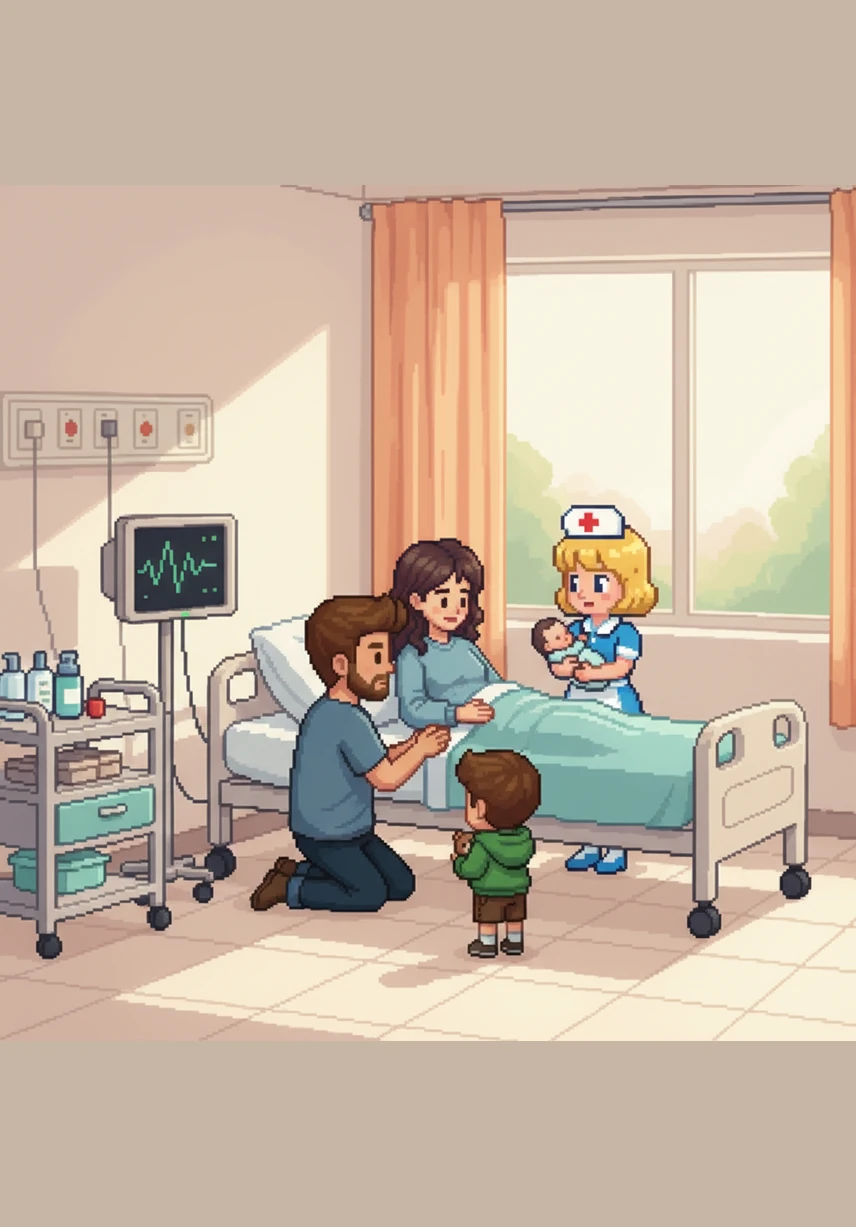
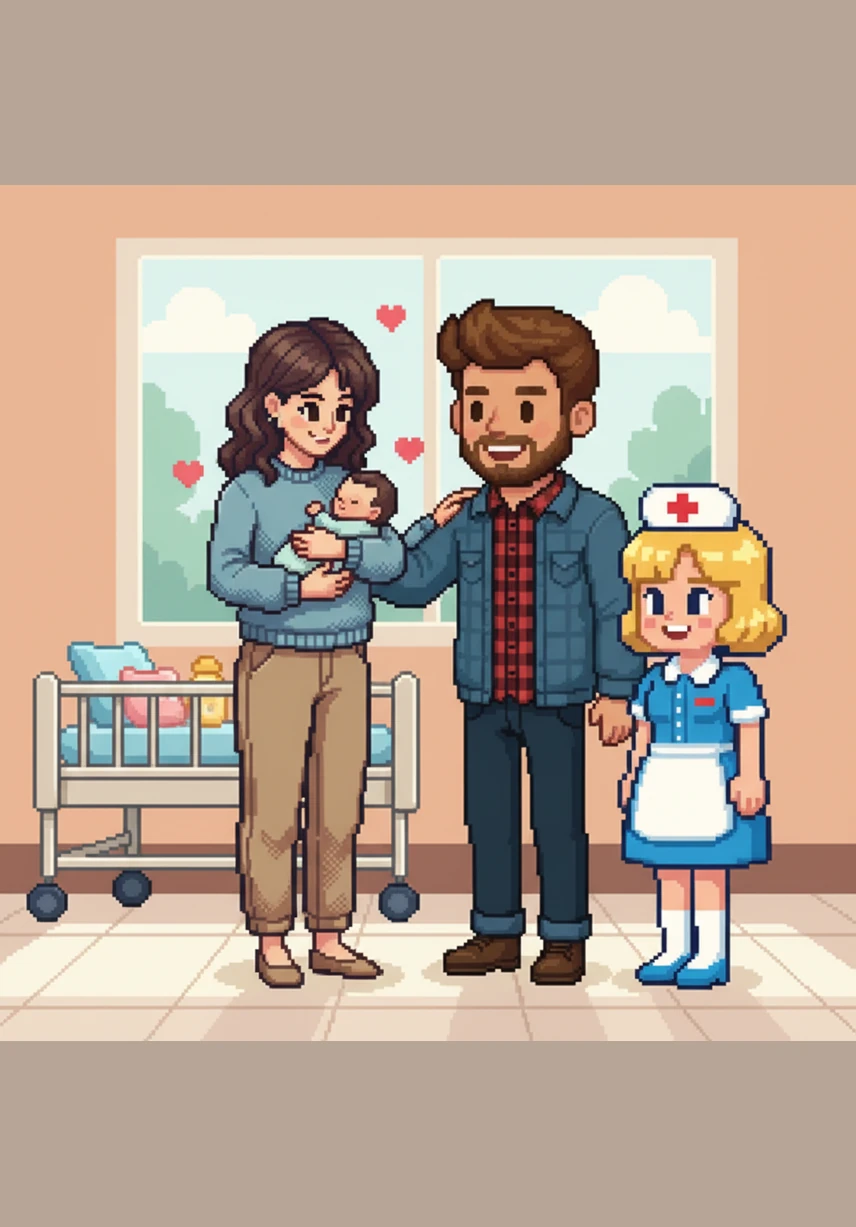
As they prepare for the day they can finally take Leo home, Sarah smiles warmly at Nurse Maya. They realize that by working together with the hospital team, they have built a foundation of love that will last a lifetime.
Prompt de geração(Faça login para ver o prompt completo)
Title: Together in the NICU The Neonatal Intensive Care Unit, or NICU, is a special place where premature and critically ill babies receive life-saving care. While the machines and medical treatments may seem overwhelming, there is something just as important happening here—families being part of their baby’s journey. One day, a mom and dad stood quietly beside their baby’s incubator. “He looks so small…” Mom whispered. “I’m scared to even touch him.” Dad nodded. “Are we even allowed to help?” A nurse walked over with a gentle smile. “It’s completely normal to feel this way. Many parents feel anxious in the NICU—you’re not alone. In fact, more than half of parents feel this kind of worry.” (Hendy et al., 2024). The parents looked at her, unsure. “But,” the nurse continued, “you are an important part of your baby’s care. Here, we practice something called family-centered care.” “Family-centered care?” Mom asked. “Yes,” the nurse said. “It means you are our partners. We work together to care for your baby. You’re not just visitors—you’re part of the team.” Slowly, Mom reached her hand into the incubator. “You can touch your baby,” the nurse reassured her. “I’ll show you how to do it safely.” Dad hesitated. “What about infections?” “That’s a great question,” the nurse said. “As long as we follow proper hand hygiene and NICU safety practices, it’s safe for you to be involved. We’ll guide you every step of the way.” (Ommert et al., 2025) Then the nurse added, “One of the most powerful things you can do is skin-to-skin contact.” She gently helped Mom hold her baby close against her chest. “I feel closer to him already,” Mom said softly. “That’s because you are,” the nurse replied. “Being involved like this helps your baby grow stronger—and it helps you feel more confident as parents.” (Tiryaki et al., 2024). Over the next few days, the parents became more involved. They joined the healthcare team during daily rounds, asking questions and helping make decisions about their baby’s care. (Grzyb et al., 2014). “We want you to be part of every step,” the nurse explained. “Your voice matters.” Sometimes, when they couldn’t be at the hospital, the NICU team helped them stay connected. “We can set up video calls,” the nurse said, holding up a tablet. “And you can record your voices for your baby.” (Hodgson et al., 2025) Dad smiled as he recorded a message. “Hi little one… we love you so much.” Even when they weren’t there, their baby could still hear them. As time passed, the parents began to feel more comfortable and confident. Their stress slowly decreased (Hodgson et al., 2025; Liu et al., 2026), and their bond with their baby grew stronger (Mirlashari et al., 2021; Tiryaki et al., 2024). Family-centered care made a difference—not just emotionally, but physically too. Babies whose families are involved often gain weight more quickly, begin breastfeeding sooner, and may even go home earlier (Hodgson et al., 2025; Liu et al., 2026; Tiryaki et al., 2024). Parents also feel more prepared to care for their baby once they leave the hospital (Tiryaki et al., 2024). One day, Mom looked at the nurse and smiled. “We’re really part of his care, aren’t we?” The nurse nodded. “You always have been.” In the NICU, families and healthcare teams work side by side—communicating, supporting, and making decisions together. Because when parents are included, babies thrive, families grow stronger, and the journey becomes a little less overwhelming. In this special place, the best care happens when we care together.