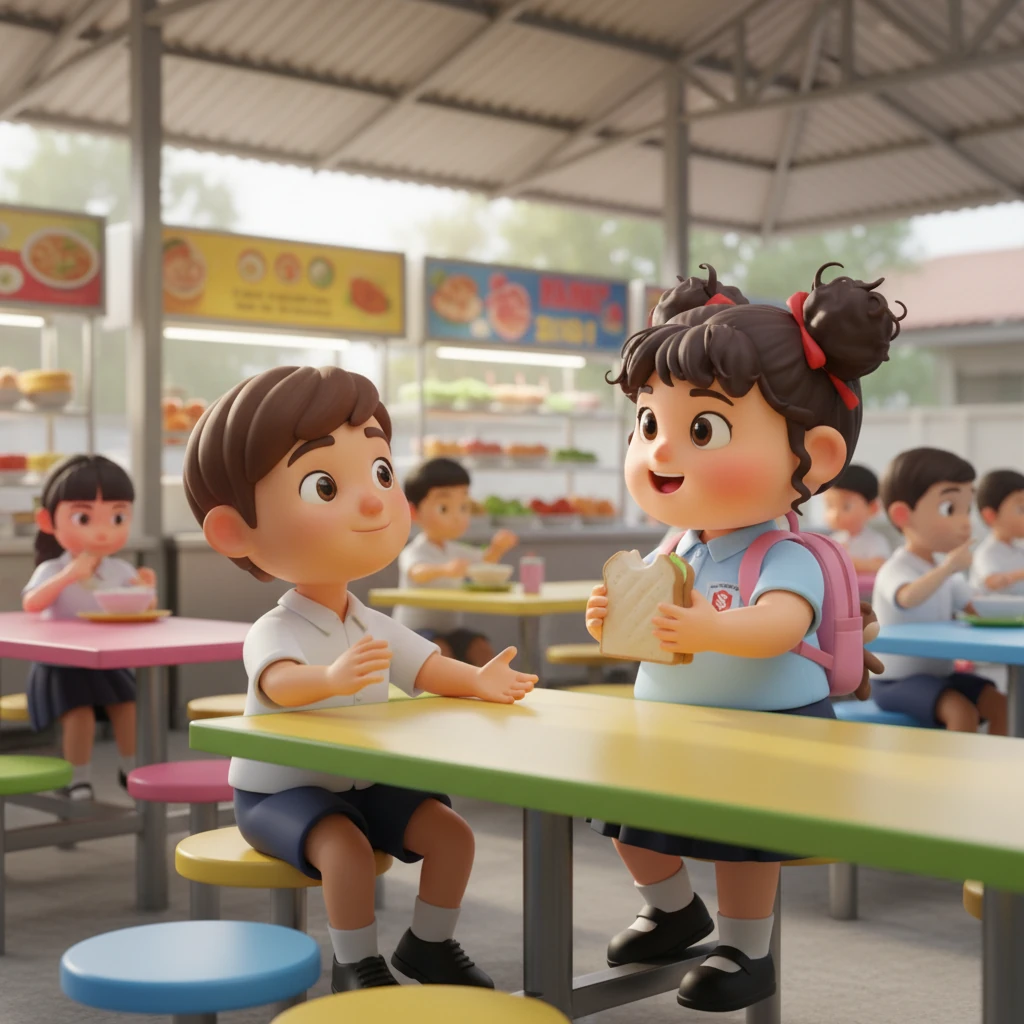
Join young Greg in the vibrant village of Crooked Tree, Belize, as he embarks on an exciting journey to understand how his country chooses its leaders. Through engaging conversations with his family and a visit to a bustling polling station, Greg discovers the power of democracy, the importance of every vote, and the pride of being part of a nation where the people's voices shape the future. This heartwarming tale illuminates the magic of civic participation and the dream of one day making a mark.
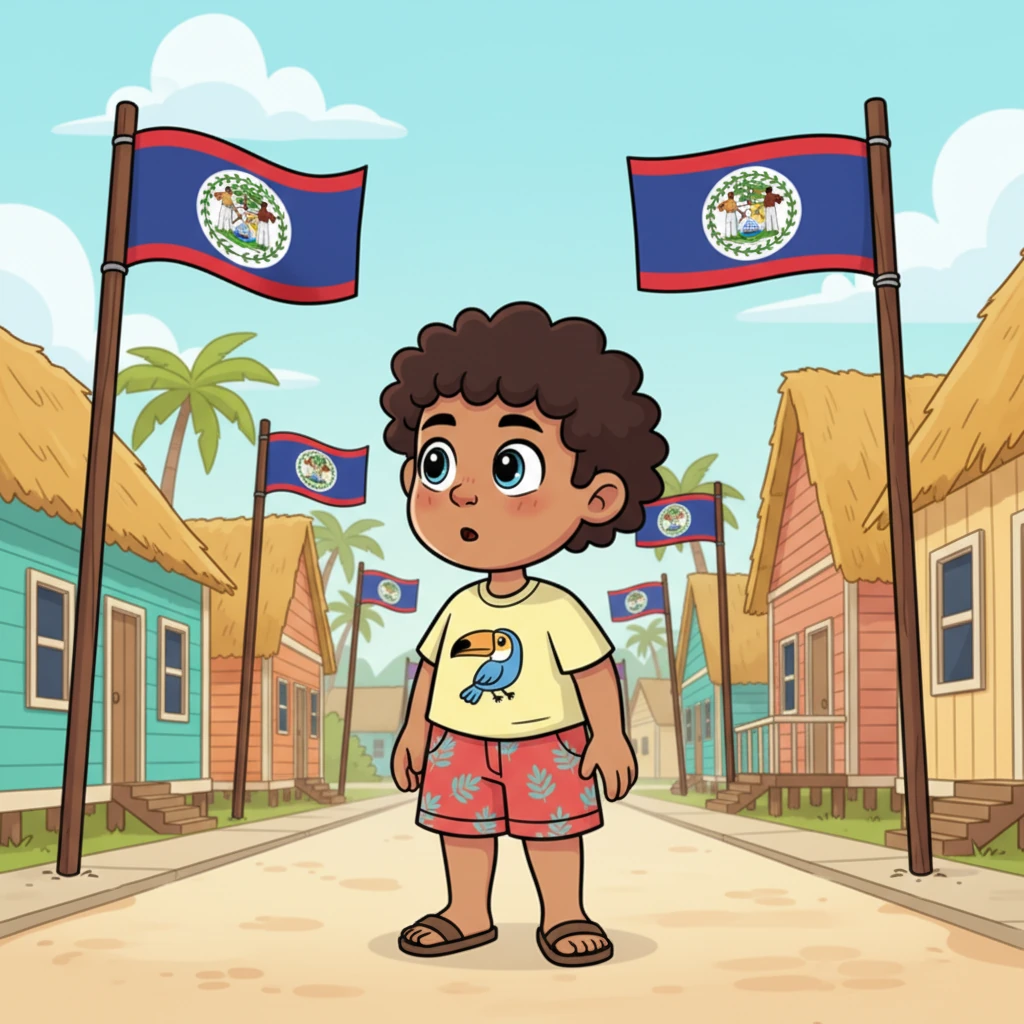
The small Belizean village of Crooked Tree buzzed with excitement. Bright red and blue flags, adorned with the national emblem, fluttered joyfully on almost every lamppost and house. Twelve-year-old Greg, with wide, curious eyes, watched the colorful display, wondering about all the hustle and bustle.
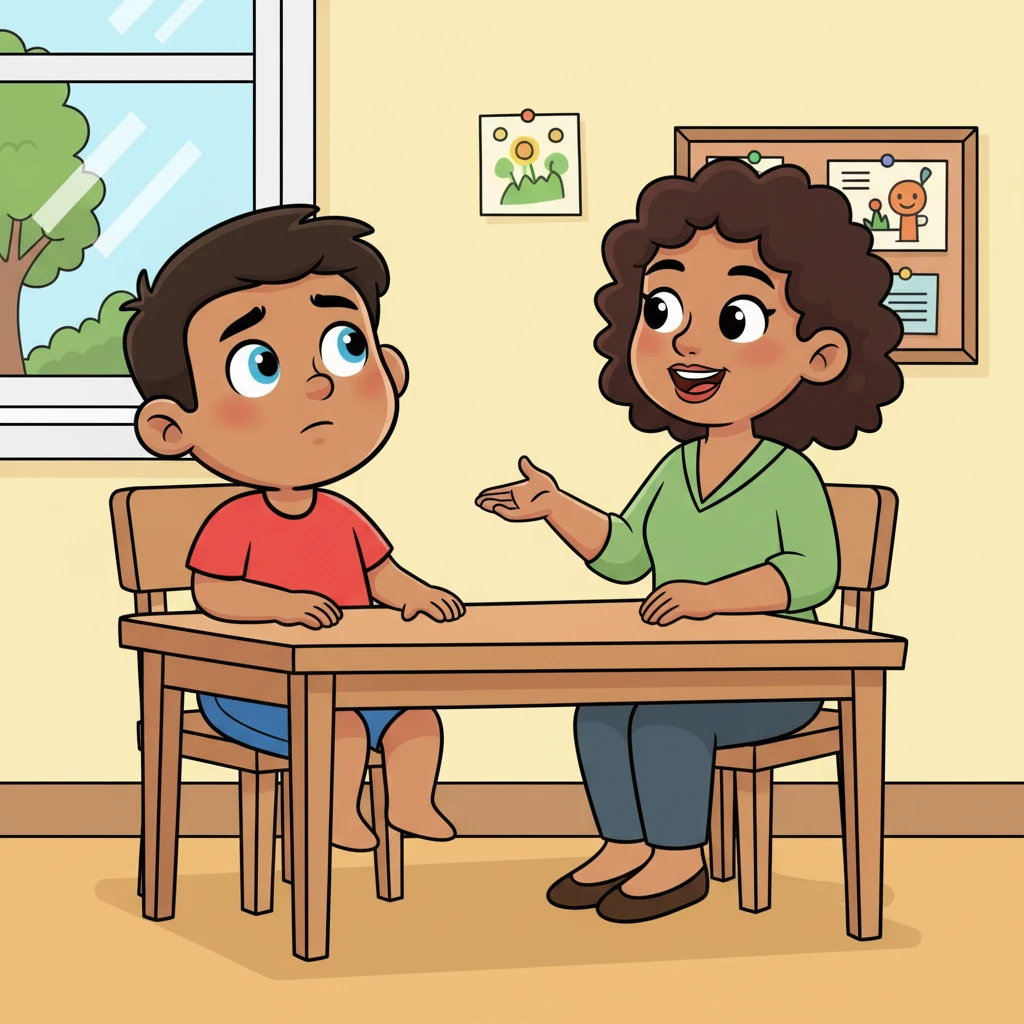
Greg sat at the kitchen table, a thoughtful frown on his face. "Mom," he asked, looking up at her, "how does Belize choose its leaders?" His mom, a warm smile gracing her lips, explained that Belize is a democracy where people choose their leaders by voting.
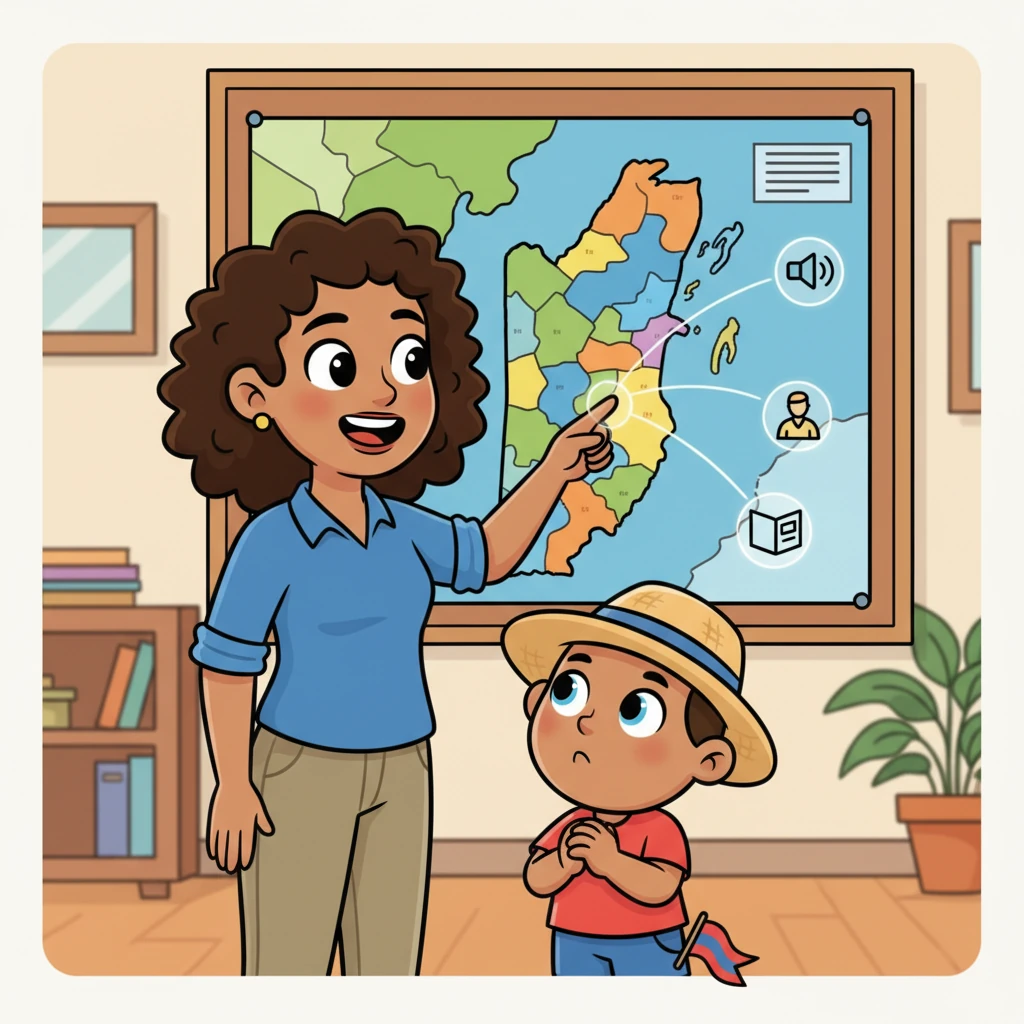
Mom pointed to a map, showing how the country is divided into constituencies. She explained that each area elects one person, called an Area Representative, to serve in the House of Representatives. Greg listened intently, his imagination picturing different parts of Belize each choosing their champion.
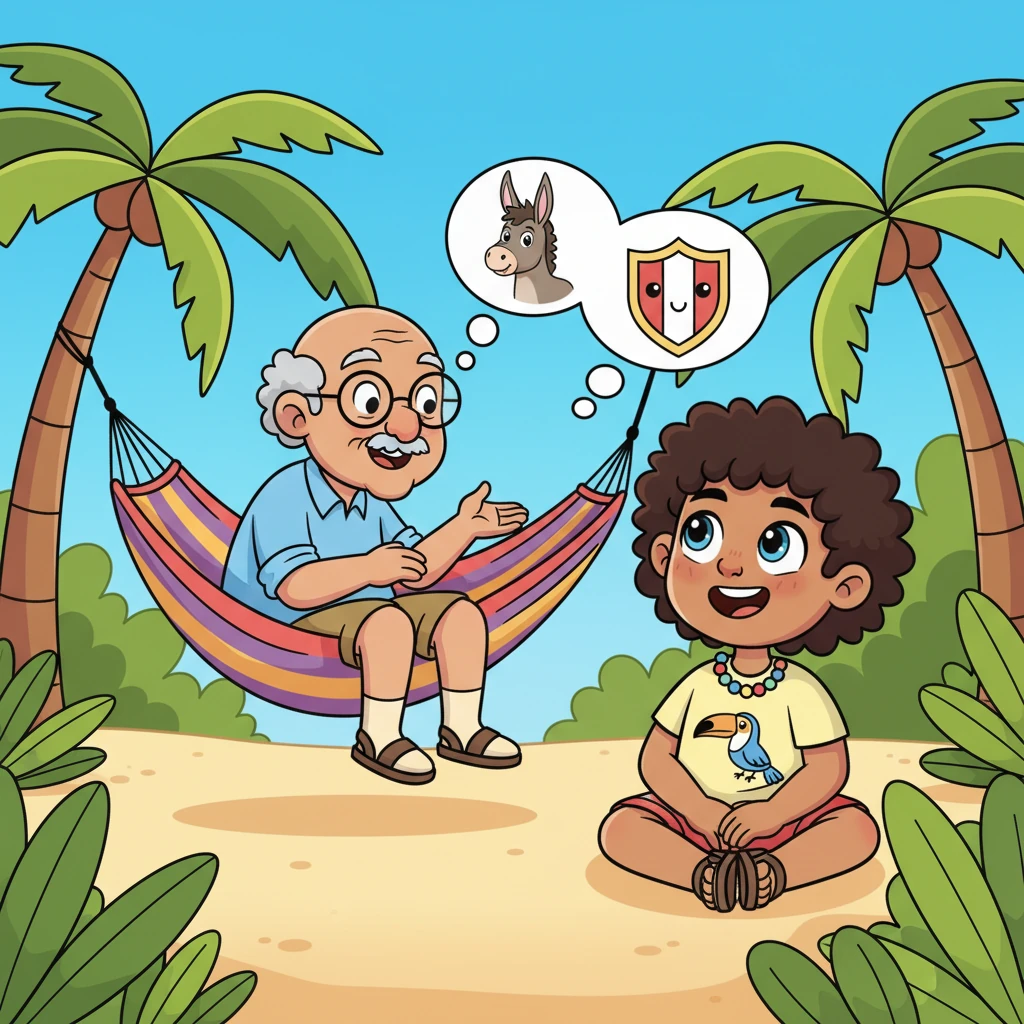
From his comfy hammock nearby, Grandpa chimed in, chuckling. He explained that a political party is a group of people with similar ideas about how to run the country. He mentioned the two main parties in Belize, making it sound like a friendly competition of ideas.
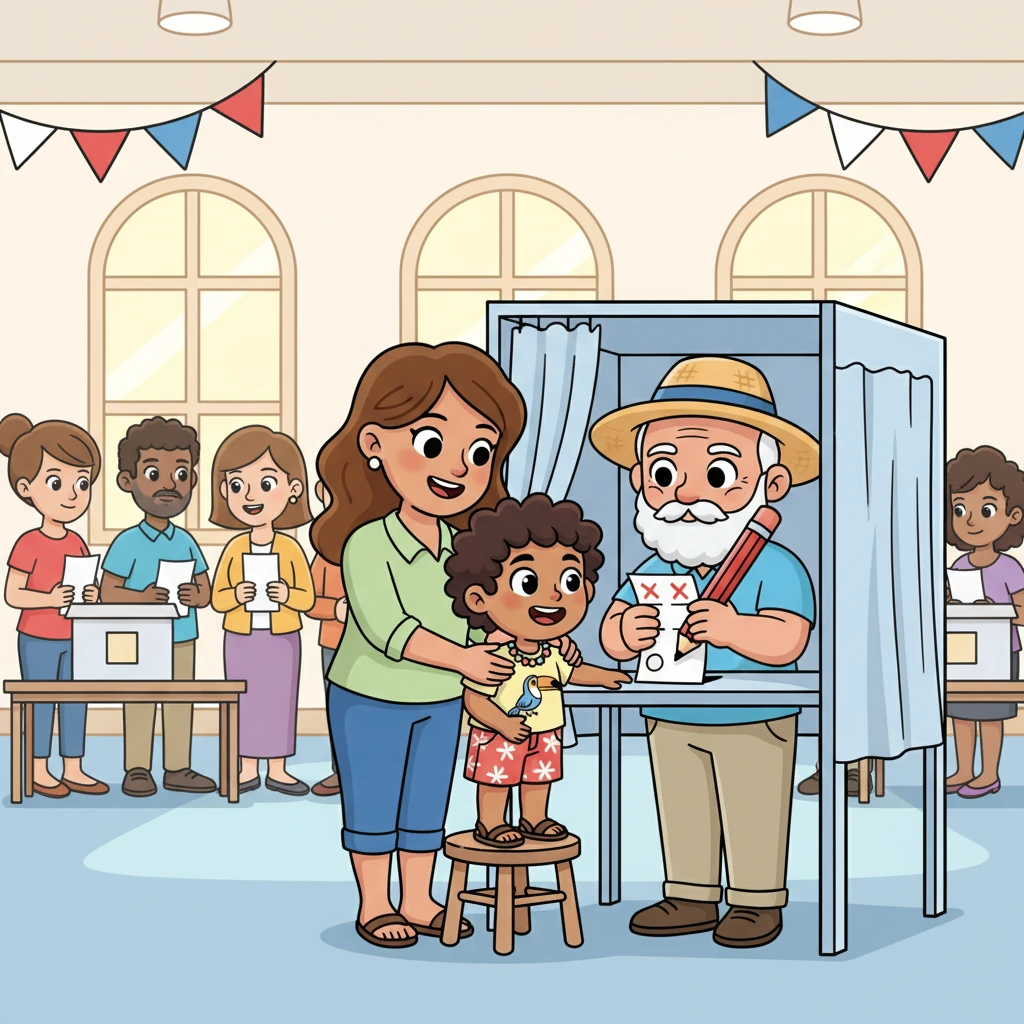
Grandpa then described Election Day, where citizens 18 and older go to polling stations. He demonstrated how they receive a ballot and secretly mark an 'X' next to their chosen candidate. Mom added that this "secret ballot" ensures no one knows who you voted for, protecting privacy.
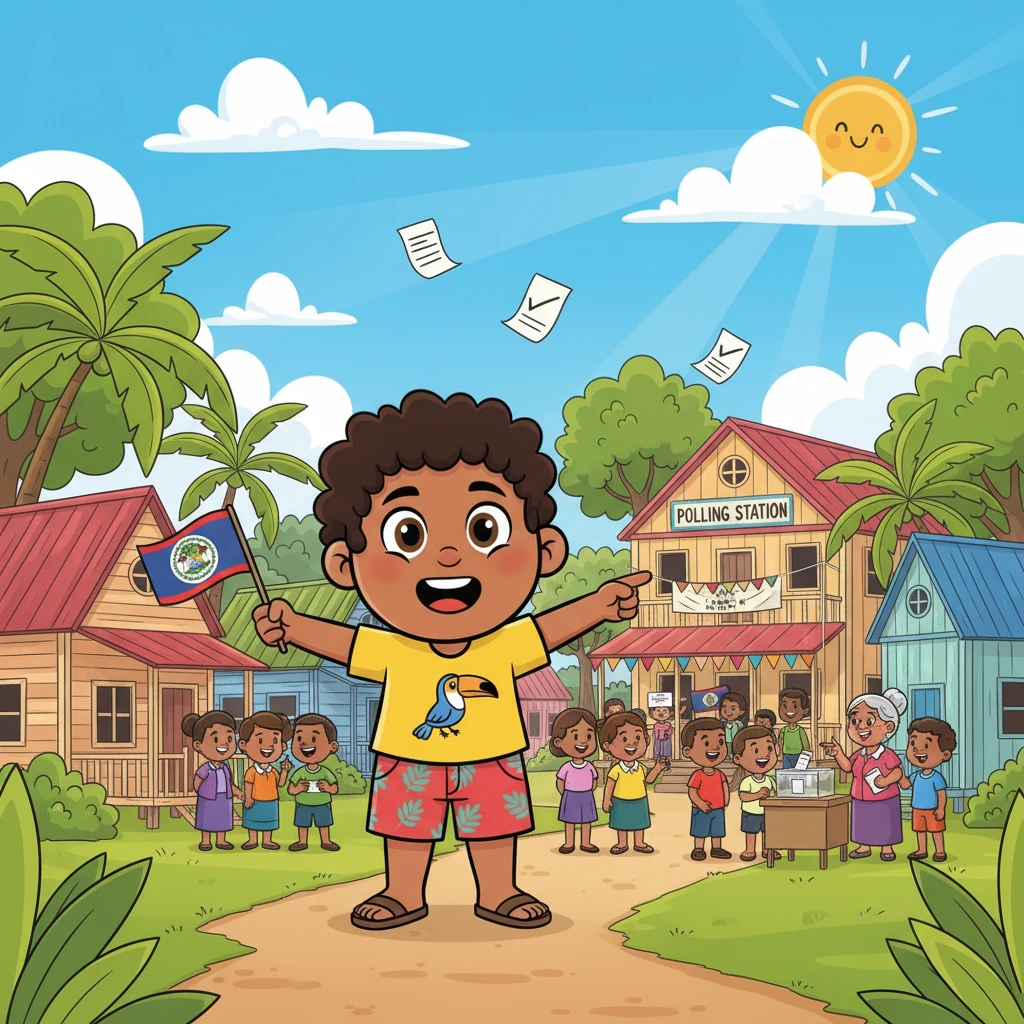
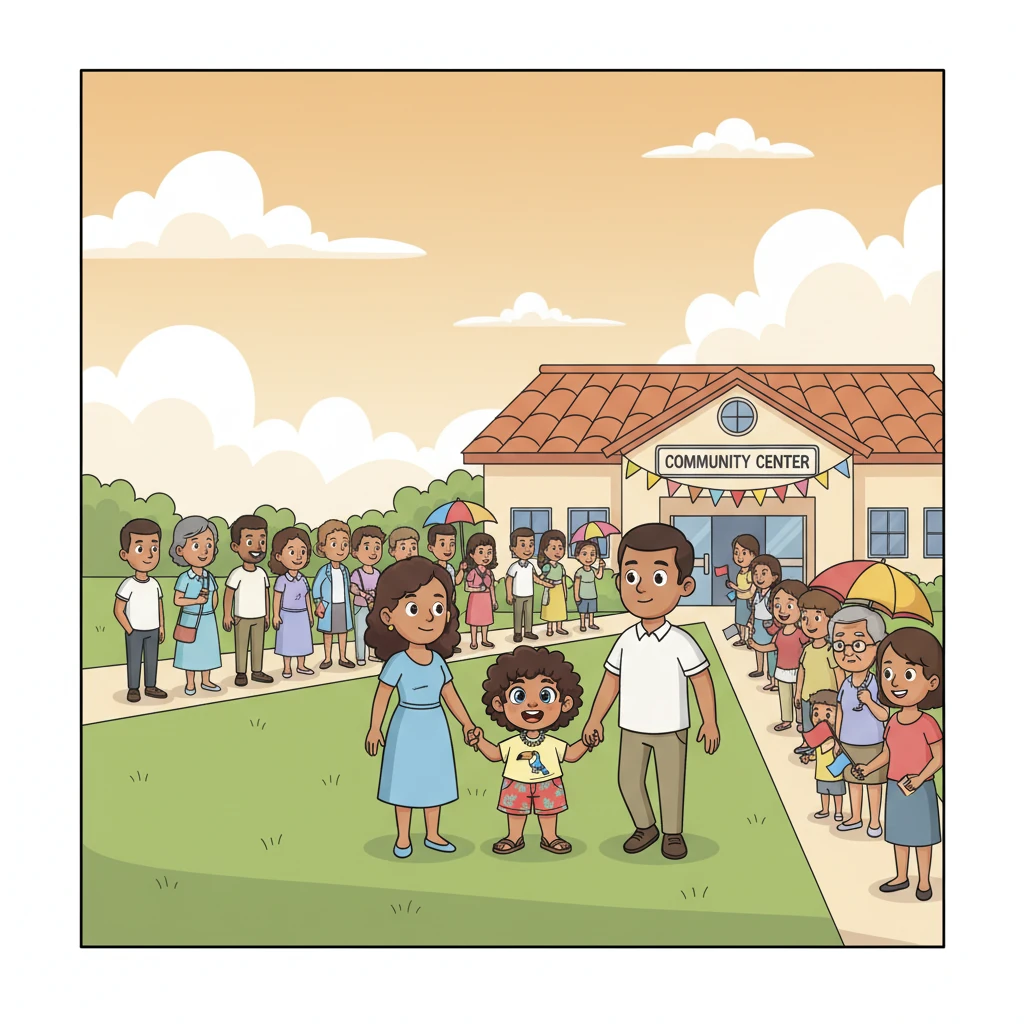
On Election Day, Greg walked hand-in-hand with his parents to the community center, transformed into a lively polling station. A long, patient line of people, from young adults to wise elders, stretched outside under the warm Belizean sun, all ready to cast their votes.
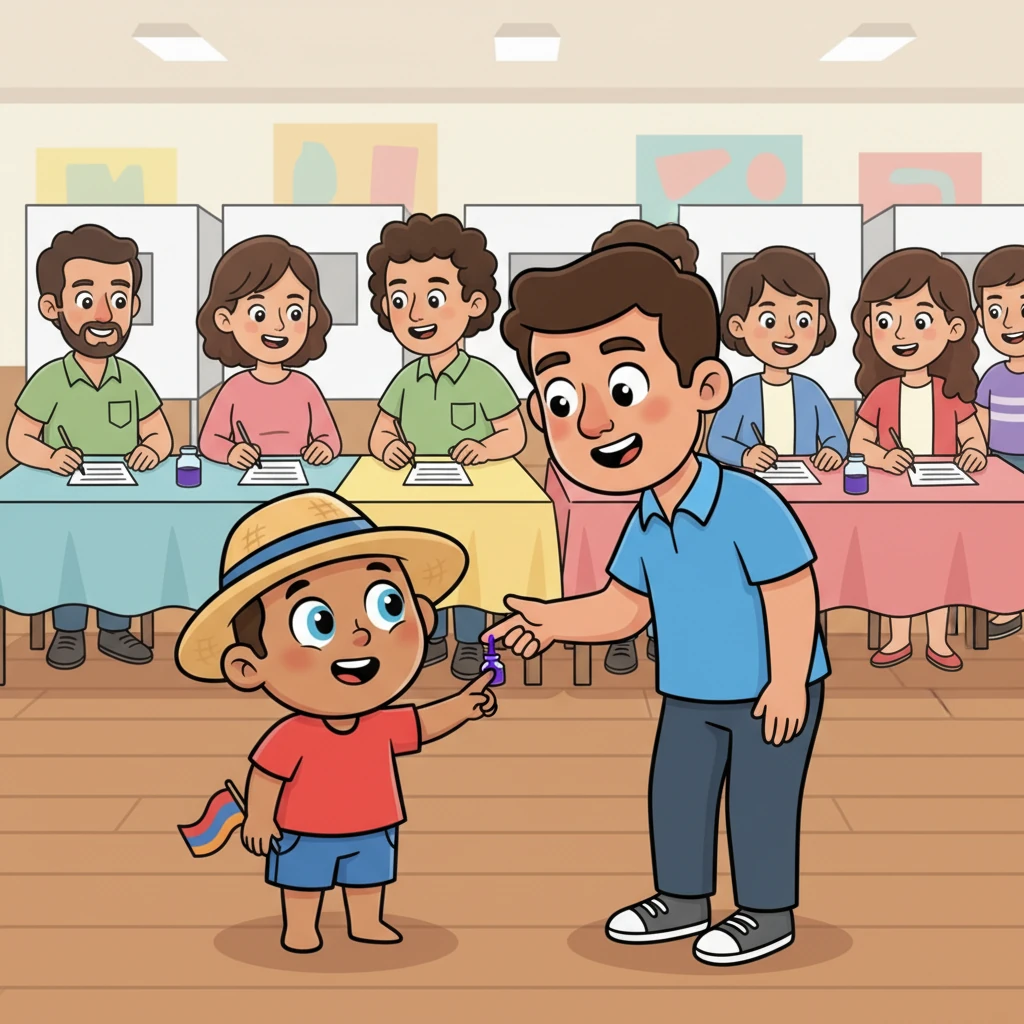
Inside, busy election workers cheerfully checked names, and voters dipped their fingers in purple ink after casting their ballots. Greg, wide-eyed, whispered, "Why the ink?" Dad explained it was a clever way to ensure no one voted twice, a vital part of a fair election.
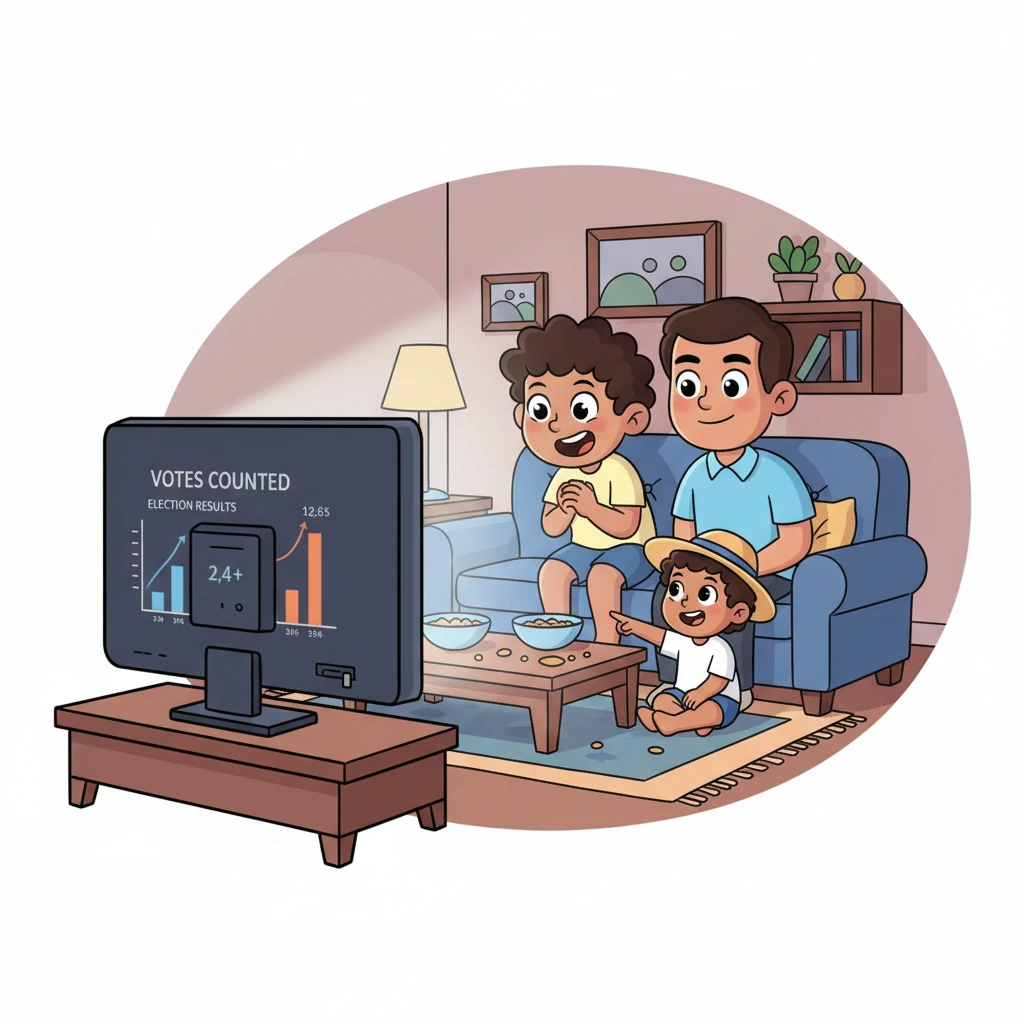
That evening, the entire family gathered excitedly around their television, the screen flickering with election results. Hours passed as votes were counted across the nation, the tension building with every announced number. Greg sat on the edge of his seat, eagerly awaiting the final outcome.
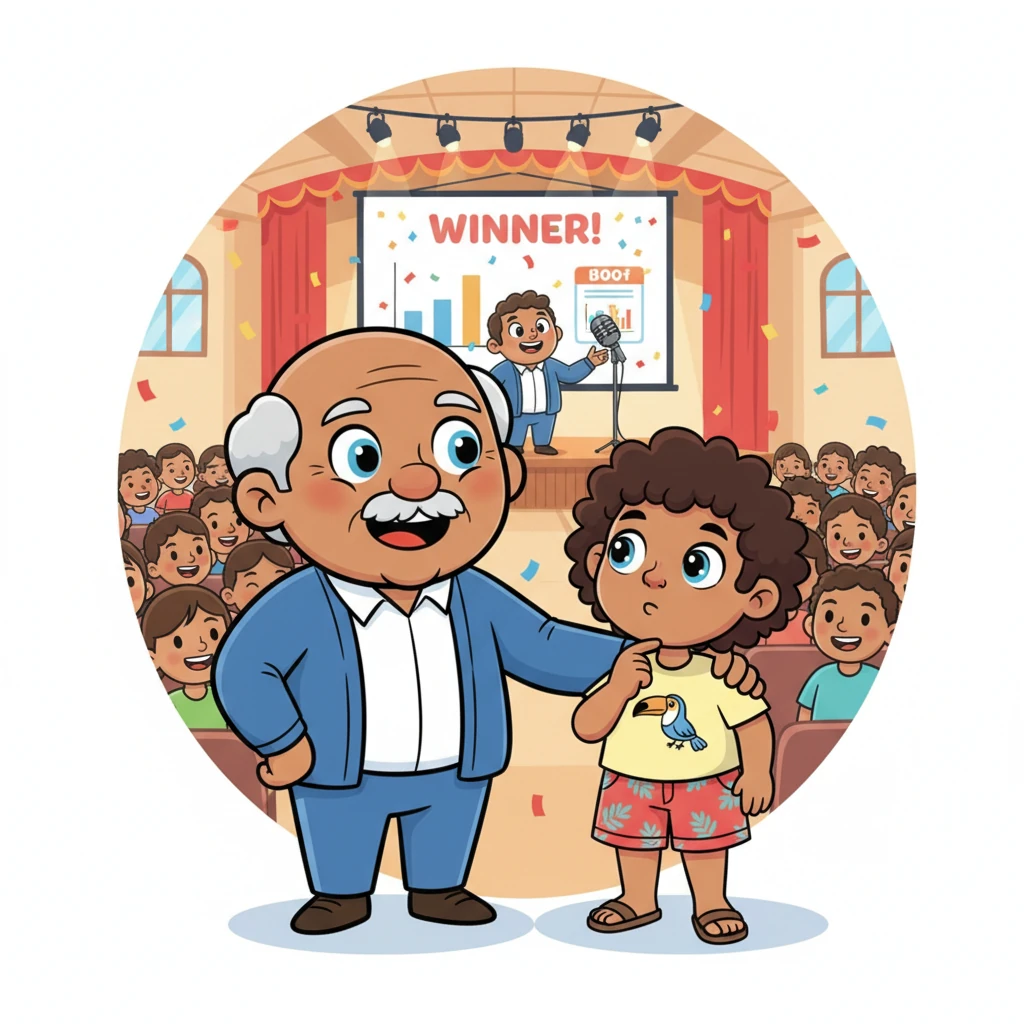
Finally, an announcer declared which party had won the most seats. Grandpa, beaming, explained that the leader of that winning party would become the Prime Minister. Greg, nodding slowly, understood that the people chose their government by choosing their representatives.
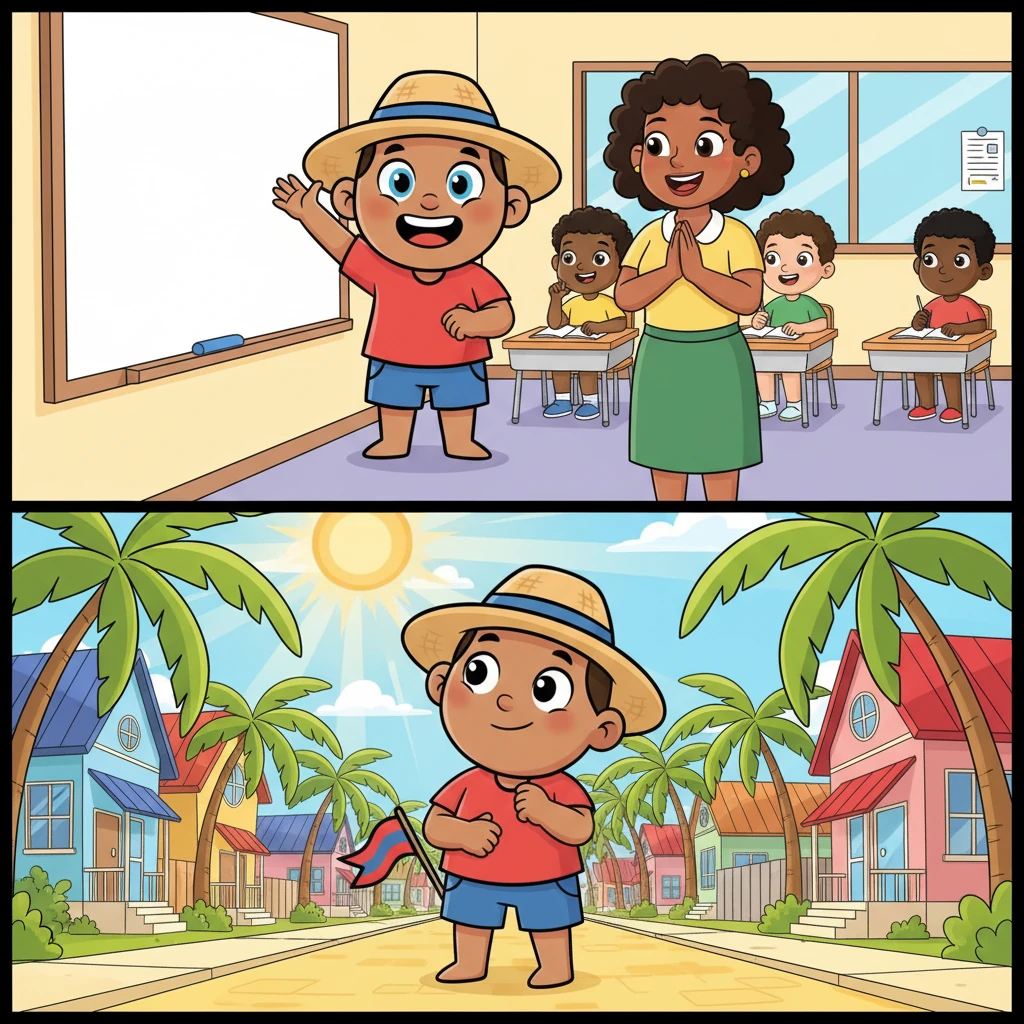
A few days later, Greg confidently raised his hand in class, sharing everything he had learned about Belizean elections. His teacher beamed with pride at his excellent explanation. Walking home under the bright sun, Greg felt a deep sense of understanding and the future promise of his own vote.
Промпт генерации(Войдите, чтобы увидеть полный промпт)
In the small Belizean village of Crooked Tree, everyone was so excited. Bright red and blue flags waved on almost every lamppost. Twelve-year-old Greg had so many questions. “Mom,” he asked, “how does Belize choose its leaders?” His mom smiled. “Well, Greg, Belize is a democracy. That means the people choose who will be the leader by voting.” “But who do they vote for?” Greg asked. “That depends,” she said. “First, the country is divided into areas called constituencies. Each area elects one person called an Area Representative to serve in the House of Representatives.” “Oh! So each area picks one person?” Greg said. “That’s right. And the political party that wins the most seats in the House forms the government.” Greg thought for a moment. “What’s a political party?” His grandfather, who had been listening from his hammock, laughed. “A political party is a group of people who share similar ideas about how to run the country. In Belize, two main parties are the People's United Party and the United Democratic Party.” “So people choose which party they like best?” Greg asked. “Yes,” Grandpa said. “On Election Day, citizens who are 18 years or older go to polling stations. They receive a paper called a ballot with the names of the candidates. Then they secretly mark an ‘X’ next to the person they want.” “That’s called a secret ballot,” Mom added. “No one else knows who you voted for.” On Election Day, Greg walked with his parents to the community center, which was being used as a polling station. He watched as people lined up patiently. Inside, election workers checked each voter’s name. Voters dipped their fingers in ink after voting to show they had already cast their ballot. “Why do they use ink?” Greg whispered. “To make sure no one votes twice,” Dad explained. That night, everyone gathered around the television. The votes were being counted! After several hours, the announcer finally said which party had won the most seats in the House of Representatives. “The leader of that party will become the Prime Minister,” Grandpa explained. “So the Prime Minister is not chosen directly by everyone?” Greg asked. “Not exactly,” Grandpa said. “We vote for our Area Representative. The party with the most representatives chooses its leader to be Prime Minister.” Greg nodded slowly. “So the people choose the government by choosing their representatives.” “Exactly,” Mom said proudly. “That is how democracy works in Belize.” A few days later, Greg’s teacher asked the class what they had learned about elections. Grey raised his hand confidently. “In Belize, the people vote for an Area Representative in their constituency. The party with the most seats in the House of Representatives forms the government, and its leader becomes Prime Minister. Voting is secret, and every citizen 18 years and older has the right to vote.” His teacher smiled. “Excellent, Grey.” That afternoon, as Greg walked home under the bright Belizean sun, he felt proud. Even though he was too young to vote, he understood something important: In Belize, the government’s power comes from the people. One day, when he turns 18, he will proudly stand in line and make his mark too. Generate 10 images based on thsi story