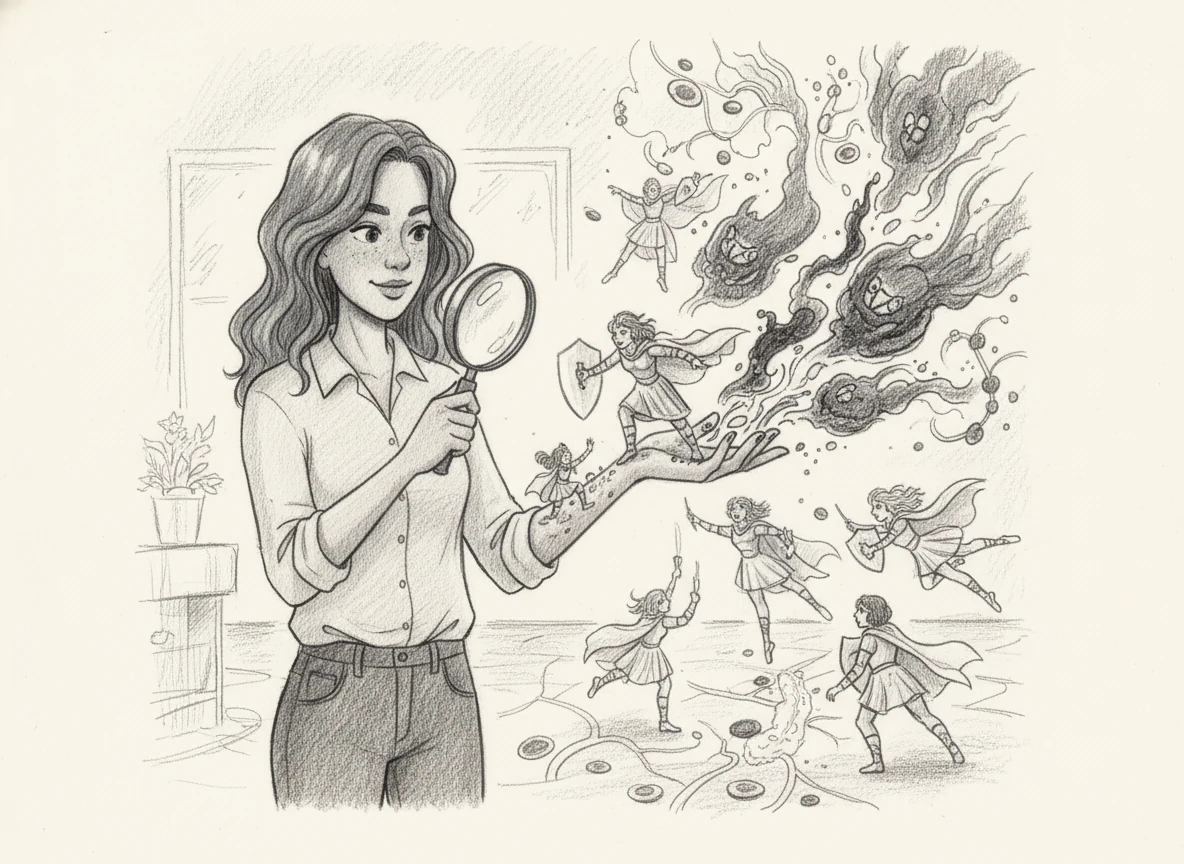
Step inside the microscopic world of the human body to witness the breathtaking ballet of healing. This beautifully illustrated story follows the invisible heroes who work tirelessly to mend every wound, revealing the incredible strength and precision hidden beneath our skin.
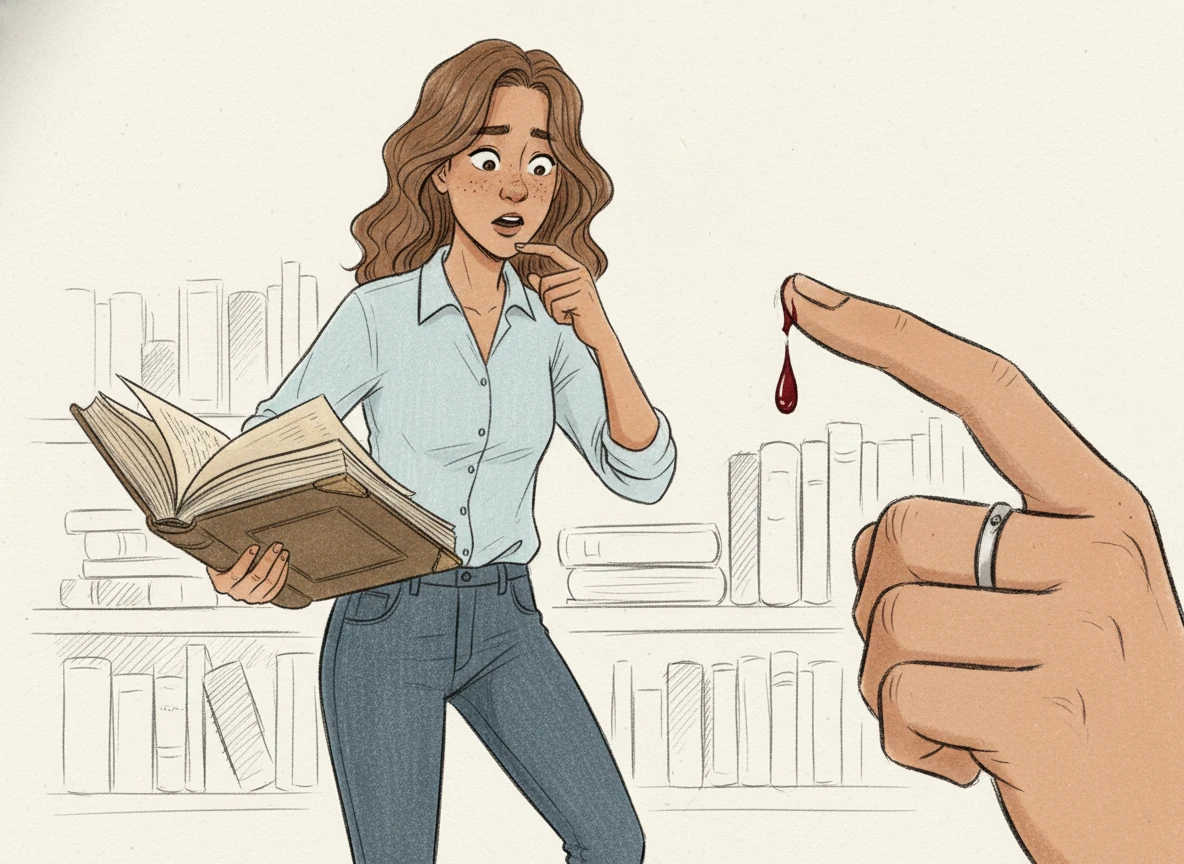
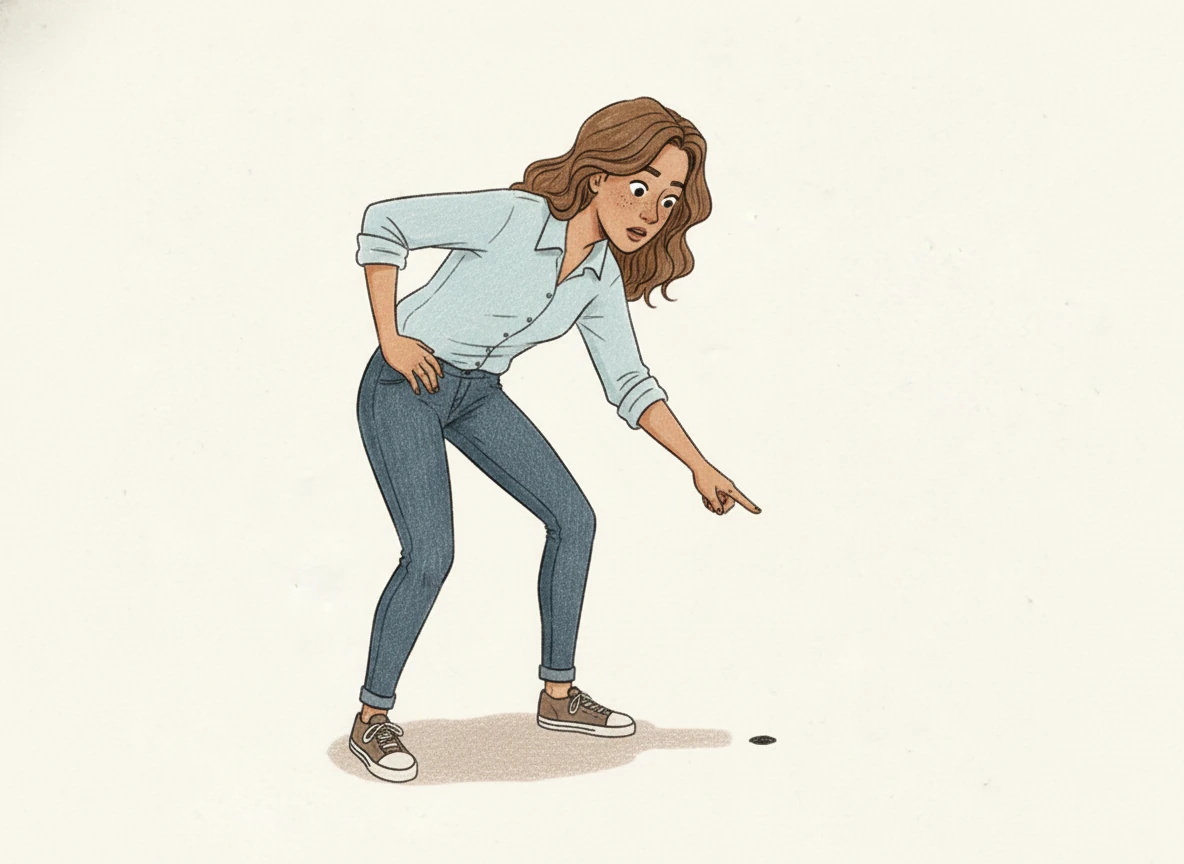
Alex is startled by a sharp sting as a crisp page of a book slices through the skin of a finger. Deep beneath the surface, a tiny blood vessel is torn open, and the hidden world within is suddenly exposed to the air.
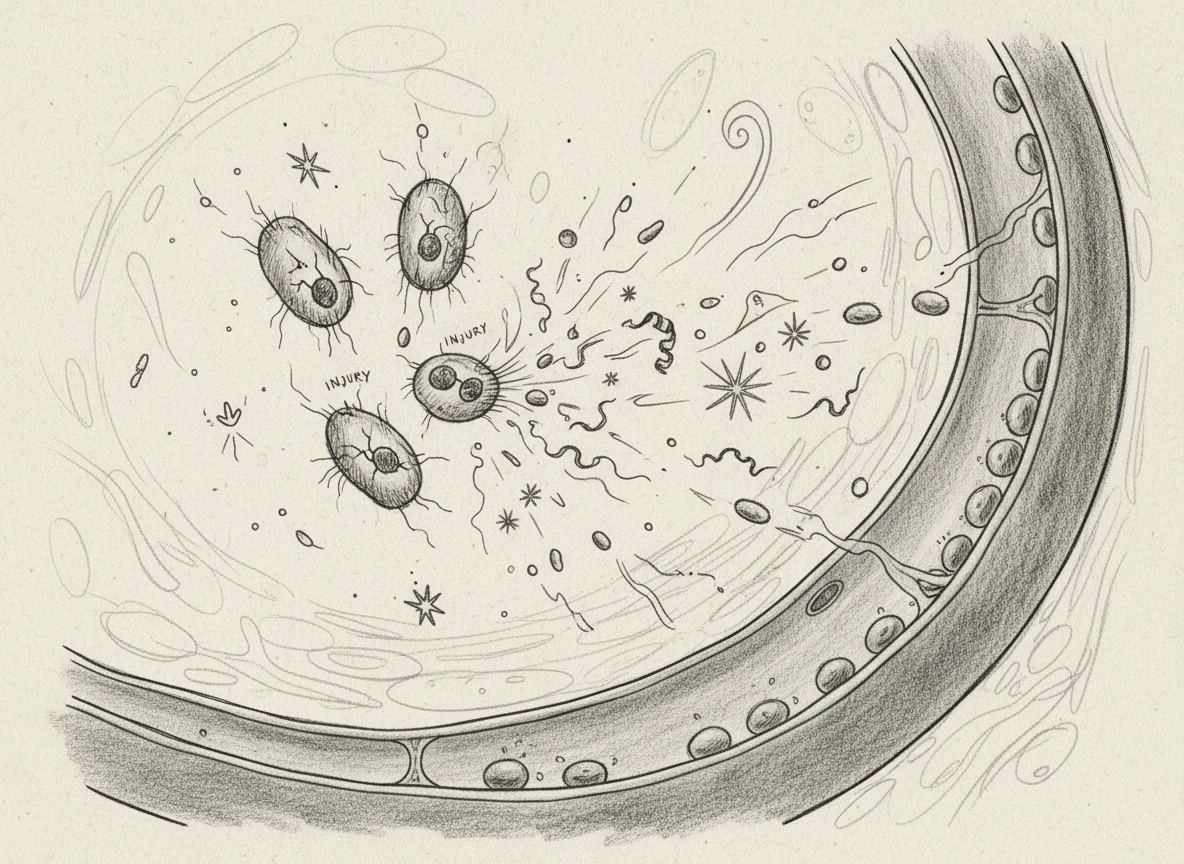
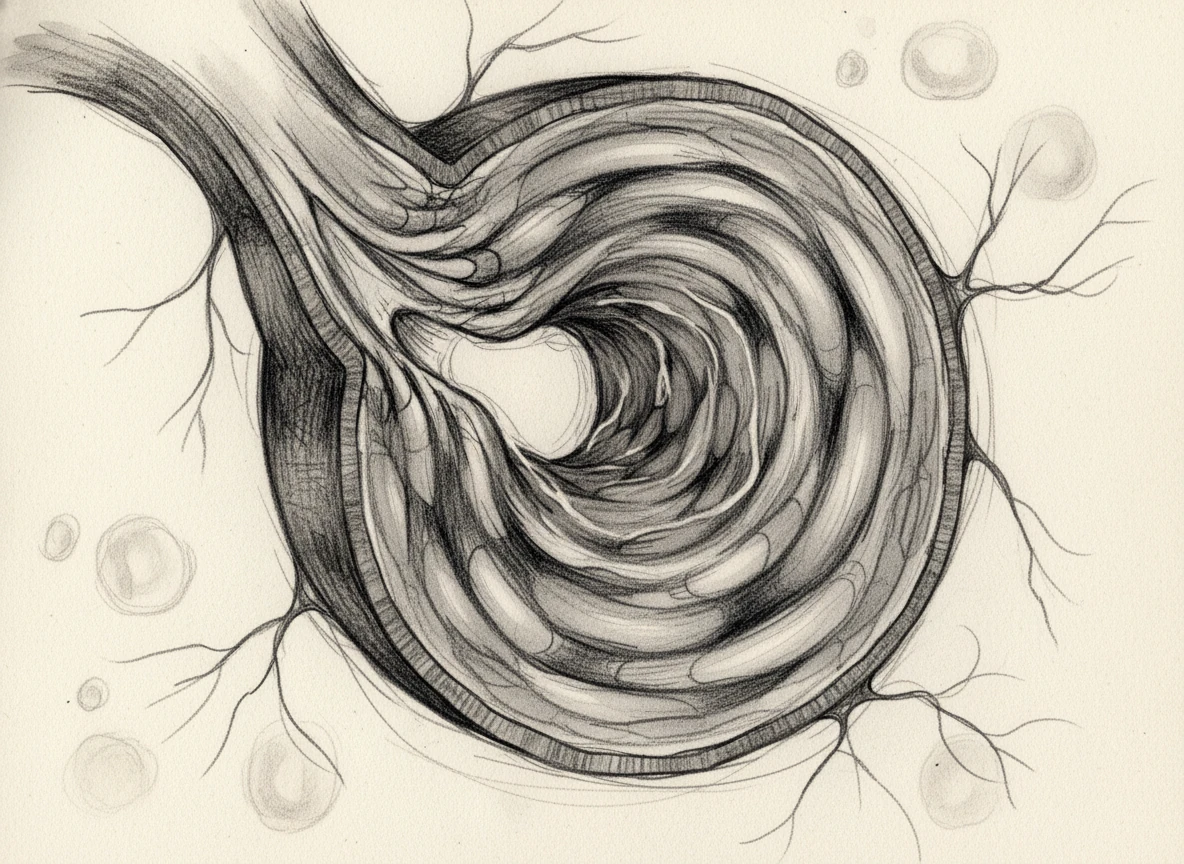
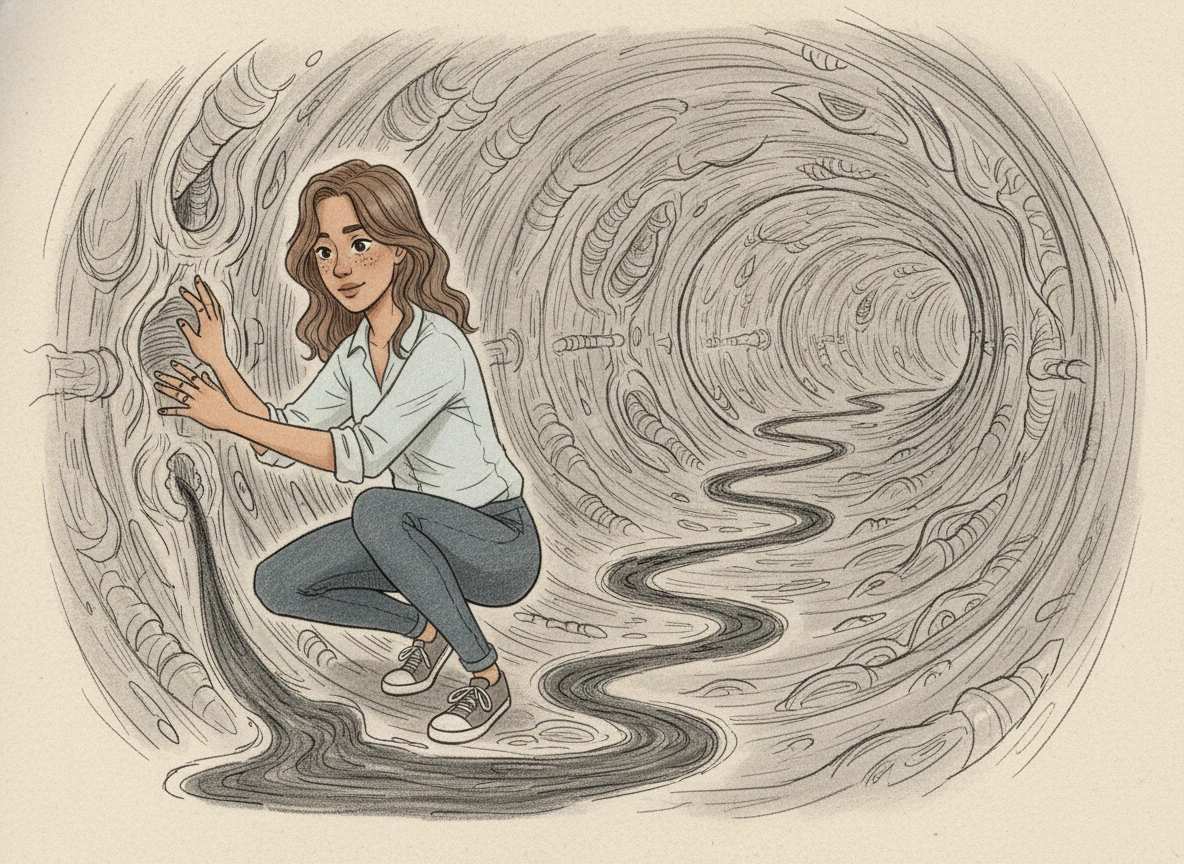
Through the microscopic lens of the body, we see the jagged edges of the broken vessel wall. Long, pale strands of collagen fibers, usually tucked away, now reach out like tangled roots into the rushing stream of red cells.
The injured cells immediately cry out for help, releasing a flurry of chemical signals and proteins into the surrounding space. These invisible messengers race through the tissue to alert the vessel’s internal defenses.
The smooth muscles lining the vessel wall receive the alarm and begin to squeeze with rhythmic precision. This sudden tightening, known as a vascular spasm, acts like a natural tourniquet to restrict the opening.
As the vessel narrows, the frantic rush of blood slows to a trickle, significantly reducing the loss of precious life-force. The body has successfully bought itself the time it needs to begin the next phase of the repair.
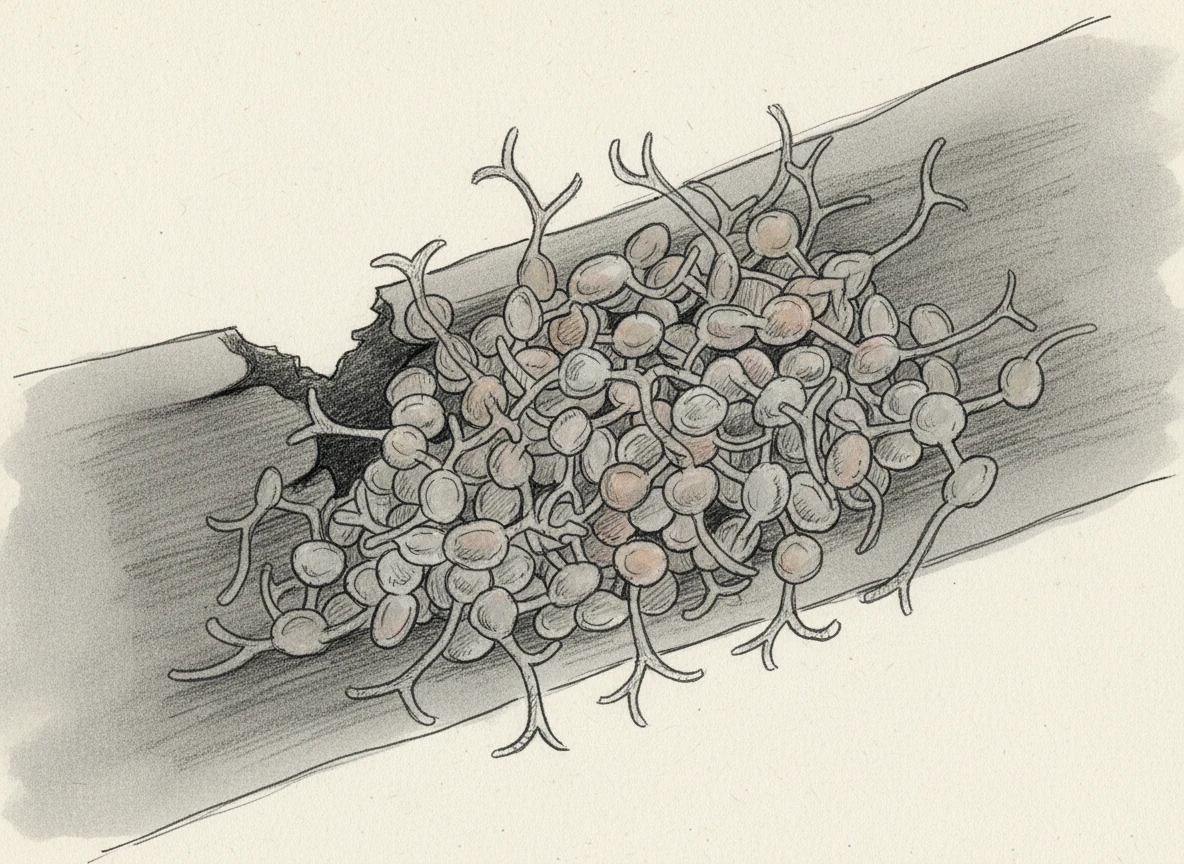
Floating nearby, tiny platelets detect the exposed collagen fibers and the presence of the Von Willebrand factor. Like anchors finding purchase on a rocky shore, they begin to stick firmly to the site of the injury.
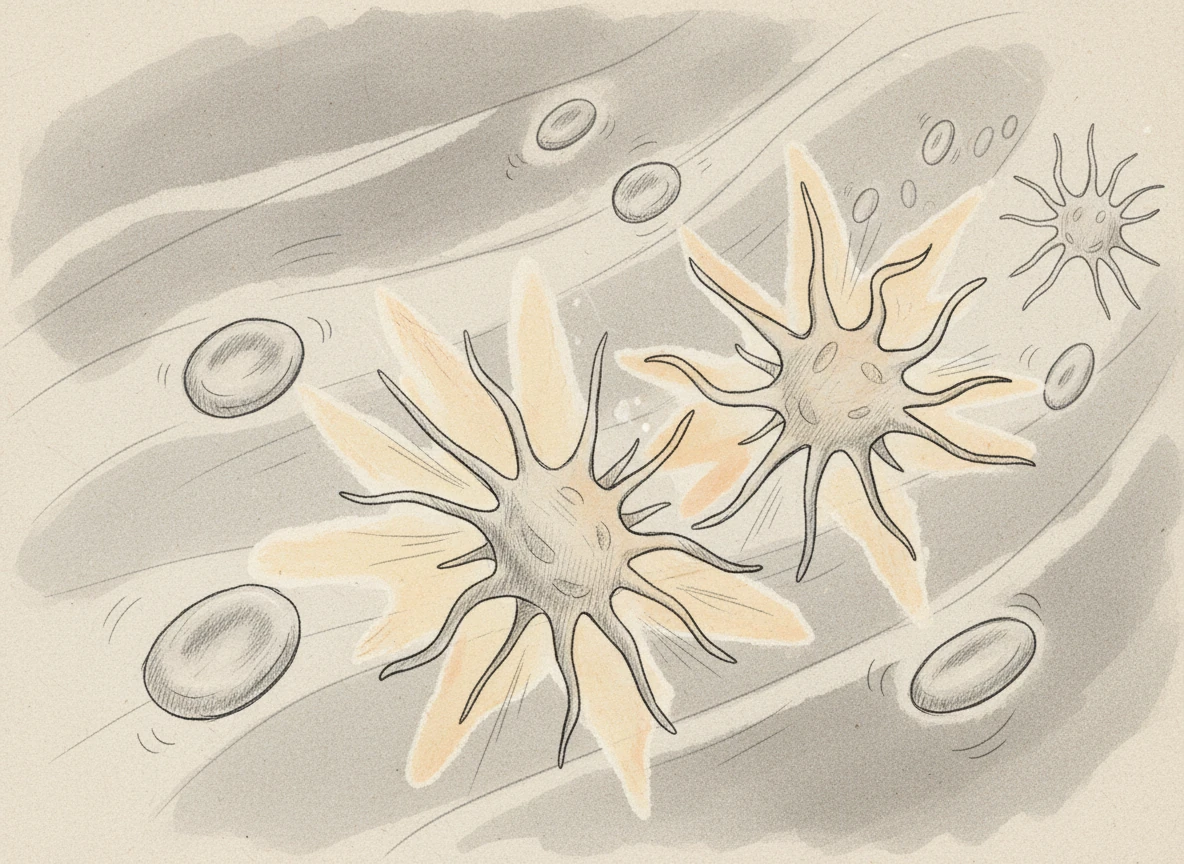
The first platelets to arrive undergo a dramatic transformation, shifting from smooth discs into spiky, star-shaped defenders. They release their own chemical flares, calling out to every other platelet in the vicinity to join the fight.
A growing crowd of activated platelets piles onto the breach, interlocking their new limbs to form a sturdy barricade. This platelet plug creates a temporary seal, effectively stopping any further escape of blood.
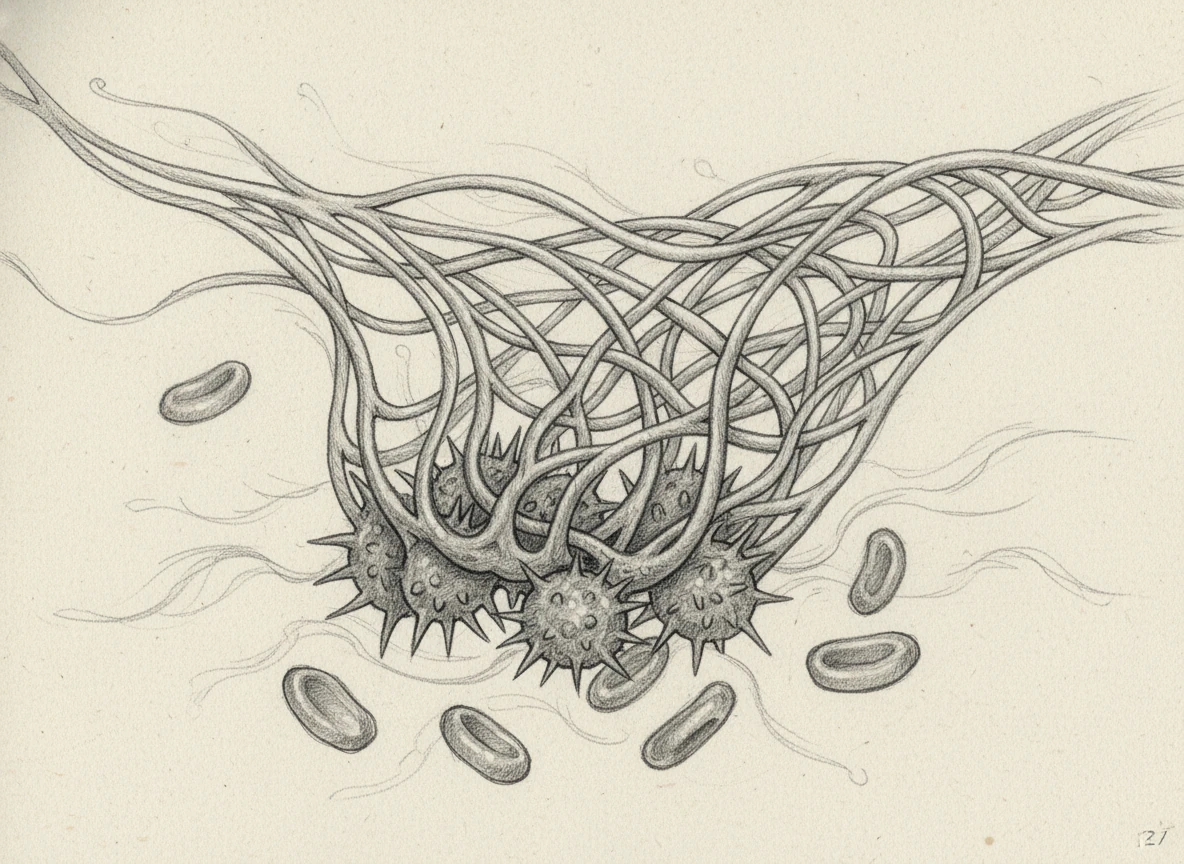
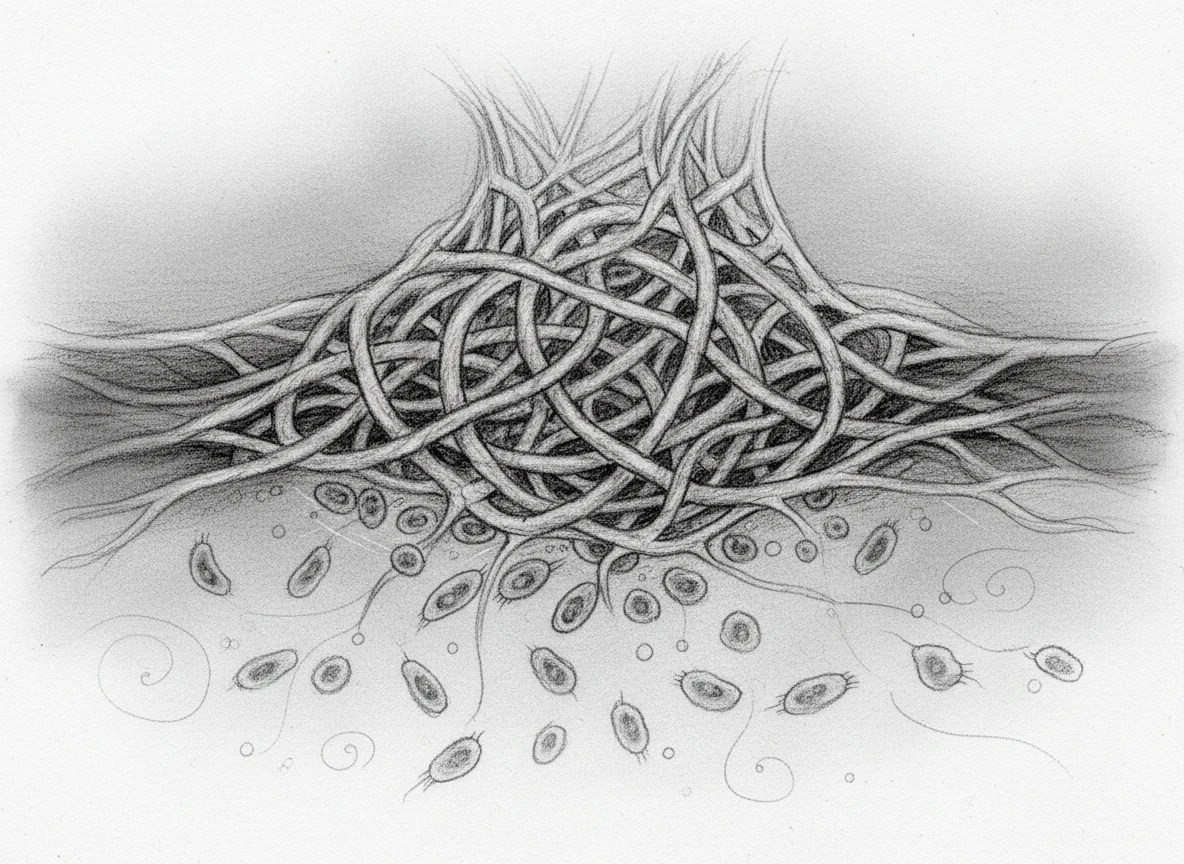
High above the plug, a complex cascade of proteins begins to weave a shimmering net of fibrin threads. These strong, fibrous ropes crisscross over the platelets and red blood cells, binding them into a permanent structure.
With the fibrin mesh fully formed, the wound is now protected by a sophisticated biological shield. Safe beneath this masterfully crafted clot, the body’s cells begin the quiet, steady work of rebuilding the damaged tissue.
Промпт генерации(Войдите, чтобы увидеть полный промпт)
BOX 1 — INJURY Text: Alex gets a paper cut that damages a blood vessel. Blood begins to escape and collagen fibers in the vessel wall are exposed. Drawing idea: Finger with a cut and a zoom-in of the broken blood vessel. BOX 2 — VASCULAR SPASM BEGINS Text: The damaged blood vessel releases proteins and chemical signals. These signals cause the smooth muscle in the vessel wall to contract. Drawing idea: Blood vessel starting to tighten. BOX 3 — VASCULAR SPASM PURPOSE Text: The vascular spasm narrows the blood vessel, which slows blood flow and reduces blood loss. Drawing idea: Blood vessel squeezed smaller with fewer blood cells escaping. BOX 4 — PLATELETS ARRIVE Text: The injury exposes collagen fibers. Von Willebrand factor helps platelets stick to the exposed collagen at the injury site. Drawing idea: Platelets attaching to collagen like glue. BOX 5 — PLATELET ACTIVATION Text: The platelets become activated, change shape, and release chemicals that activate more platelets. Drawing idea: Round platelets turning spiky and calling others. BOX 6 — PLATELET PLUG Text: Many activated platelets stick together to form a platelet plug, which temporarily seals the break in the vessel. Drawing idea: Cluster of platelets blocking the hole. BOX 7 — COAGULATION Text: Clotting factors (proteins) activate each other in a cascade, producing fibrin threads. The fibrin forms a strong mesh that traps platelets and red blood cells, creating a long-lasting clot while the vessel heals. Drawing idea: A fibrin net over platelets and red blood cells.