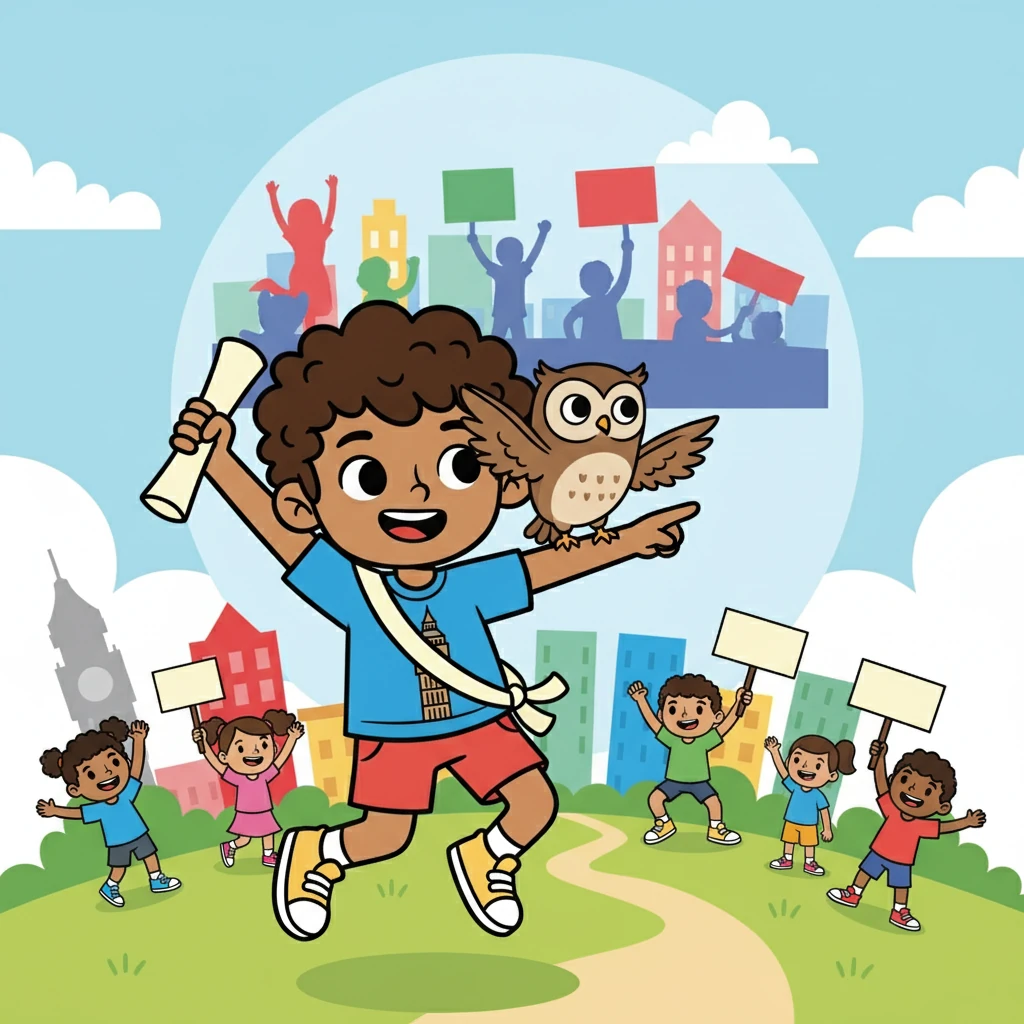
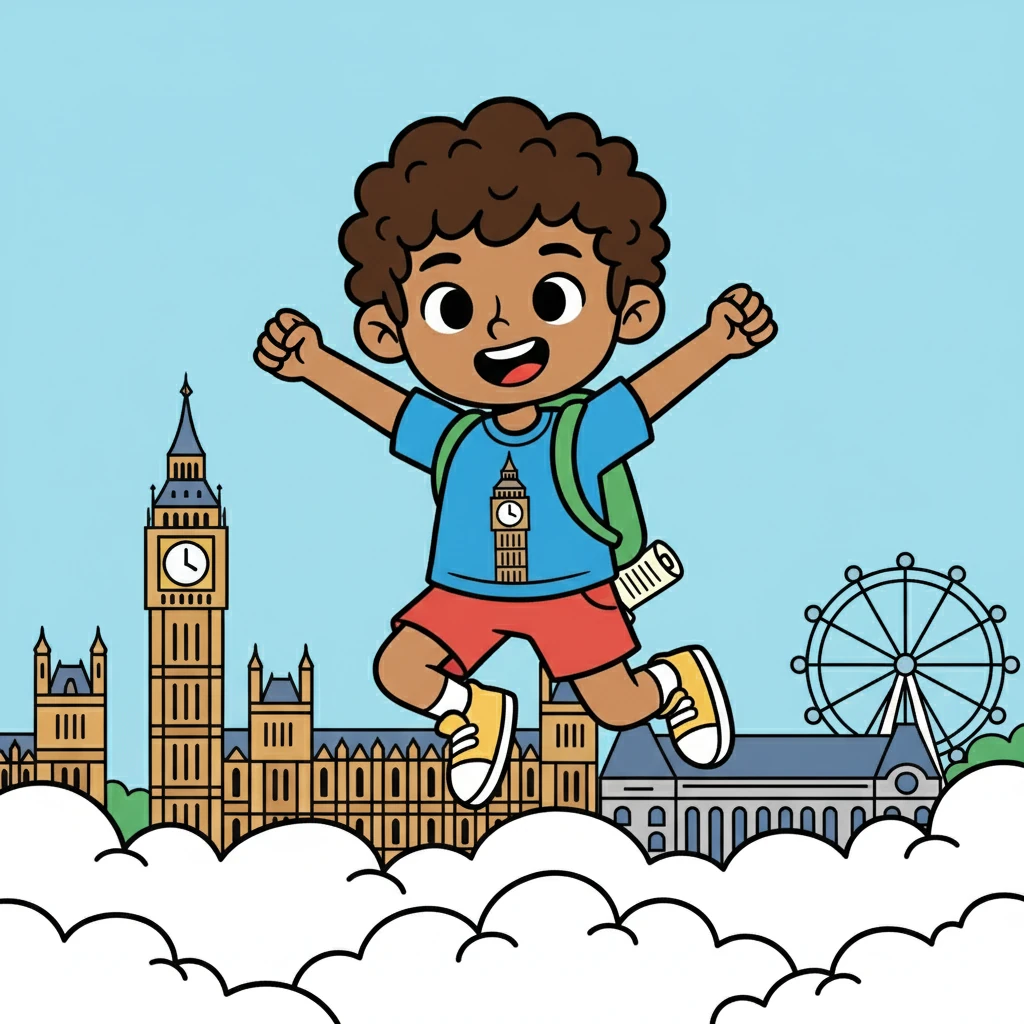
Join Ravbinder, a quick-witted teen from the inner city, on a wild adventure through time and politics! This picture book transforms a complex A-Level essay on UK democracy into a hilarious, easy-to-understand story. Get ready for laughs, learning, and a whole new way to understand the world!
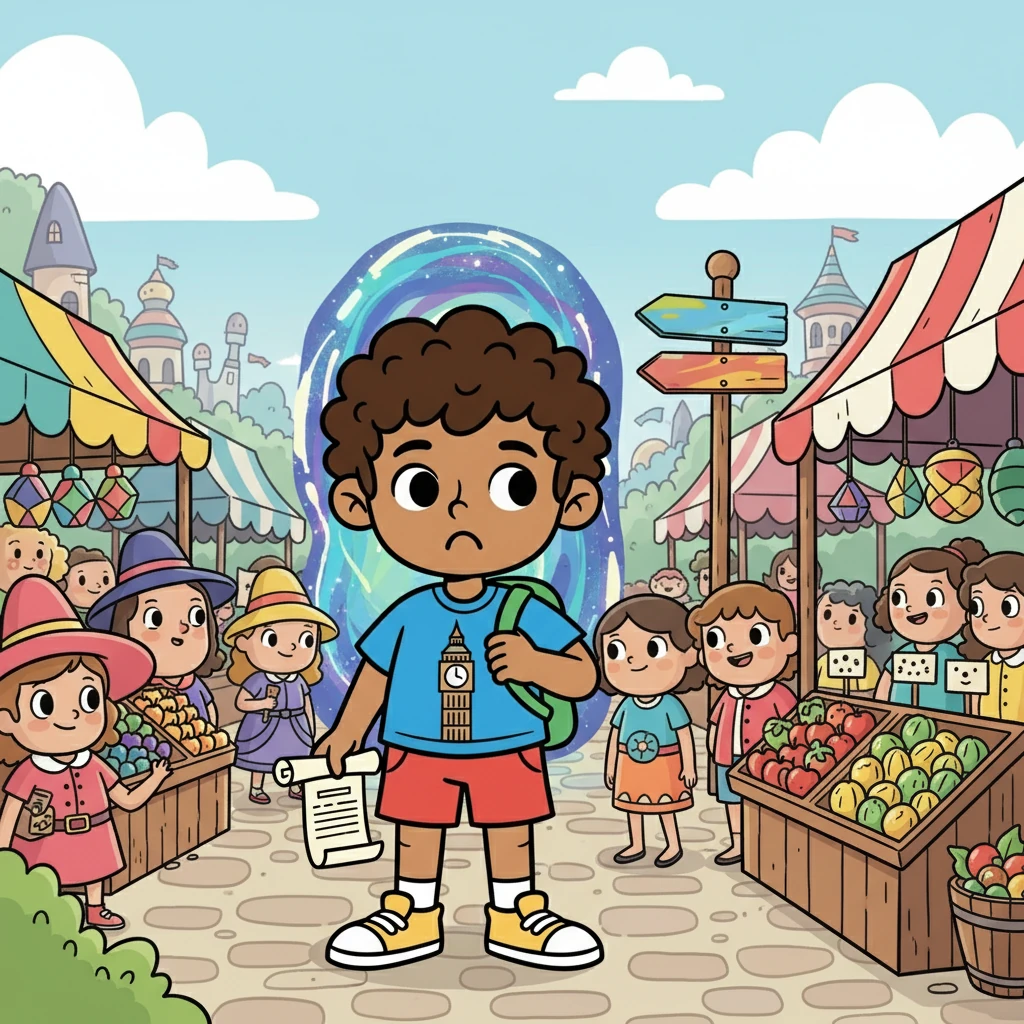
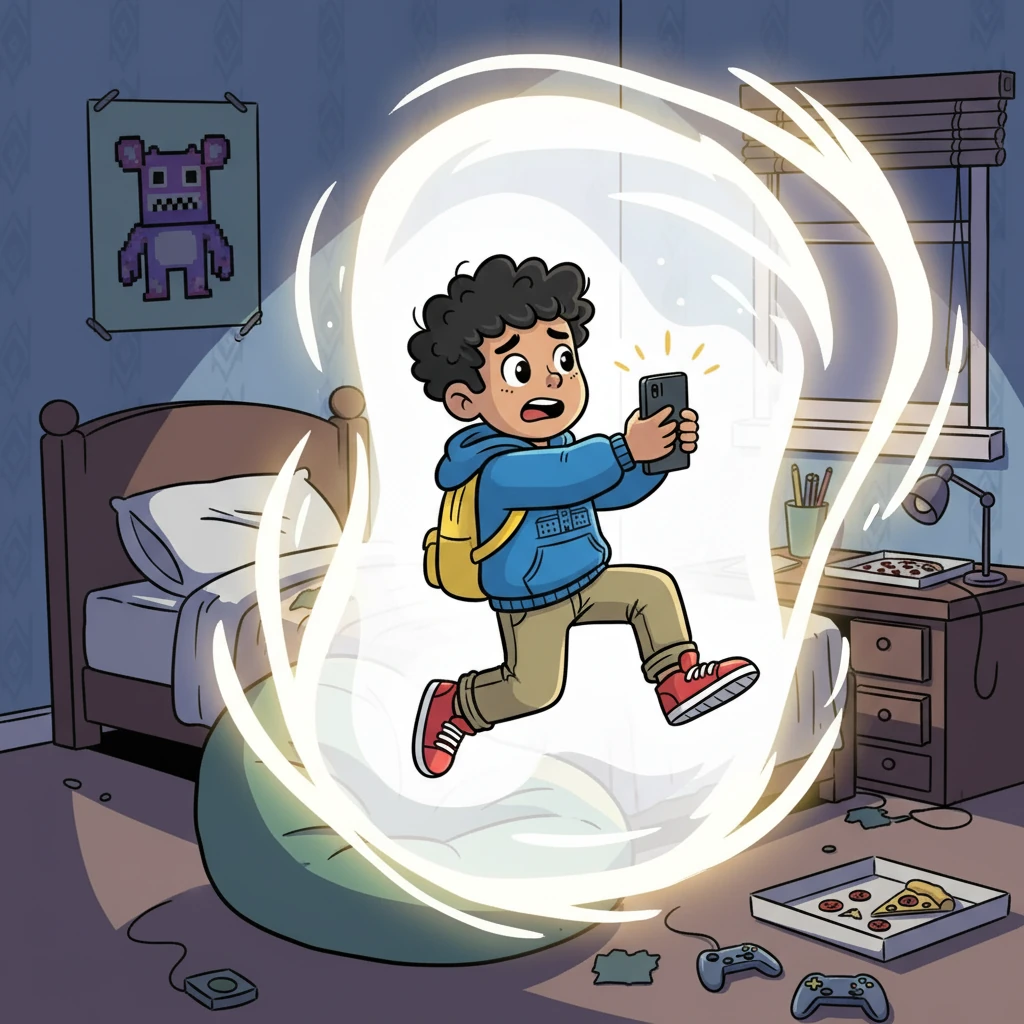
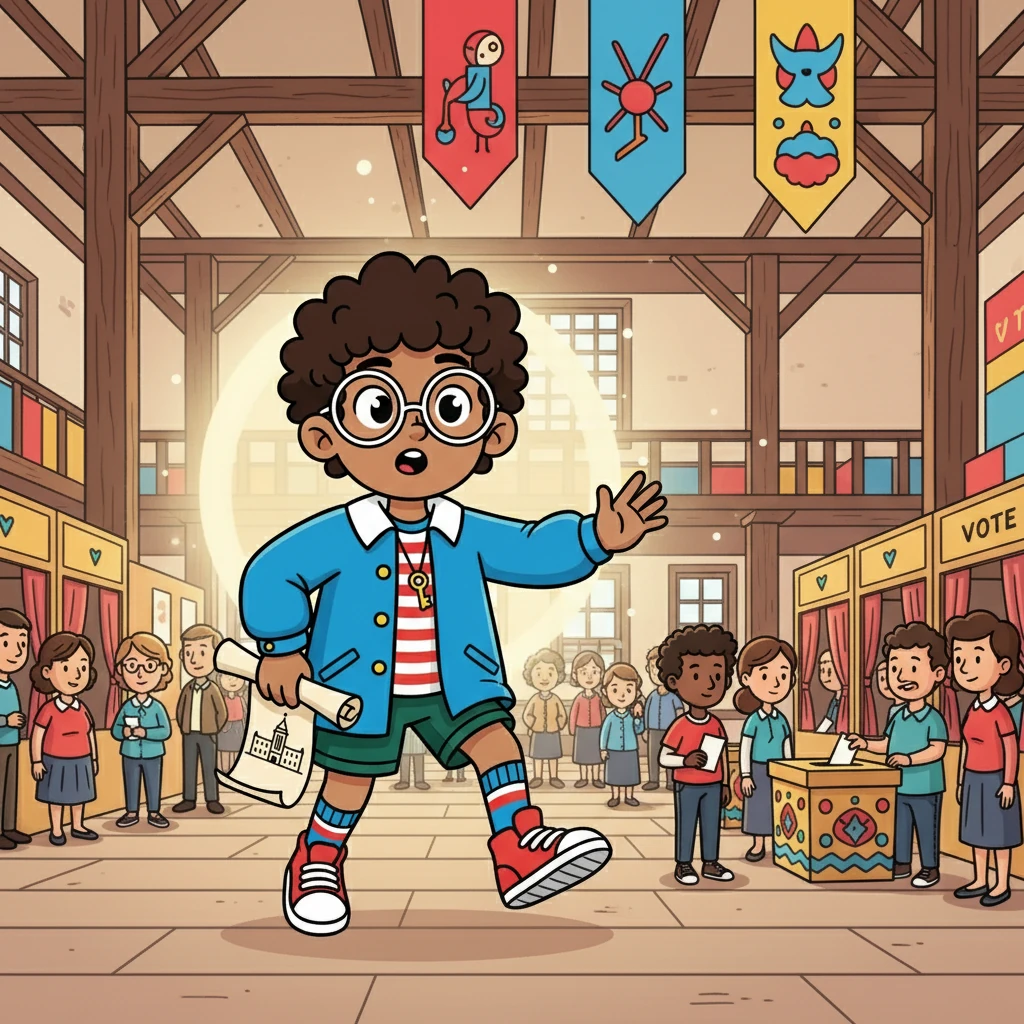
Ravbinder was just chilling, scrolling through TikTok, when *poof*! He was suddenly standing in a bustling marketplace, a time-traveling portal shimmering behind him. Confused, he looked around, spotting a sign that read, 'Welcome to Electionville!'
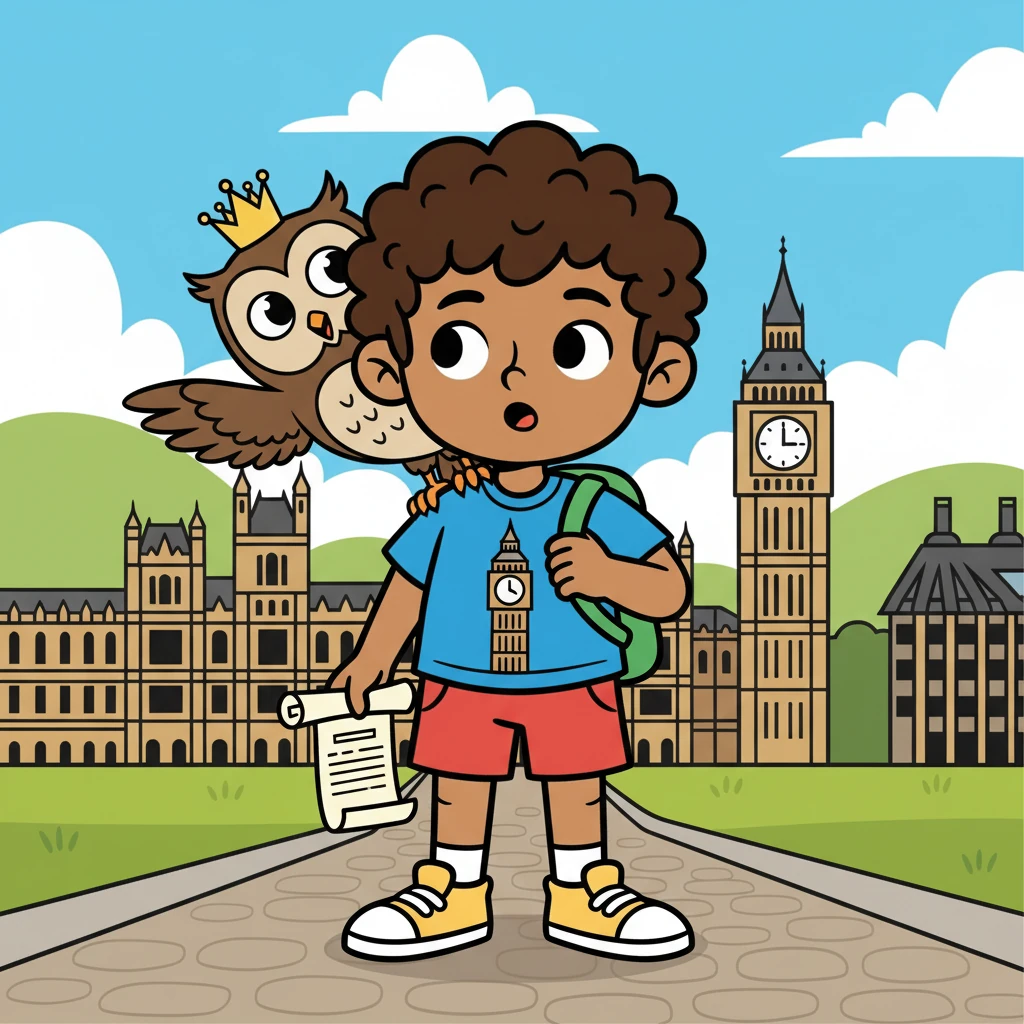
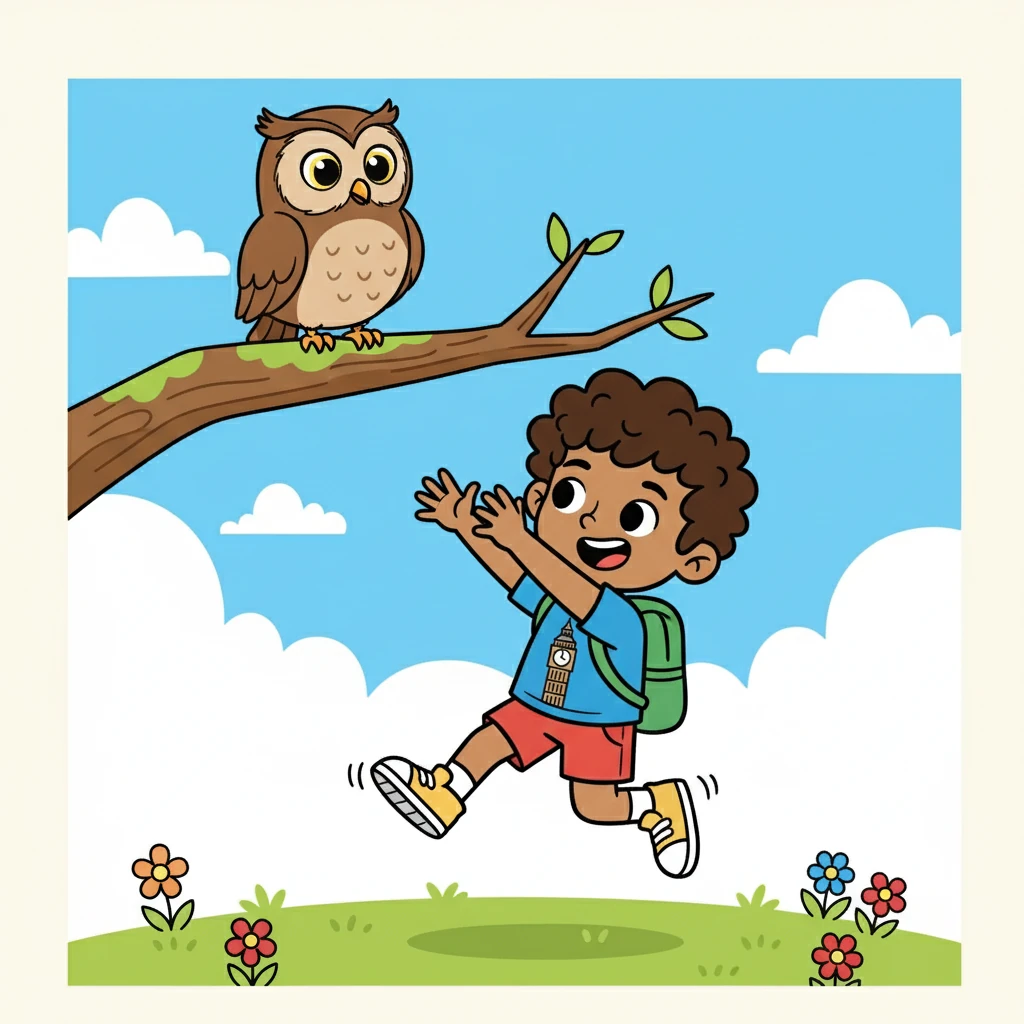
A wise-cracking owl with a tiny crown landed on Ravbinder's shoulder. 'Yo, Rav! Welcome to the world of UK politics! We gotta sort out this whole 'participation crisis' thing, yeah?' The owl winked, clearly in charge.
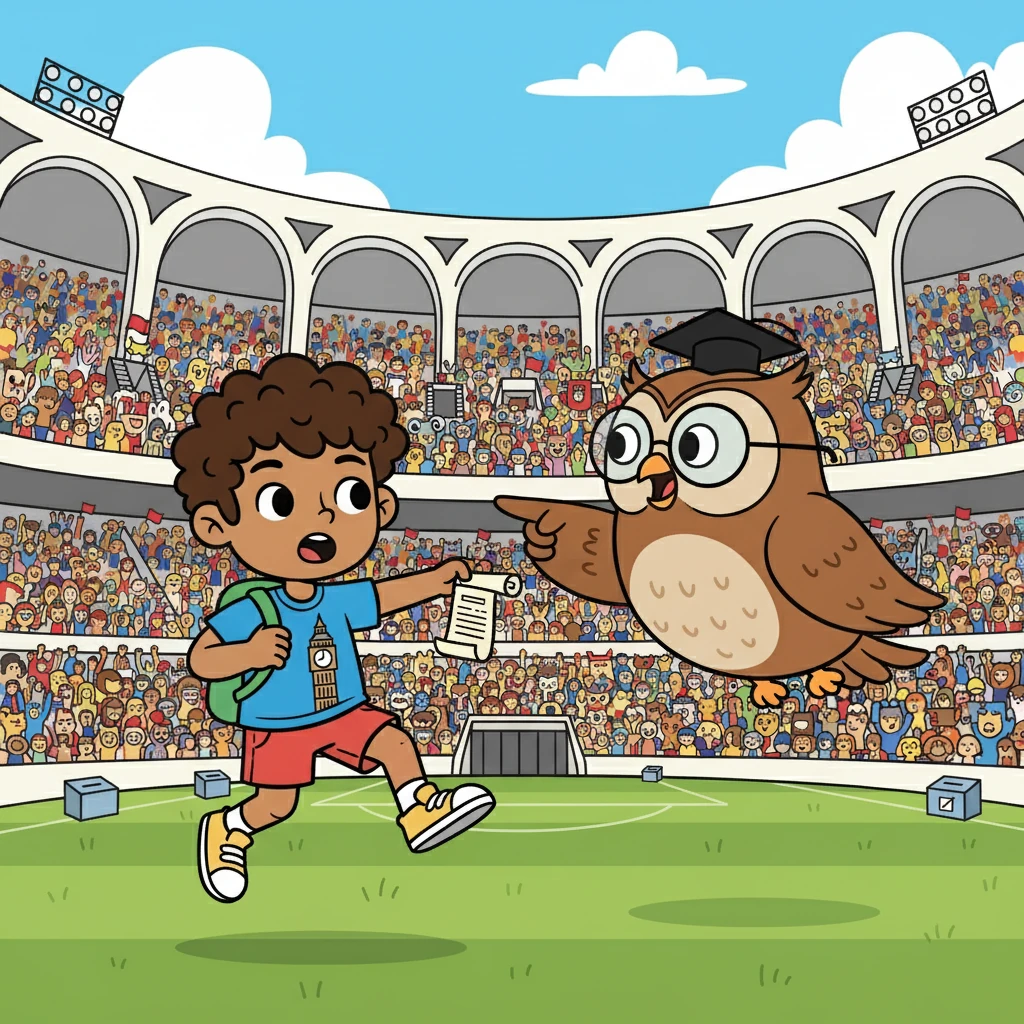
First stop: a massive stadium filled with cheering crowds. 'This is Election Day!' the owl hooted. 'But look around, turnout's low, and the mandates ain't strong. The government's claim to power is weak!'
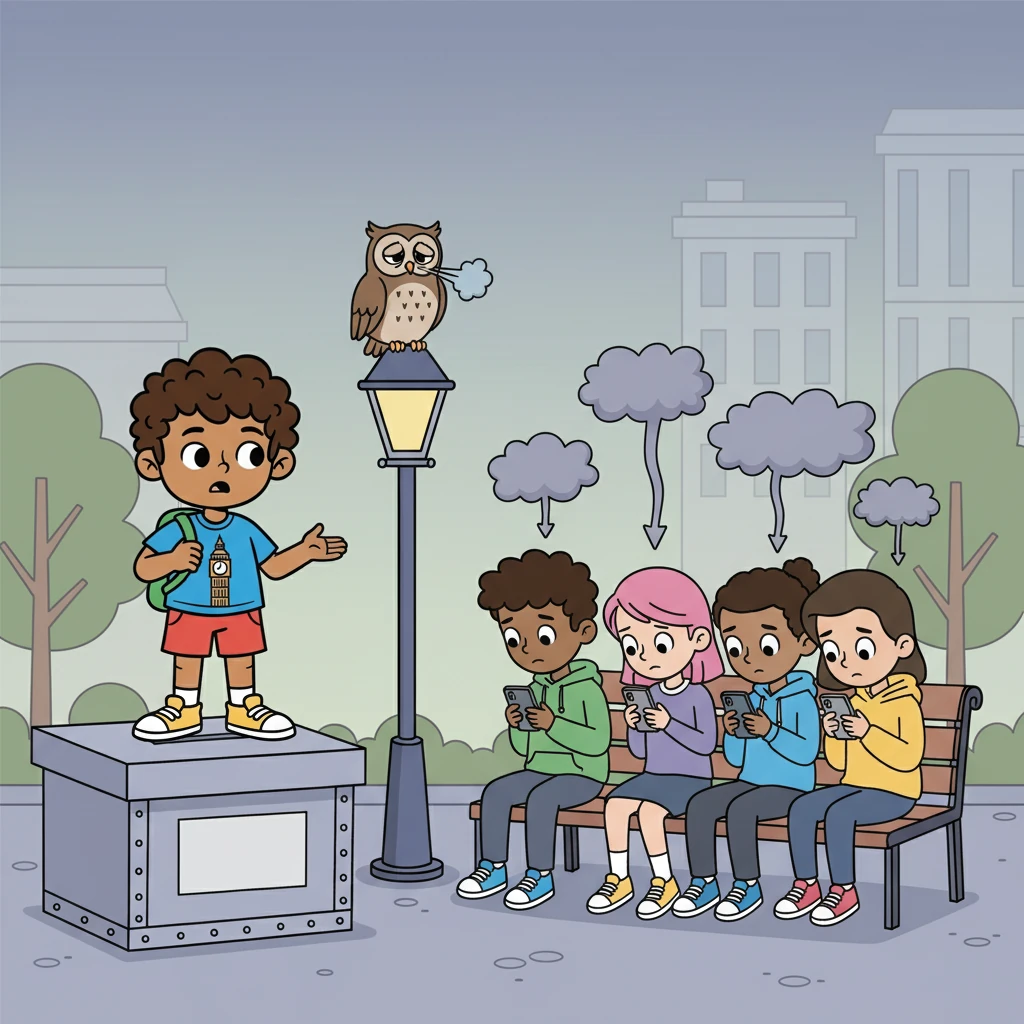
The crowd seemed a bit sparse, and the energy was low. Ravbinder noticed a group of older folks chatting animatedly, while the younger ones were glued to their phones. 'See that?' the owl squawked. 'Policy skew! Older people vote more, affecting what government does!'
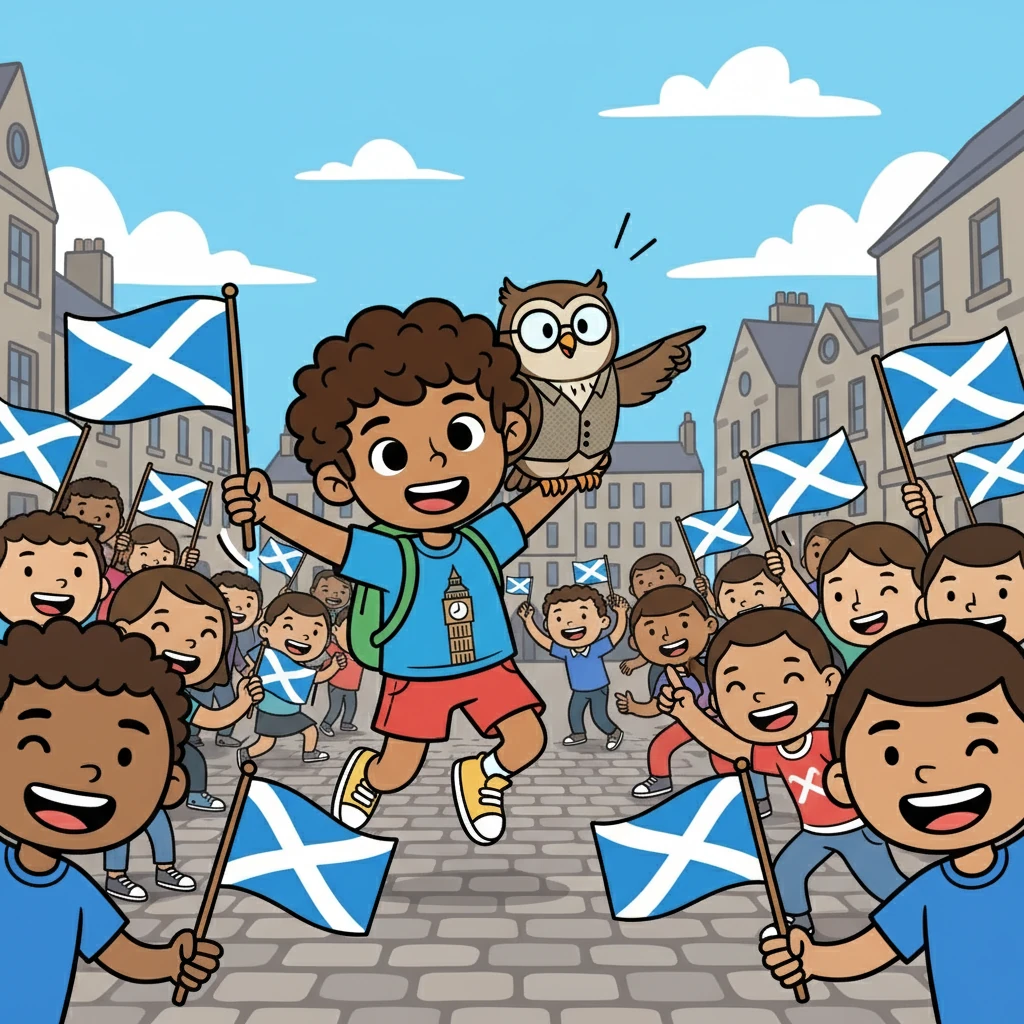
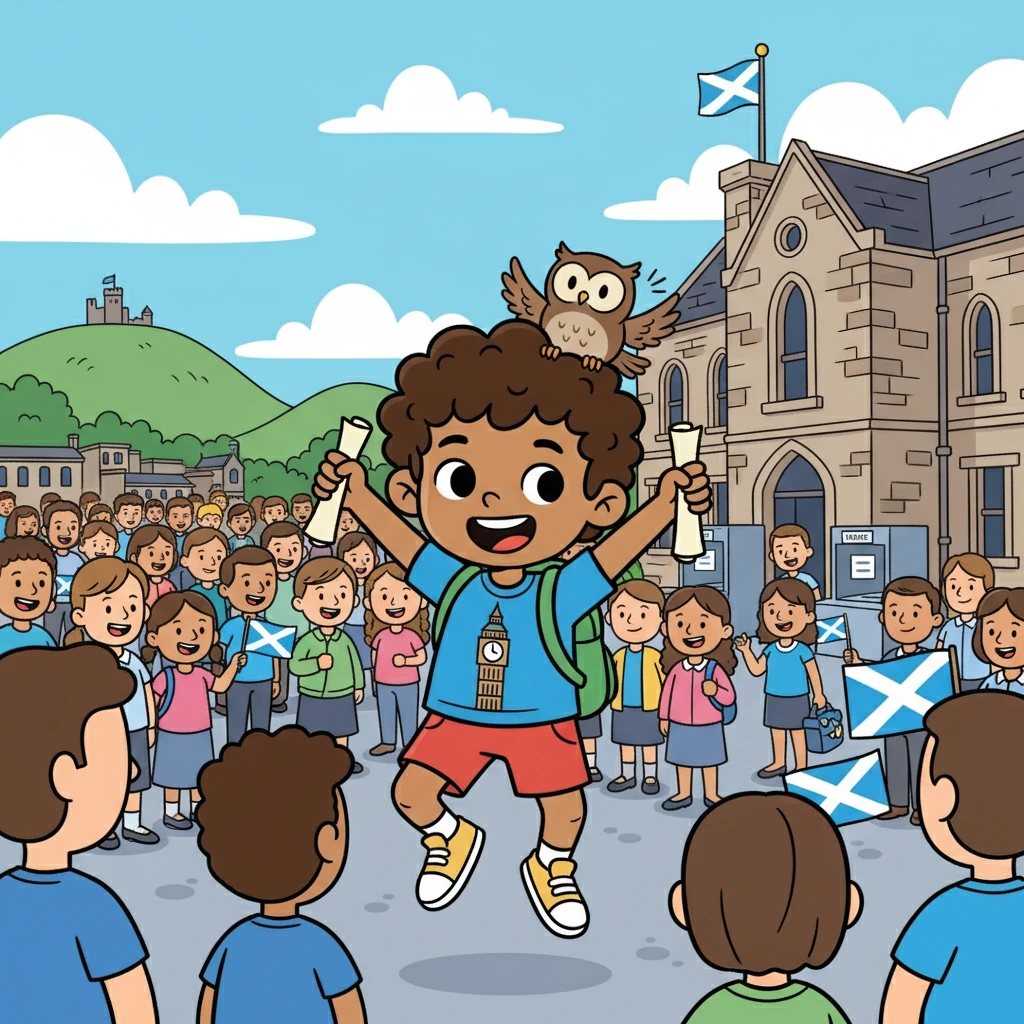
Next, they zoomed to a referendum on Scottish independence. The energy was electric! Flags waved, and everyone was buzzing. 'High salience!' the owl yelled. 'When people care, they vote! But this doesn't fix everyday low turnout.'
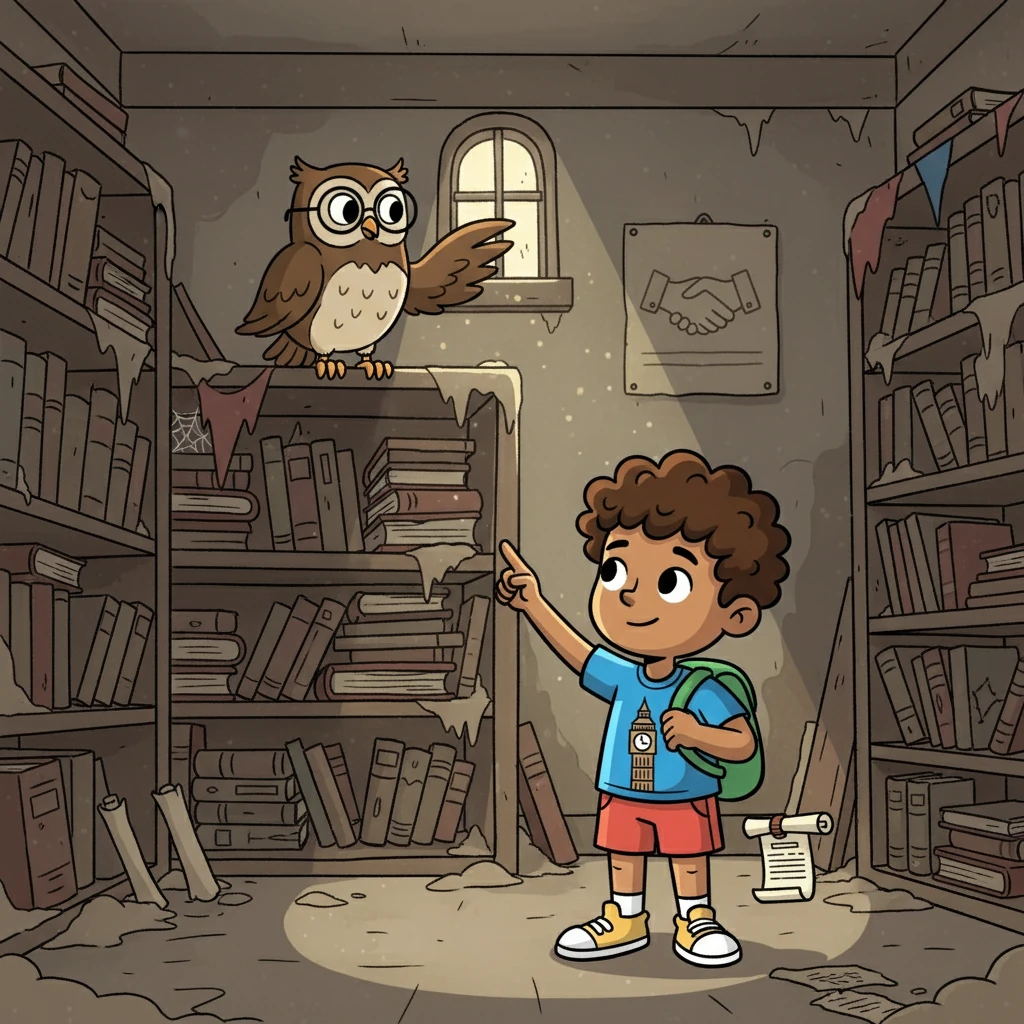
Then, Ravbinder found himself inside a dusty old building. 'This is Party HQ,' the owl explained. 'Membership is dwindling! Only a tiny percentage of people are in parties anymore! It's sad, innit?'
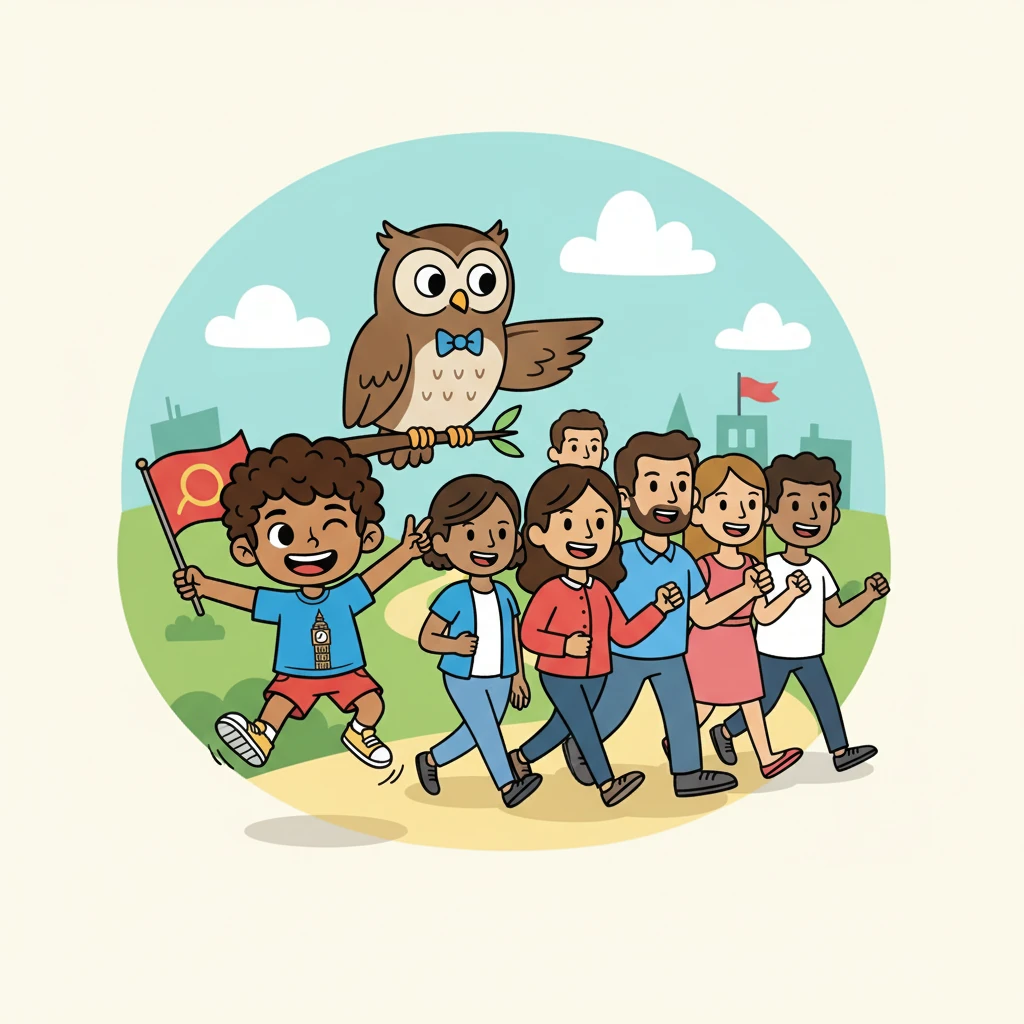
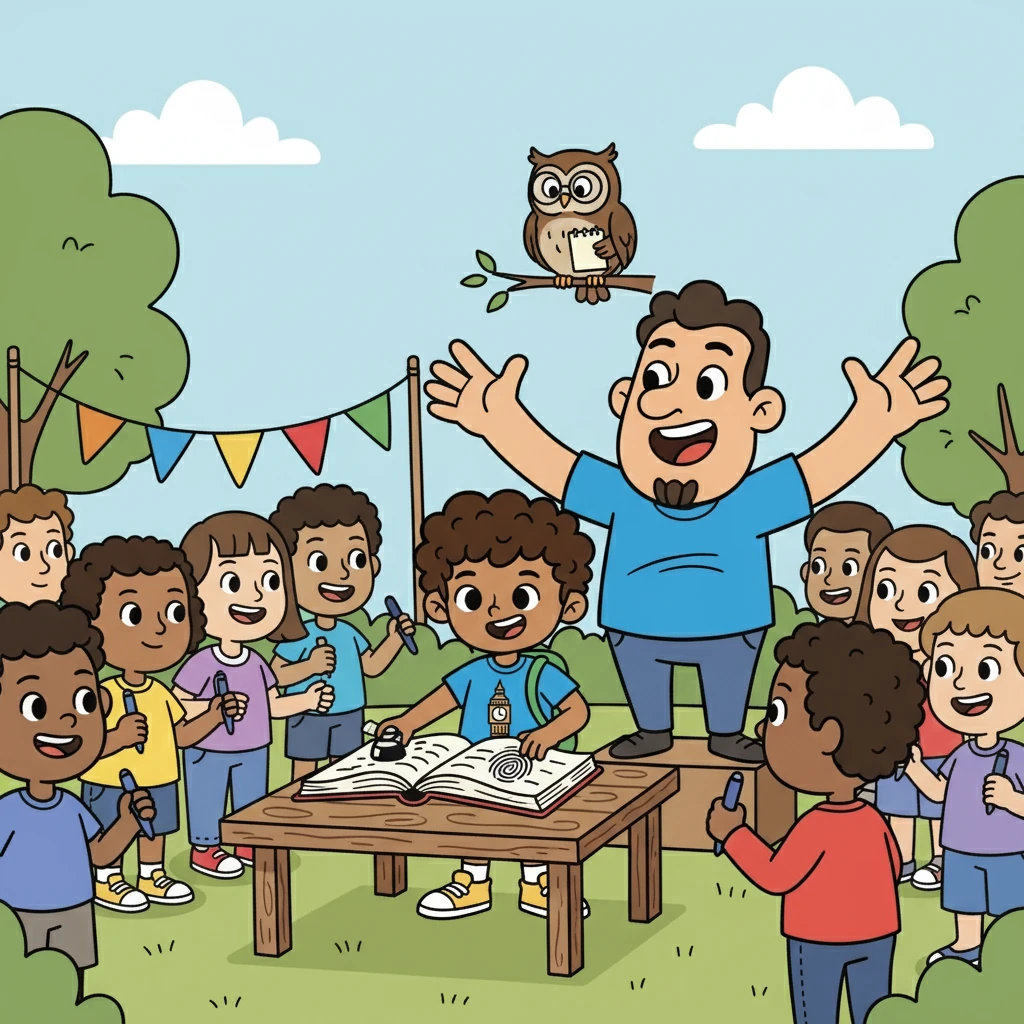
Ravbinder saw a flashback: A young, energetic Labour supporter, and a crowd of people joining the party. 'Sometimes, parties get a boost with a new leader, and membership rises!' the owl exclaimed. 'But it doesn't last!'
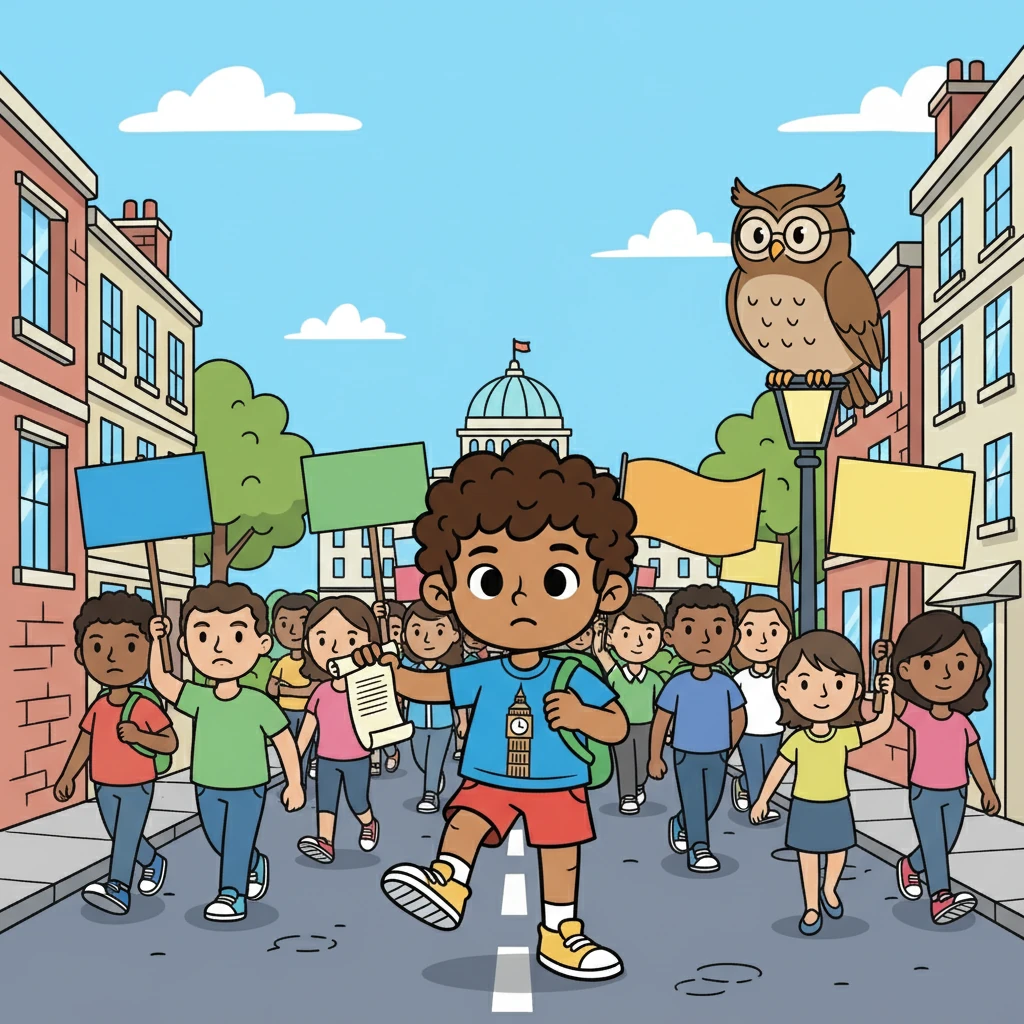
He witnessed a series of protests and petitions, people marching for various causes. 'This is informal participation!' the owl chirped. 'Protests, petitions, all that. But they don't give the government a mandate like voting does.'
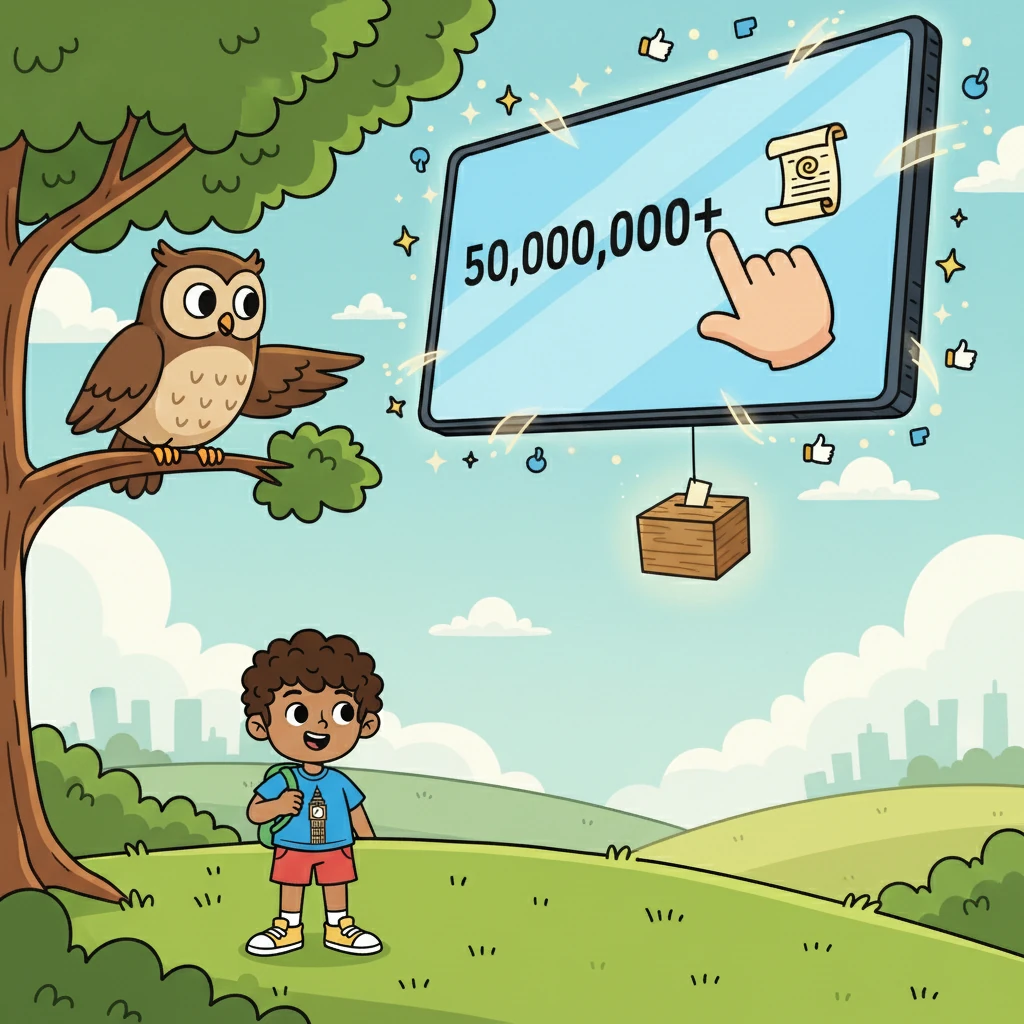
Ravbinder saw a digital petition with millions of signatures, but nothing happened. 'Slacktivism, fam,' the owl sighed. 'Doesn't mean much in the real world of power.' He saw a debate over winter fuel payments, with the same result.
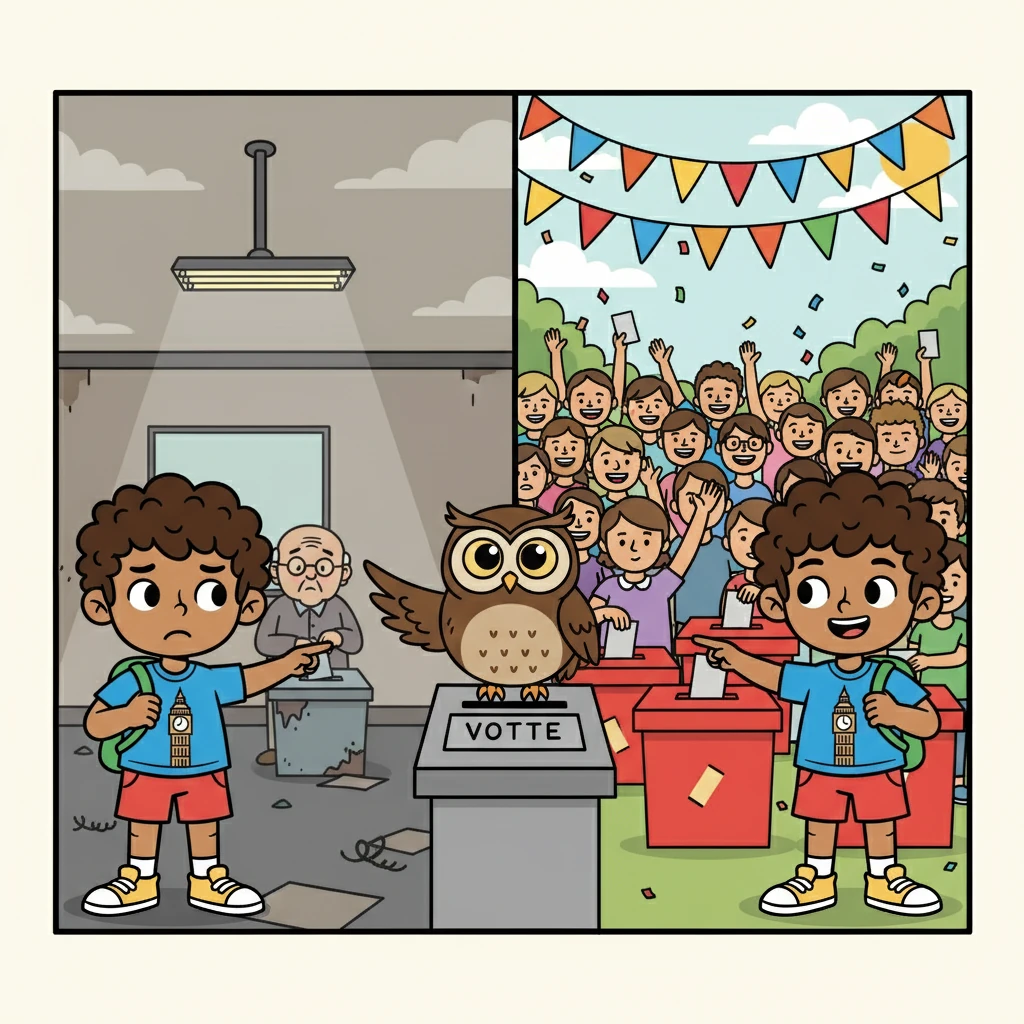
The owl took Ravbinder to a split screen. One side showed a vibrant, well-attended election; the other, a sparsely populated polling station. 'See the difference?' the owl asked. 'Voting gives a clear mandate!'
Ravbinder's next stop: the Scottish Referendum. He saw the excitement, the passion, and the high turnout, people really cared about the issue. 'This is how it should be!' the owl exclaimed. 'But it's not the norm.'
They visited a bustling party meeting, where new members were signing up, energized by a charismatic leader. 'A surge of support, but it's not enough to fix the long-term problem,' the owl noted.
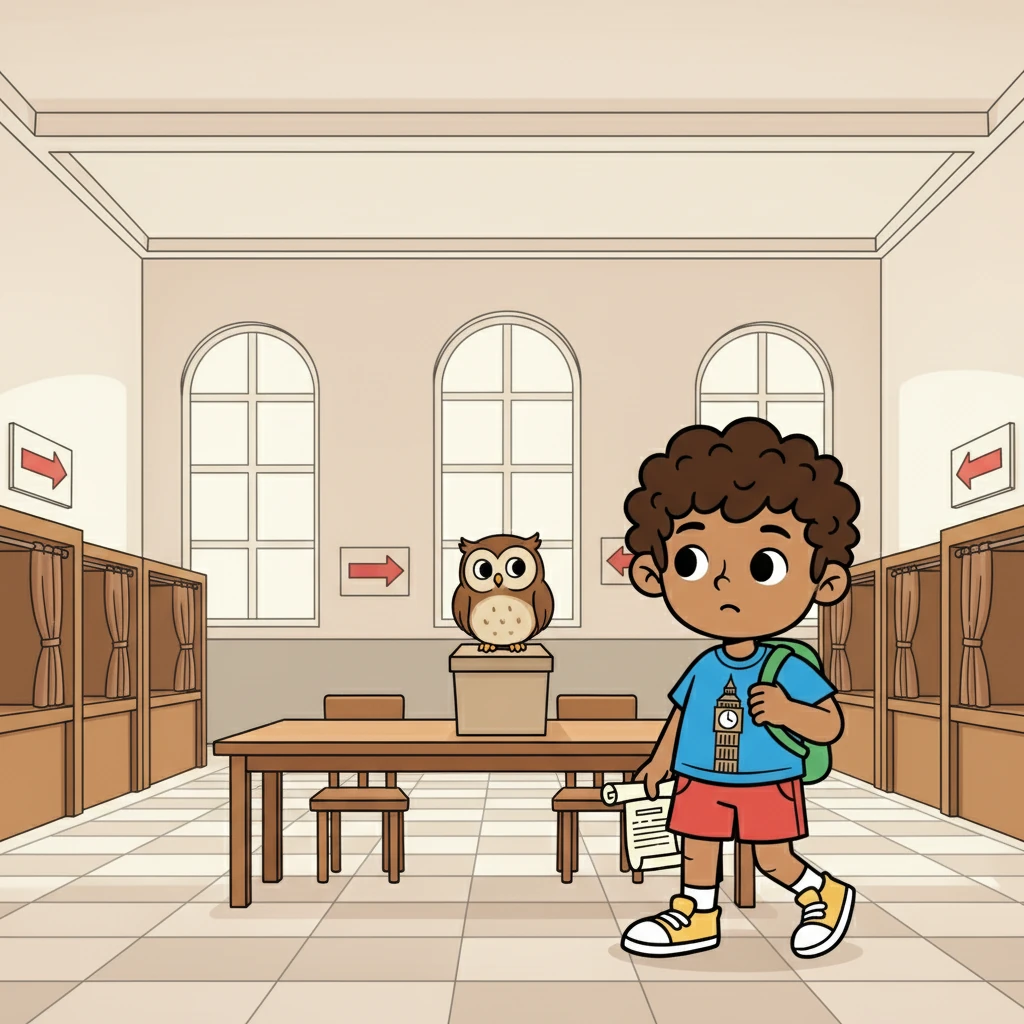
Ravbinder saw an empty polling station, representing the low voter turnout in modern UK. The owl explained that it meant the government's claim to power was weakened.
The owl showed Ravbinder a montage of protests and demonstrations, highlighting the rise of activism outside of formal channels. 'People are making their voices heard!' the owl cheered, but was it enough?
Ravbinder witnessed a digital petition gaining millions of signatures but having little impact on policy. The owl explained how these efforts fall short of the power of the ballot box.
He saw a group of young people, disengaged and cynical, scrolling through their phones instead of participating in elections. 'Hapathy, innit?' the owl sighed. 'People don't care, or think it doesn't matter!'
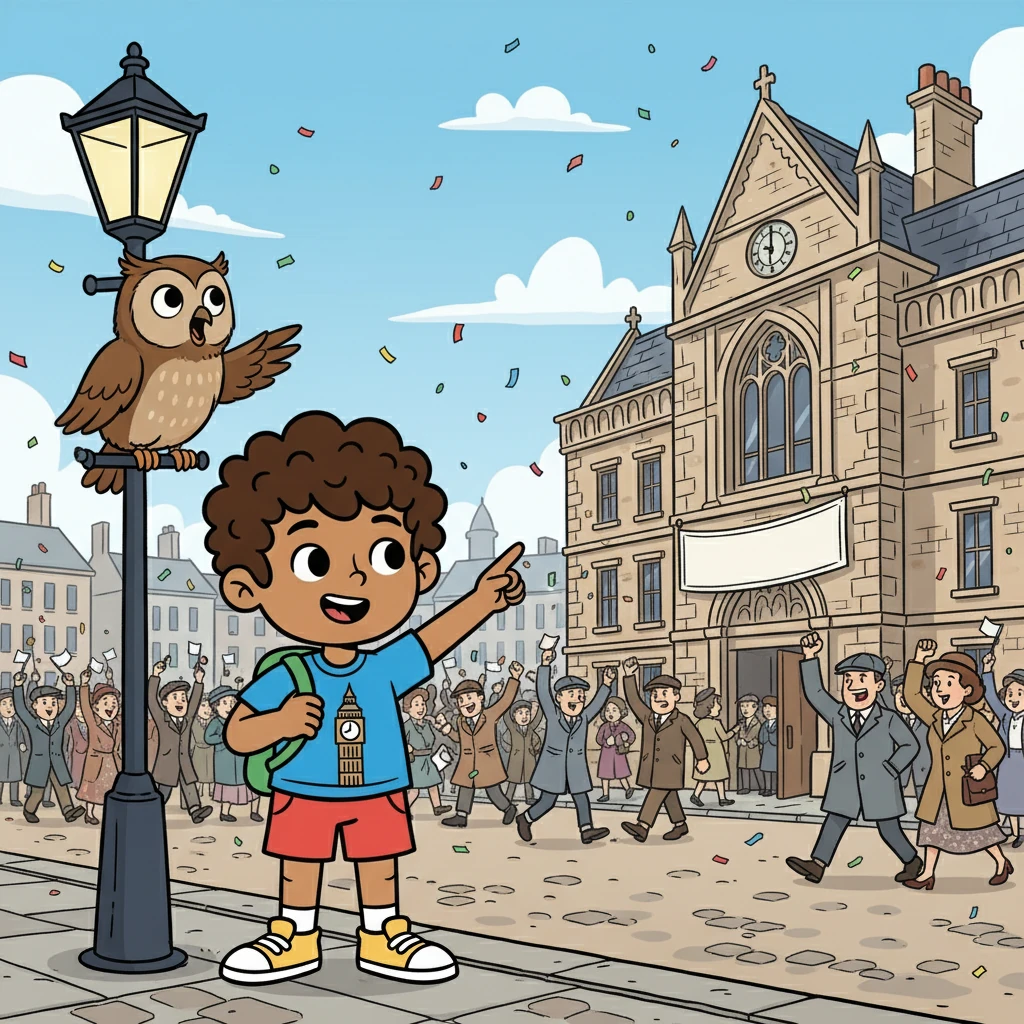
They traveled to the past, witnessing the high voter turnout of the post-war era. 'Things used to be different!' the owl hooted. 'We need to get back to that level of engagement!'
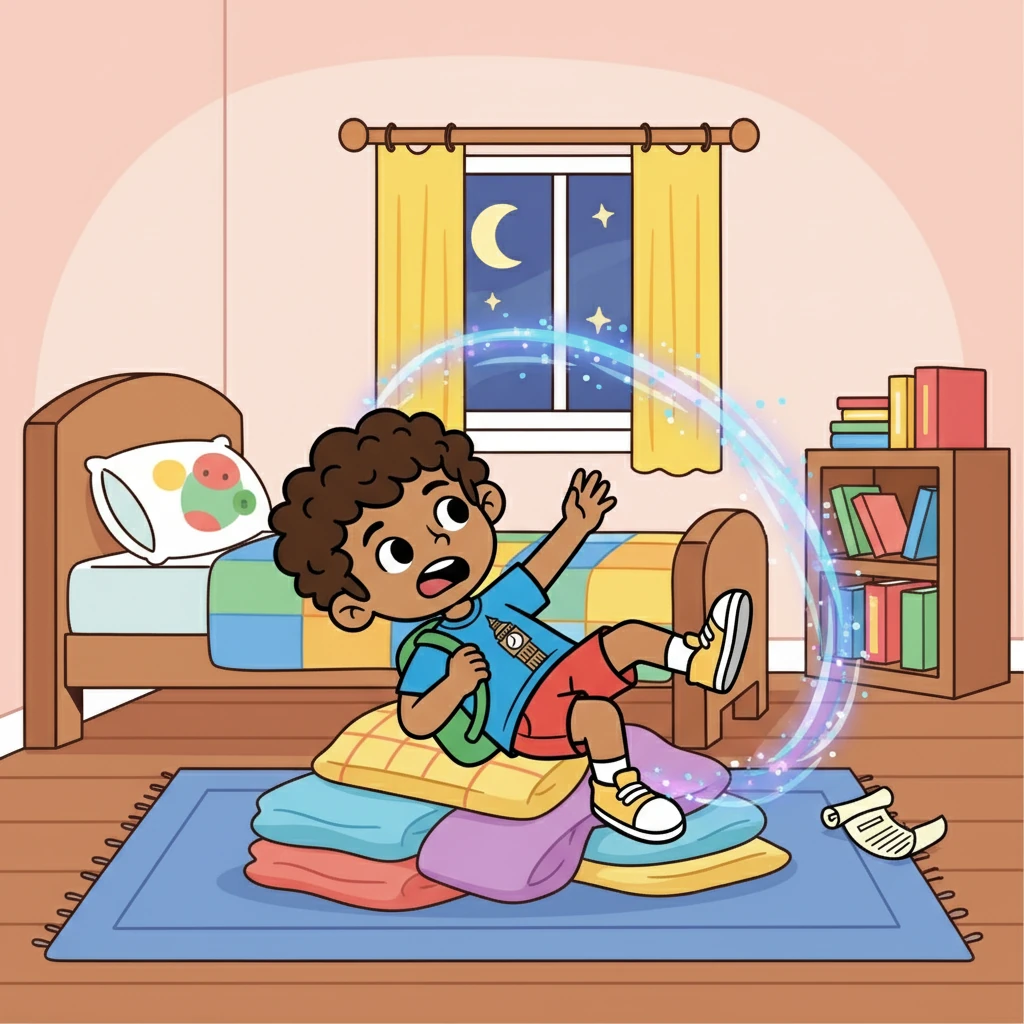
Ravbinder felt a tug, and he was back in his room, the portal gone. He understood now: low turnout, thin membership, and weaker attachment to governing parties were the problem.
The owl reappeared, giving Ravbinder a knowing nod. 'Remember, Rav: participation isn't gone, it's just shifted. But the channels that give power are the ones in decline!'
Ravbinder smiled. He got it! UK democracy had a participation crisis, but he knew what to do. Maybe, just maybe, he could help fix it! He knew he had to get involved. He was ready to make a change.
Prompt de geração(Faça login para ver o prompt completo)
transform this a level model essay plan and disguise as a fun story that when recalled has all the contents of this full marks essay based on aqa a level politics official spec requirements. the story must be aimed at inner city gen z kid with a poor reading age, yet who must be able to recall all the details of this essay in a fun immersive, show and tell story , using dialogue to help explain and share emotion and make the story come to life. a lead character hets transported to the places in question and can even time travel. they see everything thats happening. each politics a level essay "example" eg scottish referendum must have its own visual for recall purposes. the images are study aids designed to help the student recall. make it a funny and engaging journey yet don't forget, it must contain all the content of the model answer pasted here, its a full marks a level essay disguised as a story! tone of dialogue should be inner city relatable. fail criteria for illustrations if they dont clearly illustrate the core points being made in that part of the essay;Evaluate the view that UK democracy is in a participation crisis (30) Introduction A participation crisis is when too few citizens use the formal channels that create electoral mandates—mainly voting and party membership. UK turnout and party membership have fallen, while informal activity (petitions, protests, pressure groups) has risen. The issue is whether the latter can compensate for the former. 1) Elections and referendums For Turnout is well below the post-war norm (76% in 1945–97) and was ~59.8% in 2024, weakening mandates. “Second-order” contests attract fewer voters (e.g., Senedd 46.6% in 2021; Scottish Parliament 63.5% in 2021). In 2017, the 65+ turnout was ~25 points higher than 18–24s, amplifying policy skew. Mechanistically, thinner electoral inputs weaken a government’s claim to broad consent—its mandate. Against When salience is high, people vote: 2014 Scottish independence 84.6%; 2016 EU 72.2%. That implies disillusion with politicians, not politics; some cite “hapathy”. But hapathy cannot explain low turnout in 2010 and 2024. Mini-judgement Referendums show potential interest, but routine electoral participation remains too low to sustain strong mandates → crisis. 2) Party membership For Only ~1.6% of the electorate now belongs to a party (down from 3.8% in 1983). Labour and Conservative memberships have fallen (e.g., Labour ~500k → ~370k). On a “developmental” view—regular citizen involvement—this is a problem. Against Mobilisation surges occur when parties channel change (Labour 2015 £3 membership; post-indyref SNP; Reform UK growth). Yet Labour+Conservative together won only 57.4% in 2024, signalling eroded attachment. The “protective” view says mass involvement isn’t essential—just enough for legitimacy. However, structurally low membership in the parties that actually govern plus a thin two-party vote share weakens the citizen–party linkage and thus the mandate pipeline. Mini-judgement Surges are episodic; structural low membership of governing parties weakens linkage and legitimacy → crisis. 3) Other participation (pressure groups, protests, e-petitions) Against Engagement has shifted: large protests (e.g., Gaza ceasefire), pressure-group activity, and major e-petitions (6m Revoke Article 50; 590k+ Winter Fuel Payments). Parties adjusted under pressure (e.g., some arms export licences to Israel suspended in Sept 2024). This is real participation between elections. For But much digital action is low-cost “slacktivism”; even 2.9m signatures for an immediate general election only triggered a 2025 debate. Petitions/protests pressure but do not allocate power; without voting/membership the mandate weakens. They do not constitute consent. Mini-judgement Interest ≠ institutionalised consent. Informal channels can’t replace elections/parties in legitimising authority → crisis remains. Conclusion Participation hasn’t vanished; it has migrated. Yet the channels that confer mandates—voting and party membership—are the ones in decline. Persistently low turnout, thin membership and weaker attachment to governing parties outweigh high-salience referendums and extra-parliamentary activism. UK democracy is therefore in a participation crisis because the mandate-creating channels are weakening.