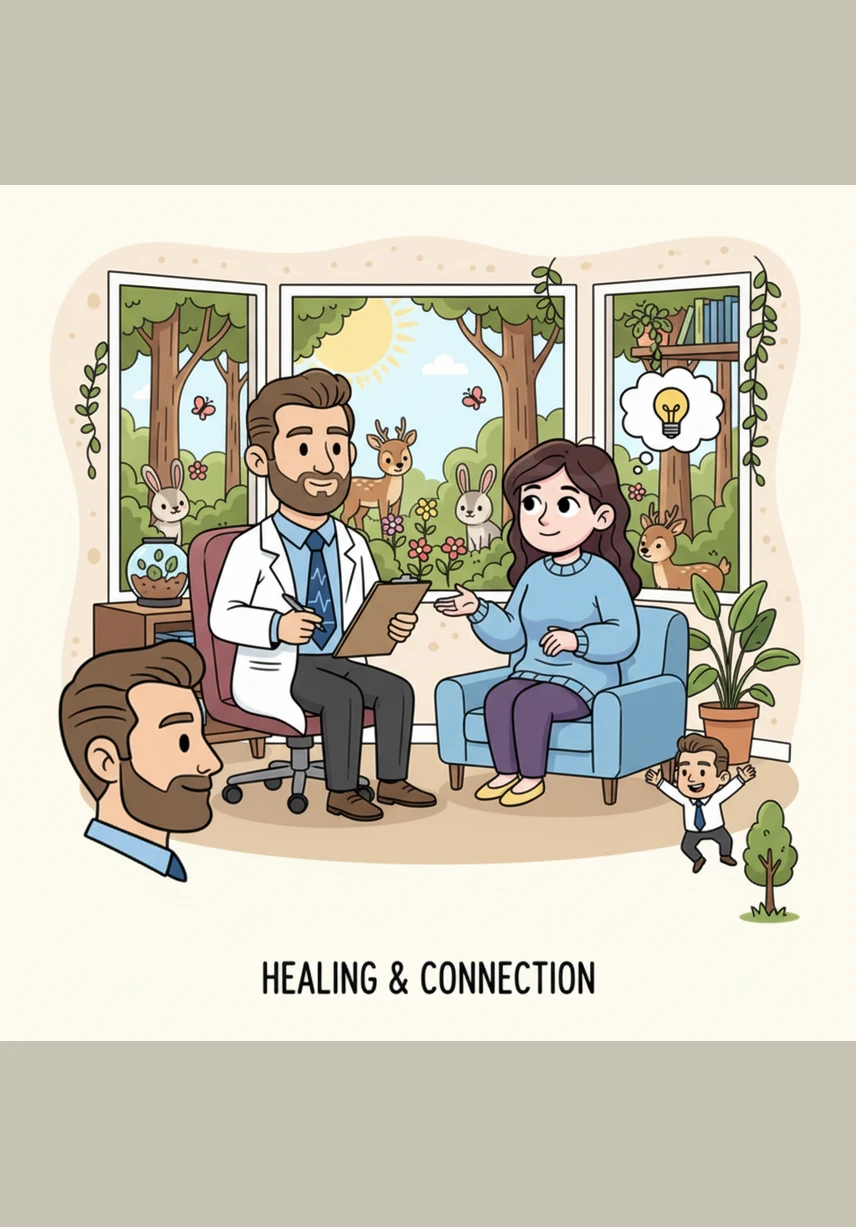
Join Dr. Julian as he navigates the complex landscape of the human mind in the face of a changing planet. This moving story explores the intersection of mental health and environmental crisis, offering hope and practical wisdom for finding balance in an uncertain world. It is a must-read for anyone seeking to understand the emotional impact of climate change and the power of professional empathy.
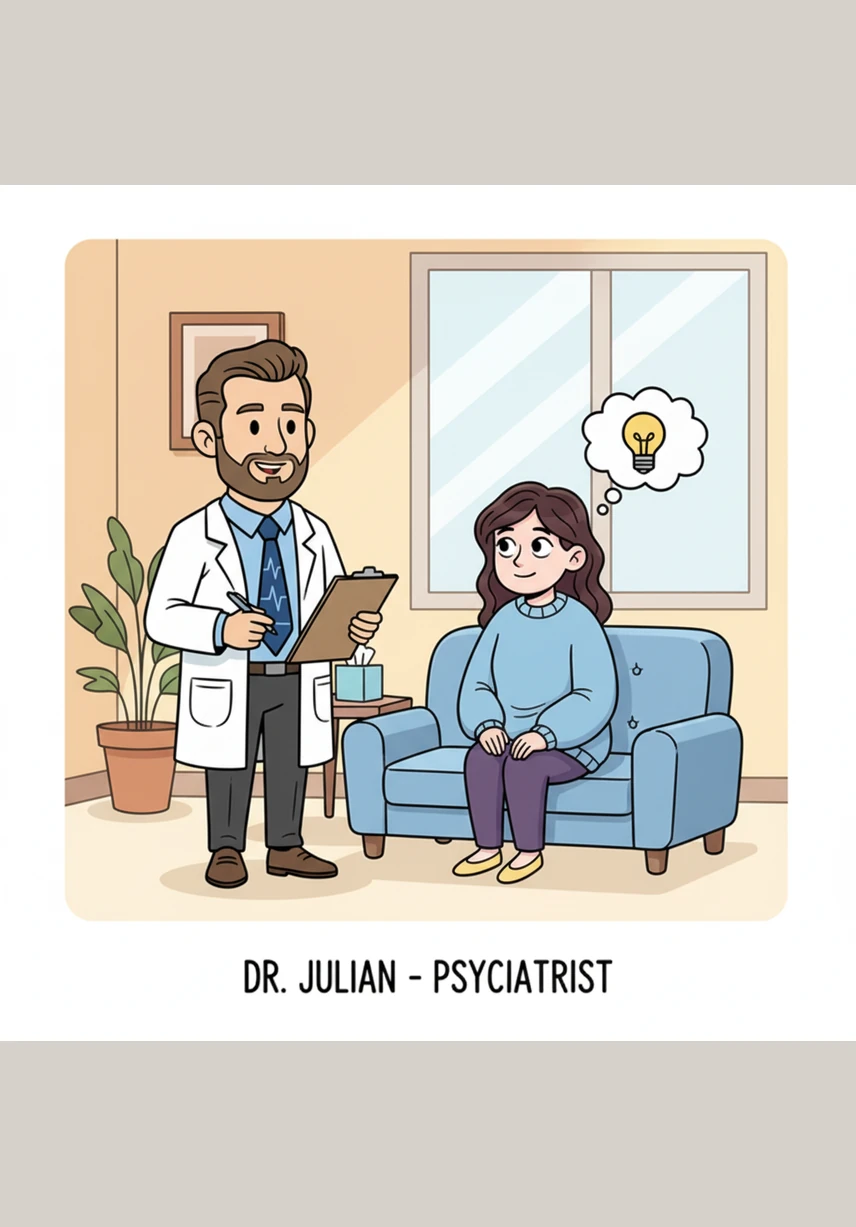
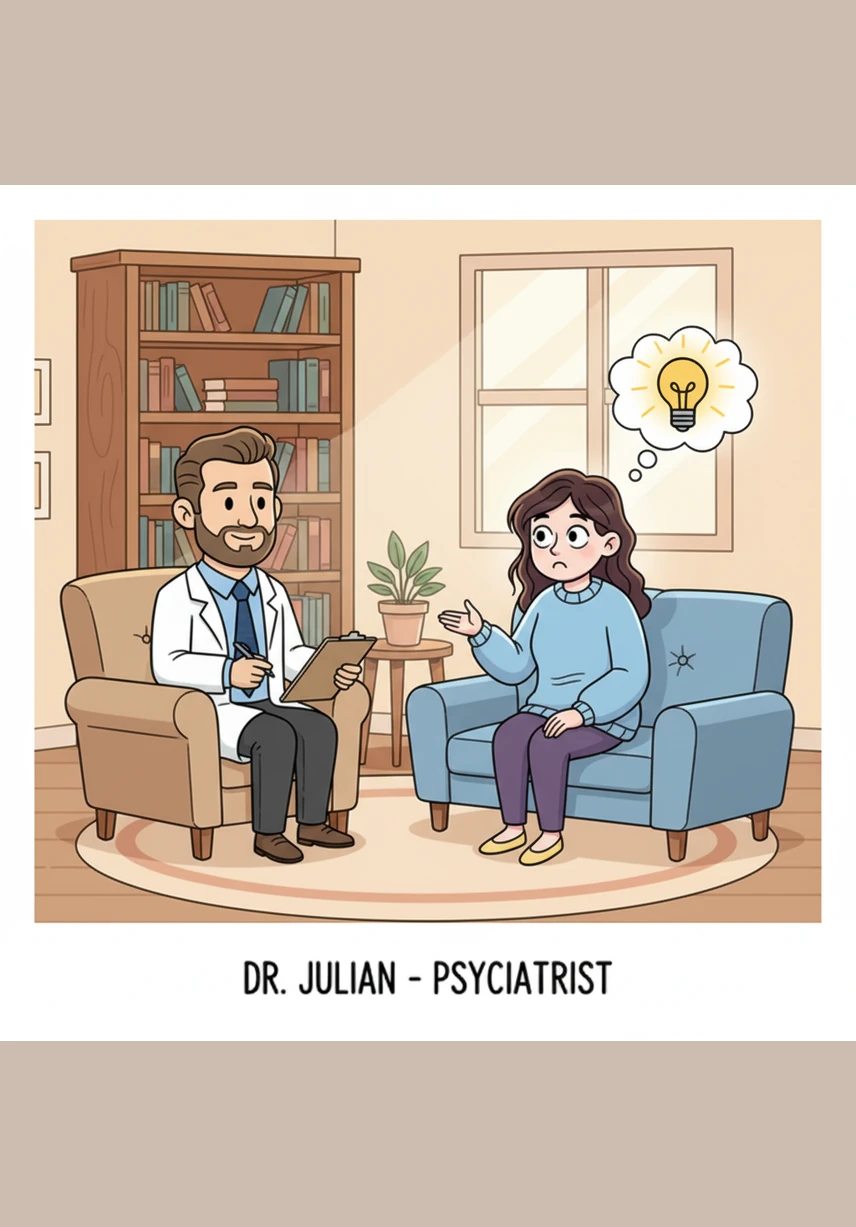
Dr. Julian sits in his quiet office, noticing a recurring theme in his patients' stories. Instead of typical stressors, they speak of melting glaciers and the disappearing birds in their gardens.
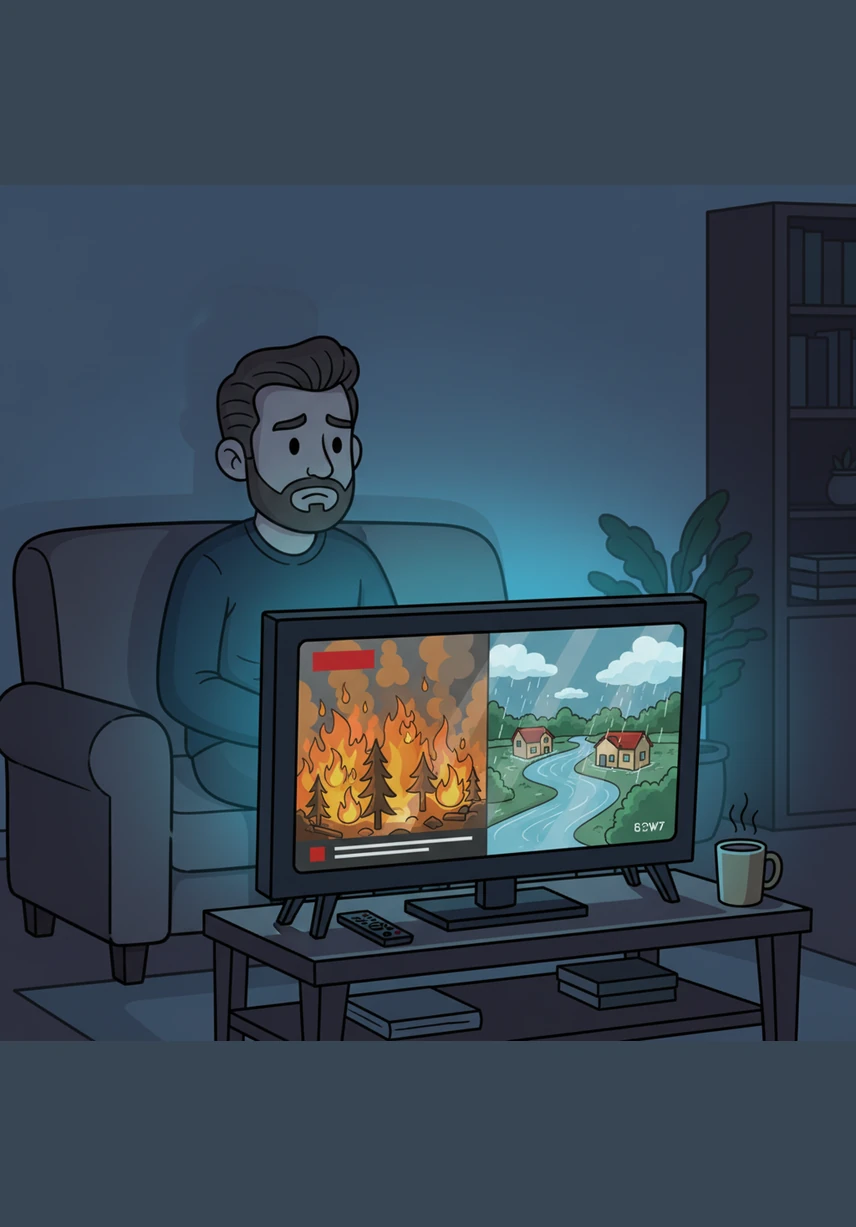
That evening, the blue light of the television illuminates Julian’s concerned face. News reports show raging wildfires and historic floods, making the global crisis feel personal and urgent.
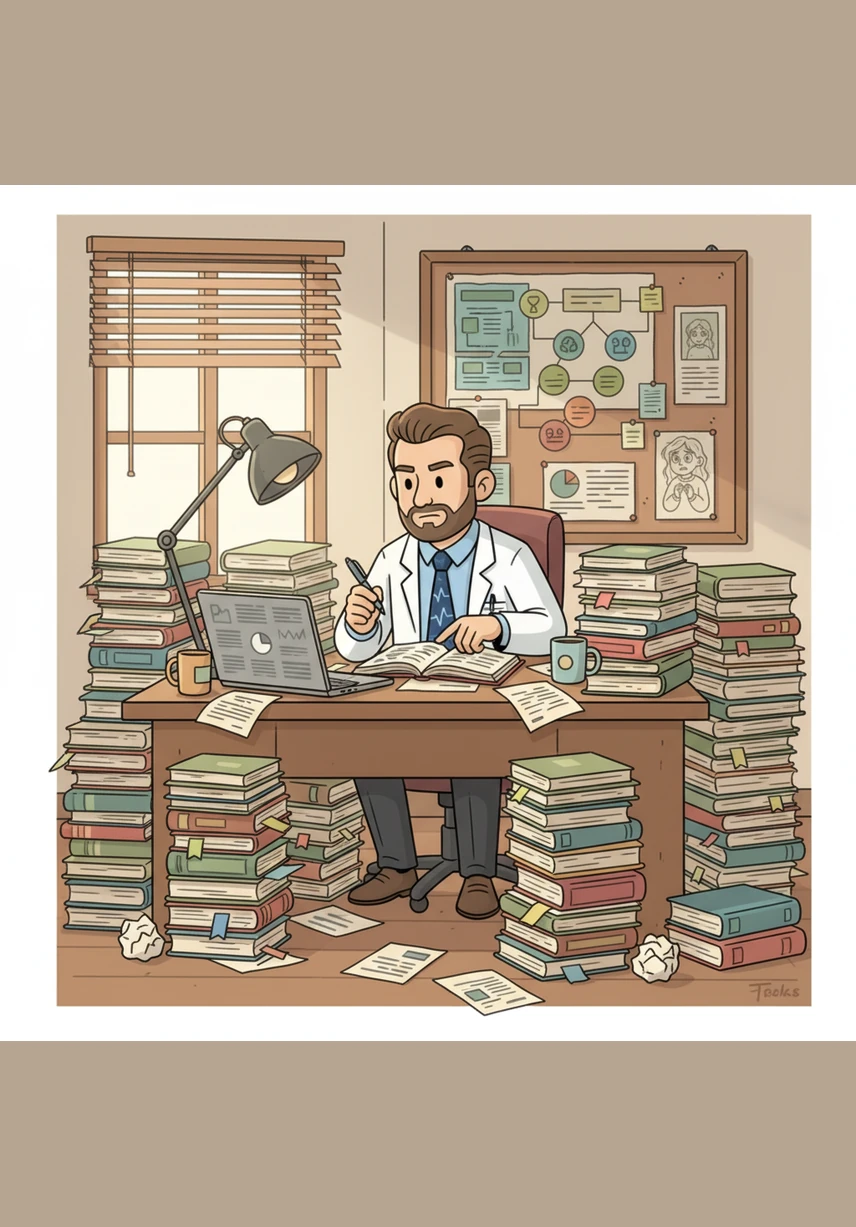
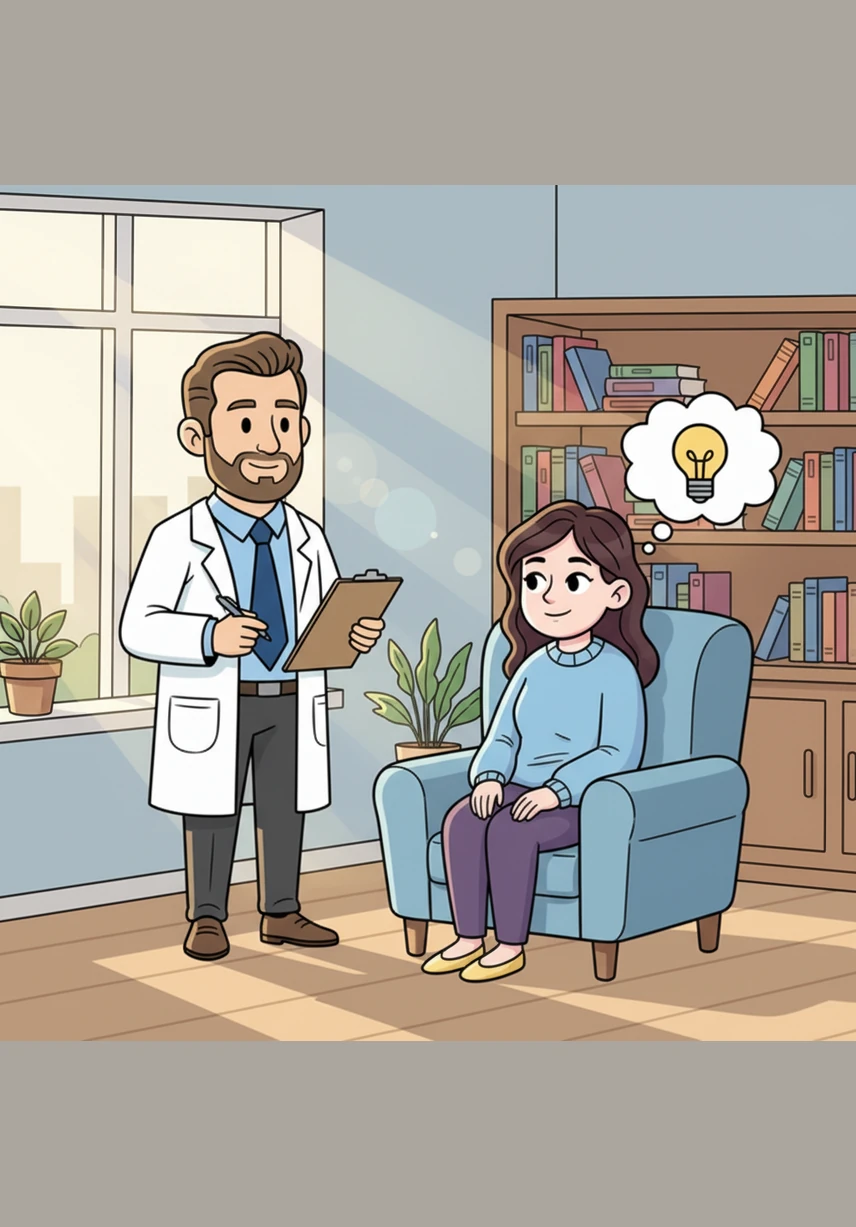
Determined to help, Julian spends his weekends surrounded by stacks of research papers and medical journals. He realizes he must learn how to treat a heart that breaks for the state of the Earth.
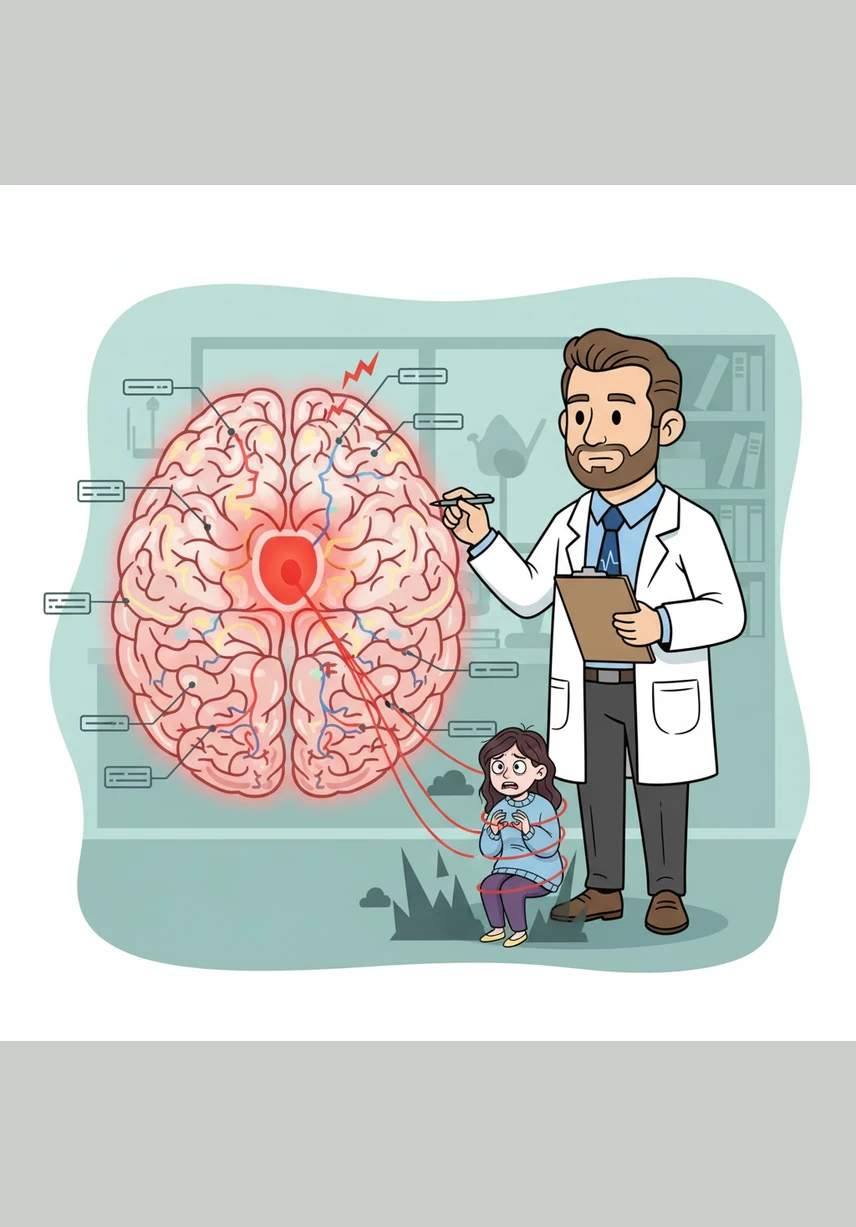
He studies the intricate pathways of the human brain, seeing how the amygdala reacts to environmental threats. He discovers that the body stays in a state of constant alert when the world feels unsafe.
Julian realizes that this anxiety is not a disorder to be cured, but a rational response to reality. The fear his patients feel is a deeply human connection to the natural world they love.
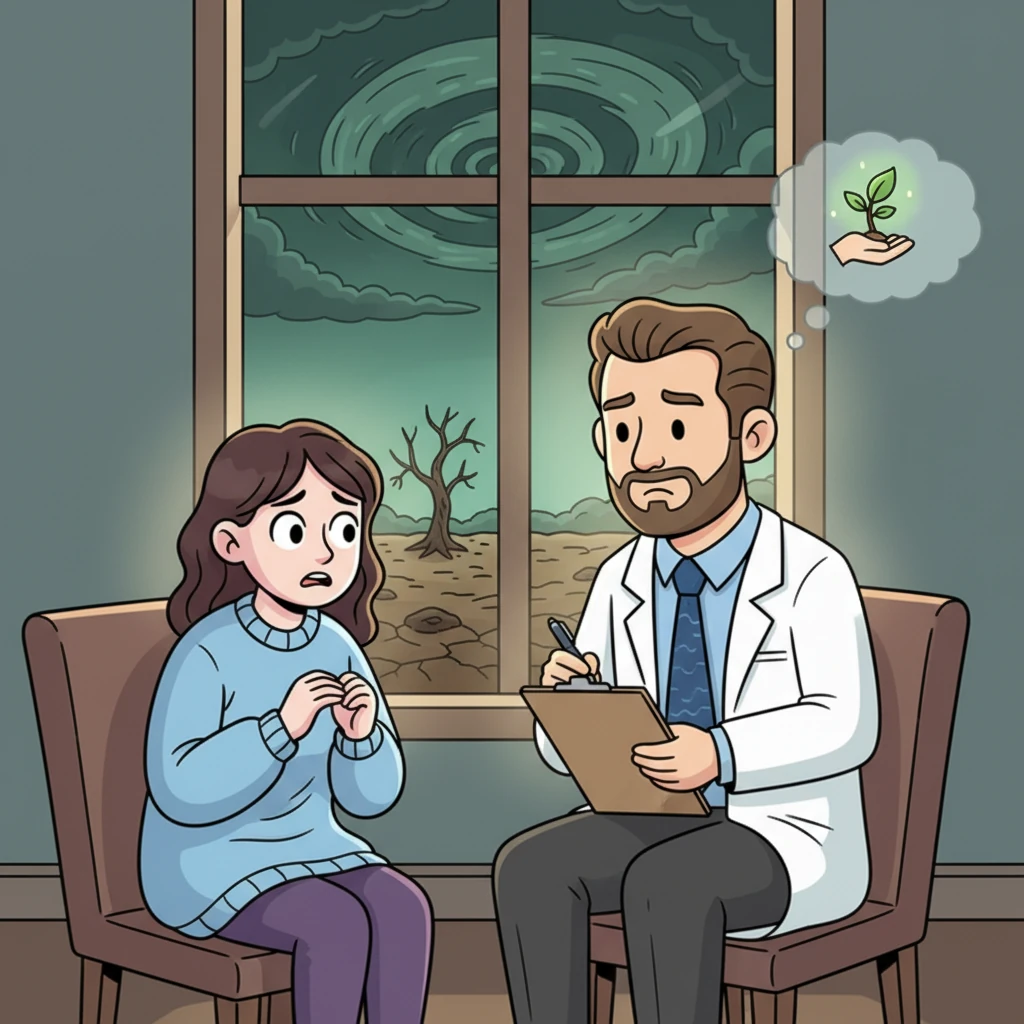
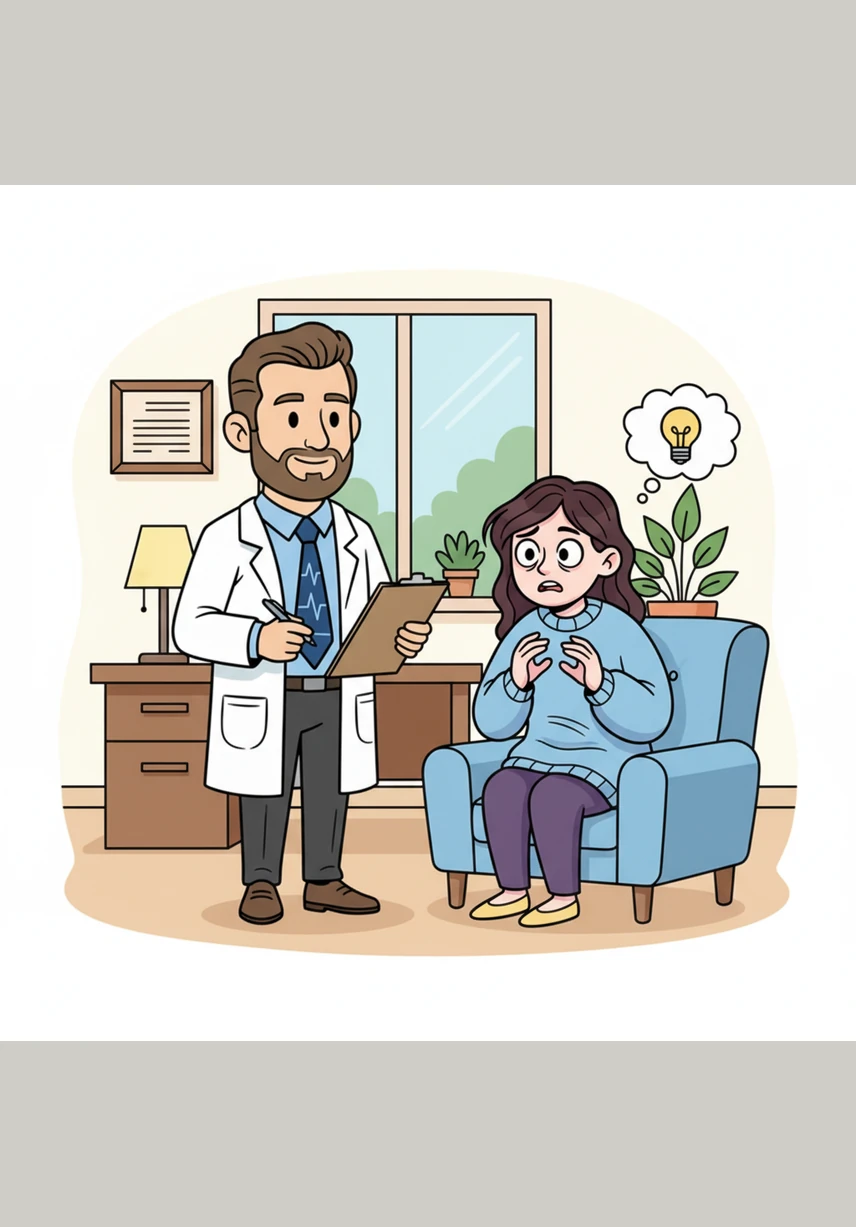
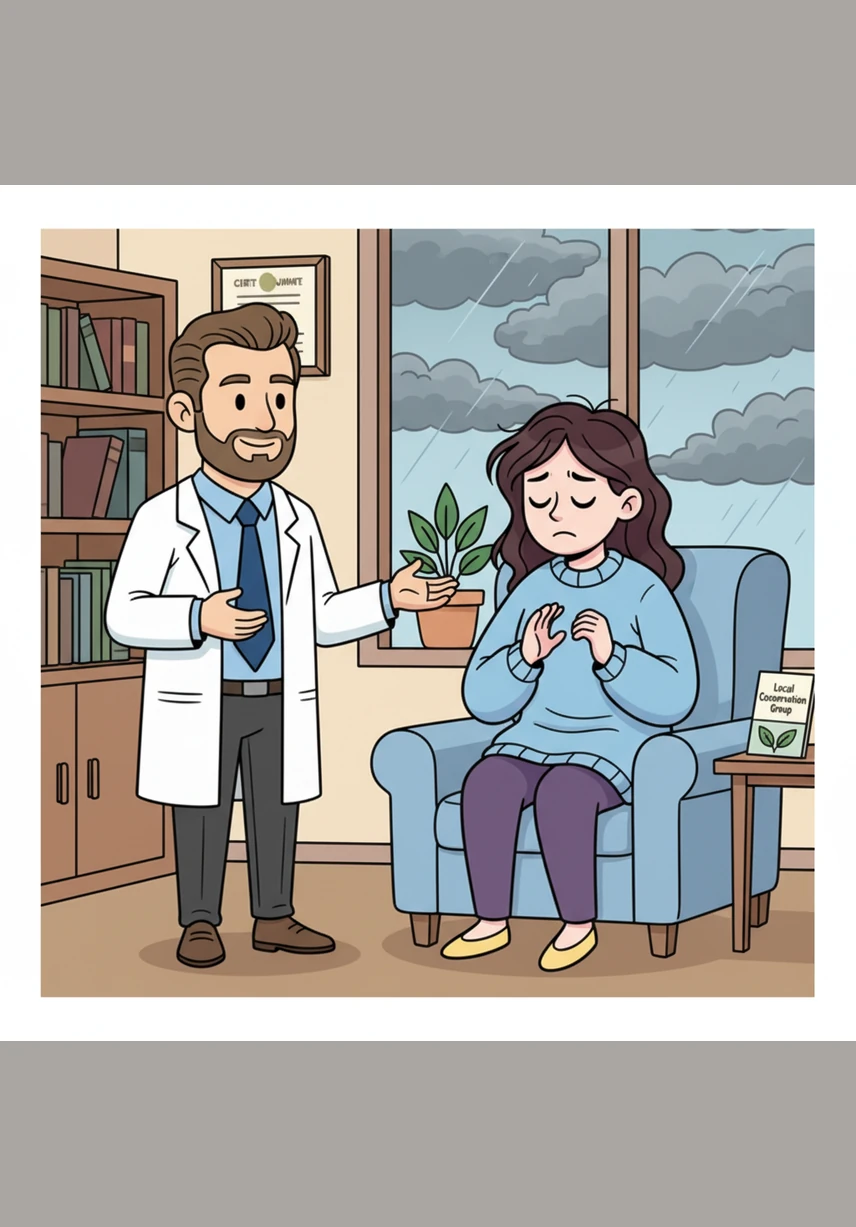
A woman named Elena visits the clinic, her hands trembling as she describes the flood that took her home. The trauma of the natural disaster has left her feeling adrift and deeply afraid of the rain.
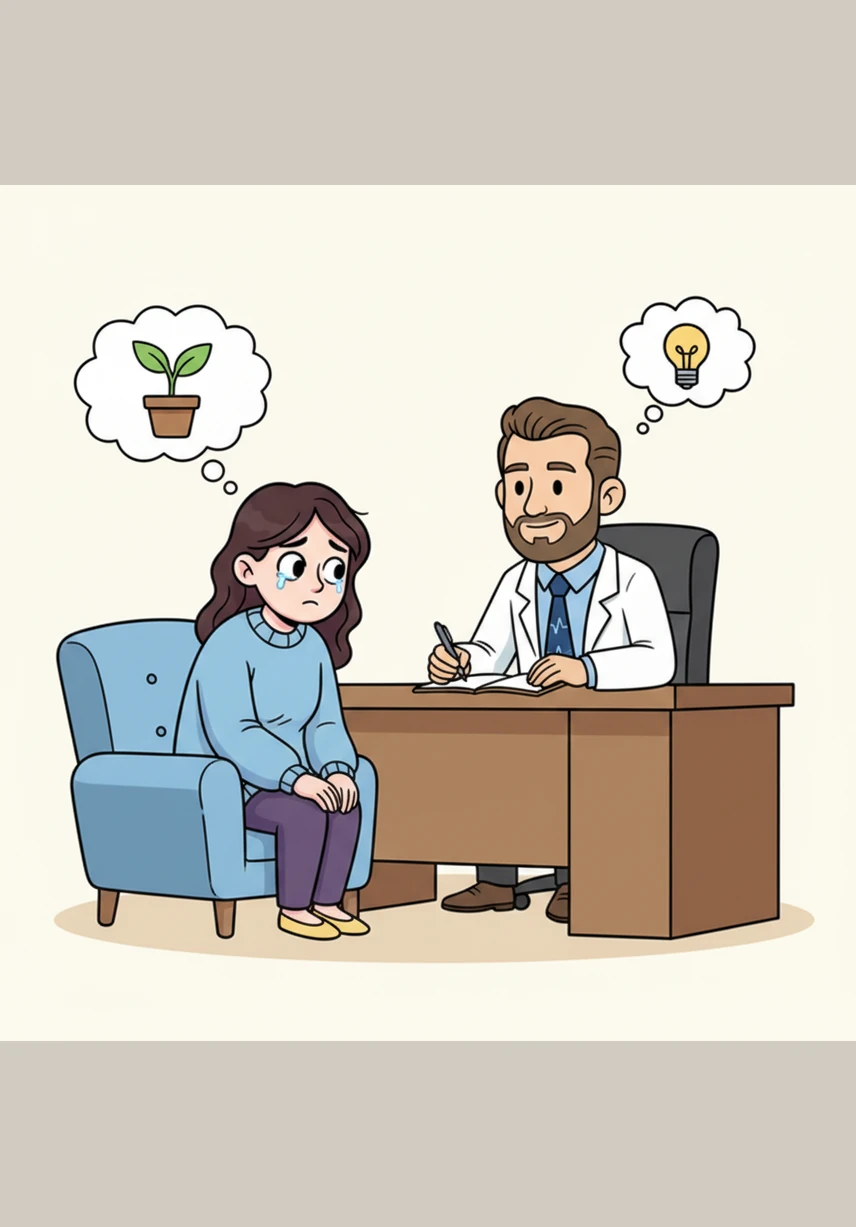
Julian leans forward, listening with his whole heart to Elena’s story of loss. He validates her feelings, letting her know that her grief for her home and the planet is both seen and understood.
The doctor begins to develop new therapeutic strategies that combine traditional care with environmental action. He realizes that helping patients find a way to contribute to the planet can be a powerful form of healing.
During their next session, Julian teaches Elena grounding techniques to manage her panic when the clouds turn grey. They talk about joining a local conservation group to turn her fear into meaningful community connection.
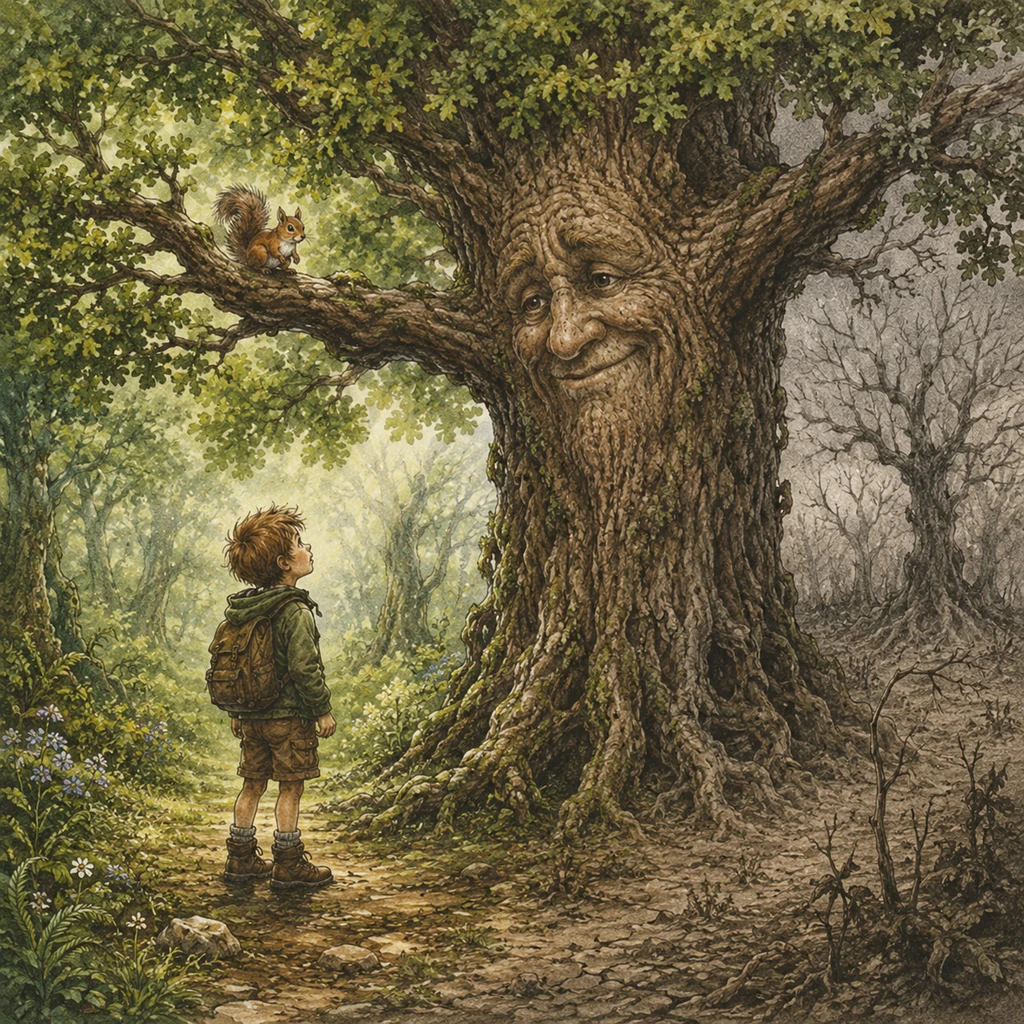
Looking out at the green leaves of a sturdy oak tree, Julian feels a renewed sense of professional mission. He is no longer just treating symptoms; he is helping people find the resilience to face a changing world together.
生成提示词(登录后查看具体 Prompt)
Create a 10-page illustrated story. Title: Ecoanxiety: A New Clinical Challenge Author: Iván López Quispe Theme: A psychiatrist learns to help patients who suffer anxiety caused by climate change. Instructions: Each page must include a short description of the scene Include 2–3 sentences per page Add short dialogues when appropriate Use clear and simple language Keep the story coherent and progressive Structure: Page 1: The doctor notices a new type of anxiety in his patients Page 2: He watches climate disasters on the news and feels concerned Page 3: He decides to learn more about this problem Page 4: He understands how anxiety works in the brain Page 5: He realizes the fear is based on real events Page 6: He meets a patient affected by a natural disaster Page 7: He listens carefully to the patient’s story Page 8: He decides to help using new strategies Page 9: He applies techniques to support the patient Page 10: The doctor reflects and feels ready to help others Make it visual, emotional, and easy to understand.