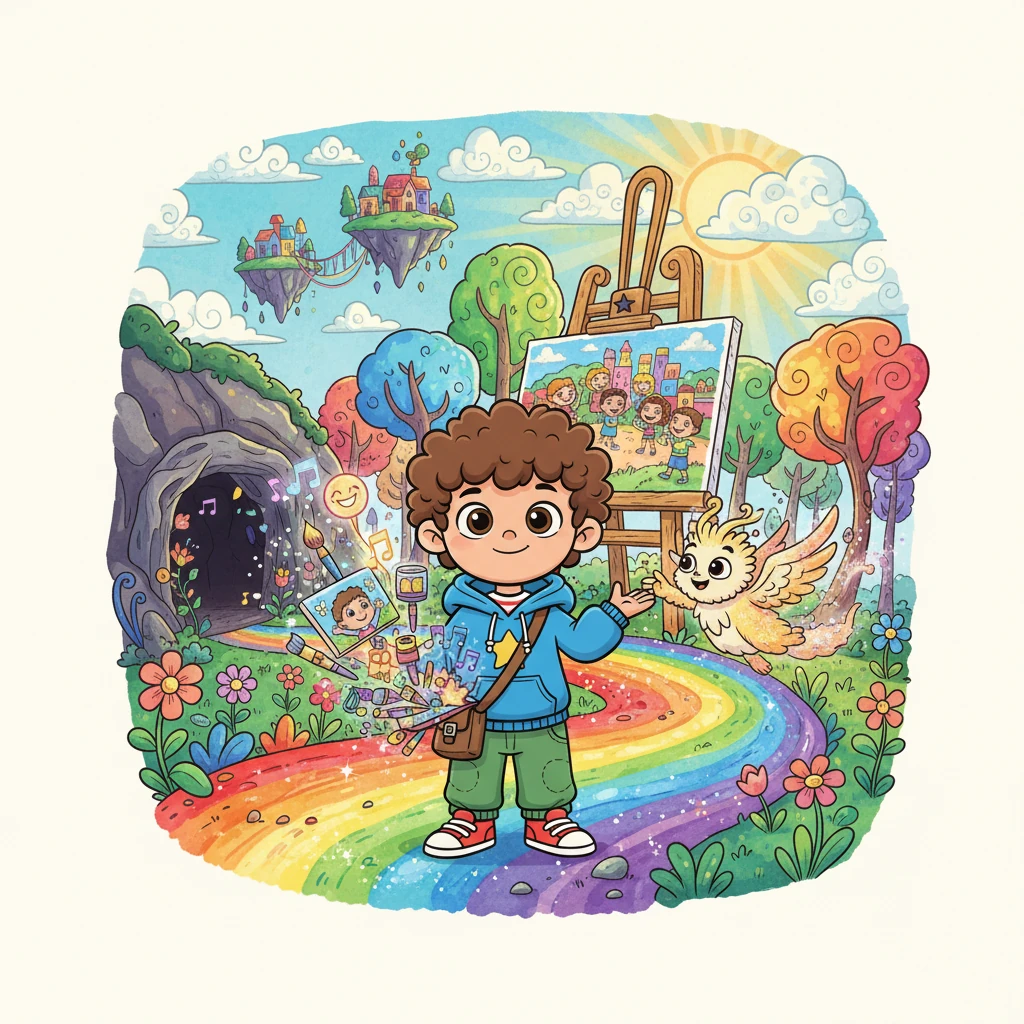
Discover the heartwarming journey of Lucas, a quiet boy who carries a hidden sorrow, in this vibrant and emotionally rich picture book. Follow him as he navigates loneliness, learns to express his feelings through art, and finds profound connection and strength in the most unexpected places. A tender tale of resilience, creativity, and the power of hope that reminds us even in sadness, healing can blossom.
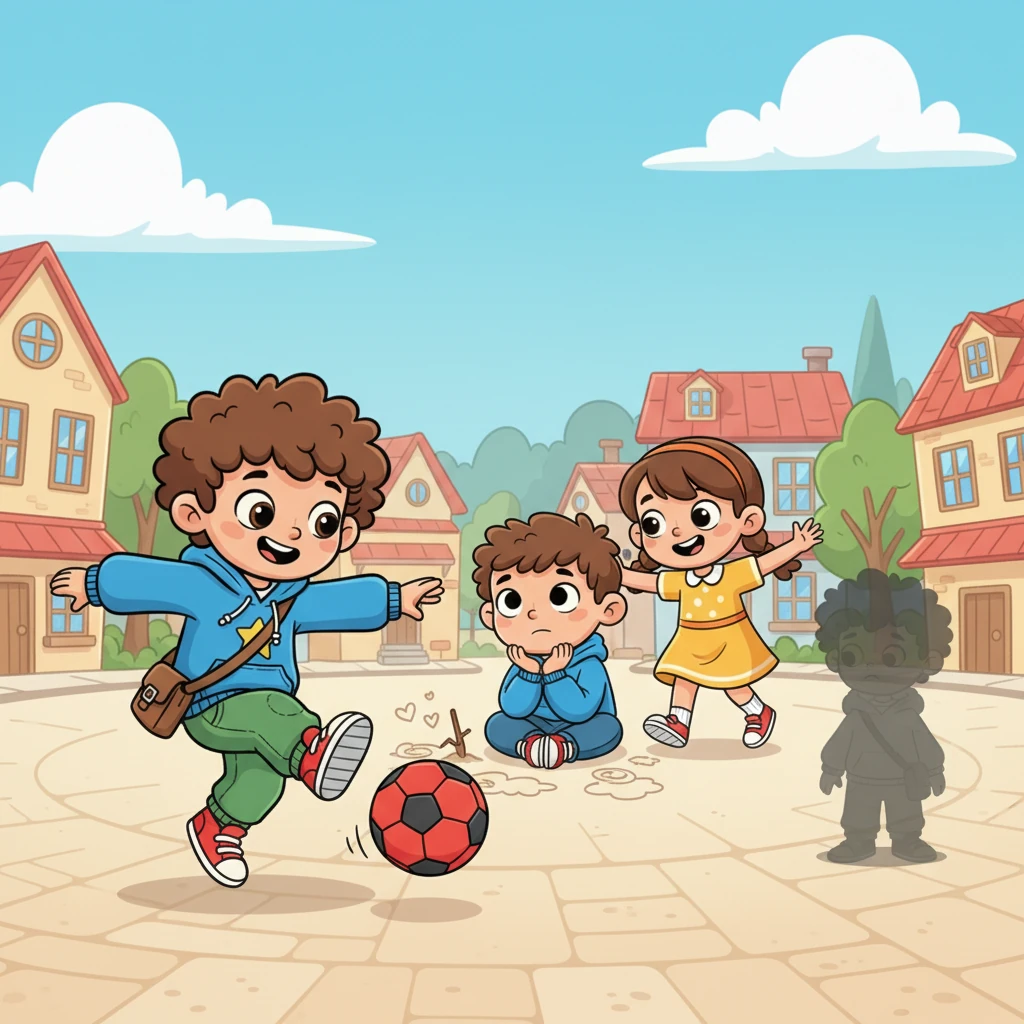
In a small, cheerful town, Lucas seemed like any other boy, kicking a bright red soccer ball with friends under a sunny sky. But a tiny, quiet shadow often followed him, a secret sadness he kept tucked away deep inside his heart. He would sometimes pause, drawing pictures in the dirt with a stick, his playful smile hiding a thoughtful gaze.
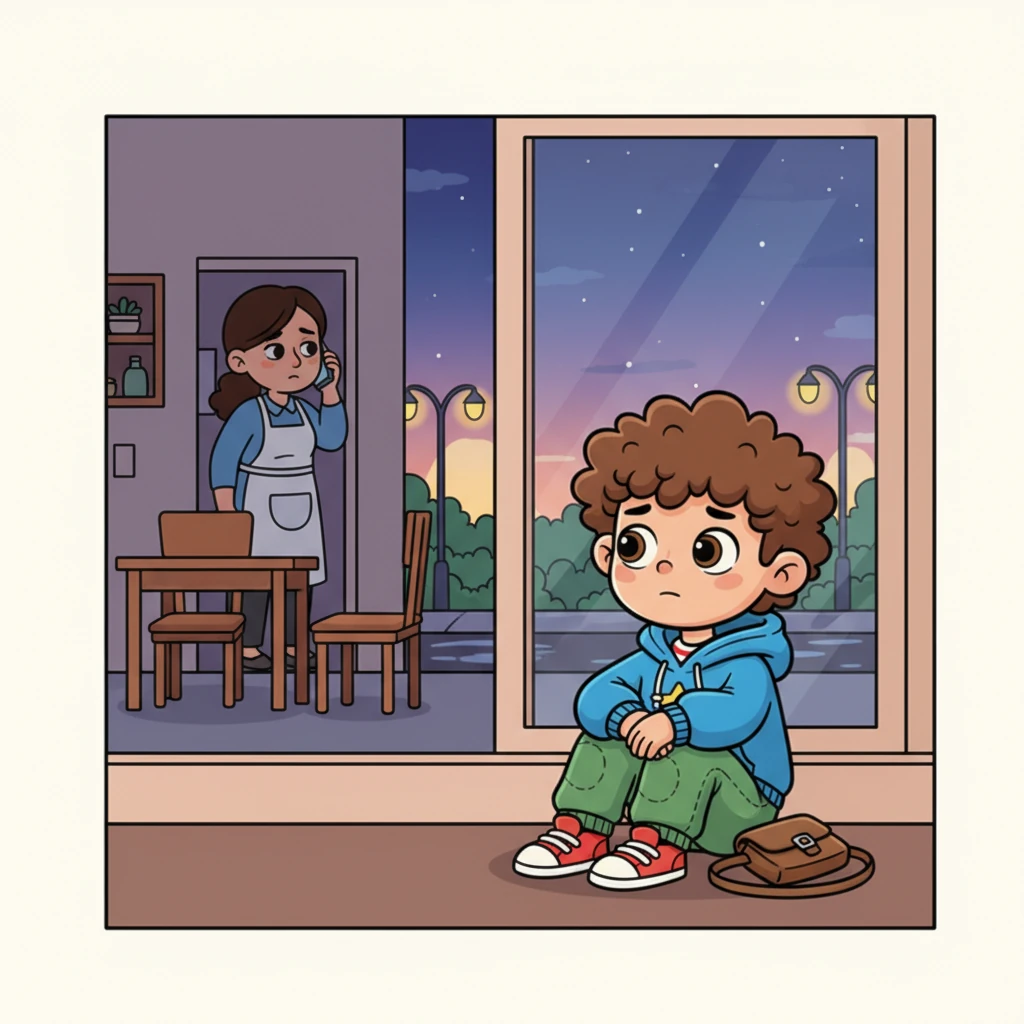
Young Lucas often sat by the window, watching the streetlights flicker on as his kind but tired mother worked long hours at the diner. The empty chair at their dinner table was a constant reminder of his father's absence, leaving a silent ache that grew heavier with each passing year. He wished for a comforting hand that was never there.
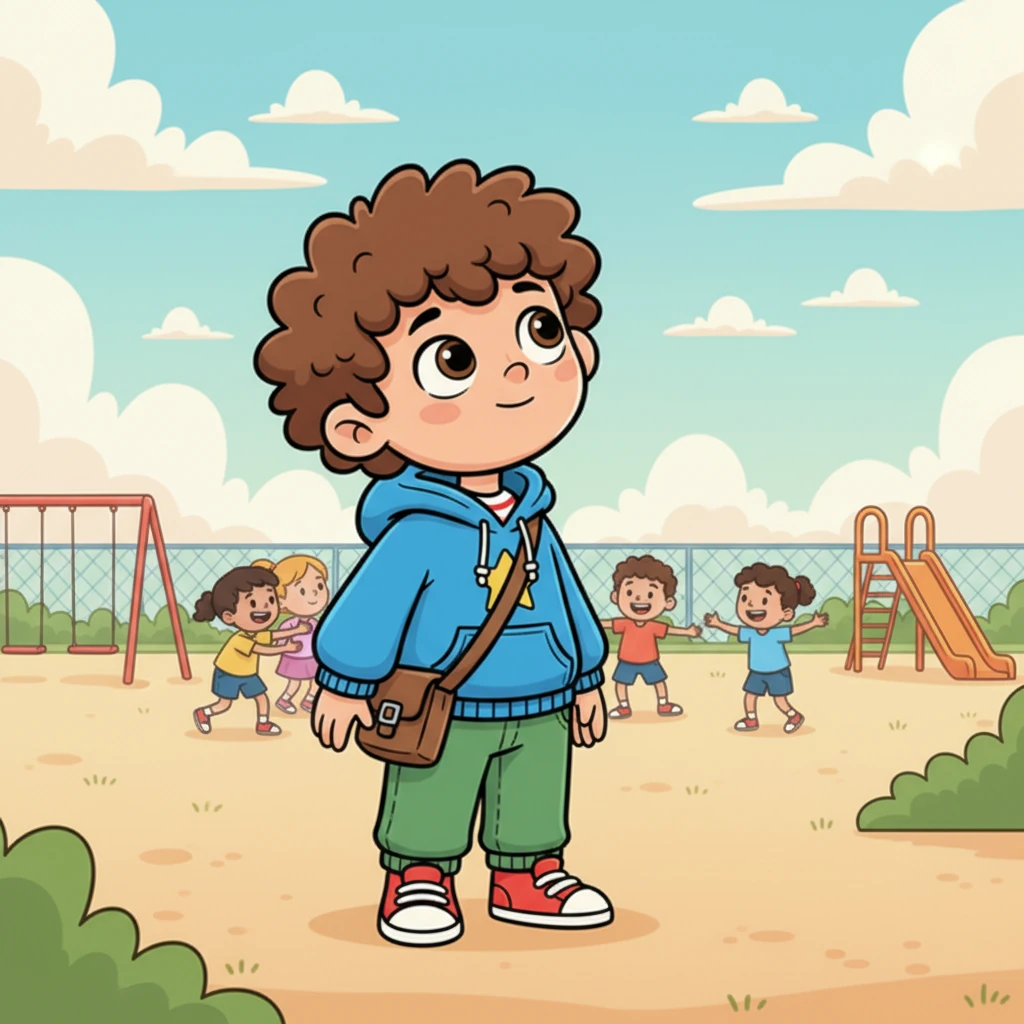
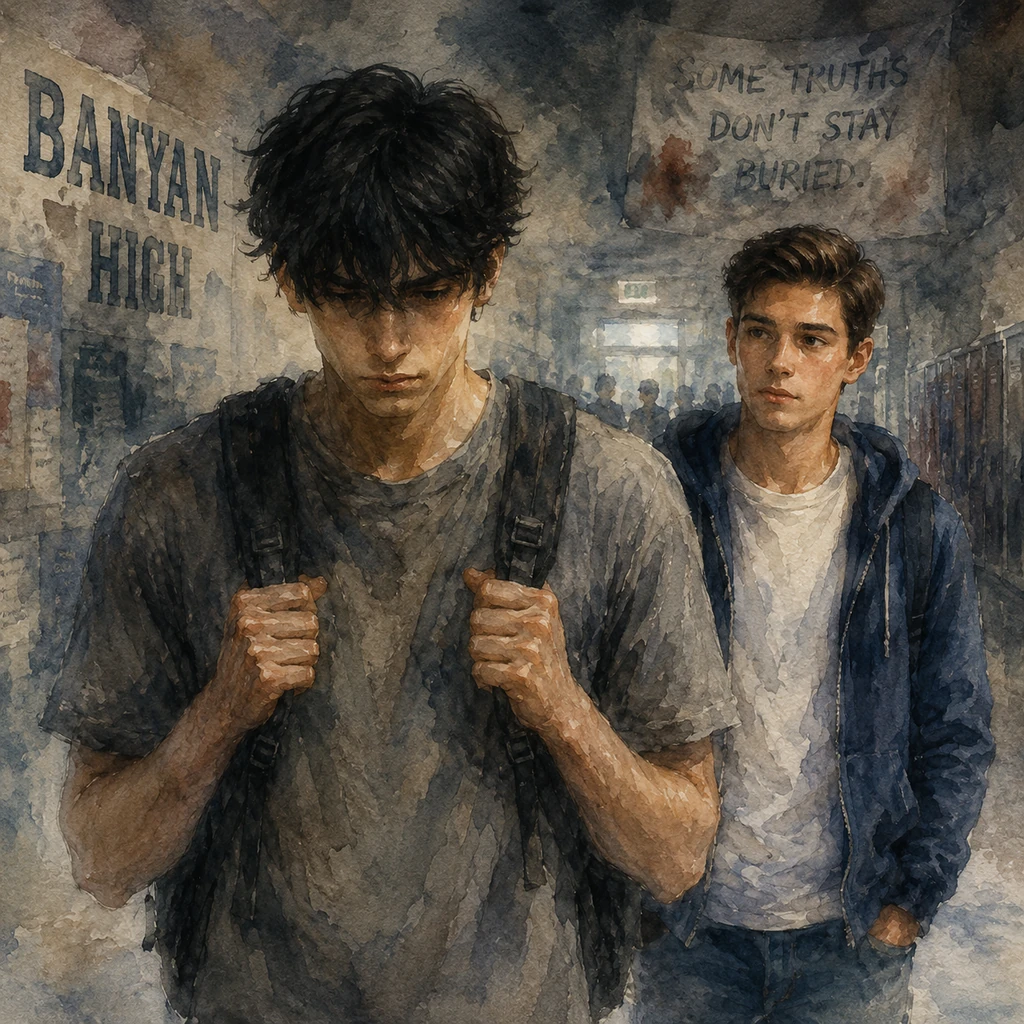
At school, Lucas was a master of disguise, always quick with a smile and a laugh when with his friends during lively recess games. Yet, when he thought no one was looking, his gaze would drift to the clouds, a quiet wistfulness in his expressive eyes. He never let anyone see the true depth of the sorrow he carried.
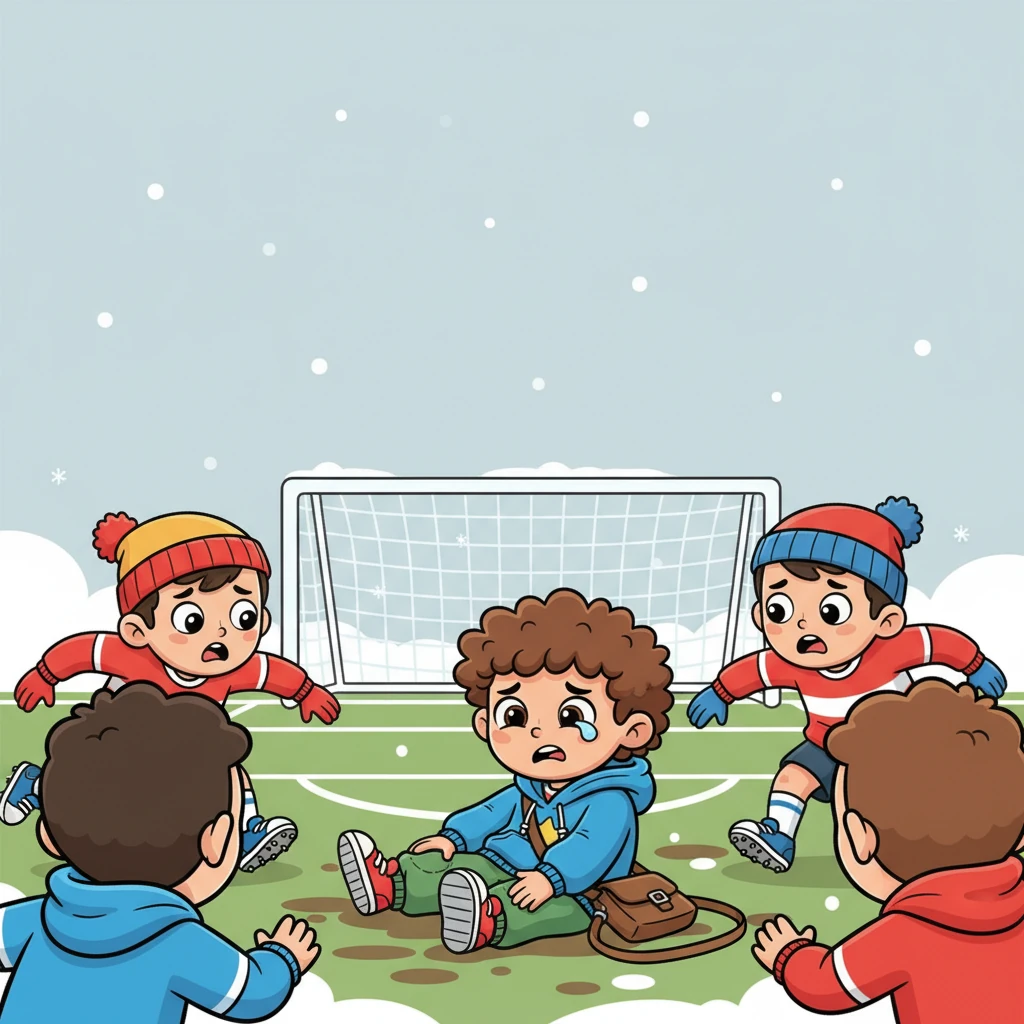
One chilly winter day, during a thrilling soccer match, Lucas tumbled to the ground, clutching his ankle with a pained expression. His teammates rushed to his side with worried faces, but his mind whispered, “What if I need my dad?” He yearned for a strong, comforting hand, a presence that was always missing.
After weeks of rest, Lucas returned to school, but his once-loved game now felt scary. He watched his friends play from the sidelines, a visible cloud of fear making him hesitant to join in. Slowly, he began to pull away, preferring the quiet company of his own thoughts over the joy of the game.
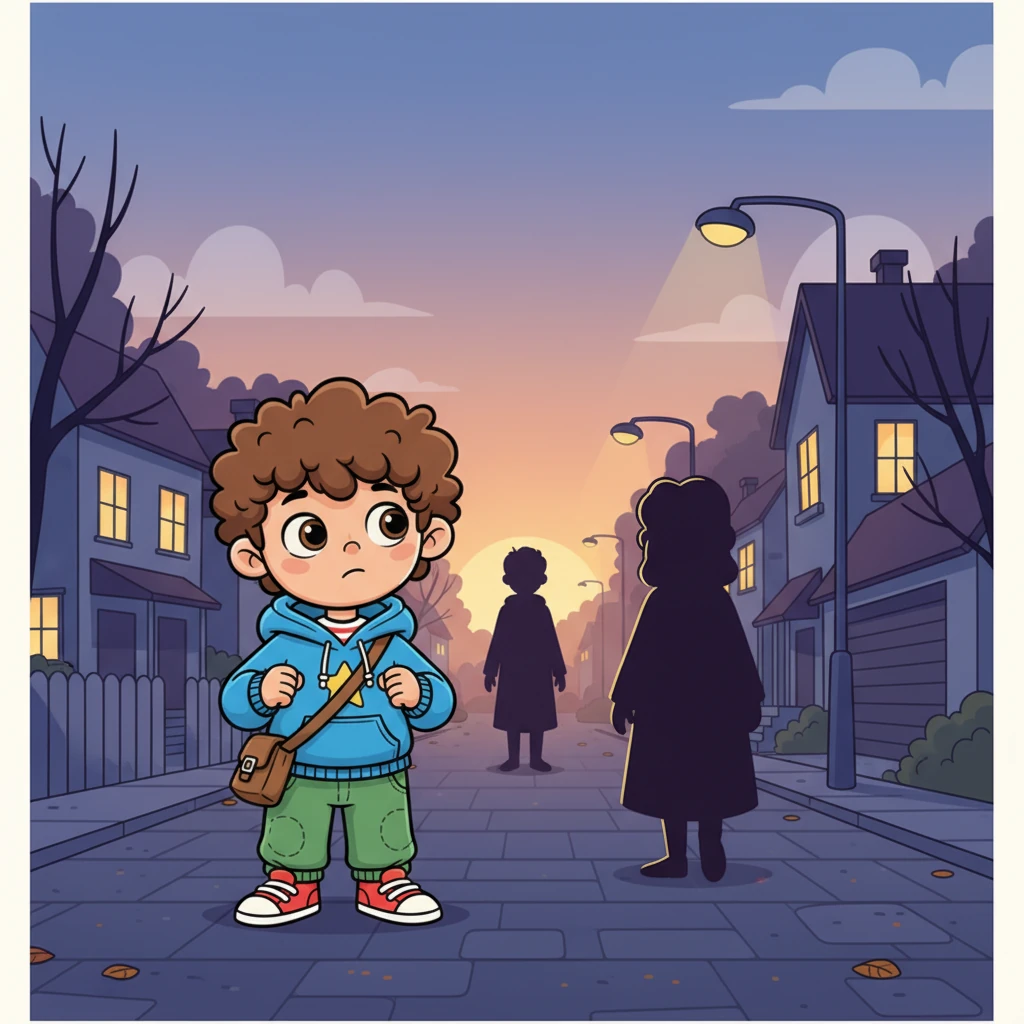
Lucas often wandered through the quiet neighborhood streets, his eyes scanning every distant figure with a hopeful heart. One evening, a tall silhouette caught his eye, making his heart race with a familiar longing. But as the person drew closer, Lucas’s shoulders slumped in disappointment; it was just a stranger passing by.
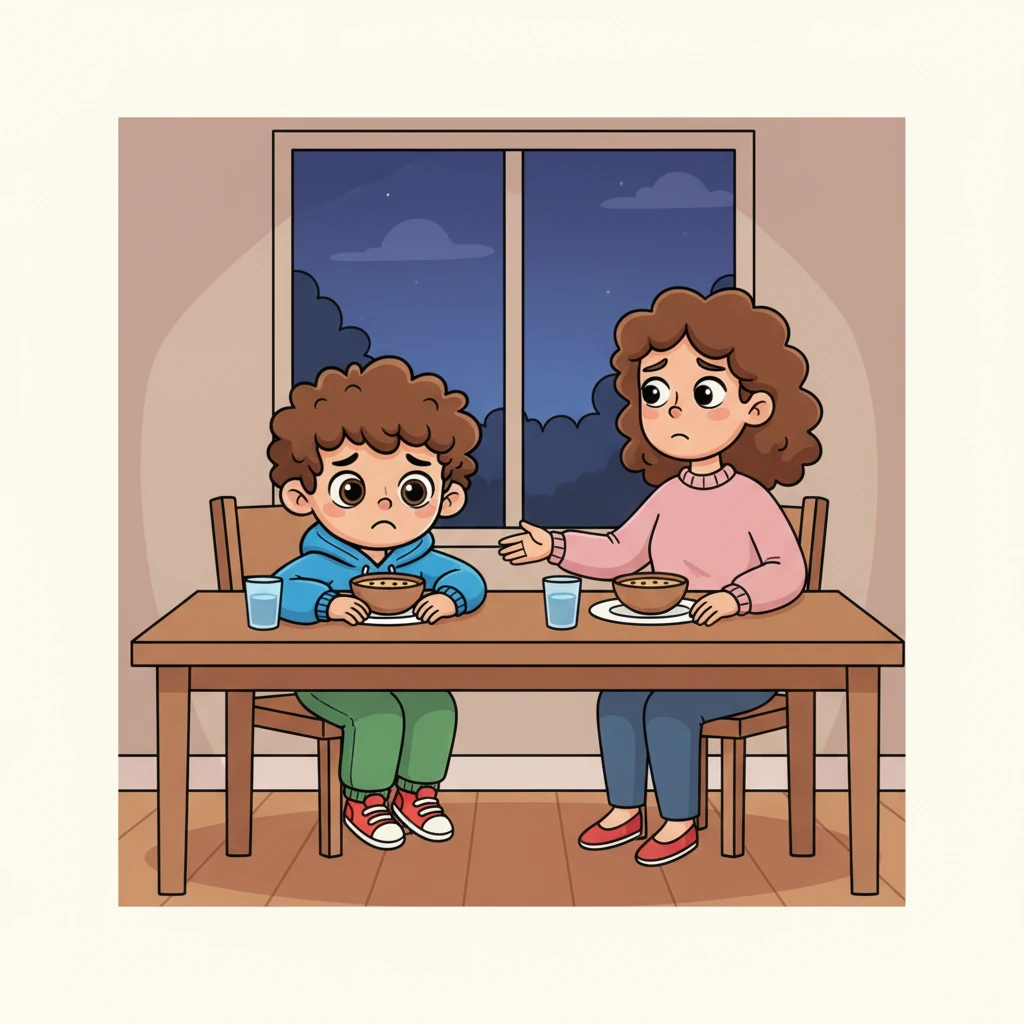
Days turned into weeks, and weeks into months, and the space between Lucas and his mother grew wider. At the dinner table, their conversations became short and sparse, like whispers in a big, empty room. His mother noticed the quietness in his eyes, a sadness she struggled to reach through her own burdens.
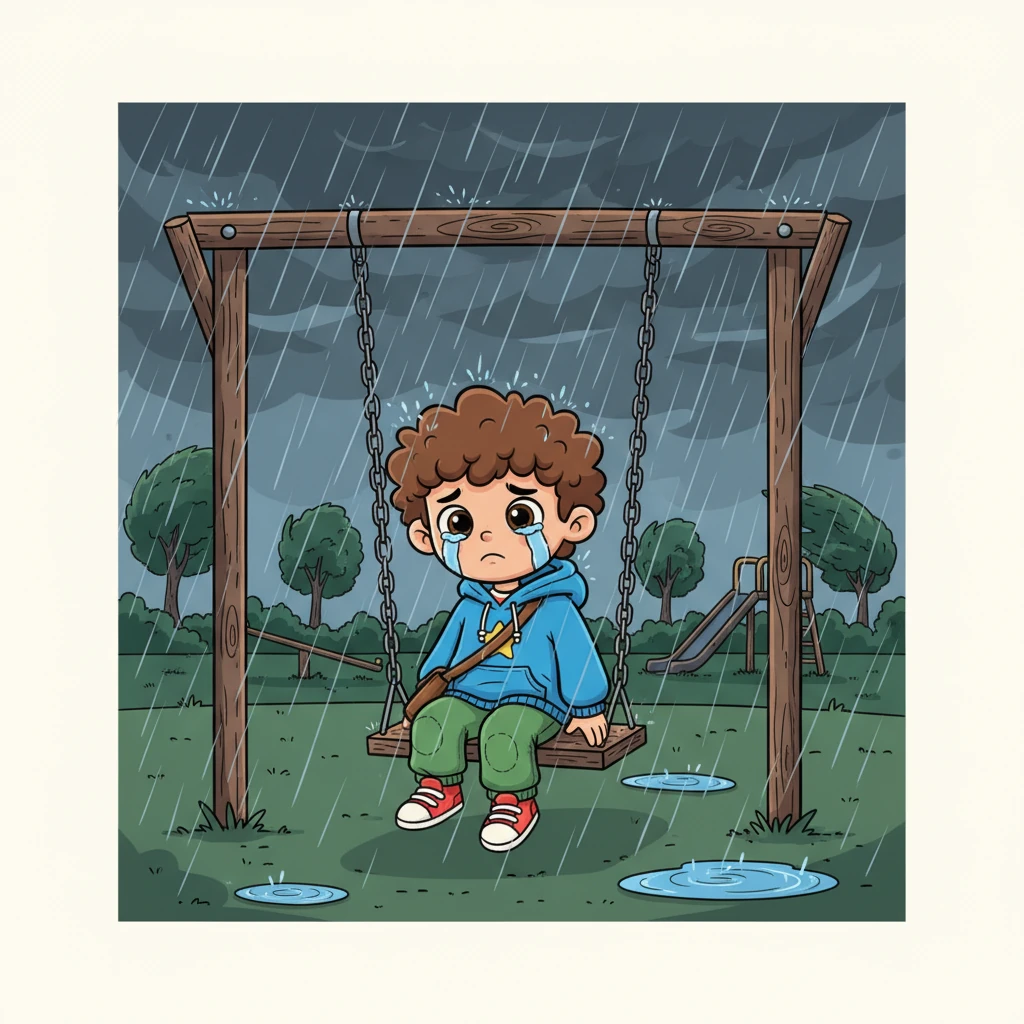
One stormy afternoon, Lucas sat on a swing in a small park, letting the pouring rain wash over him, mixing with his silent tears. The wind howled around him, mirroring the storm in his heart, making him feel more utterly alone and isolated than ever before. It was a moment of profound realization about his accumulated sorrow.
But in that very moment, a tiny spark ignited within Lucas. He decided he wouldn't let his sadness define him, picking up a crayon and a notebook. He began to fill pages with vibrant drawings and heartfelt stories, depicting not only his pain but also the bright hope he yearned to find.
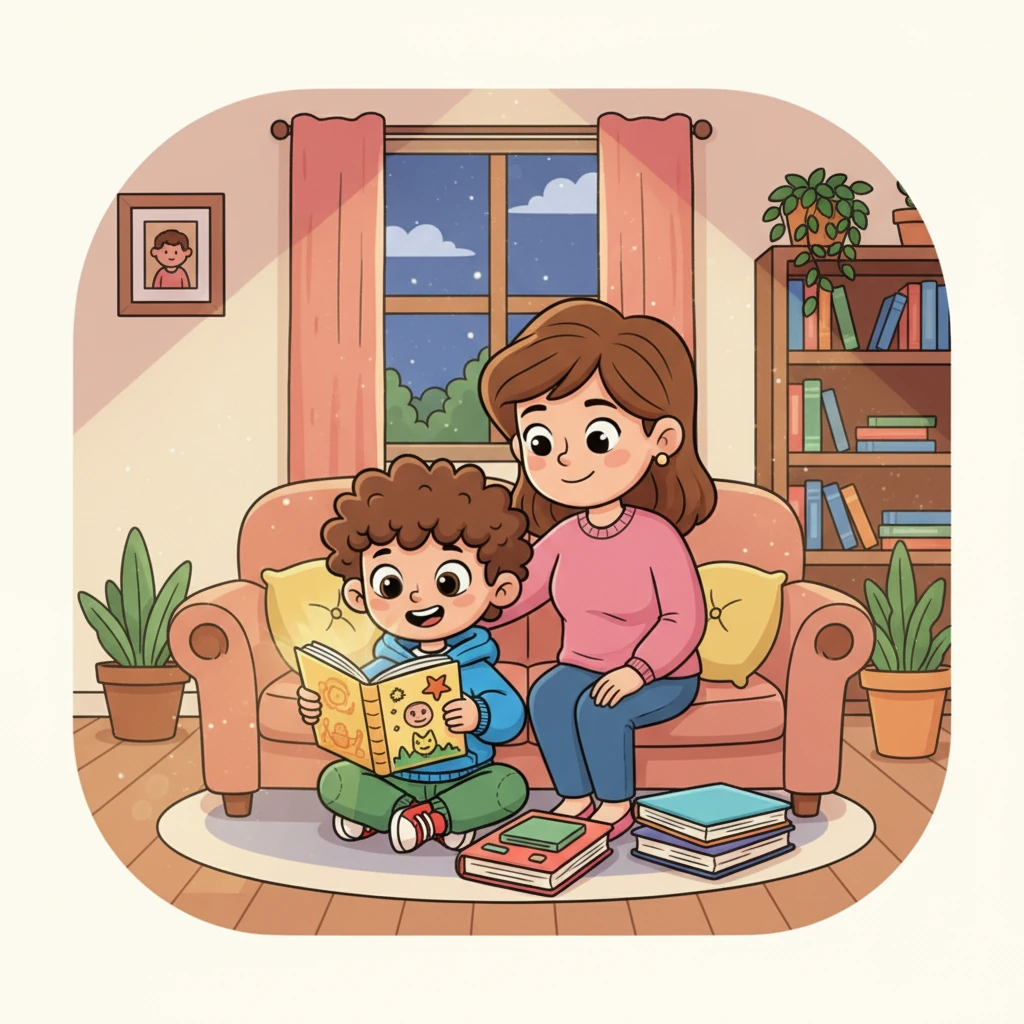
Gradually, Lucas bravely shared his colorful notebooks with his mother, and a warm, gentle light began to fill their home. They started to talk, truly talk, sharing their fears and dreams, mending the distance between them with every open conversation. Lucas learned that even in the shadows, connection and healing could beautifully flourish.
生成提示词(登录后查看具体 Prompt)
Once upon a time in a small, quiet town, there lived a boy named Lucas. From the outside, his life seemed ordinary; he attended school, played soccer with his friends, and helped his mother in their modest home. But inside, Lucas carried a sorrow that few could see. Lucas's father had left when he was just five years old, vanishing into the night without so much as a goodbye. His mother, overwhelmed by grief and the responsibilities of single parenthood, struggled to make ends meet. She worked long hours at a local diner, often coming home exhausted and distant, leaving Lucas to fend for himself. At first, he tried to understand. He told himself that grown-ups sometimes made mistakes or had their burdens to bear. But as the years slipped by, the emptiness of his father's absence grew heavier. In school, Lucas was quiet and reserved. While other boys laughed and chatted during recess, he often stood alone, drawing pictures in the dirt with a stick or watching the clouds drift by. Of course, he had friends, but he never let them see the depth of his sadness. Instead, he wore a smile—a mask that had become second nature to him. One chilly winter day, during a soccer match, Lucas injured himself. As he fell to the ground, clutching his ankle, he saw his teammates rush to his side. Their concern warmed his heart, but a lingering thought crept in: "What if I need my dad?" He couldn't help but wish for a comforting hand on his shoulder, to have someone tell him that everything would be okay. But that hand was never there. After weeks of rehabilitation, Lucas returned to school. He was still the same boy, with the same quiet demeanor and silent burden. The injury had a lasting effect; he was afraid to play again, worried he might get hurt. His fear spread like a shadow over his once-beloved game, and one by one, he drew away from his friends, preferring solitude over the risk of disappointment. As the months passed, Lucas's loneliness deepened. He often wandered through the empty streets of his neighborhood, searching for any sign of his father, hoping against hope that one day he would return. One night, as he sat on the front porch, he caught sight of a figure in the distance—a man he had once imagined in the guise of his father. His heart raced, but as the figure drew closer, it turned out to be a stranger. Dejection washed over him as the stranger passed by without even a glance. Days turned into weeks, and weeks into months. His mother, still consumed by her own struggles, became less present in his life. Conversations grew sparse, and the space between them widened. She noticed the change in Lucas—the way his laughter no longer danced in the air and how his eyes bore a sorrow she could not reach. But caught in her own battles, she failed to bridge the gap. One stormy afternoon, Lucas found himself in a small park, the rain pouring down in sheets. He sat on a swing, letting the droplets wash over him, intertwining with his tears. In that moment, he realized that the sadness he felt was not just about his father’s absence, but the accumulation of unmet needs, lost dreams, and the longing for connection. As the storm raged around him, he felt more isolated than ever. But on that rainy day, something changed. Lucas made a decision. He would not let his sorrow define him. Instead, he began to express his feelings through art and writing. He filled notebooks with stories and sketches that depicted not only his pain but also the hope he so desperately sought. Gradually, he shared his work with his mother, and over time, they began to reconnect. Their conversations grew deeper as they opened up to one another, sharing their fears and struggles. Though the journey was long and often painful, Lucas discovered that healing could flourish even in the bleakest of circumstances. He learned to accept his father's absence and, through that acceptance, found a way to fill the void with creativity, resilience, and newfound relationships. In the end, while Lucas's story began in sadness, it became one of strength—a reminder that even in the depths of despair, there is the potential for hope and connection. Through it all, he learned that sometimes, the most profound journeys can arise from the shadows.