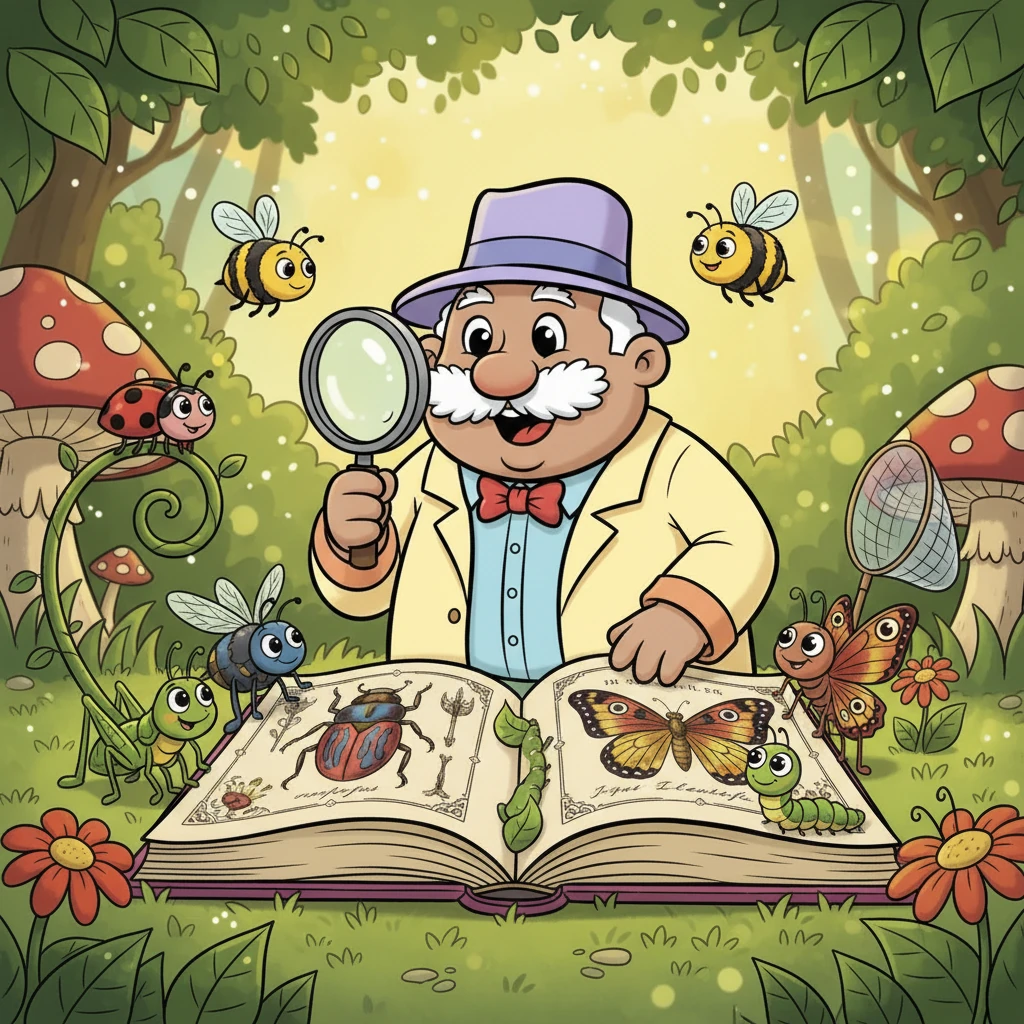
Join Professor Bumble, a whimsical entomologist, on an exciting exploration of the miniature world of insects! This captivating picture book showcases ten fascinating bugs through stunning scientific illustrations, blending vintage charm with kid-friendly facts. A delightful journey for curious minds of all ages!
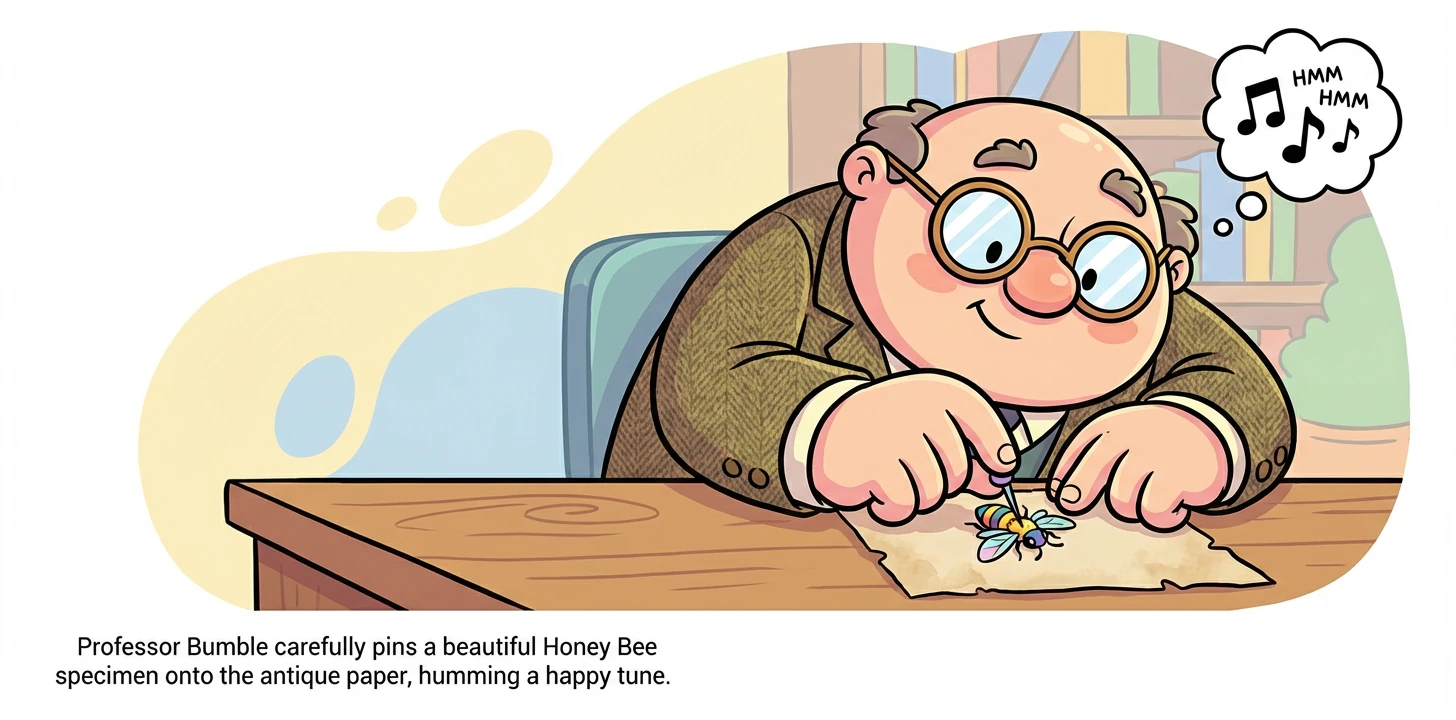
Professor Bumble, with his spectacles perched on his nose, carefully pins a beautiful Honey Bee specimen onto a sheet of antique paper. He hums a little tune as he works, arranging the bee's wings just so.
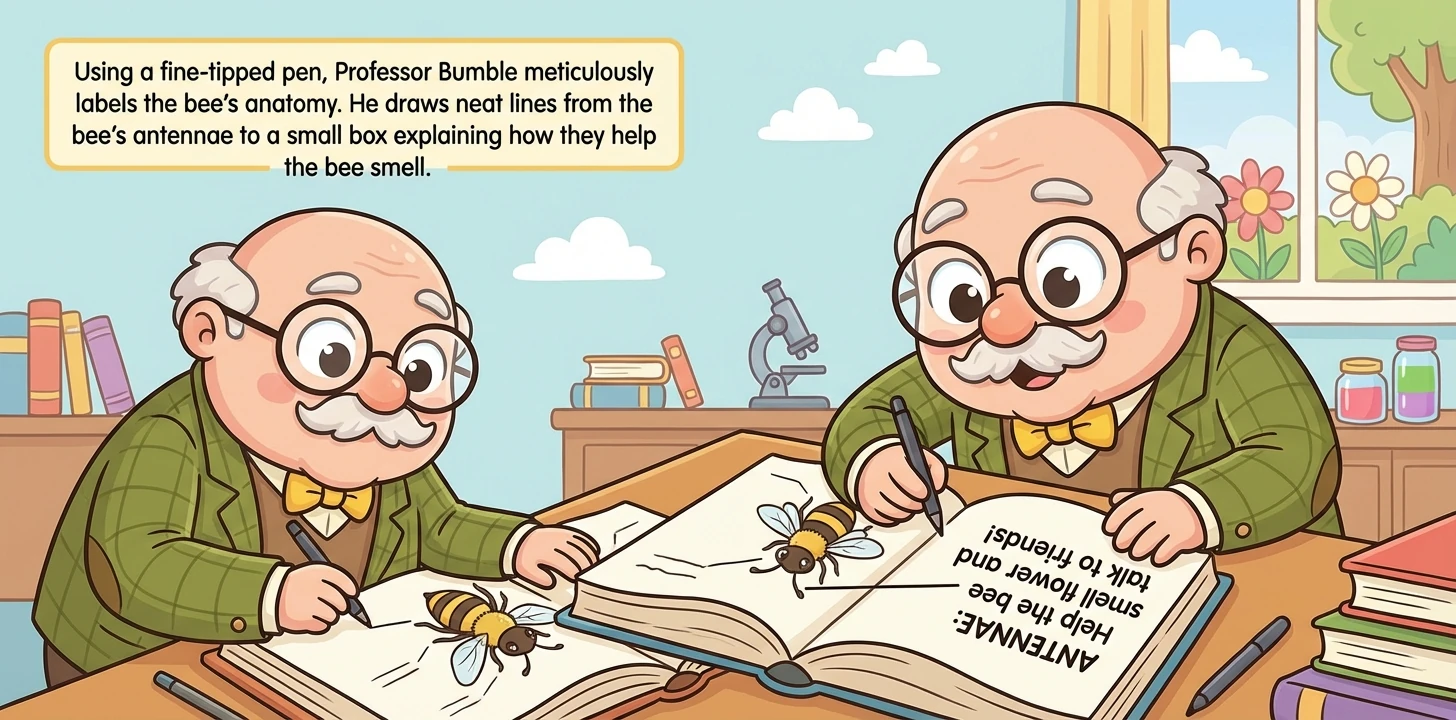
Using a fine-tipped pen, Professor Bumble meticulously labels the bee's anatomy. He draws neat lines from the bee's antennae to a small box explaining how they help the bee smell.
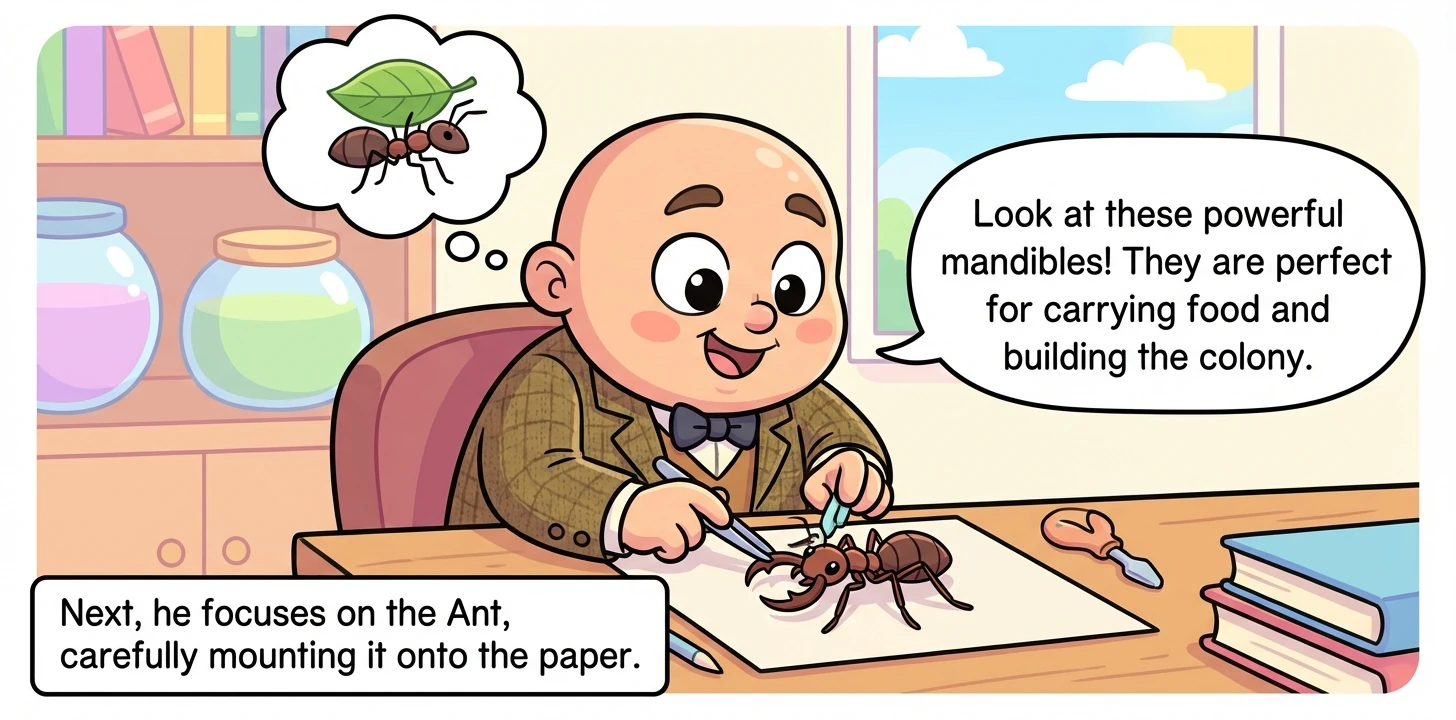
Next, he focuses on the Ant, carefully mounting it onto the paper. He notes its powerful mandibles and explains their use in carrying food and building its colony.
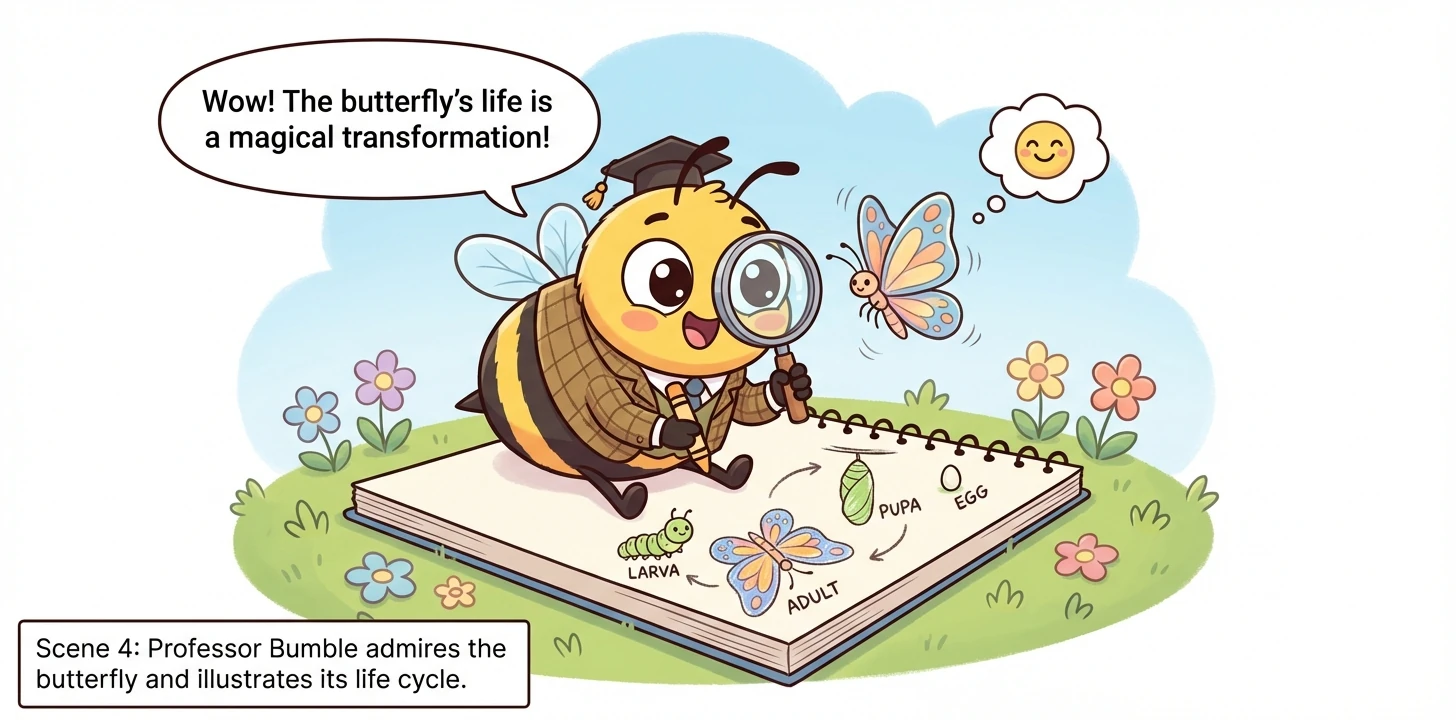
Professor Bumble admires the delicate wings of a Butterfly. He illustrates its life cycle, from a tiny egg to a vibrant adult, on the corner of the paper.
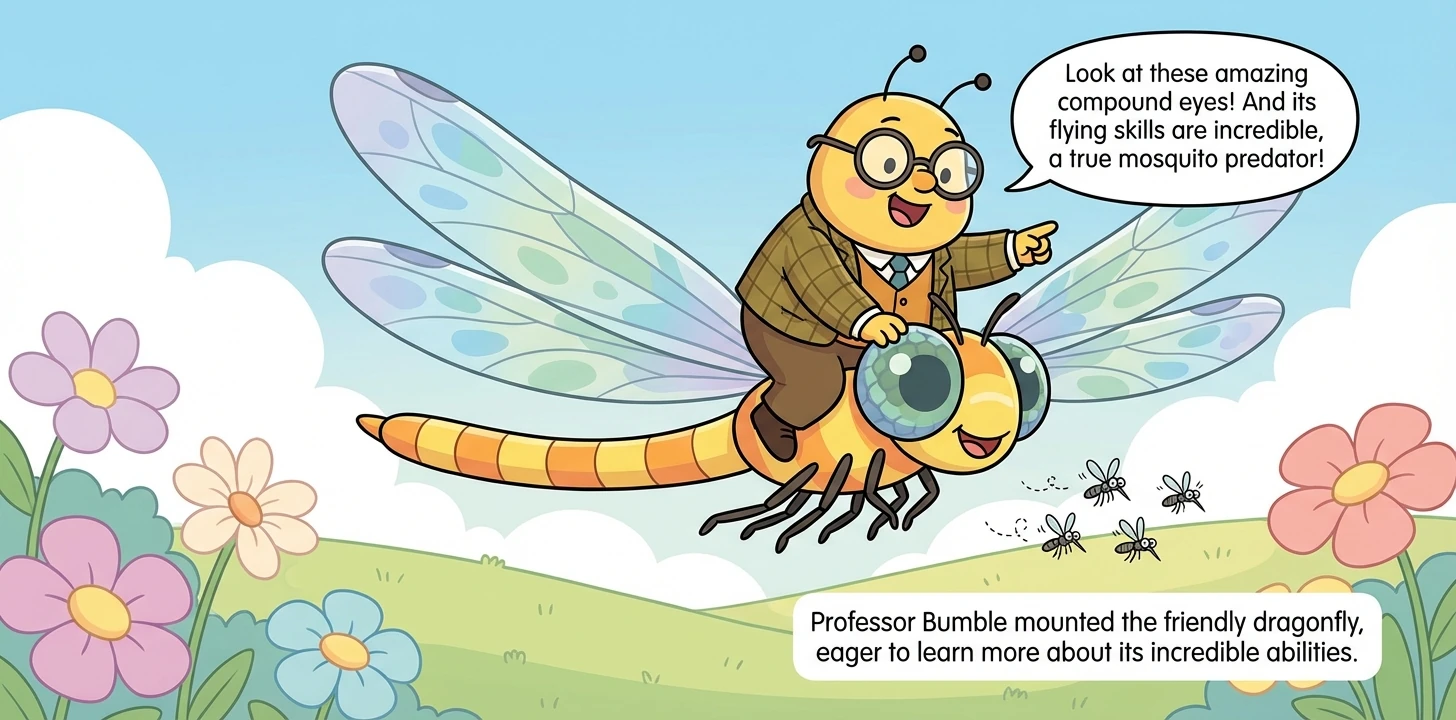
Professor Bumble mounts a Dragonfly, emphasizing its large compound eyes. He describes its incredible flying abilities and its role as a mosquito predator.
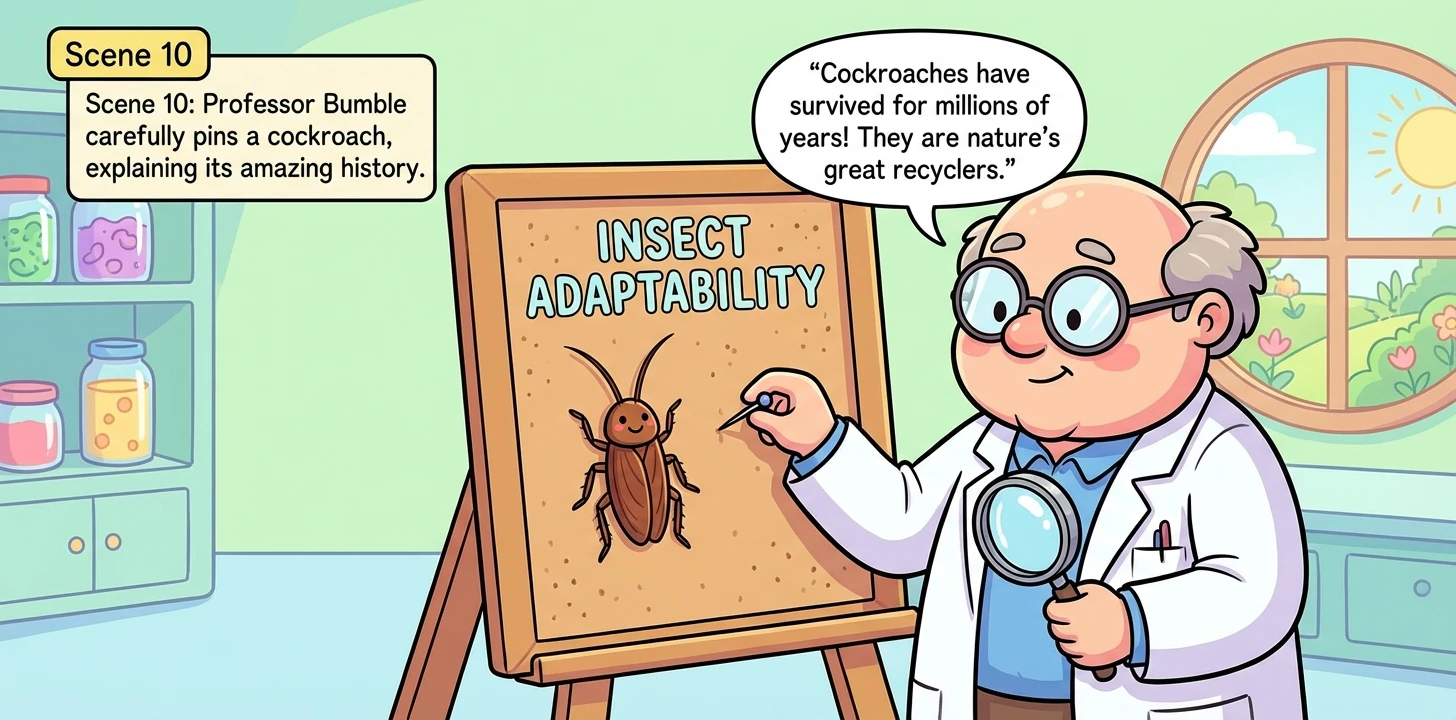
He carefully pins a Cockroach, highlighting its adaptability. He explains how cockroaches have survived for millions of years and their role in the ecosystem.
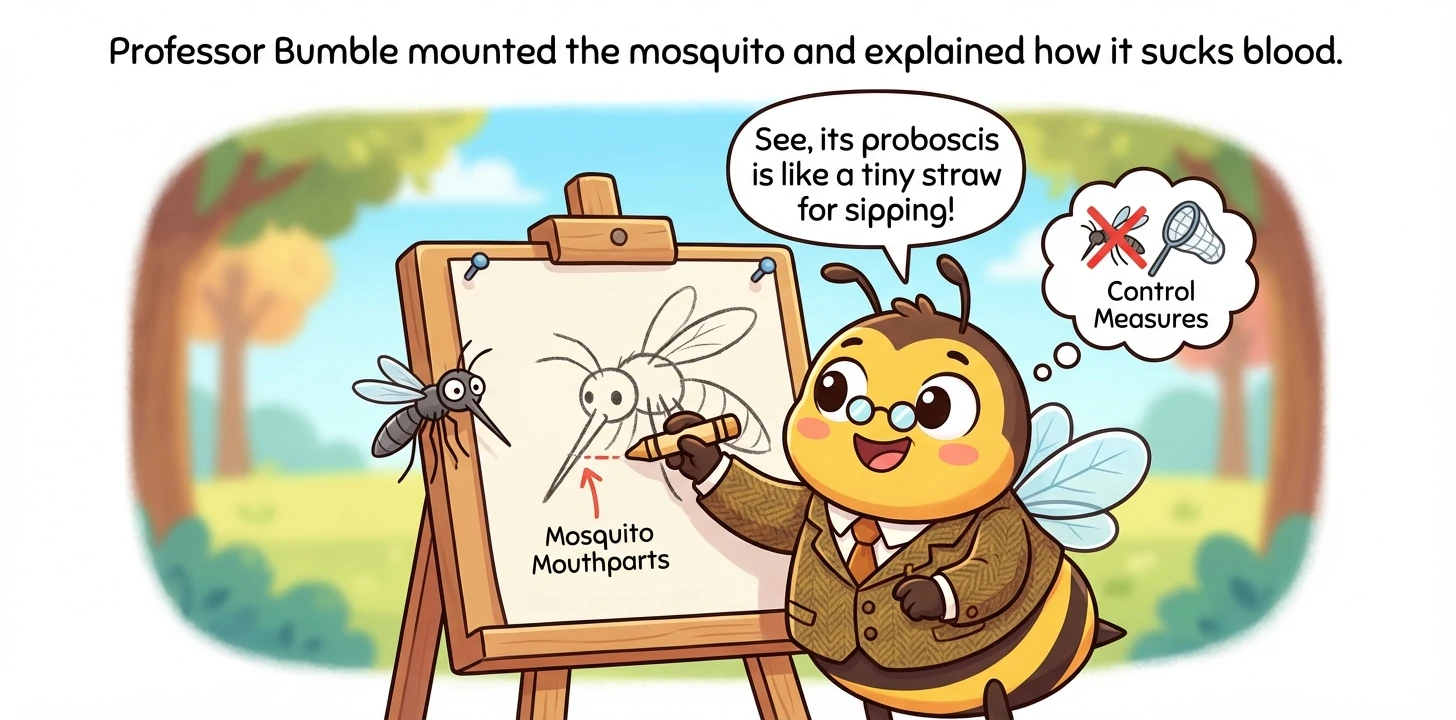
Professor Bumble mounts a Mosquito onto the paper. He draws a diagram of its mouthparts, explaining how it sucks blood, and discusses mosquito control measures.
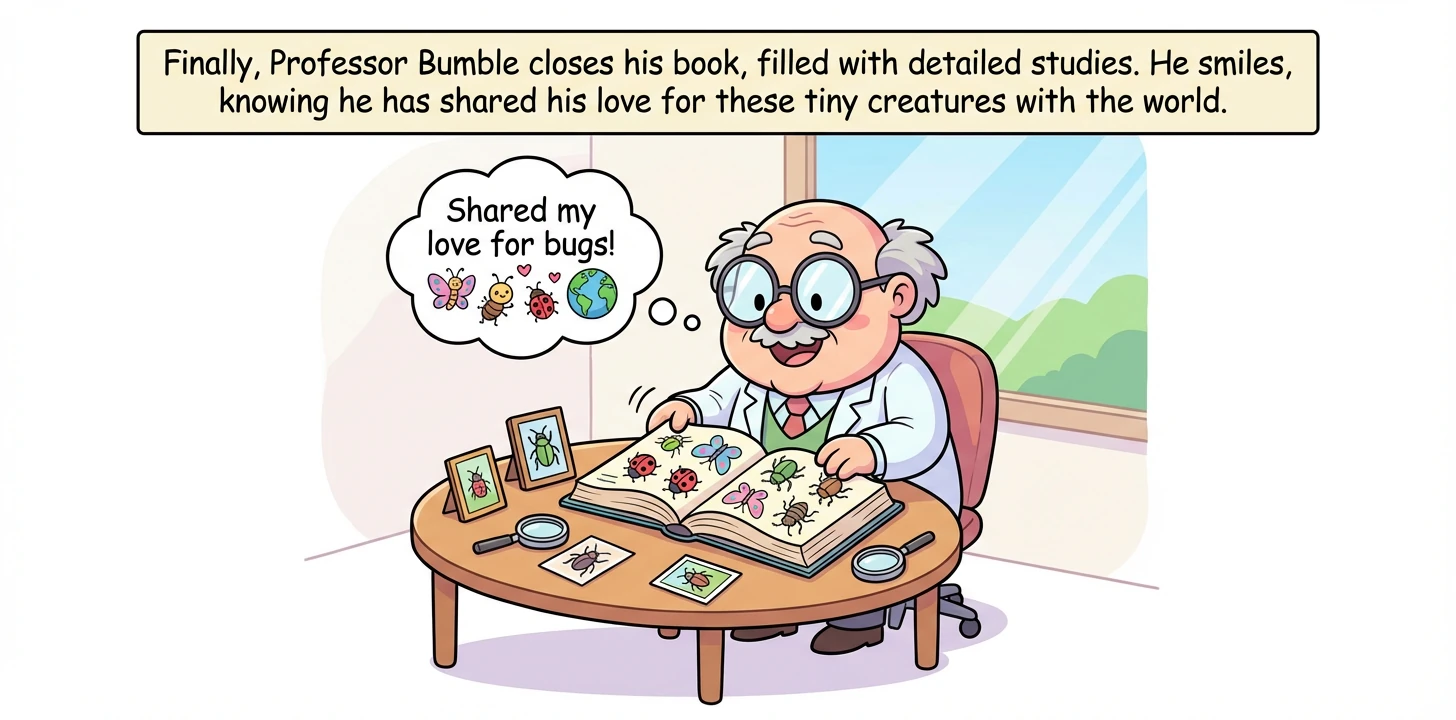
Finally, Professor Bumble closes his book, filled with detailed studies of each bug. He smiles, knowing he has shared his love for these tiny creatures with the world.
生成提示词(登录后查看具体 Prompt)
Create a series of 10 images for an all-English children's science picture book. Each image is a museum-grade infographic plate featuring one specific "bug." The Subject List (10 total): Bee, Ant, Butterfly, Beetle, Earthworm, Centipede, Cricket, Dragonfly, Cockroach, Mosquito. CORE VISUAL CONCEPT (Crucial): The image must be a top-down, flat-lay view of a single sheet of textured, antique scientific paper. A real, physical insect specimen is mounted directly onto this paper using metal entomology pins. It is NOT a photograph of an insect printed on the paper; it is the physical object itself casting realistic, soft shadows onto the paper surface. The scientific text and diagrams are handwritten or printed directly onto the same paper sheet around the specimen. Aesthetic & Style: Style Reference: A page from a 19th-century naturalist's field scrapbook or a museum display archive plate. Vintage, academic, yet accessible to children. Paper: Creamy, off-white, textured high-grade paper (like #F8F6F0) with visible fibers, possibly slight wear or stains on the edges. Lighting: Soft, natural overhead light creating delicate, realistic shadows of the insect specimen and the pins onto the paper. Typography: Elegant printed font (like Garamond) for titles, combined with clear, naturalist-style handwriting for labels. Ink colors: dark sepia or charcoal (#2C3E50). Detailed Layout & Content Requirements for EVERY Page: 1. Central Specimen (60-70% of space): A huge, scientifically accurate specimen occupying the center. Mounting: Realistically fixed with long, silver metallic entomology pins piercing the thorax/body and entering the paper (show tiny pinholes/indentations). Realism: High detail on wing veins, hairs, scales, and compound eye reflections. Wings should have slight translucence if applicable. The specimen must look three-dimensional against the flat paper. Pose: Natural, spread-winged pose (where applicable) to show key features. 2. Annotation System (Radiating outwards): Thin leader lines (brownish-grey) extend from specific body parts to text boxes written on the paper. Must Label 6-8 Parts: Head: Compound Eyes, Antennae (function?), Mouthparts (chewing/sucking?). Thorax: Wings (pairs? speed?), Legs (special functions like jumping/grasping). Abdomen: Segments, Spiracles (breathing holes), special organs (stingers, etc.). Label Content: English anatomical name + 1-2 simple, kid-friendly sentences explaining the function + a fun fact icon (🔍 or 💡). 3. Header Elements (Top of page): Large English Common Name (e.g., HONEY BEE). Italicized Scientific Name (Latin). Order/Family classification (small text). Small world map icon highlighting distribution showing where it lives. 4. Sidebar/Footer Info Panels (Printed on the paper): Basic Profile: Length (mm), Lifespan, Habitat, Diet (Herbivore/Carnivore/Omnivore). Superpowers: 2-3 cool skills with simple icons. Fun Trivia: 1-2 engaging "Did you know?" facts for kids. Life Cycle: A simplified diagram (e.g., Egg → Larva → Pupa → Adult) drawn on the paper. 5. Other Decorative Elements: A millimeter ruler scale bar printed near the specimen. Minimalist corner border designs. Optional faint botanical watermark on the paper.