Relive the chilling true story of the three siblings who vanished from an Australian beach on a scorching summer day in 1966. This haunting narrative explores the final known moments of Jane, Arnna, and Grant Beaumont, a mystery that changed a nation's innocence forever. Experience the case that remains unsolved nearly sixty years later through evocative storytelling and atmospheric imagery.
Adelaide, South Australia. January 26th, 1966. Australia Day—the height of summer, the middle of a heatwave, the kind of morning where the air is already thick with heat before most people have finished their first cup of tea. A public holiday with schools closed, shops shut, and the whole country at rest.
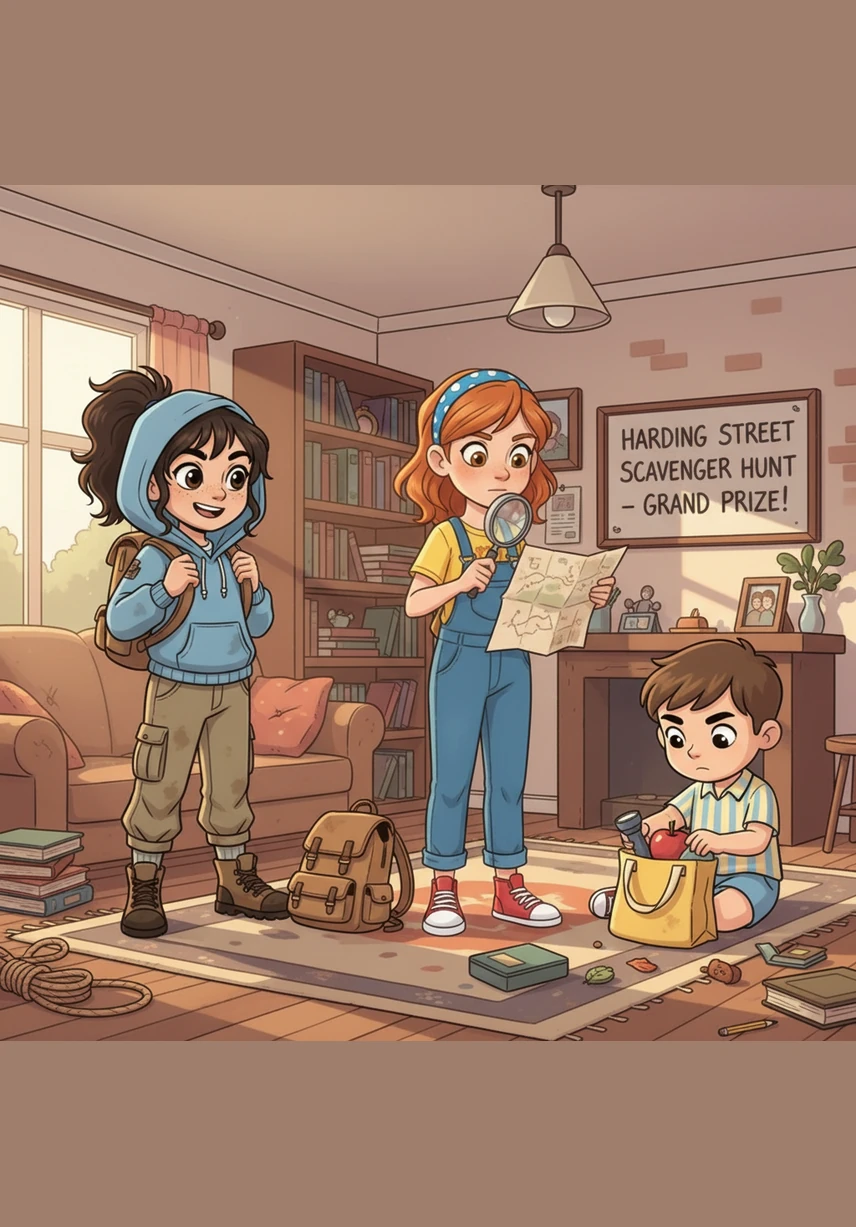
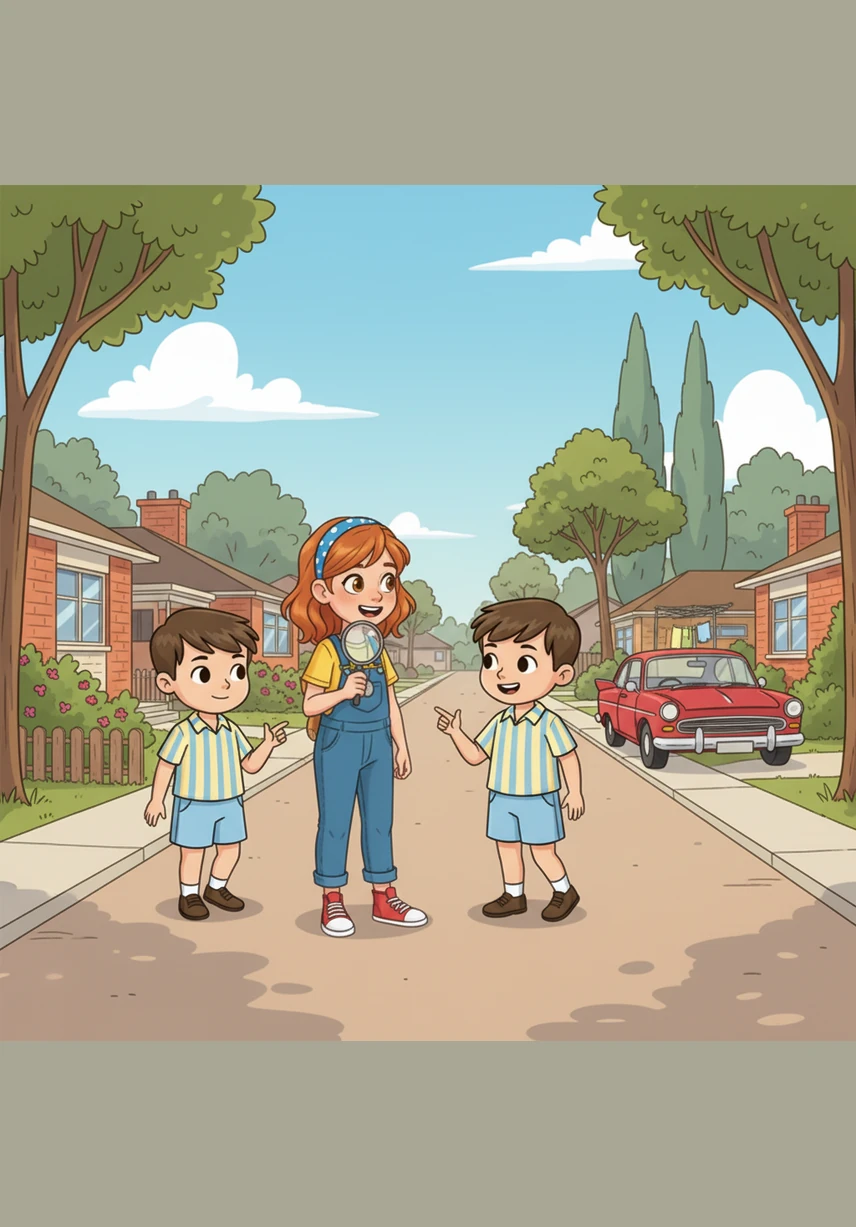
In a modest brick house on Harding Street, Somerton Park, three children were getting ready to go to the beach. Jane Beaumont was nine years old, her sister Arnna was seven, and their little brother Grant had just turned four. They were ordinary kids in an ordinary suburb, well-behaved and independent for their ages.
In 1966 Australia, children were completely trusted by their parents to make the short trip to Glenelg Beach on their own. They had done it many times before, as it was only five minutes by bus. The beach was familiar territory where everyone in the neighborhood knew everyone else, and nobody thought twice about it.
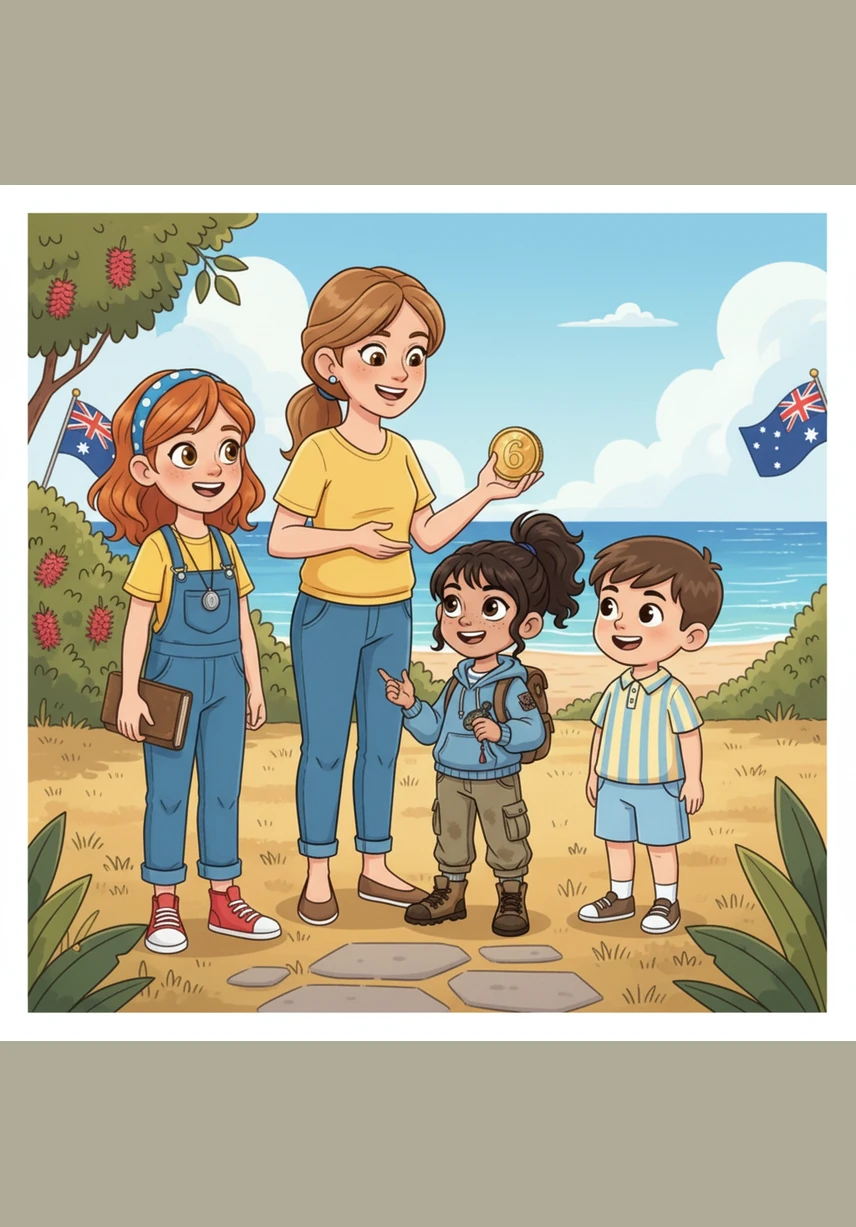
On Australia Day morning, the children asked their mother Nancy if they could go to the beach. Nancy said yes and gave them sixpence for bus fare—enough to get there, enough to get back, and a little left over for something small. She told them to be home by noon for lunch.
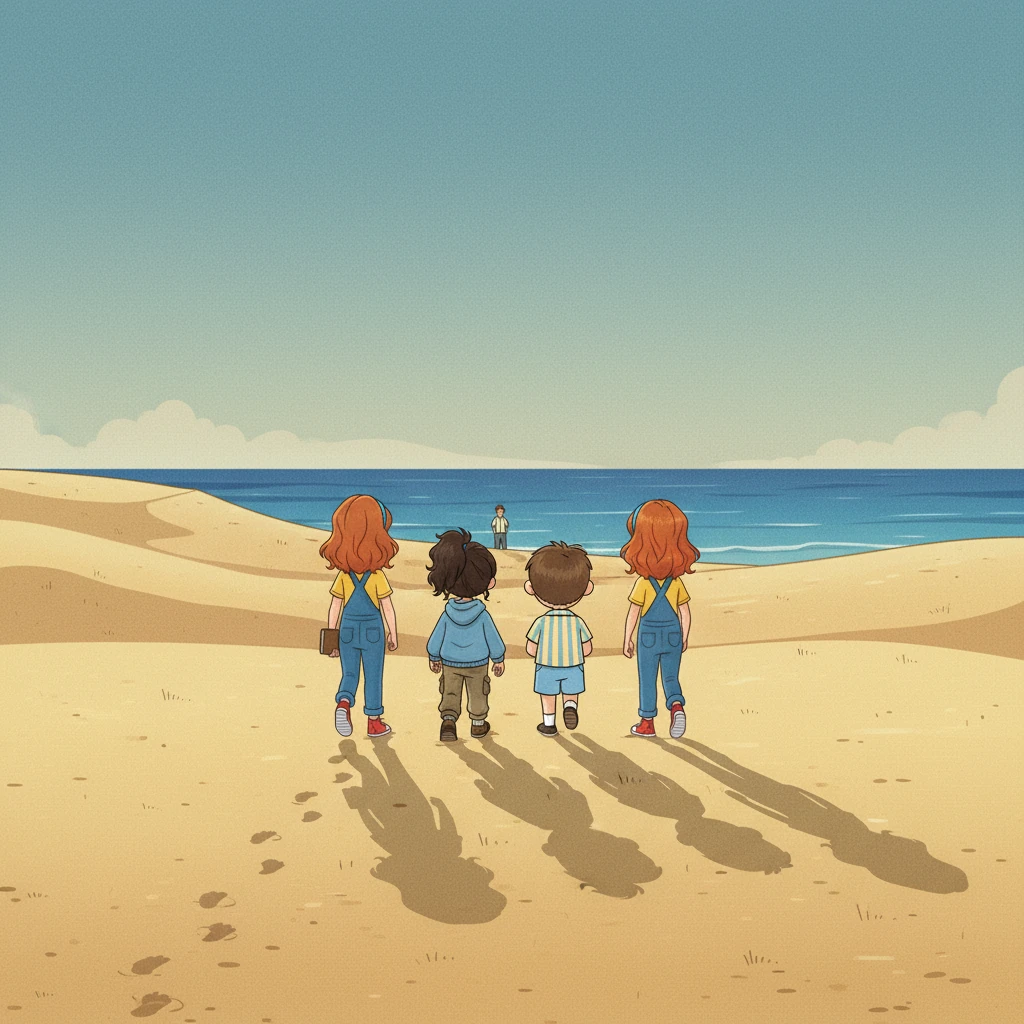
At around 10 in the morning, Jane, Arnna, and Grant Beaumont walked out the front door and caught the bus to Glenelg Beach. Nancy watched them go, having no reason to feel afraid or stand at the door a moment longer than usual. She had no reason to call them back, so she didn't. Noon came, but the children didn't.
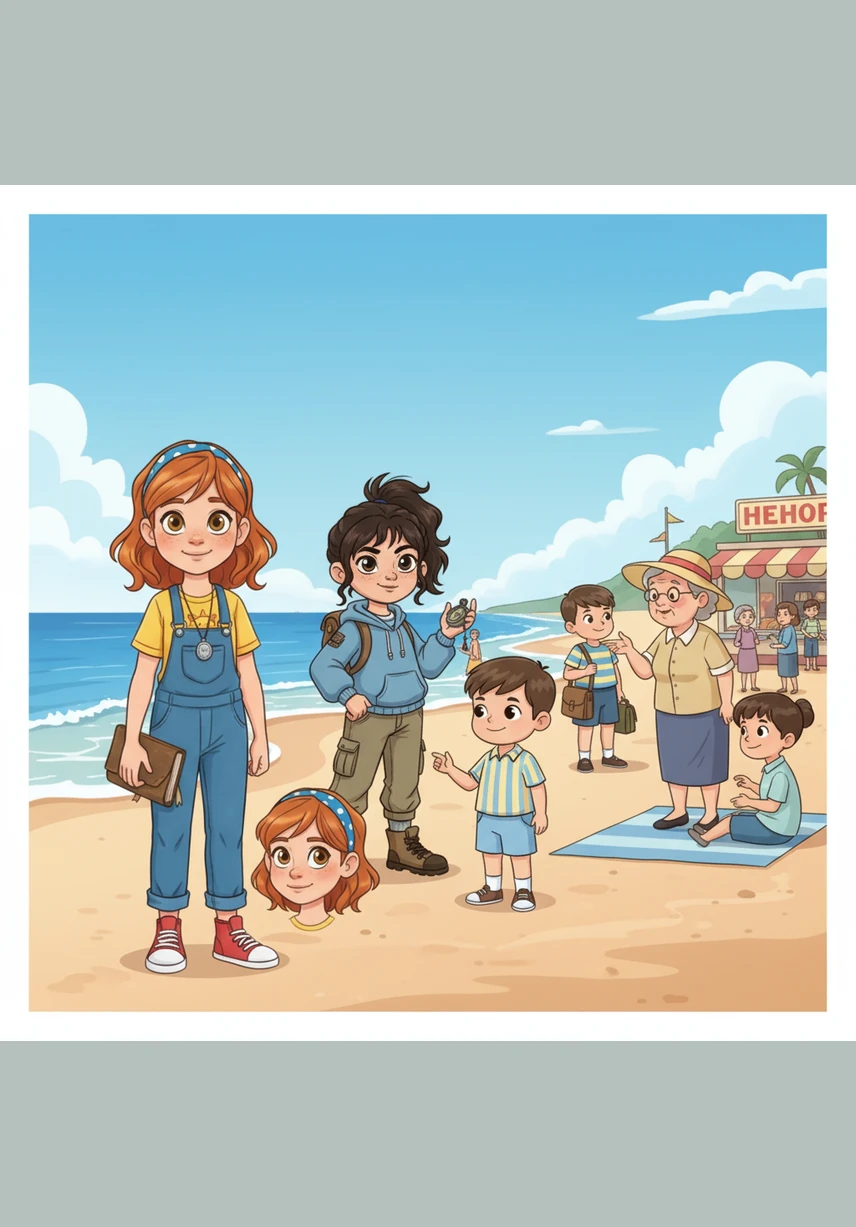
People saw the Beaumont children at multiple points throughout the morning of January 26th, 1966. They arrived at Glenelg Beach at around 10am and were seen by several people who recognized them as regulars. A local woman spotted them on the beach, and a classmate of Jane's saw them near the shops.
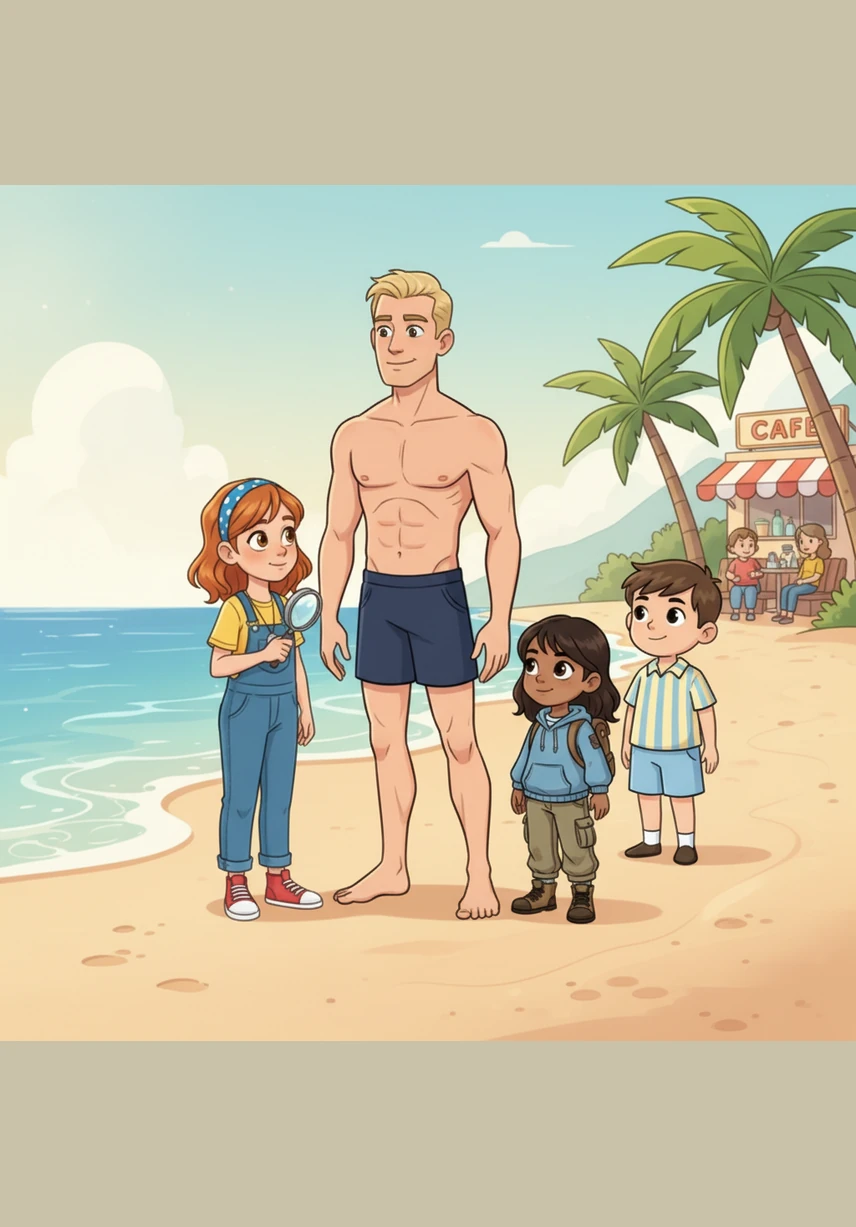
Then something changed. At some point during that morning, the children were seen in the company of a man. Multiple witnesses independently described the same person: tall, lean, athletic build, somewhere in his thirties, with fair or blonde hair, wearing dark swimming trunks.
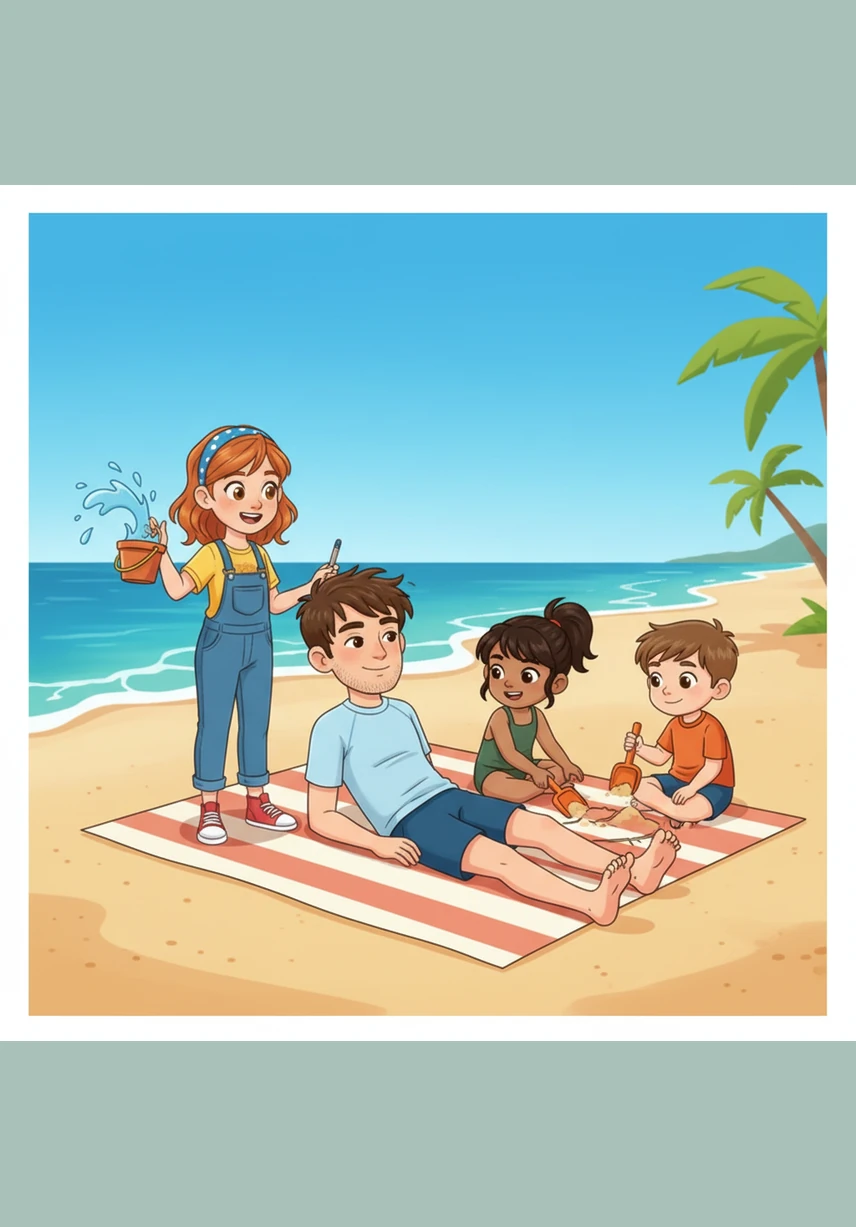
The man was playing with the children on the beach, not watching from a distance. He played with them in the water and on the sand in the relaxed, familiar way of someone the children clearly knew or had quickly come to trust. One witness observed him lying on the beach while all three kids stayed close.
Another witness saw Jane, the eldest and responsible one, walk to a nearby shop and buy food with a one-pound note. This was not the sixpence her mother had given her. Someone who wasn't her parents had given Jane Beaumont money that morning, a detail that would become critical evidence.
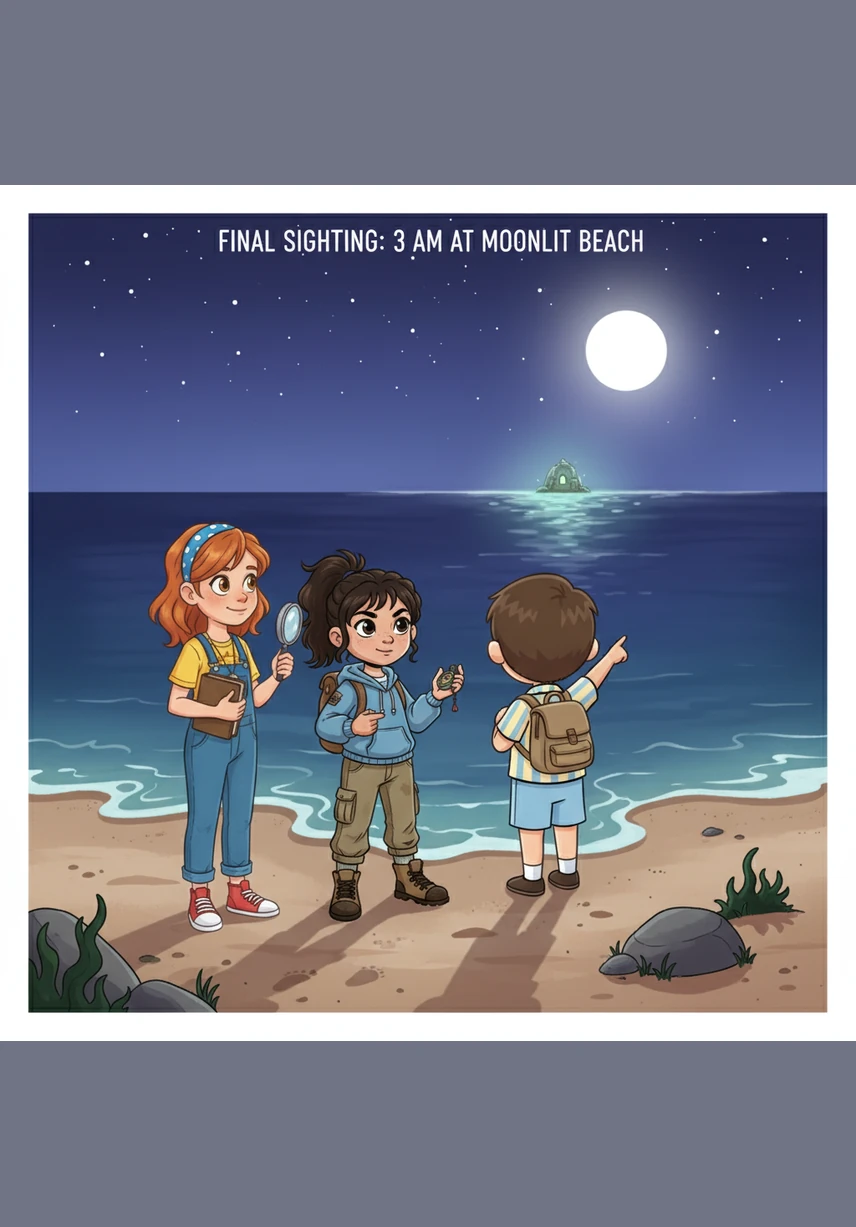
The children were seen at the beach as late as 3pm, already three hours overdue and apparently unconcerned. Whatever comfort they felt, they were not rushing home. After 3pm, nobody saw them again; it was as if the beach had simply swallowed them whole along with whoever had been with them.
生成提示词(登录后查看具体 Prompt)
GENERATE THE SCRIPT OF THE STORY WORD FOR WORD AS GIVEN! STORY DESCRIPTION:On Australia Day 1966, three siblings — Jane (9), Arnna (7), and Grant (4) — caught a bus to Glenelg Beach in Adelaide and never came home. Witnesses saw them playing with a tall blond man they appeared to trust. After 3pm, all four simply vanished. No bodies were ever found. No one was ever charged. The case permanently changed how Australians raise their children, and remains officially unsolved nearly 60 years later. Image Style should be 2D realistic STORY TITLE: The Beaumont Children — Australia's Most Haunting Mystery (PART ONE) WORD FOR WORD SCRIPT TO BE USED EXACTLY: EPISODE 1 AUSTRALIA DAY, 1966- THE MORNING THEY LEFT "Adelaide, South Australia. January 26th, 1966. Australia Day the height of summer, the middle of a heatwave, the kind of morning where the air is already thick with heat before most people have finished their first cup of tea. A public holiday. Schools closed. Shops shut. The whole country at rest. In a modest brick house on Harding Street, Somerton Park,three children were getting ready to go to the beach. Jane Beaumont was nine years old. Her sister Arnna was seven. Their little brother Grant had just turned four. They were ordinary kids in an ordinary suburb well-behaved, independent for their ages, and completely trusted by their parents to make the short trip to Glenelg Beach on their own. They had done it many times before. It was five minutes by bus. The beach was familiar territory. Everyone in the neighbourhood knew everyone else. This was 1966 Australia, and in 1966 Australia, children walked to the beach alone. Nobody thought twice about it. The day before Australia Day Eve their father Jim had actually driven them to that same beach himself, before heading off on a three-day sales trip. The children had spent the day in the sun without incident, come home safe, and gone to bed. The next morning, Australia Day, they asked their mother Nancy if they could go again. Nancy said yes. She gave them sixpence for bus fare — enough to get there, enough to get back, a little left over for something small. She told them to be home by noon for lunch. At around 10 in the morning, Jane, Arnna and Grant Beaumont walked out the front door and caught the 8:45 bus to Glenelg Beach. Nancy watched them go. She had no reason to feel afraid. No reason to stand at the door a moment longer than usual. No reason to call them back. So she didn't. Noon came. The children didn't" EPISODE 2: THE LAST HOUR -WHAT THE WITNESS SAW "There were witnesses. That is both the most important and most maddening fact of this entire case. People saw the Beaumont children on the morning of January 26th, 1966. At multiple points throughout the day. And what they described would become the most critical and most haunting evidence in the investigation. The children arrived at Glenelg Beach at around 10am. They were seen by several people who recognised them as regulars. A local woman spotted them on the beach. A classmate of Jane's saw them near the shops. All of these sightings were ordinary, unremarkable, and consistent with three kids having a normal summer morning at a beach they knew well. Then something changed. At some point during that morning, the children were seen in the company of a man. Multiple witnesses independently described the same person tall, lean, athletic build, somewhere in his thirties, with fair or blonde hair, wearing dark swimming trunks. He was playing with the children on the beach. Not watching from a distance. Playing with them in the water, on the sand in the relaxed, familiar way of someone the children clearly knew or had quickly come to trust. One witness observed him lying on the beach with the children, apparently sleeping or resting, while all three kids stayed close. Another saw Jane the eldest, nine years old, the responsible one walk to a nearby shop and buy food with a one pound note. Not the sixpence her mother had given her. Someone had given Jane Beaumont money that morning. Someone who wasn't her parents. The children were seen at the beach as late as 3pm. Their mother had expected them by noon. By that point, they were already three hours overdue and apparently unconcerned. Whatever comfort they felt, wherever it came from, they were not rushing home. After 3pm, nobody saw them again.Not one person. Not anywhere. As if the beach had simply swallowed them whole along with whoever had been with them."