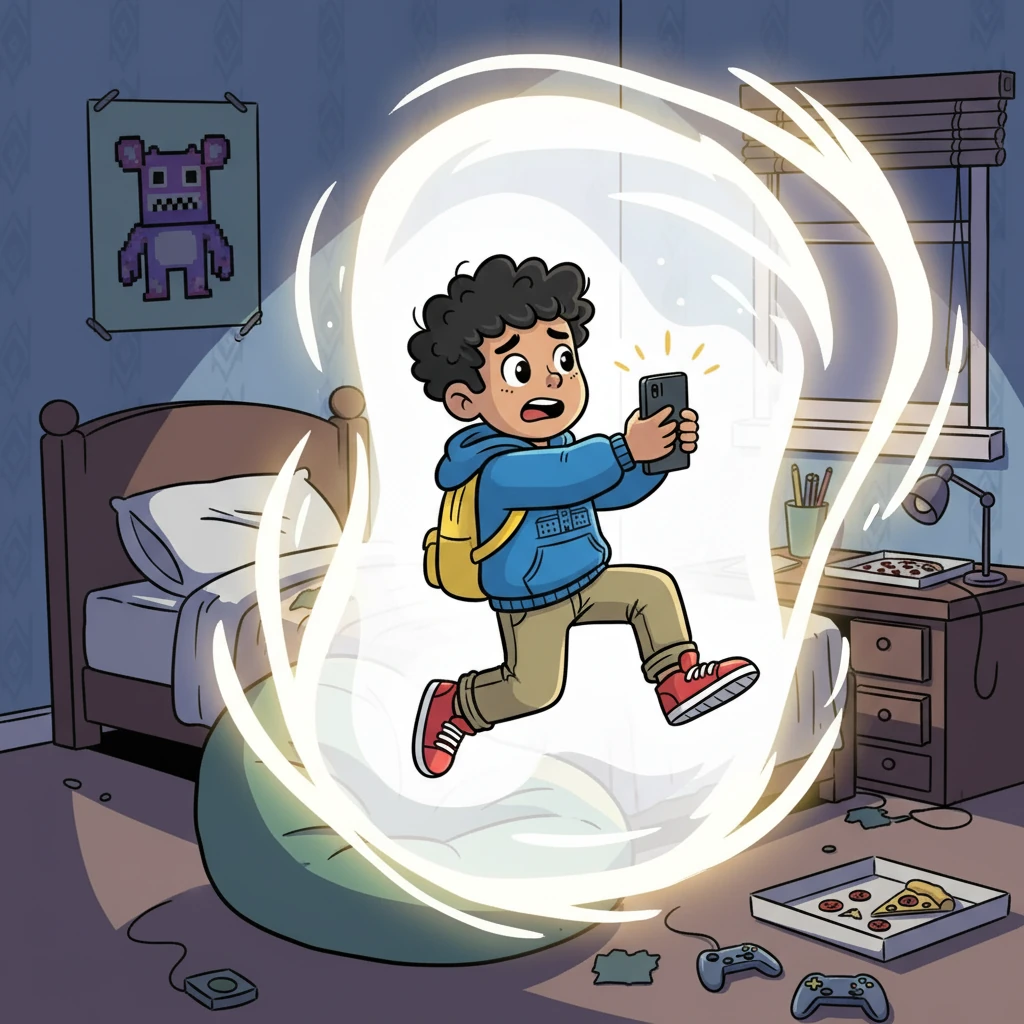
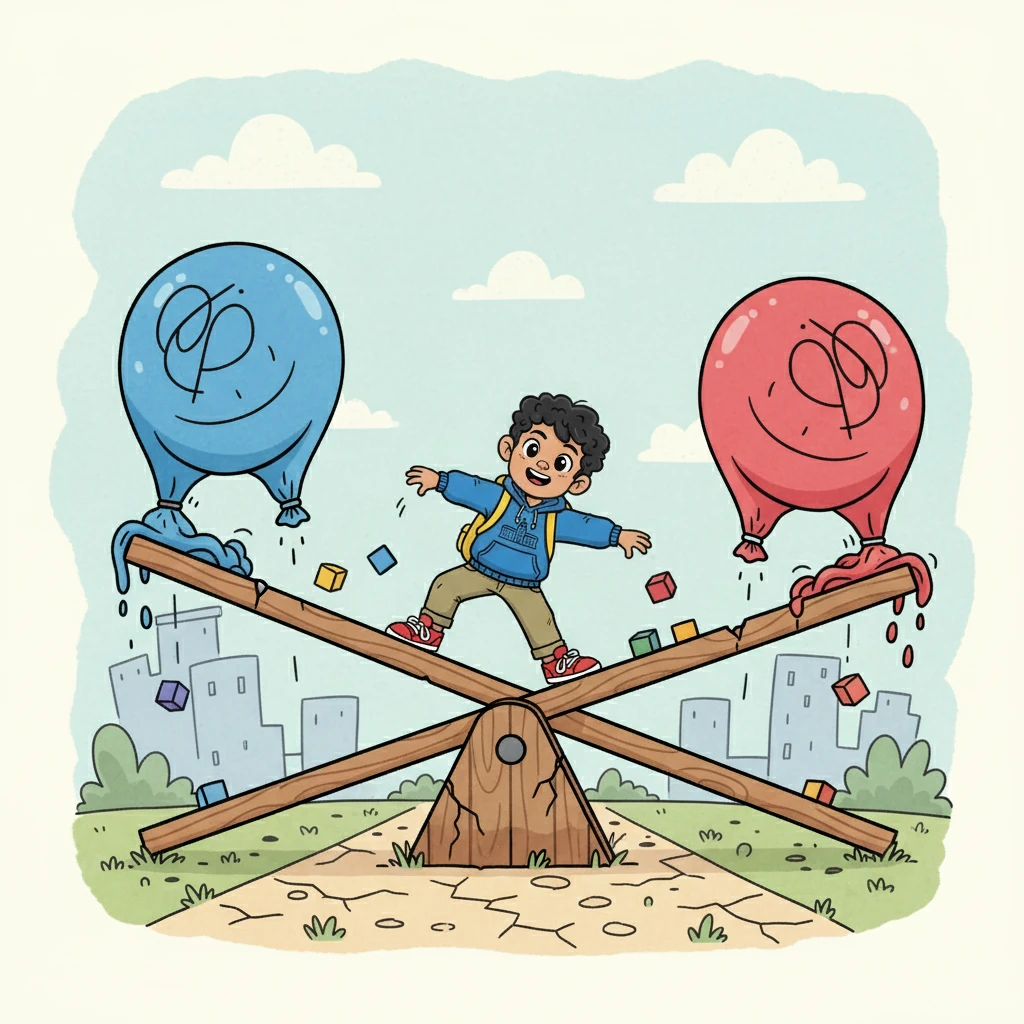
Join Kai, a sharp-witted 17-year-old, on an unforgettable journey through the heart of UK politics! Transported through time and space, Kai witnesses the highs and lows of democracy, from packed polling stations to the rise of social movements. This story is a fun, relatable, and insightful exploration of how power works in the UK, perfect for anyone wanting to understand the system.
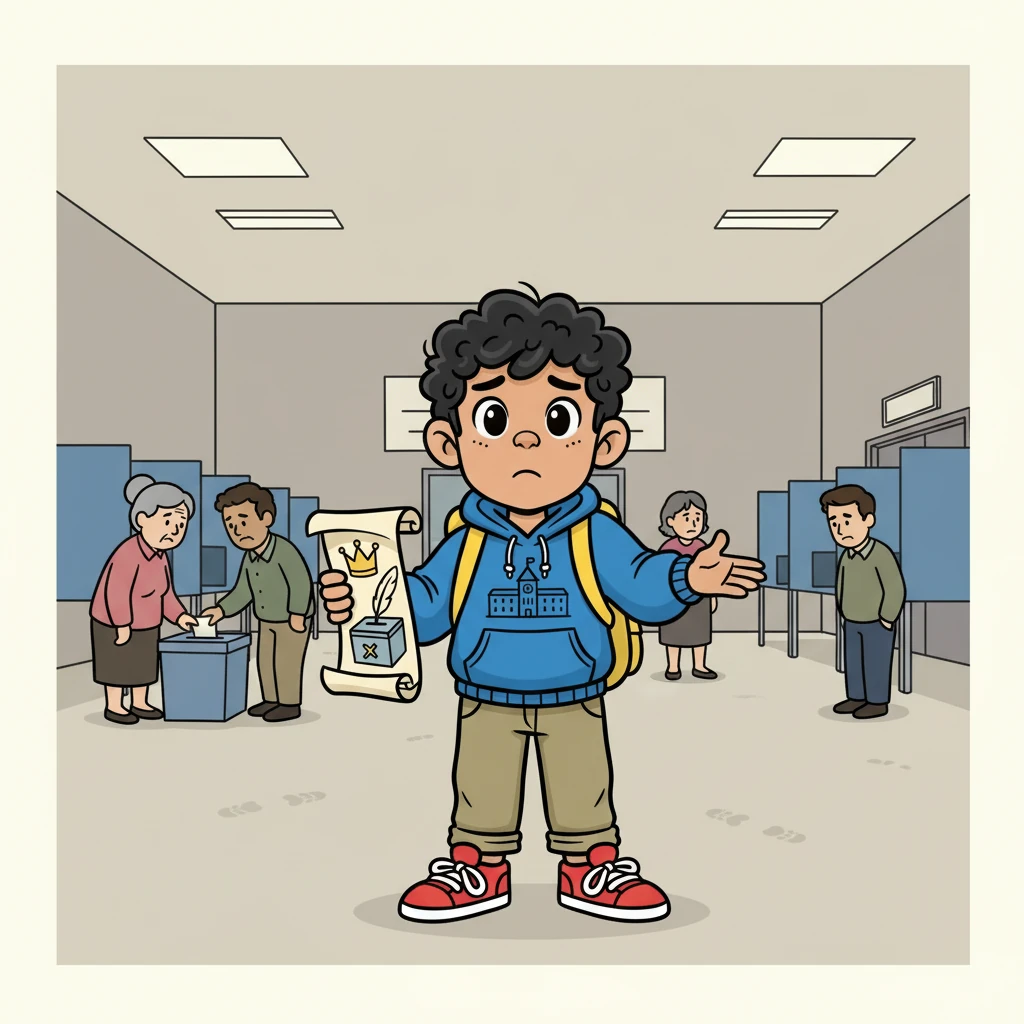
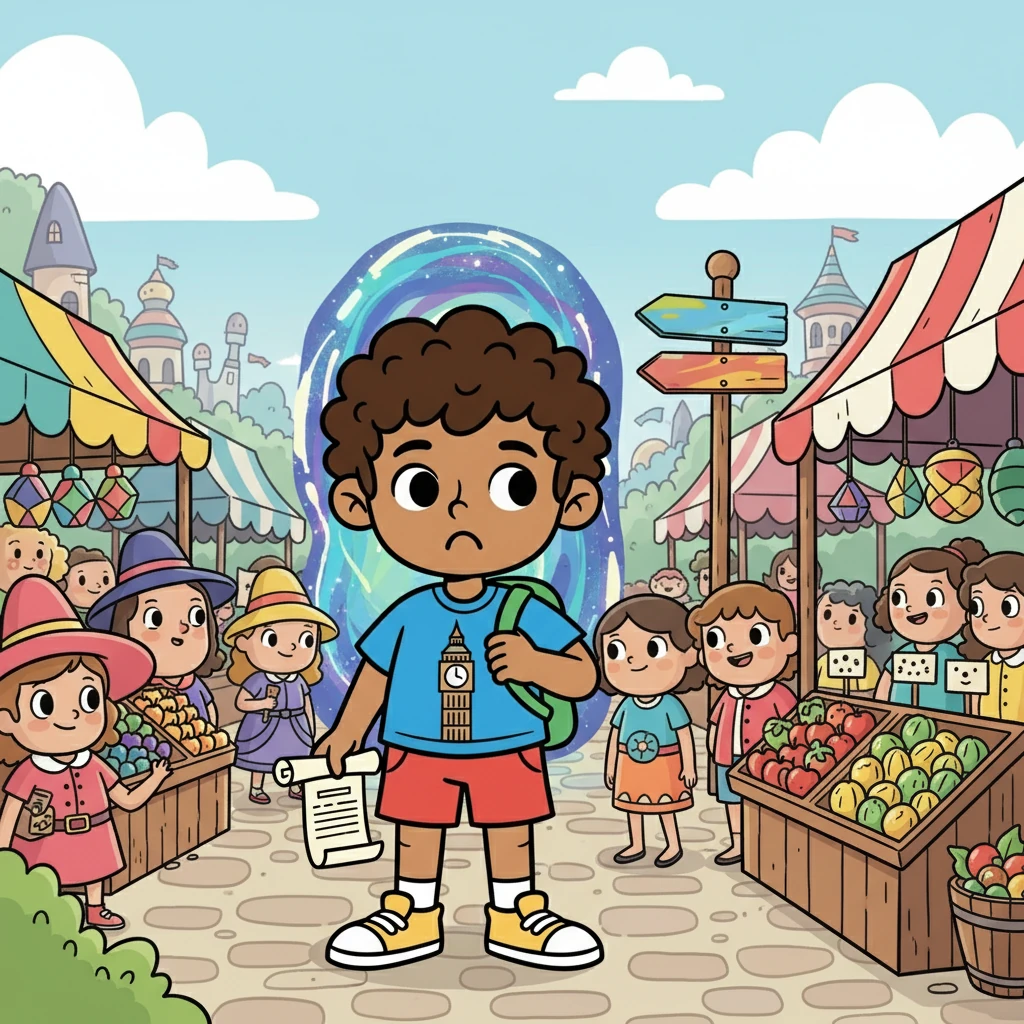
He found himself in a bustling polling station in 2024. People were shuffling in and out, but the atmosphere felt... flat. He learned that voter turnout was down, a major problem.
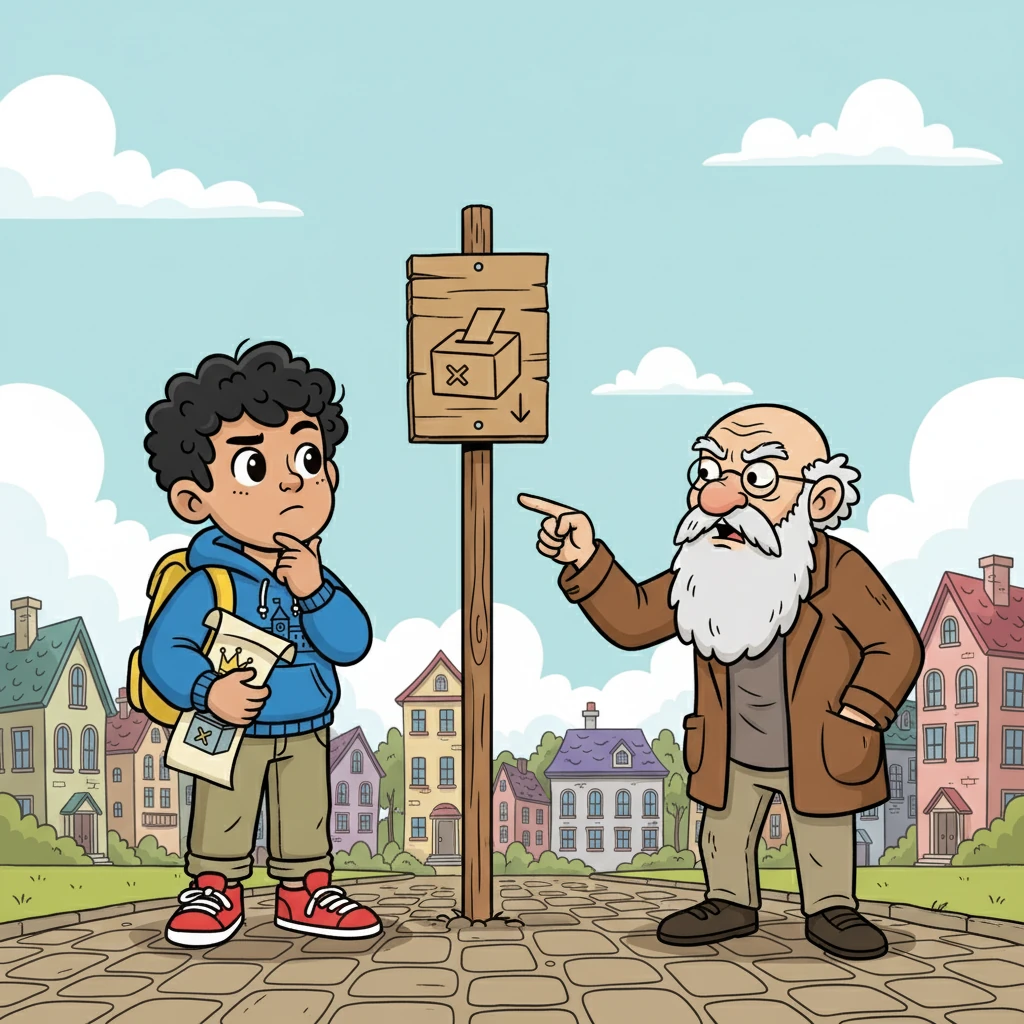
A grumpy old geezer pointed out a sign: 'Turnout below the post-war norm!' Kai felt the weight of history on his shoulders, understanding the importance of the vote.
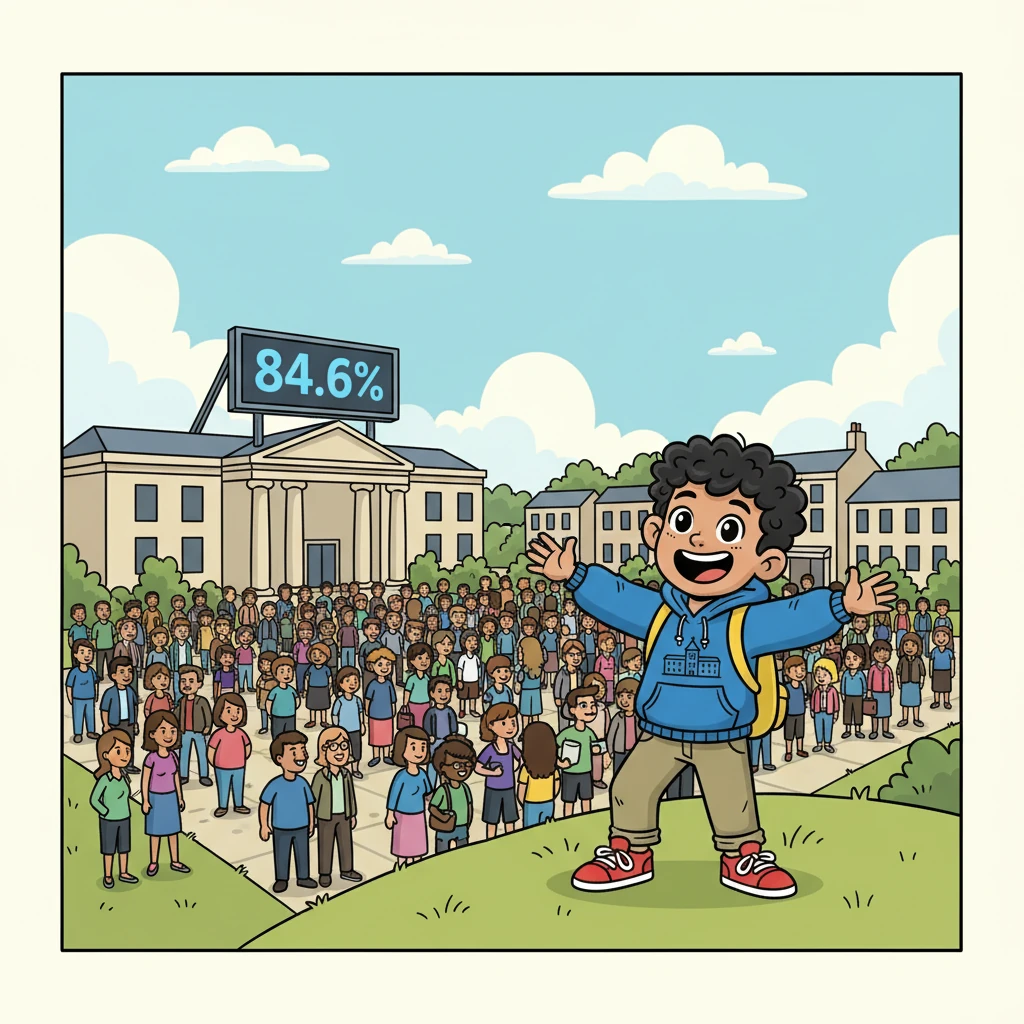
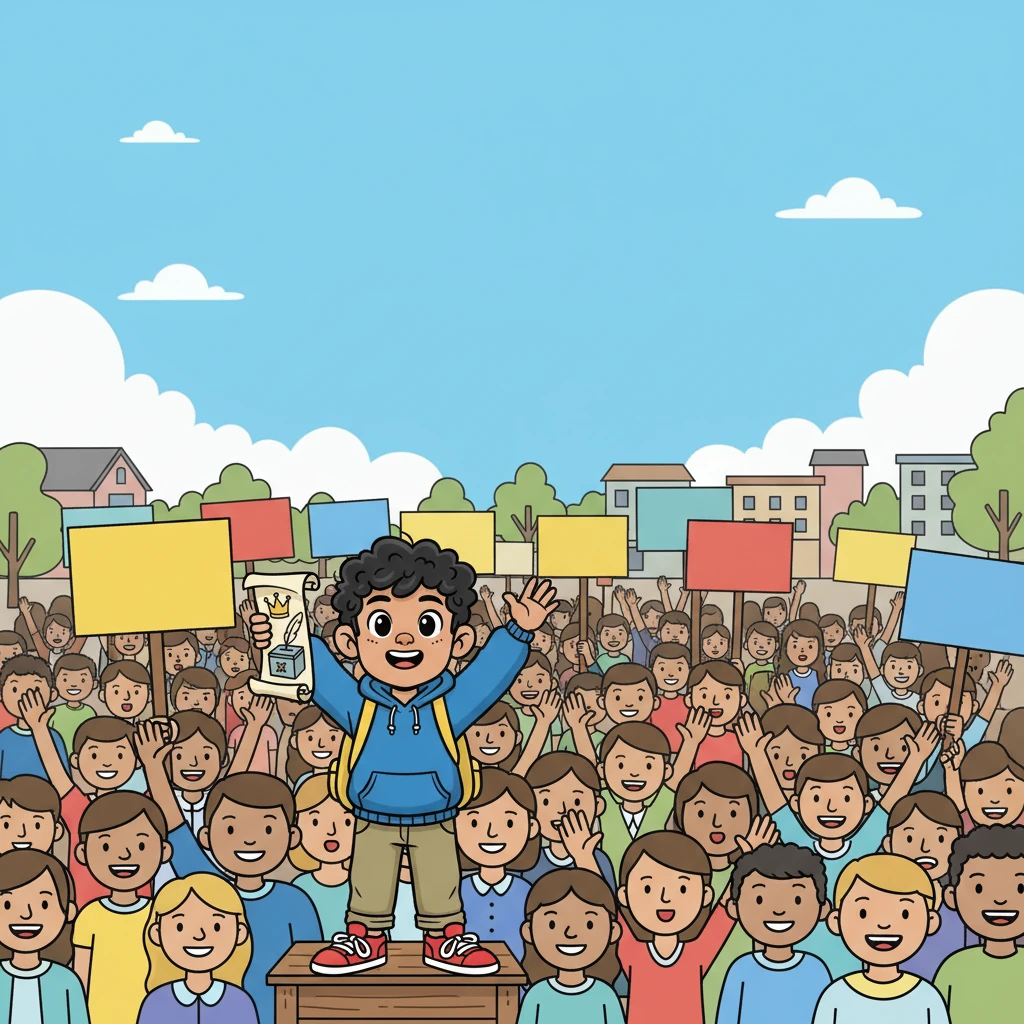
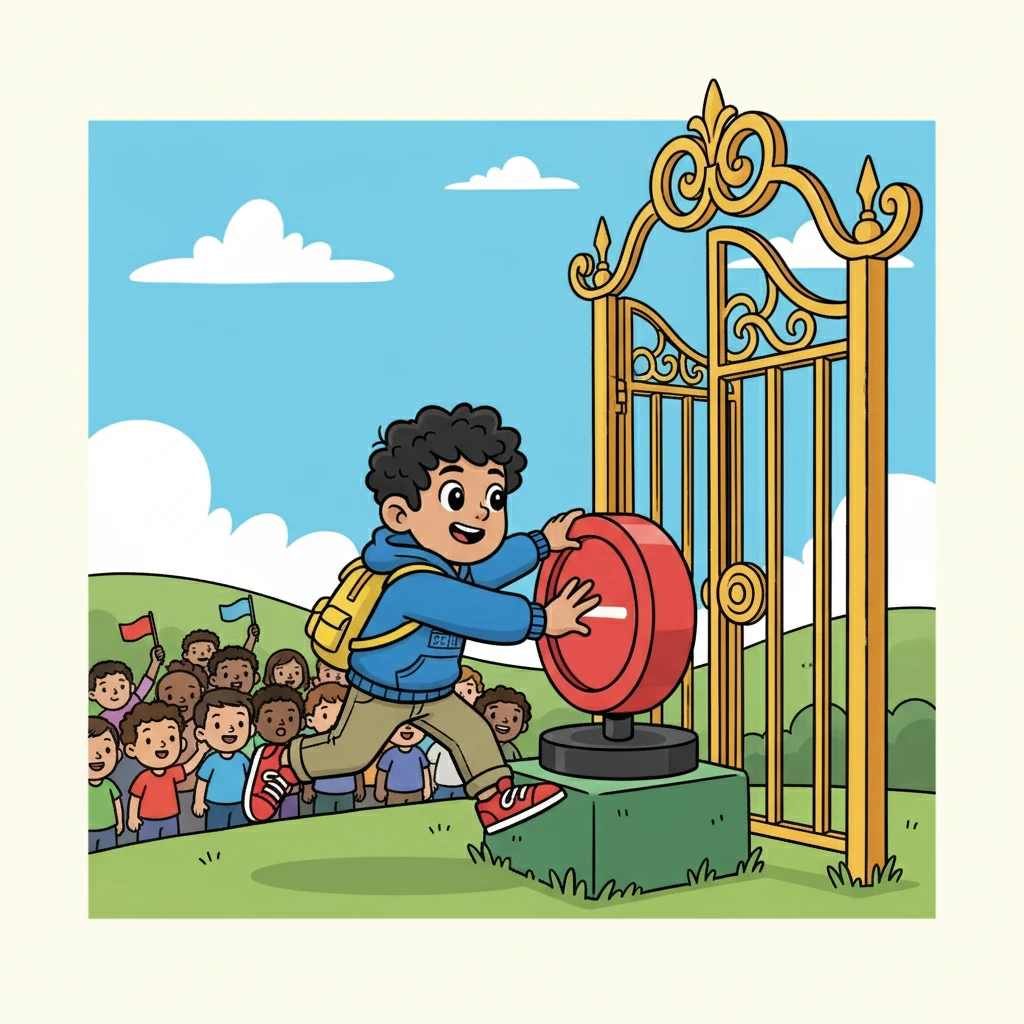
He saw the massive voter turnout for the referendum - 84.6%! Kai realised that when people care, they show up, proving that apathy wasn't always the issue.
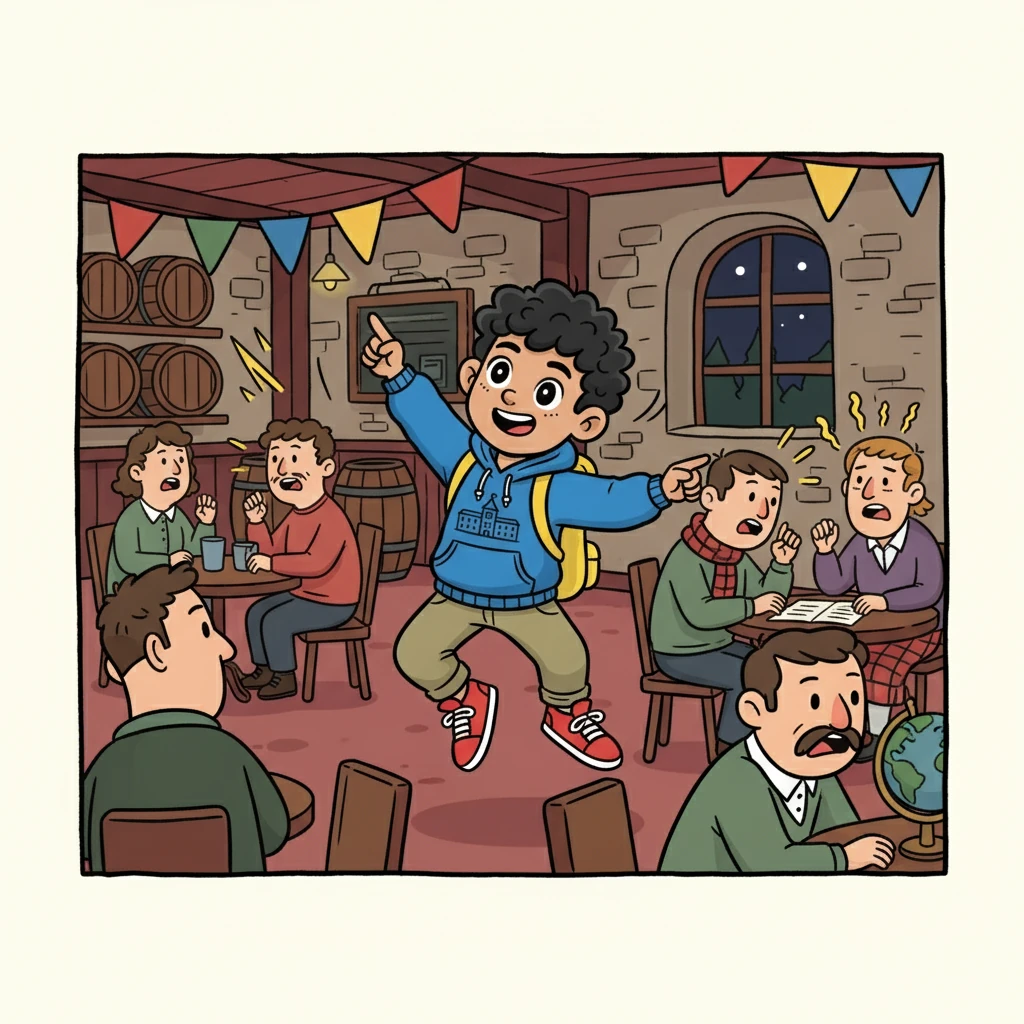
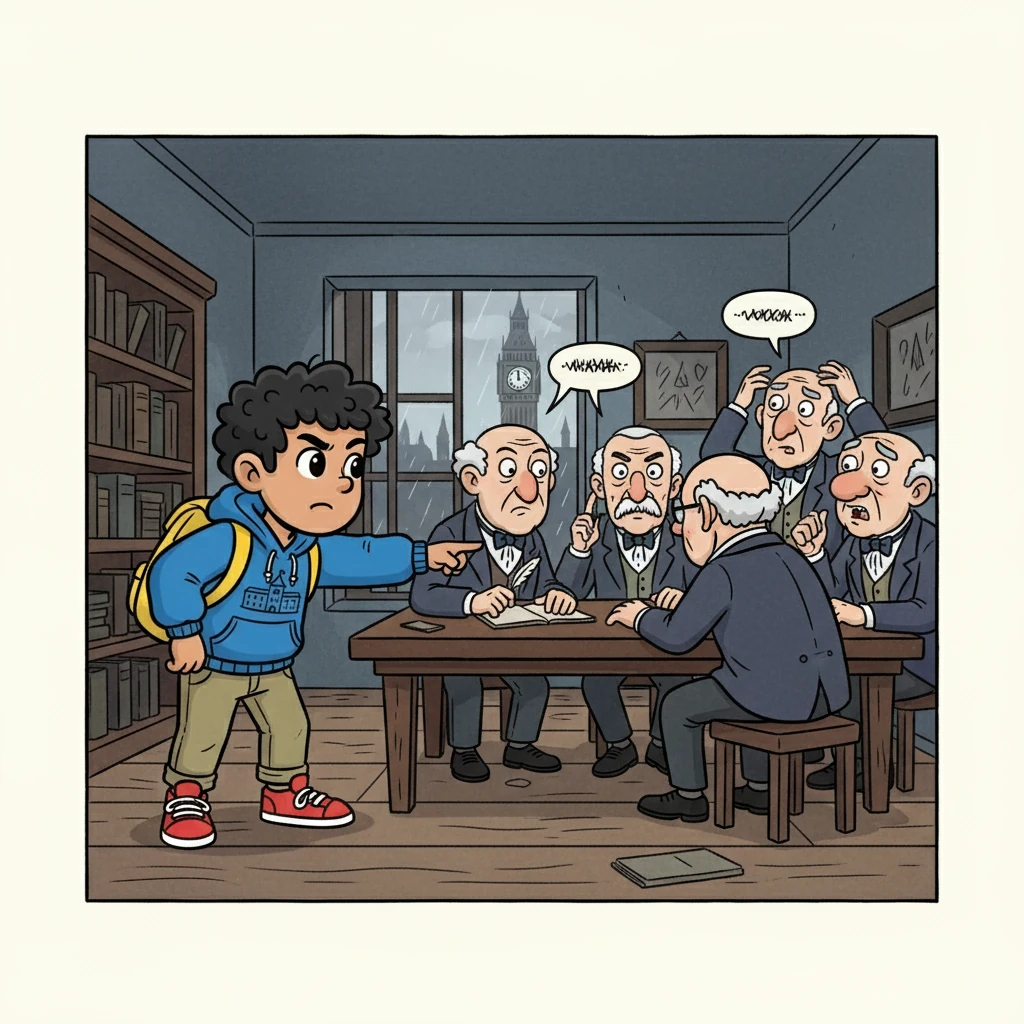
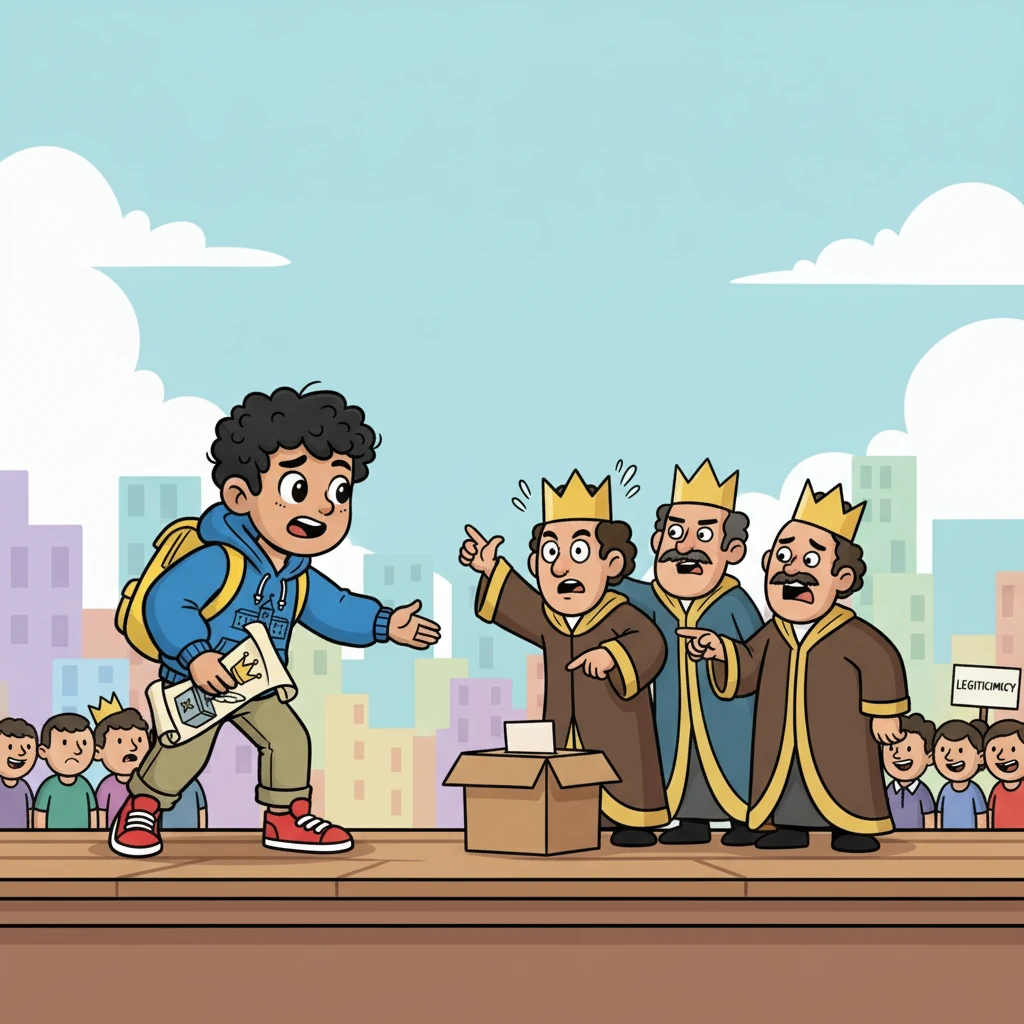
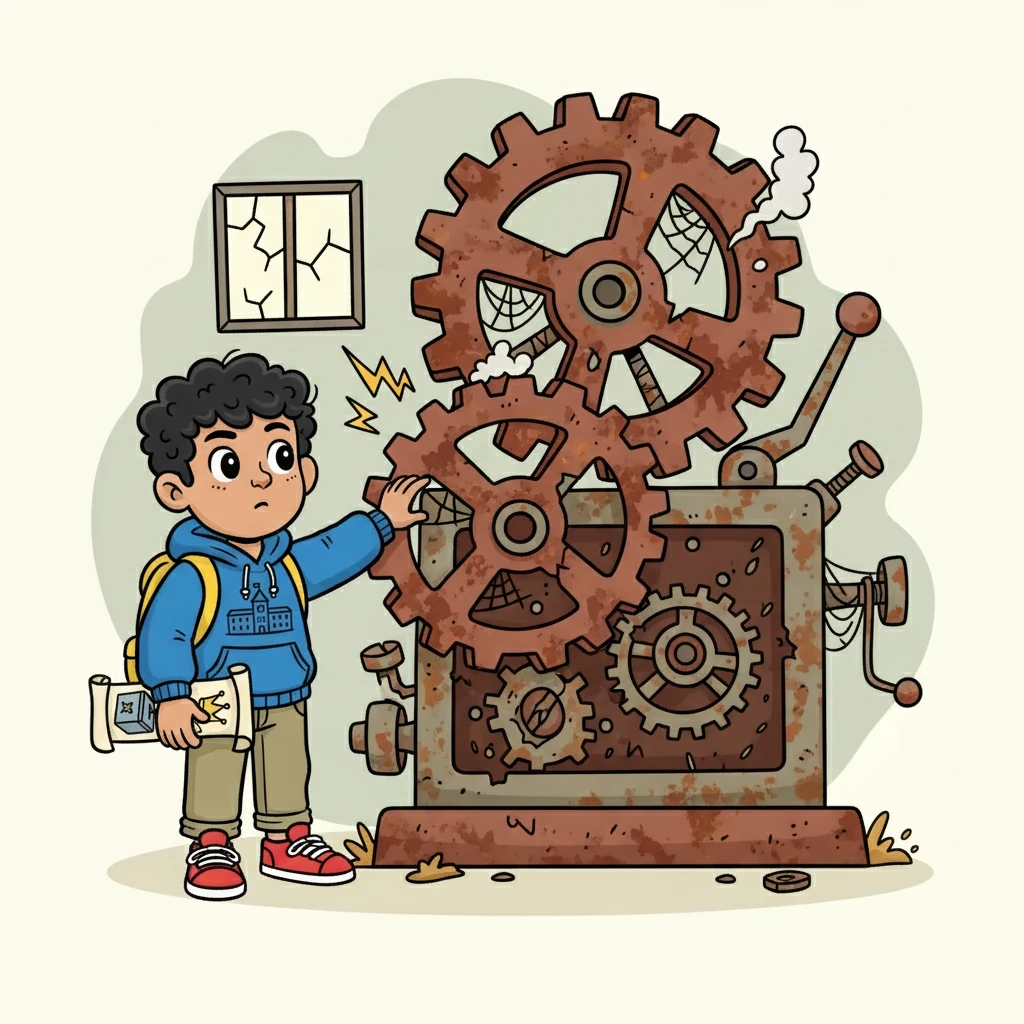
Back in London, Kai found himself in a dingy room where a group of politicians were having a heated discussion. 'Hapathy,' they muttered. Kai thought 'Nah, it's more than that'.
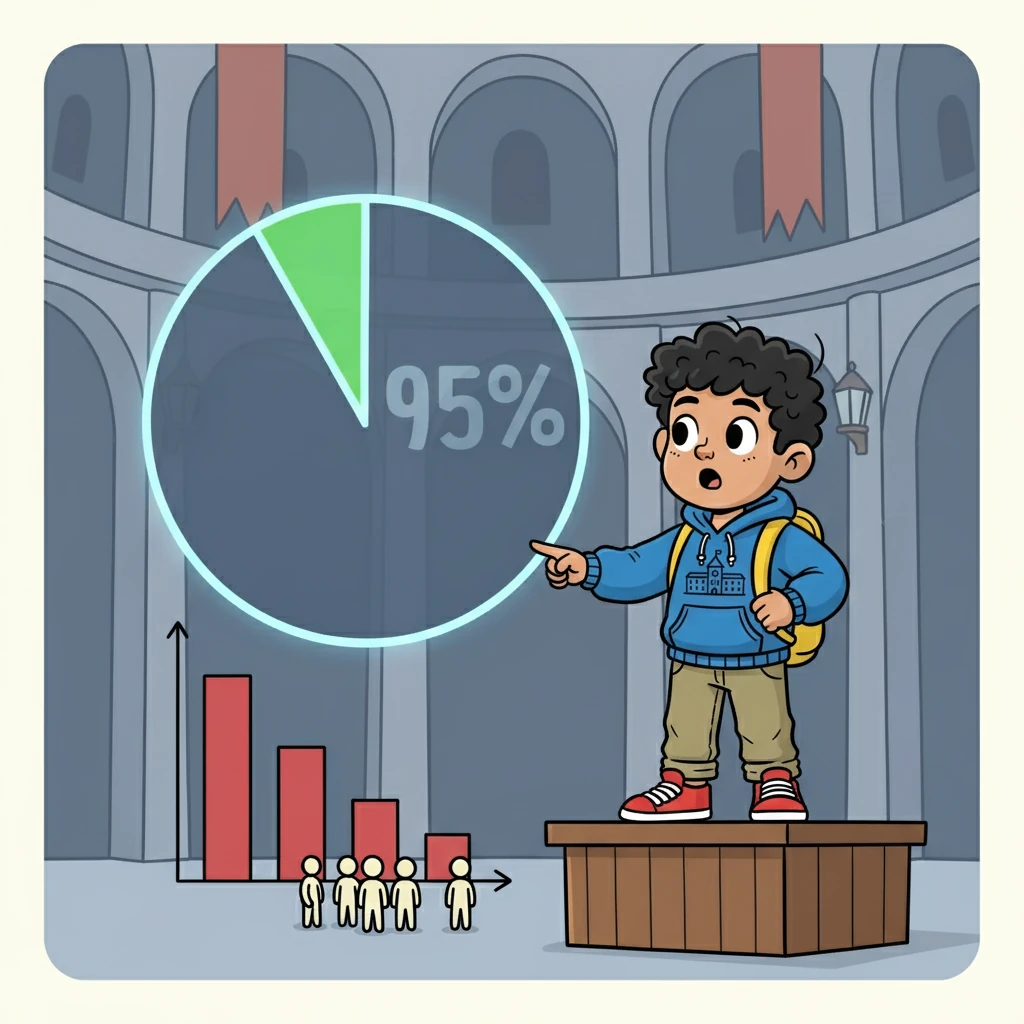
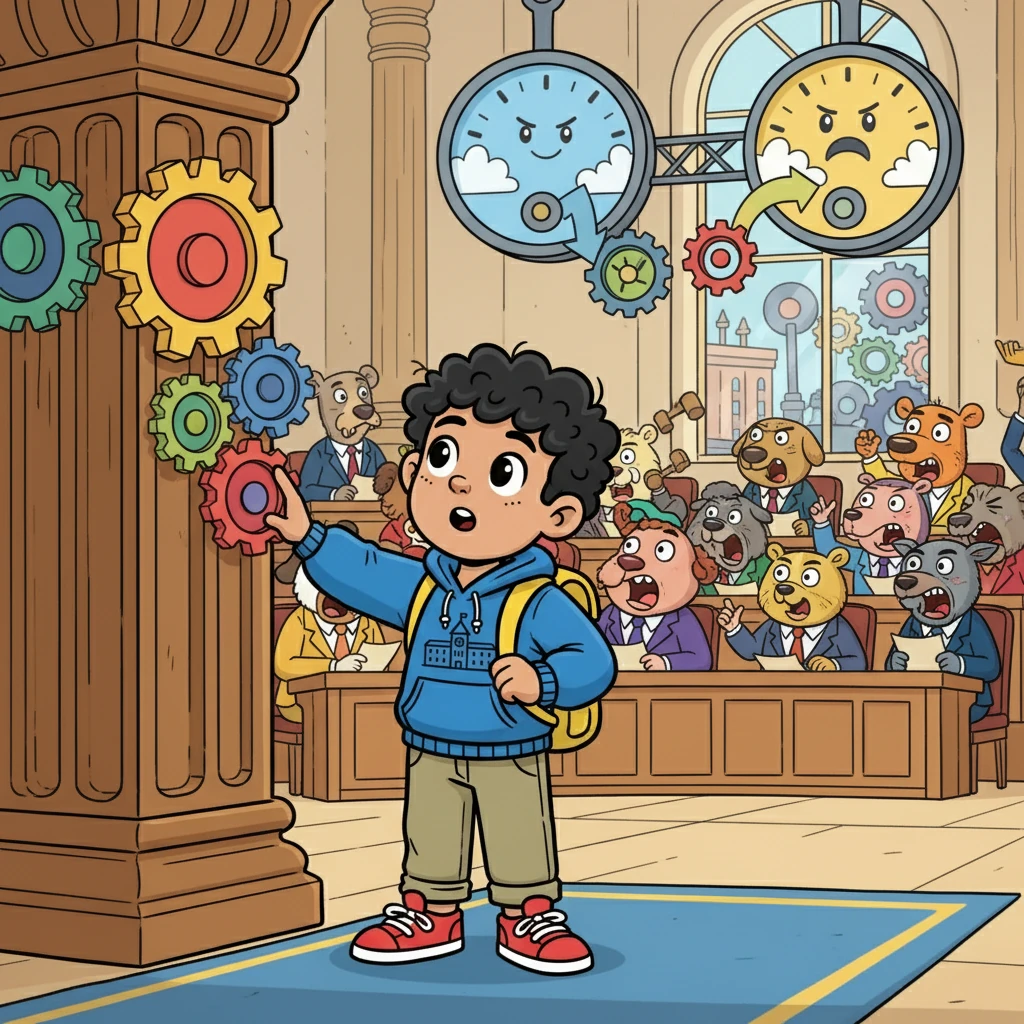
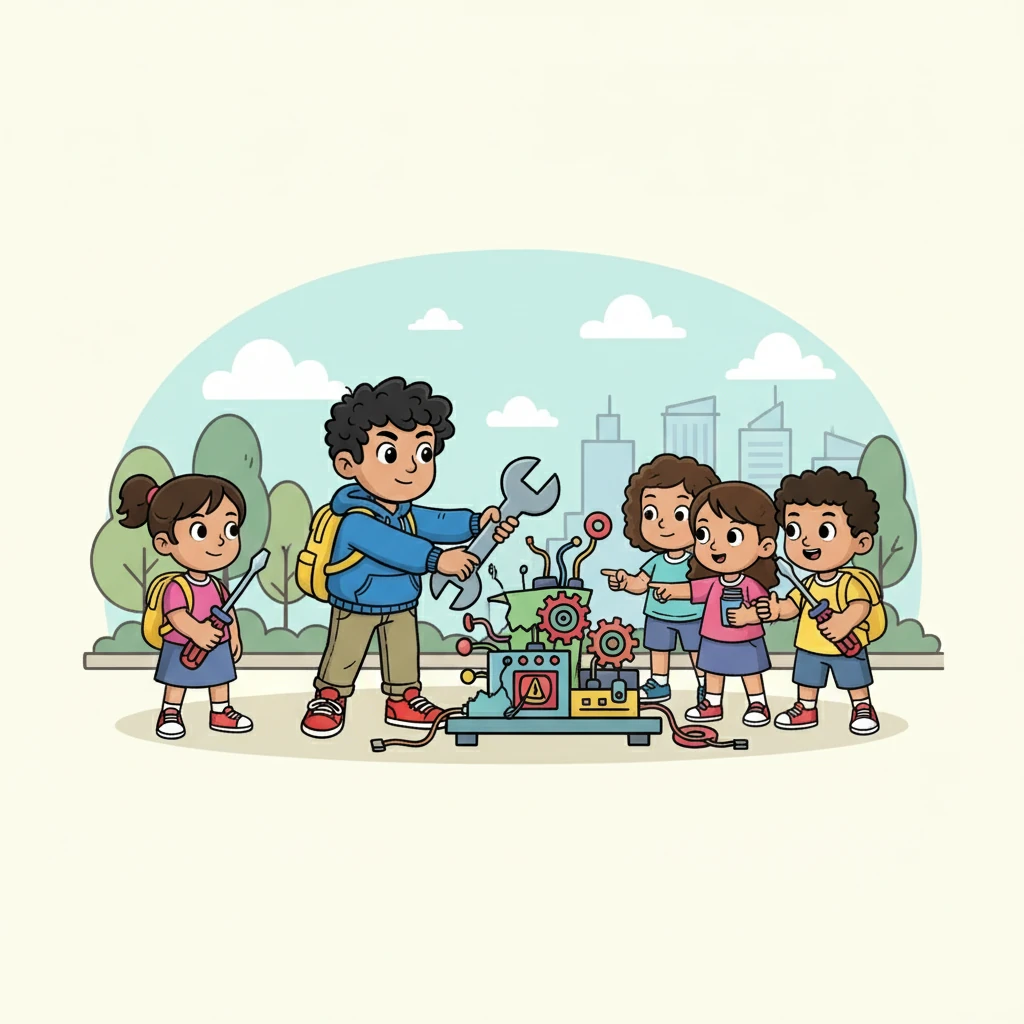
Kai was transported to a meeting of a political party. He saw the numbers and the decline in party membership. Only a tiny percentage of people were active.
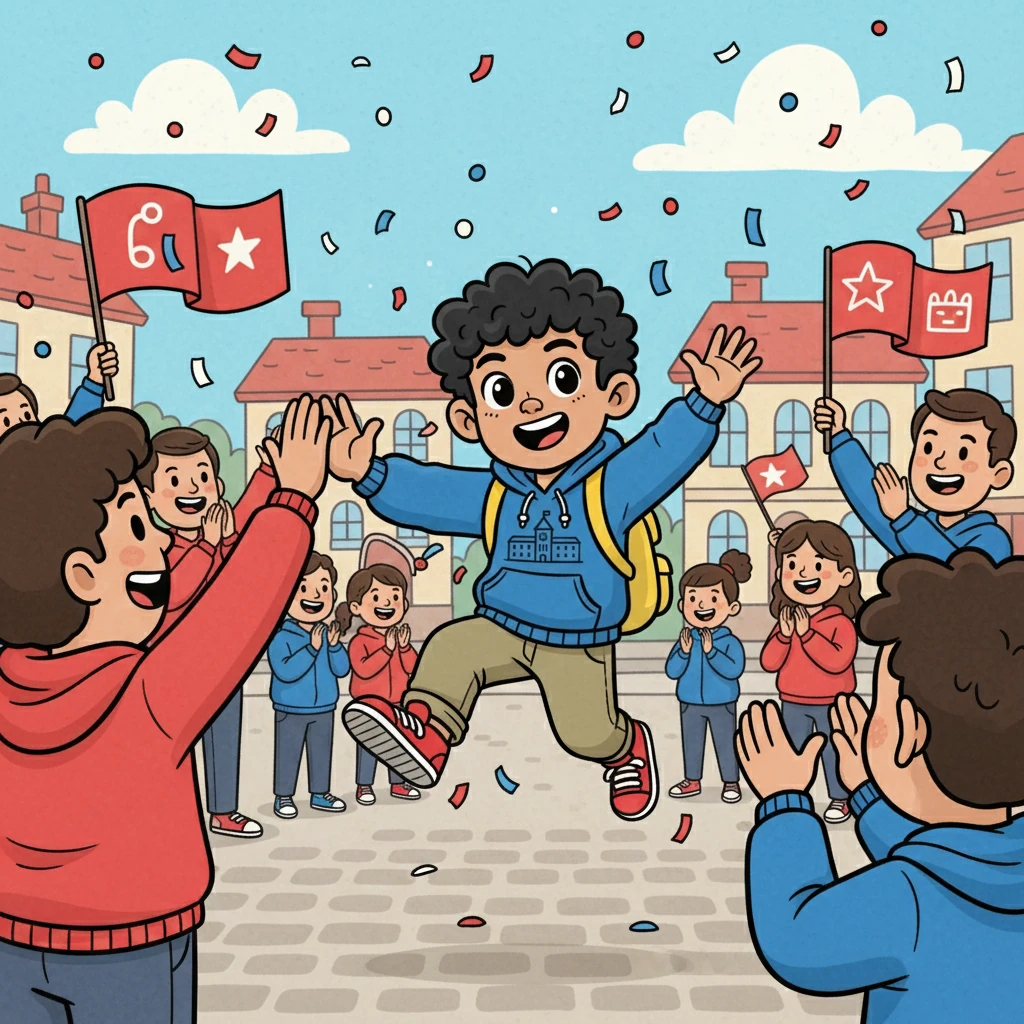
Kai went online, sharing his experience. He decided to register to vote, and encourage his friends to do the same. He was ready to make a difference.
生成提示词(登录后查看具体 Prompt)
transform this a level model essay plan and disguise as a fun story that a urban 17 year old would enjoy, that when recalled has all the contents of this full marks essay based on aqa a level politics official spec requirements. the story must be aimed at inner city gen z kid with a poor reading age, yet who must be able to recall all the details of this essay in a fun immersive, show and tell story , using dialogue to help explain and share emotion and make the story come to life. a lead character hets transported to the places in question and can even time travel. they see everything thats happening. the whole story should be written in a way thats relabale to a 17 year old in 2025, each politics a level essay "example" eg scottish referendum must have its own visual for recall purposes. the images are study aids designed to help the student recall. make it a funny and engaging journey yet don't forget, it must contain all the content of the model answer pasted here, its a full marks a level essay disguised as a story! tone of dialogue should be inner city relatable. fail criteria for illustrations if they dont clearly illustrate the core points being made in that part of the essay;Evaluate the view that UK democracy is in a participation crisis (30) Introduction A participation crisis is when too few citizens use the formal channels that create electoral mandates—mainly voting and party membership. UK turnout and party membership have fallen, while informal activity (petitions, protests, pressure groups) has risen. The issue is whether the latter can compensate for the former. 1) Elections and referendums For Turnout is well below the post-war norm (76% in 1945–97) and was ~59.8% in 2024, weakening mandates. “Second-order” contests attract fewer voters (e.g., Senedd 46.6% in 2021; Scottish Parliament 63.5% in 2021). In 2017, the 65+ turnout was ~25 points higher than 18–24s, amplifying policy skew. Mechanistically, thinner electoral inputs weaken a government’s claim to broad consent—its mandate. Against When salience is high, people vote: 2014 Scottish independence 84.6%; 2016 EU 72.2%. That implies disillusion with politicians, not politics; some cite “hapathy”. But hapathy cannot explain low turnout in 2010 and 2024. Mini-judgement Referendums show potential interest, but routine electoral participation remains too low to sustain strong mandates → crisis. 2) Party membership For Only ~1.6% of the electorate now belongs to a party (down from 3.8% in 1983). Labour and Conservative memberships have fallen (e.g., Labour ~500k → ~370k). On a “developmental” view—regular citizen involvement—this is a problem. Against Mobilisation surges occur when parties channel change (Labour 2015 £3 membership; post-indyref SNP; Reform UK growth). Yet Labour+Conservative together won only 57.4% in 2024, signalling eroded attachment. The “protective” view says mass involvement isn’t essential—just enough for legitimacy. However, structurally low membership in the parties that actually govern plus a thin two-party vote share weakens the citizen–party linkage and thus the mandate pipeline. Mini-judgement Surges are episodic; structural low membership of governing parties weakens linkage and legitimacy → crisis. 3) Other participation (pressure groups, protests, e-petitions) Against Engagement has shifted: large protests (e.g., Gaza ceasefire), pressure-group activity, and major e-petitions (6m Revoke Article 50; 590k+ Winter Fuel Payments). Parties adjusted under pressure (e.g., some arms export licences to Israel suspended in Sept 2024). This is real participation between elections. For But much digital action is low-cost “slacktivism”; even 2.9m signatures for an immediate general election only triggered a 2025 debate. Petitions/protests pressure but do not allocate power; without voting/membership the mandate weakens. They do not constitute consent. Mini-judgement Interest ≠ institutionalised consent. Informal channels can’t replace elections/parties in legitimising authority → crisis remains. Conclusion Participation hasn’t vanished; it has migrated. Yet the channels that confer mandates—voting and party membership—are the ones in decline. Persistently low turnout, thin membership and weaker attachment to governing parties outweigh high-salience referendums and extra-parliamentary activism. UK democracy is therefore in a participation crisis because the mandate-creating channels are weakening.