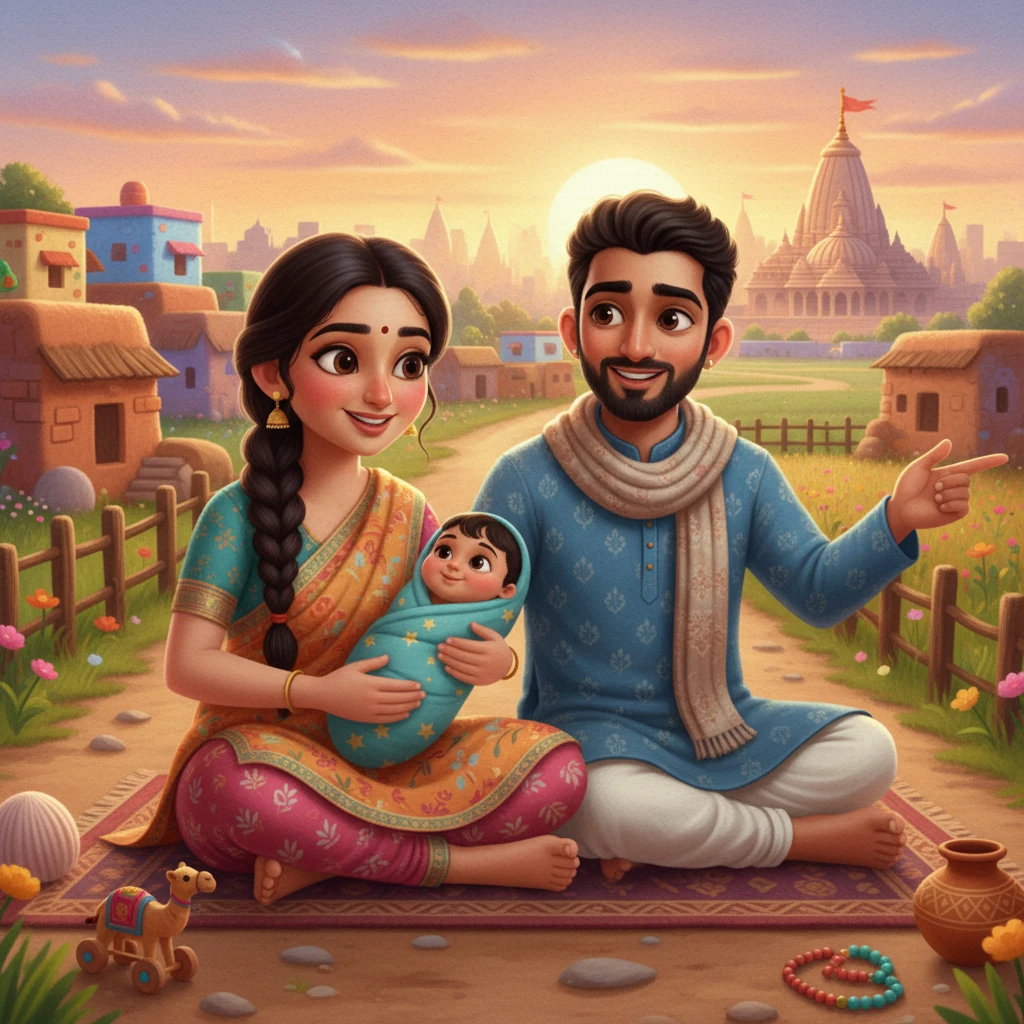
Experience a heartwarming journey of love and adaptation as Maria, a city girl, travels to the rural village of Nagrebcan to meet her husband's family. Through a series of subtle tests and simple chores, she must prove that her heart is as resilient as the provincial soil to earn her father-in-law's acceptance. A beautiful tale of bridging two different worlds through humility and respect.
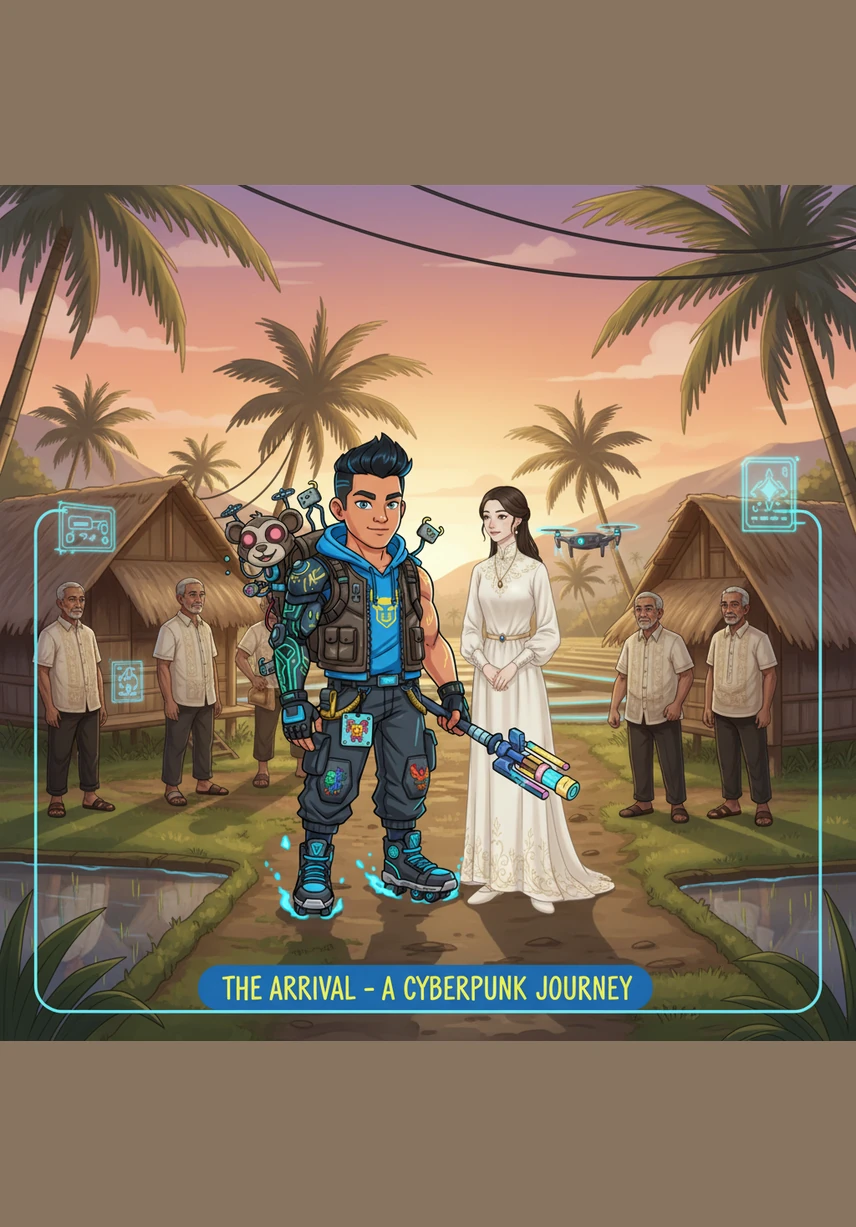
Leon and Maria arrive in the rural village of Nagrebcan after a long journey from the bustling city of Manila. As they step off the horse-drawn carretela, Maria looks around with wonder at the lush trees and quiet landscape, marking her first step into a completely new world.
Leon’s father watches from the veranda with a stern and thoughtful expression, wondering if this city girl can truly adapt to their humble lifestyle. He decides to observe her closely from a distance, devising subtle tests to see if she possesses the grit and humility needed for provincial life.
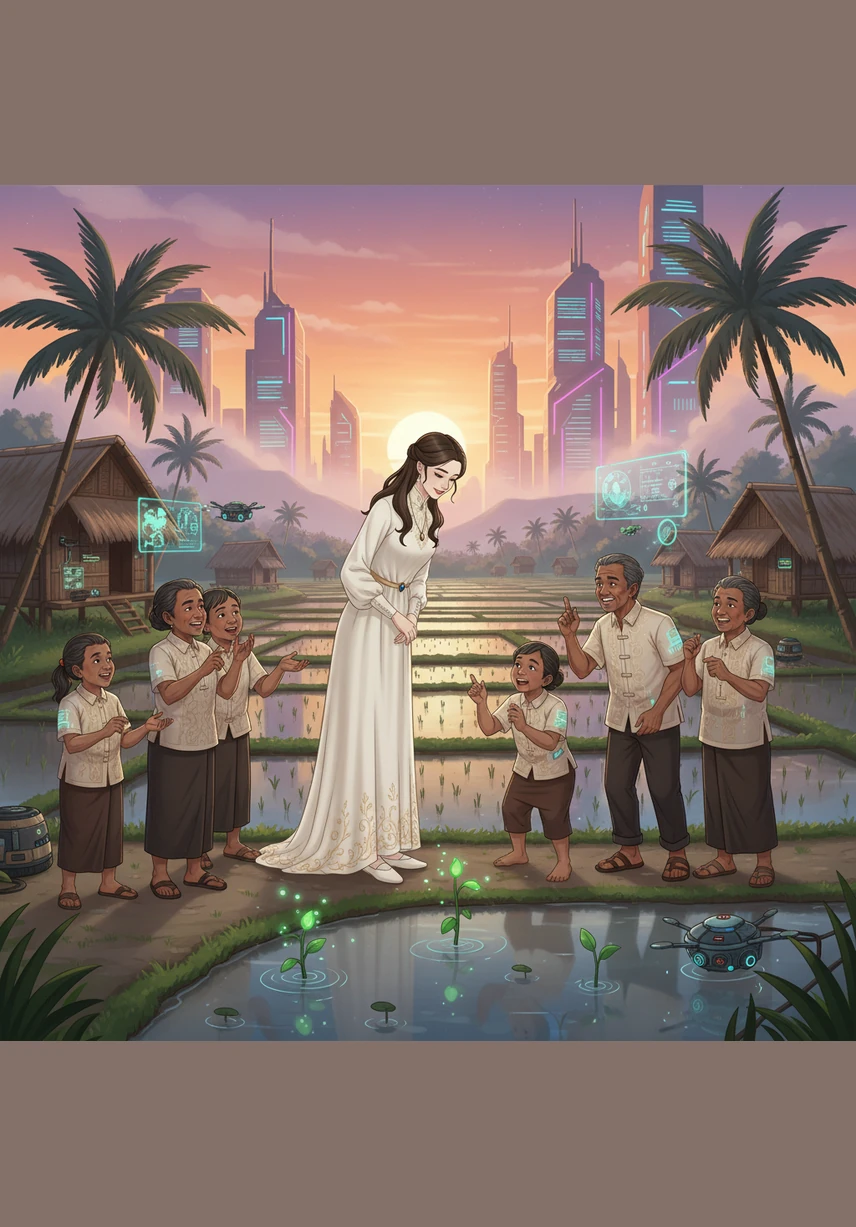
Maria moves with a natural grace that fascinates the local villagers, who whisper about her elegant city clothes and refined manners. Despite her sophisticated appearance, she shows a genuine curiosity about the village routines, eager to prove she is more than just a visitor.
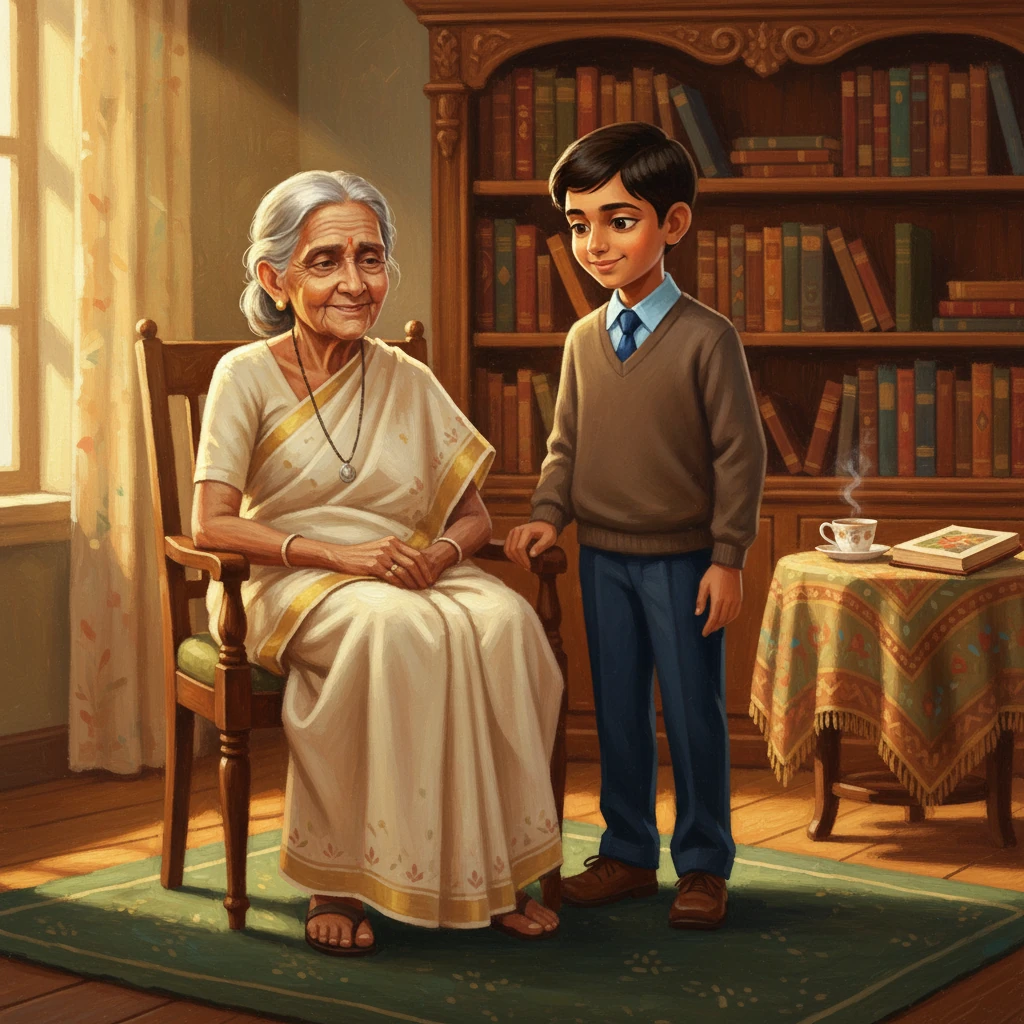
For her first task, Maria is asked to fetch water from the village well, an unfamiliar chore that requires physical effort she isn't used to. Though she is nervous, she holds the heavy pail firmly and walks carefully, showing a quiet determination that impresses the curious onlookers.
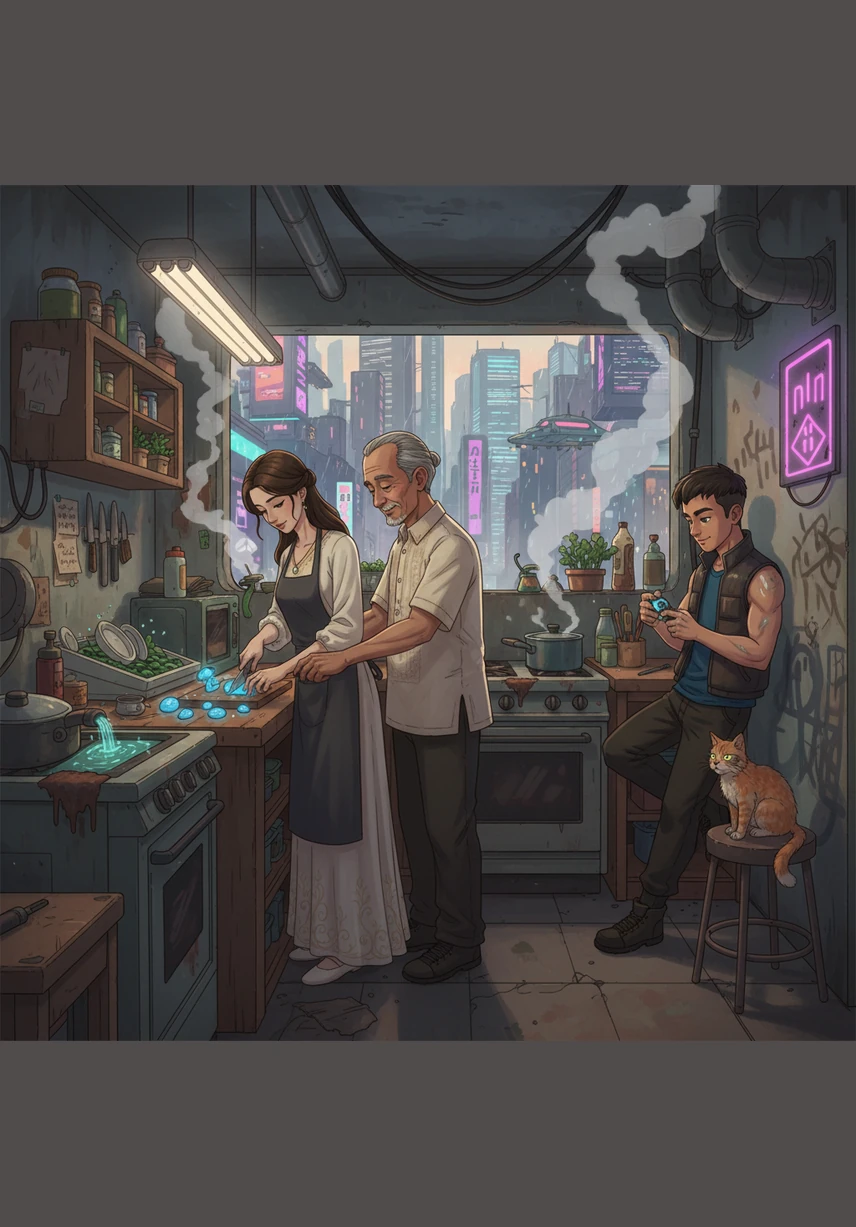
Inside the family home, Maria begins learning the daily chores, from sweeping the dusty yard to helping in the busy, smoke-filled kitchen. When she accidentally spills some rice, she doesn't get frustrated but instead smiles and cleans it up immediately, earning a small, secret nod of approval from Leon's father.
The ultimate test arrives when Maria is asked to milk a cow, a task that initially fills her with a moment of fear and hesitation. Leon watches anxiously from the sidelines, but Maria takes a deep breath and succeeds, showing that her spirit is stronger than her city upbringing suggests.
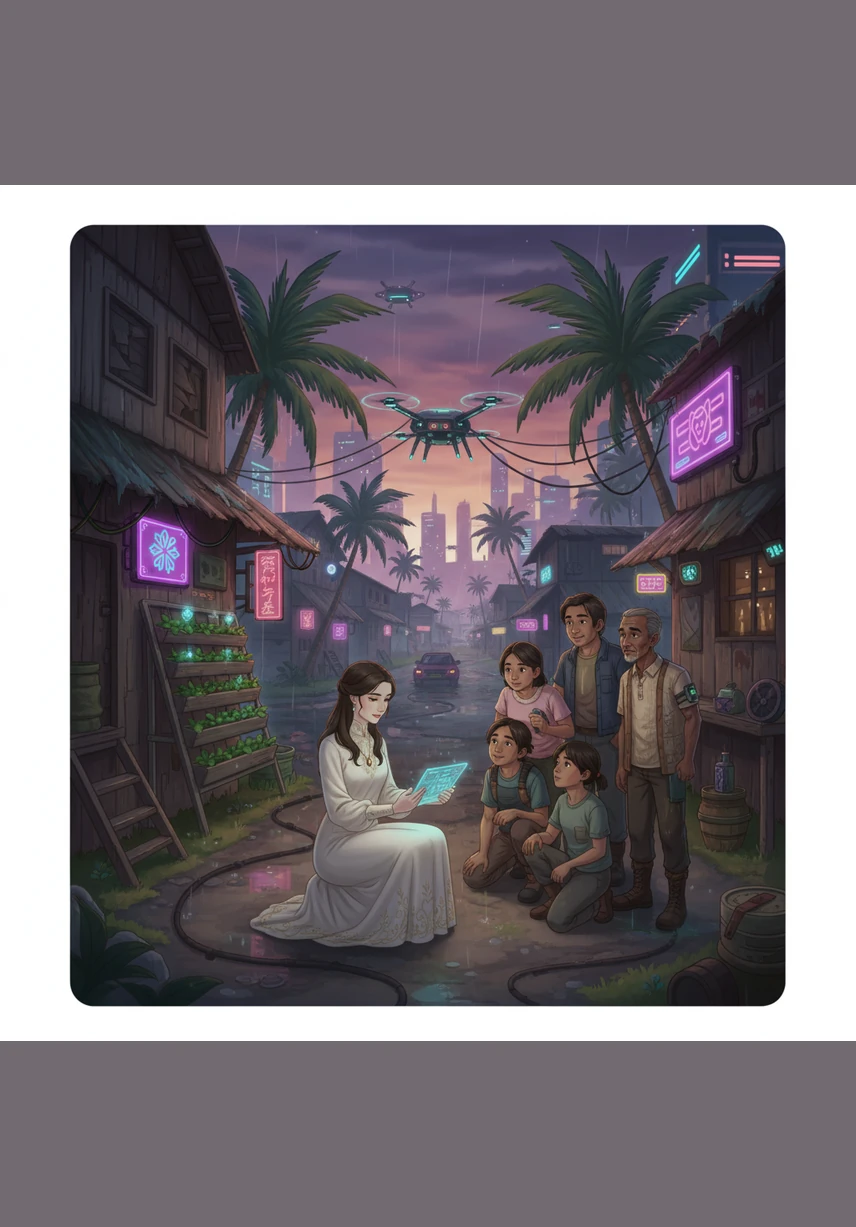
As the days pass, Maria’s kindness and willingness to learn begin to melt the initial skepticism of the community. She treats every villager with genuine respect, bridging the gap between her urban past and her rural present through her polite manners and hard work.
Leon feels a surge of relief and pride as he sees his father finally smile while watching Maria interact warmly with the neighbors. The tension that hung over their arrival begins to dissipate, replaced by a growing sense of belonging and mutual respect within the household.
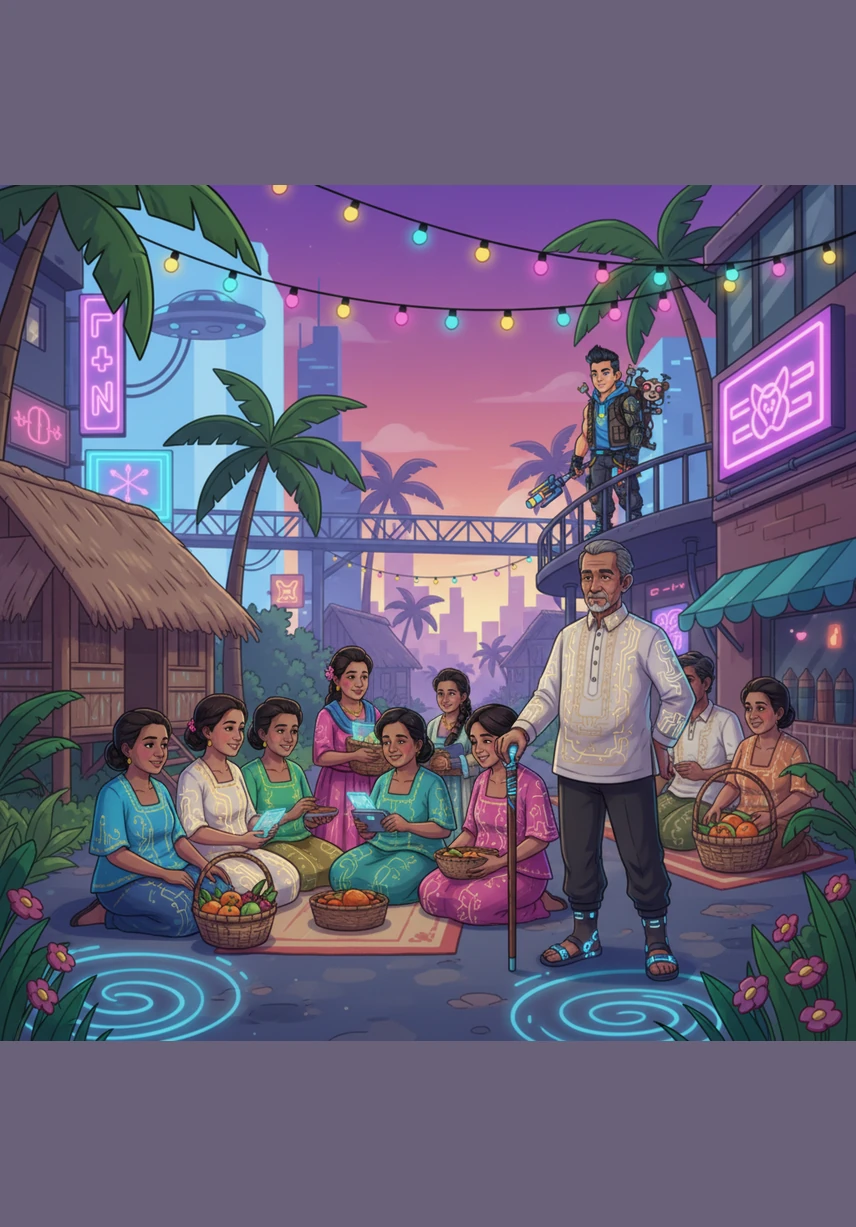
During a festive village gathering, Maria joins the local women in preparing traditional dishes over an open fire in the lively outdoor setting. She laughs and shares stories with her new friends, no longer a stranger from the city but a welcomed member of the Nagrebcan community.
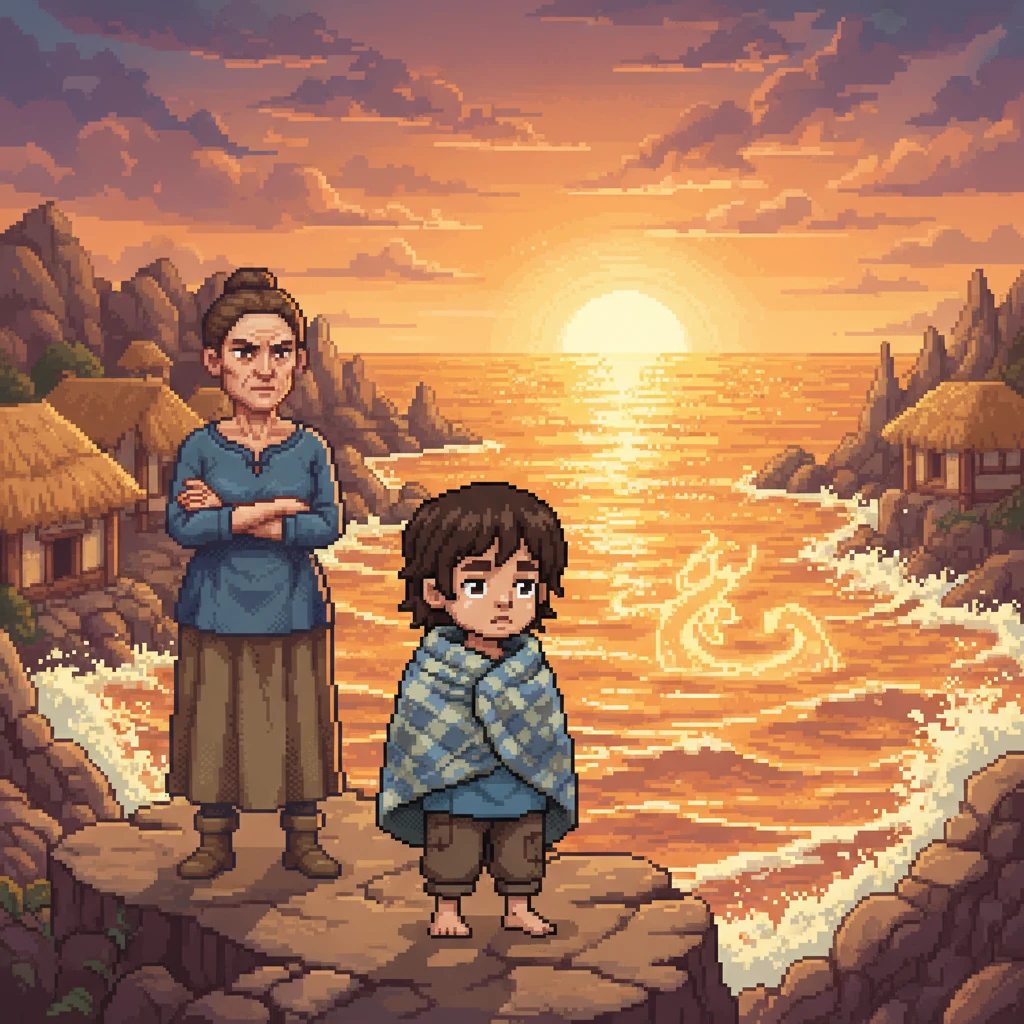
Leon's father officially welcomes Maria into the family with a warm hand on her shoulder, recognizing her inner strength and adaptability. Leon and Maria look out over the beautiful provincial sunset together, ready to build their new life in a place that finally feels like home.
Generation Prompt(Sign in to view the full prompt)
detailed text, dialogue, and visual prompt — ready to copy into PowerPoint or Google Slides. Slide Text Dialogue Visual Prompt 1 How My Brother Leon Brought Home a Wife Journey from Manila to Nagrebcan and the bride’s test of adaptability. – Title slide: add city and provincial elements in the background. 2 Leon finally arrived in Nagrebcan after a long journey from Manila. He was excited, carrying hopes for a smooth introduction of his bride. – Rural road with a horse-drawn carretela and a city-dressed man stepping off. 3 His bride, Maria, had grown up amidst the hustle and bustle of the city. Everything in Nagrebcan was new to her. Maria: “Wow… everything is so quiet here. And so many trees!” City girl stepping into a peaceful provincial village, looking amazed. 4 Father was unsure if Maria could adapt. He had raised Leon to value hard work and humility. Father: “We must see if she is ready for our way of life before we welcome her fully.” Stern-looking father watching Maria from the veranda. 5 Father devised subtle tests to observe Maria’s character and adaptability to village life. – Father thinking with a mischievous smile while observing from afar. 6 Maria stepped down from Ca Celin’s carretela with delicate grace, catching the eyes of everyone. Villager: “She moves like a city lady… but so graceful!” Maria stepping elegantly from a horse-drawn carriage, villagers watching. 7 Her elegance and refinement were clear, but would it last in the village routines? Father (whispering): “Let’s see how she handles a little work…” Close-up of Father observing Maria discreetly, contemplative expression. 8 Father asked Maria to fetch water from the well, a simple but unfamiliar task for a city girl. Maria: “Oh! I… I hope I do this right.” Maria holding a pail, walking carefully to the village well, slightly nervous. 9 She carried the water carefully, avoiding spills, showing effort and determination. Leon (whispering): “She’s doing fine… she can do this.” Maria smiling slightly while carrying a bucket of water, villagers noticing. 10 Villagers watched with curiosity, impressed by her politeness and willingness to try. Villager 1: “She may be from the city, but she has good manners.” Group of villagers smiling and whispering while observing Maria work. 11 Leon was nervous. His father’s judgment felt like a test he could not influence. Leon: “Please let her pass… I trust her, but Father is strict.” Leon standing behind Maria, worried but hopeful. 12 Maria walked around the house, learning chores, helping in the kitchen, and speaking politely to everyone. – Maria sweeping the yard or helping in the kitchen, learning rural tasks. 13 She accidentally spilled some rice while cooking. Instead of frustration, she smiled and cleaned it immediately. Maria: “Oops! I’ll be more careful next time.” Father (nodding quietly): “Good, you learn quickly.” Maria smiling as she cleans rice from the floor, Father observing approvingly. 14 Father asked her to milk a cow—a task she had never done before. Maria: “I… I’ve never tried this… but I’ll do my best.” Maria carefully trying to milk a cow, villagers watching and whispering. 15 Despite her initial fear, she succeeded. Her determination impressed everyone. Leon: “I knew she could do it!” Maria smiling triumphantly with a small pail of milk. 16 Her kindness and humility began earning Father’s trust and the villagers’ respect. Villager 2: “She truly respects our way of life.” Villagers smiling, nodding in approval while Maria works. 17 Father realized that Maria had the qualities to become a true member of the family. Father: “She is capable, humble, and respectful. She may stay.” Father smiling warmly, giving subtle nod of approval. 18 Leon breathed a sigh of relief, happy to see his father finally accept her. Leon: “Thank you for trying, my love. You passed!” Leon hugging Maria happily, both relieved and joyful. 19 Villagers also began welcoming Maria as part of the community. Villager 3: “Welcome to Nagrebcan! You will fit right in.” Group of villagers smiling and waving at Maria, making her feel at home. 20 Maria began participating in village life daily, learning traditions and enjoying simple joys. – Maria helping in the garden, chatting with neighbors, smiling. 21 During a small village feast, Maria was invited to cook alongside everyone, showing her growing skills. Maria: “I’m happy to be learning from all of you!” Maria cooking with villagers in a lively outdoor setting. 22 Leon and Maria shared moments of laughter, adapting together to rural life. Leon: “We’ll make this our home, together.” Leon and Maria smiling, enjoying village scenery together. 23 Father officially welcomed Maria as his daughter-in-law, happy with her humility and effort. Father: “Welcome to our family, my child. You have proven yourself.” Father placing hand on Maria’s shoulder, smiling warmly. 24 Adaptability, humility, and willingness to learn can bridge city and rural differences. Respect and effort