This vibrant picture book follows Kofi, a curious boy from Takoradi, as he navigates the exciting yet tricky world of online communication. When a suspicious message promises a big prize, Kofi must learn to think critically, verify information, and share his newfound online safety wisdom with his friends. It's a cheerful tale about smart choices, digital citizenship, and staying safe while having fun online!
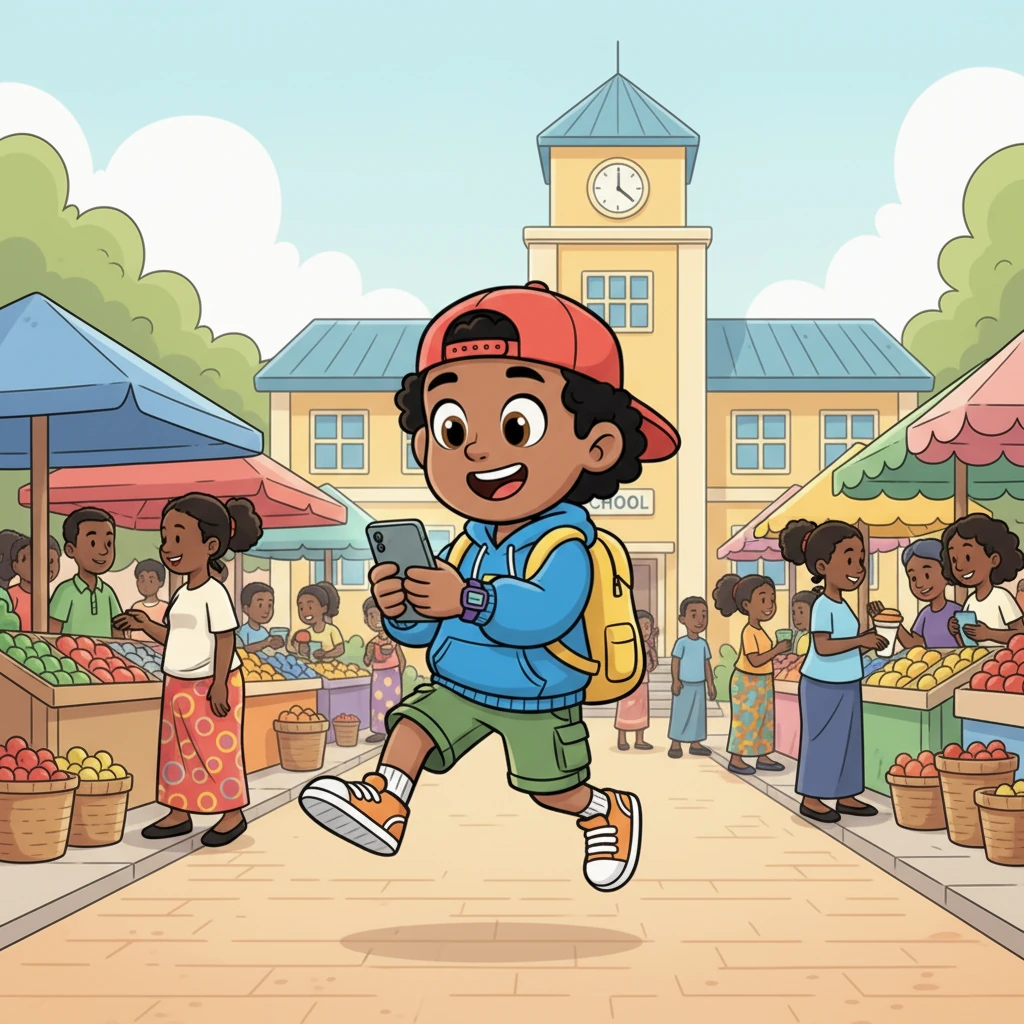
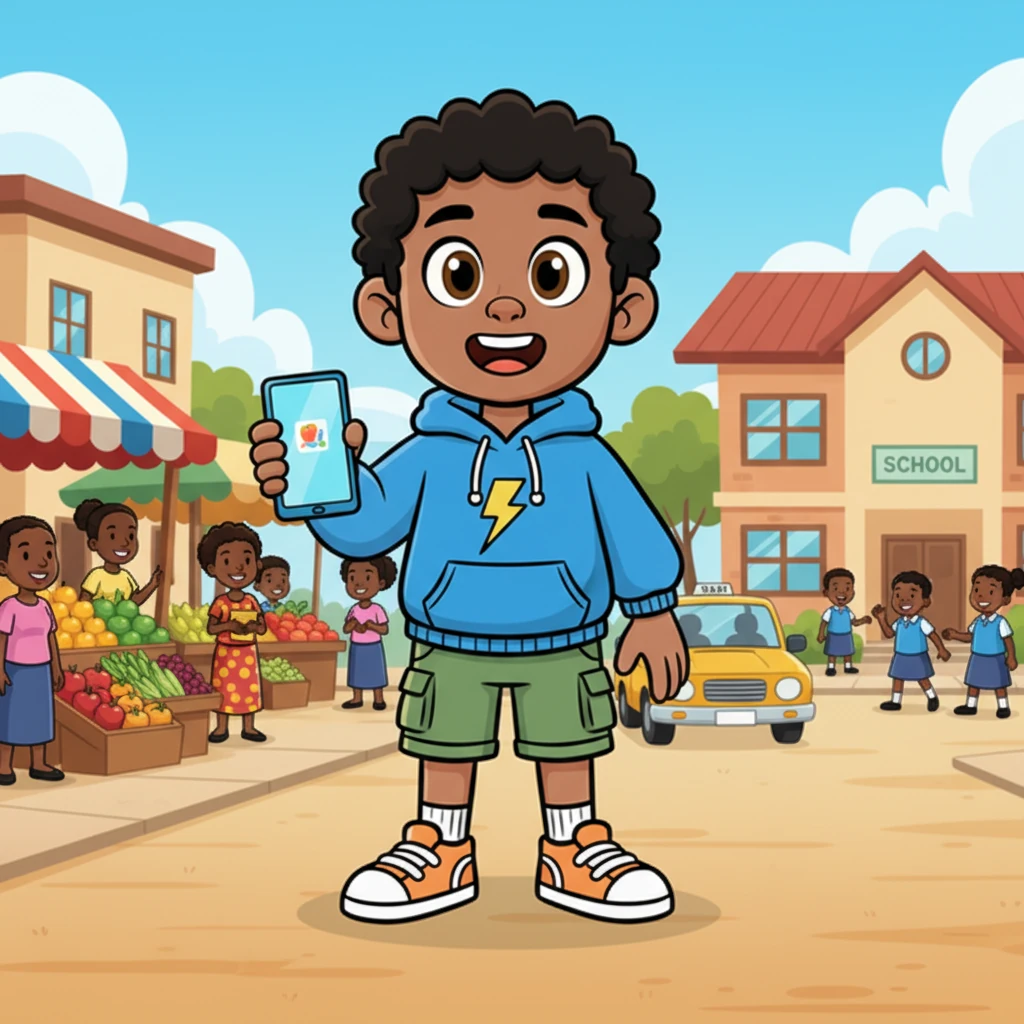
Kofi, a cheerful boy with a bright yellow backpack, bounces down a bustling street in Takoradi, his eyes wide with curiosity. Colorful market stalls overflow with goods, and a lively school building stands in the background. But even amidst the vibrant chaos, Kofi's gaze often drifts to his phone, a gateway to a world of apps and online chats.
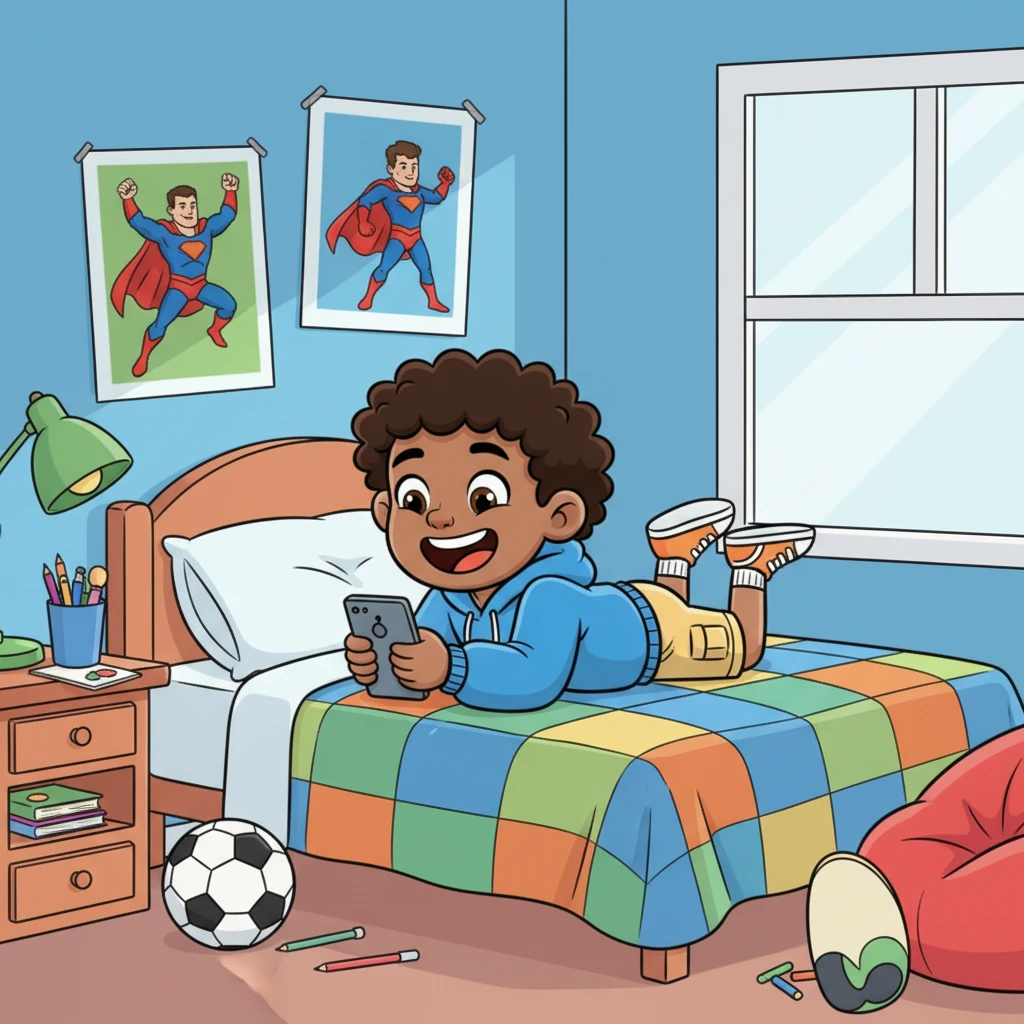
At home, Kofi is sprawled comfortably on his bed, giggling as he chats with his friends on his phone. His room is a playful explosion of colors, with posters of superheroes and a soccer ball tucked in a corner. He loves connecting with everyone, completely engrossed in the fun of his digital world.
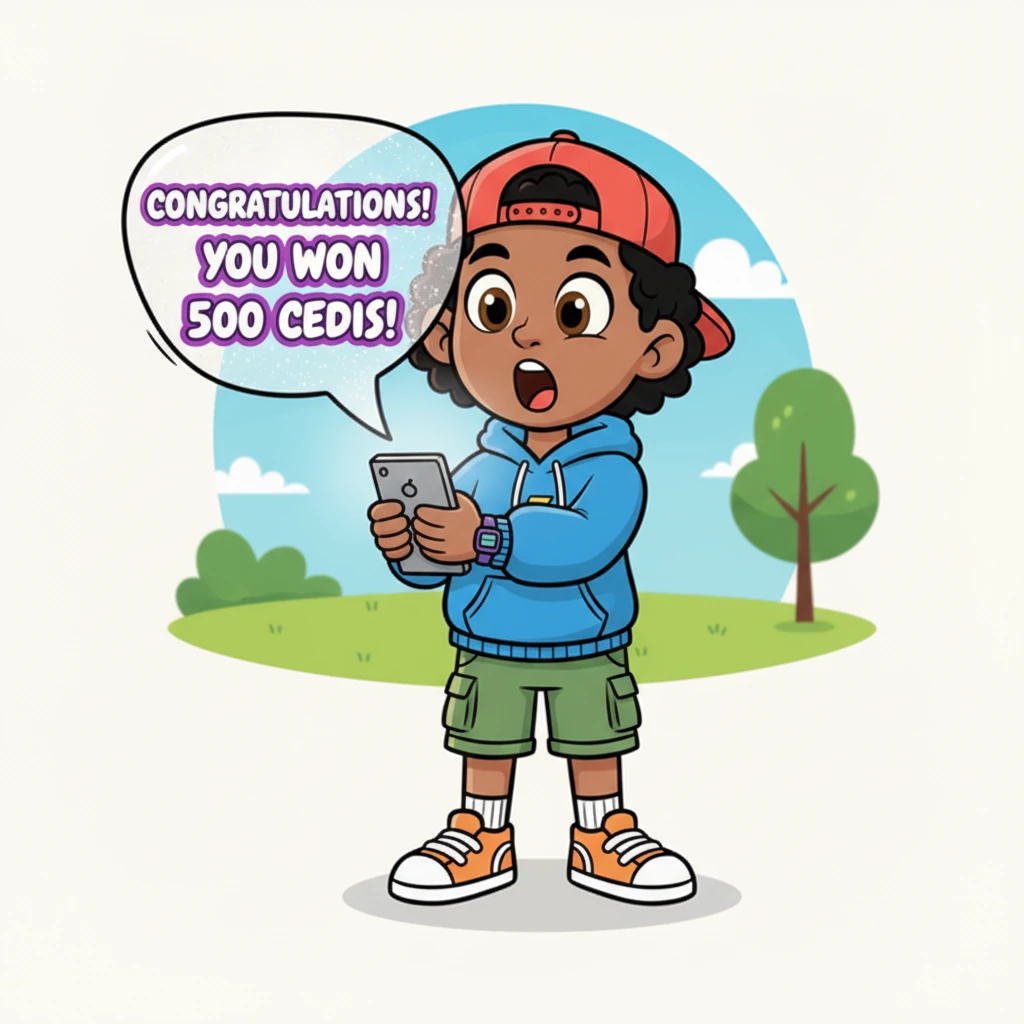
Suddenly, Kofi's phone screen lights up with a dazzling, animated notification. A giant, sparkling WhatsApp message bursts onto the screen, proclaiming in bold, bubbly letters: "CONGRATULATIONS! YOU WON 500 CEDIS!" Kofi's eyes pop open wide, his jaw dropping in utter disbelief and excitement.
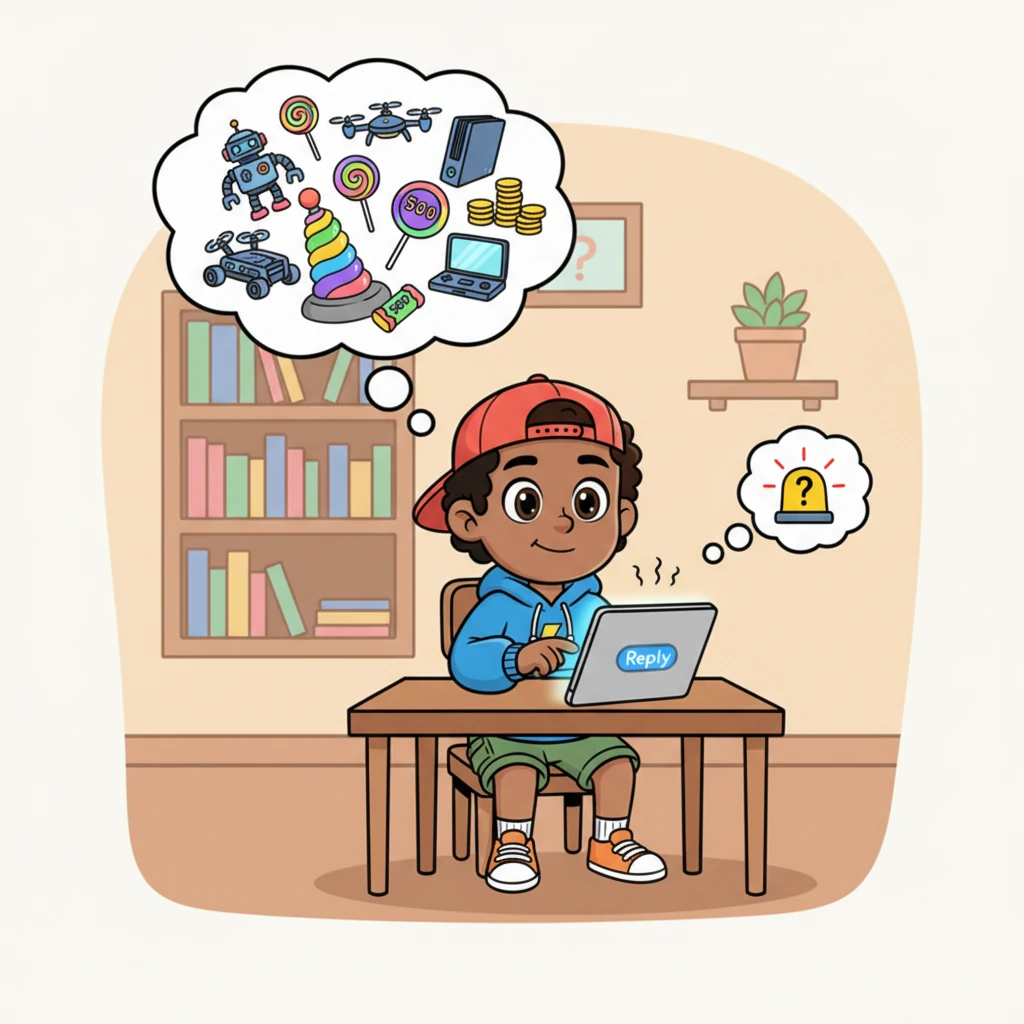
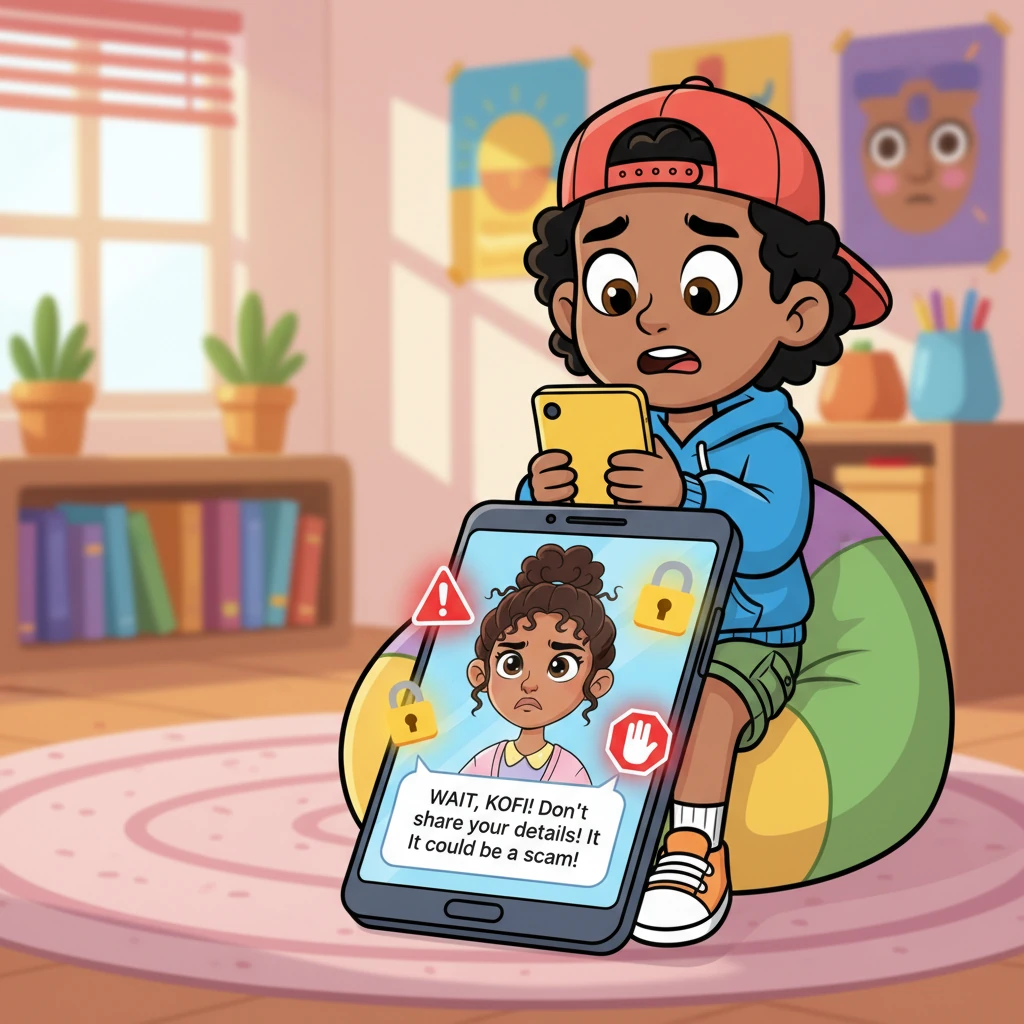
Kofi's fingers hover, trembling slightly, over the "Reply" button. A thought bubble above his head shows him imagining all the wonderful toys and treats he could buy with 500 cedis. But then, a tiny, cautious thought appears beside it, a little cartoon warning light blinking, making him hesitate.
He quickly sends a message to his friend, Ama, about the amazing win. Ama, a smart girl with thoughtful eyes, quickly sends back a series of urgent emojis and a stern message: "WAIT, KOFI! Don't share your details! It could be a scam!" Her face on his screen looks worried but firm.
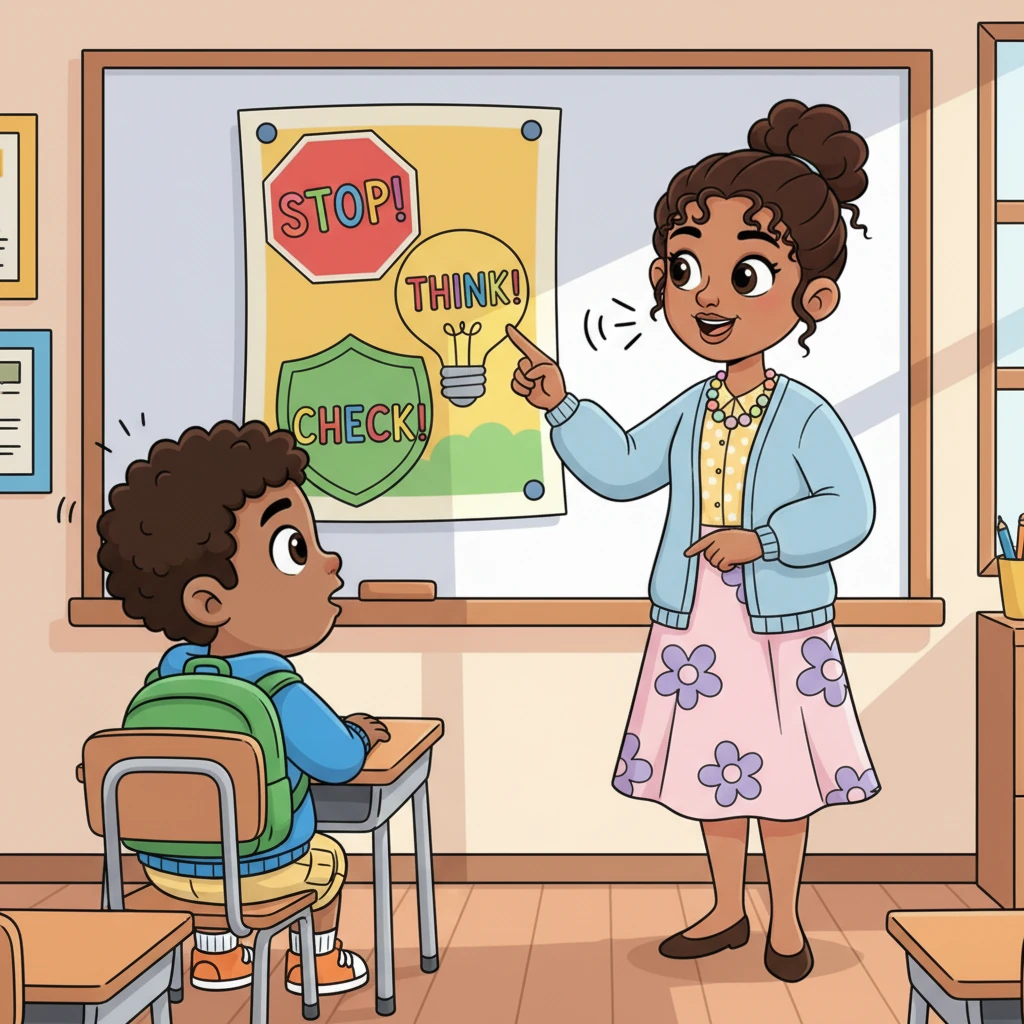
Kofi vividly recalls his teacher, Madam Adjoa, in class. She's pointing to a giant, friendly "STOP, THINK, CHECK!" poster on the whiteboard, her finger wagging gently. Her voice echoes in his mind, reminding him to always verify messages before clicking any links or sharing personal information.
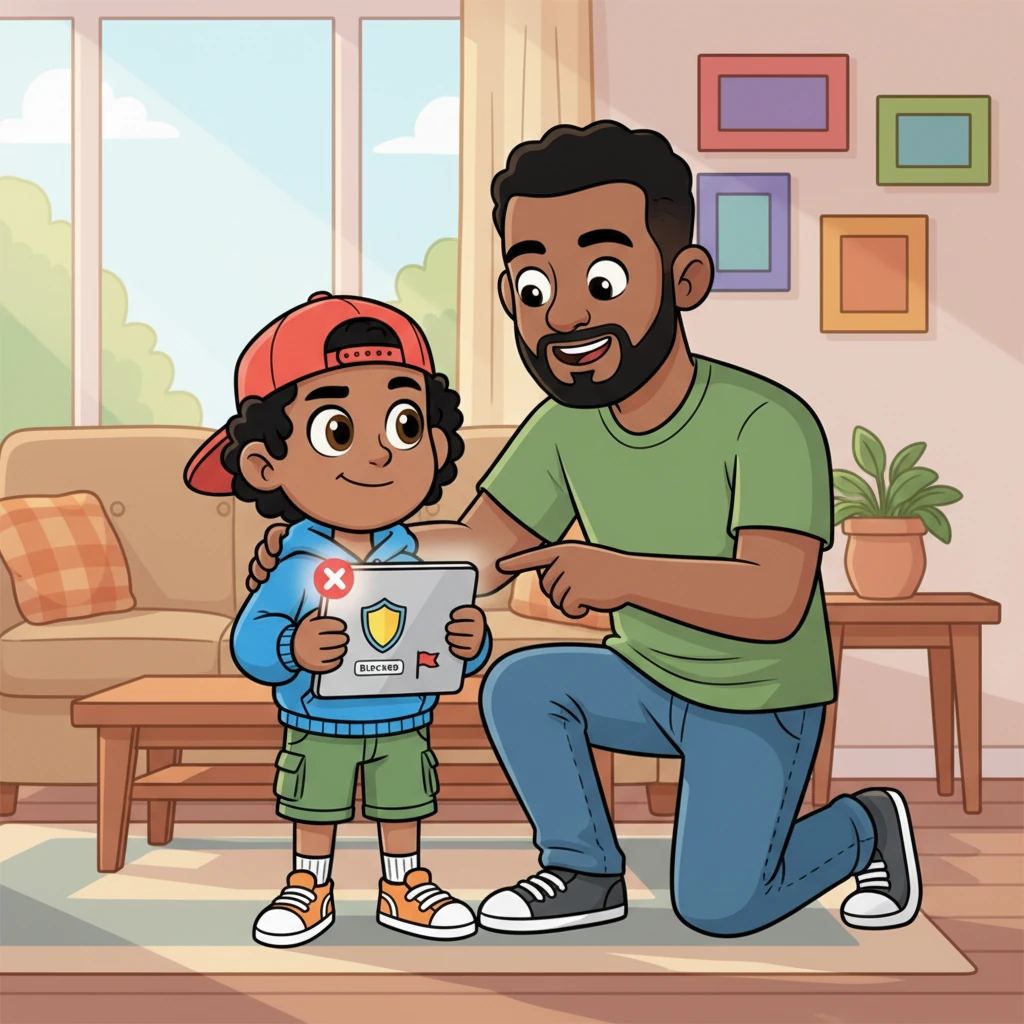
Taking a deep breath, Kofi bravely decides not to reply to the tempting message. Instead, he finds his dad and shows him the suspicious notification. His dad, with a reassuring smile, helps Kofi block the sender and report the message, giving him a proud pat on the head.
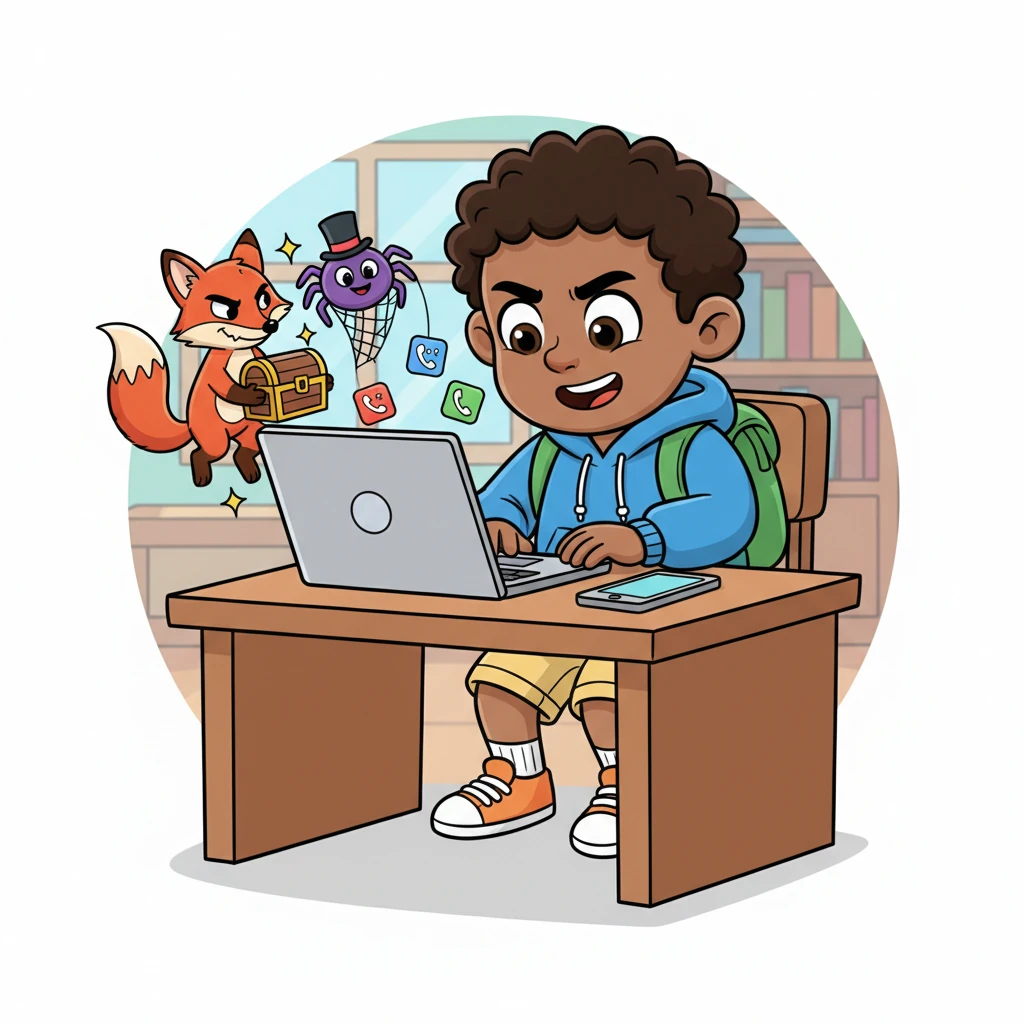
Determined to learn more, Kofi sits at his desk, his laptop and phone open. He's diligently researching "online scams" and "phishing," surrounded by playful cartoon images of sneaky foxes and tricky spiders trying to lure unsuspecting users into their webs of misinformation.
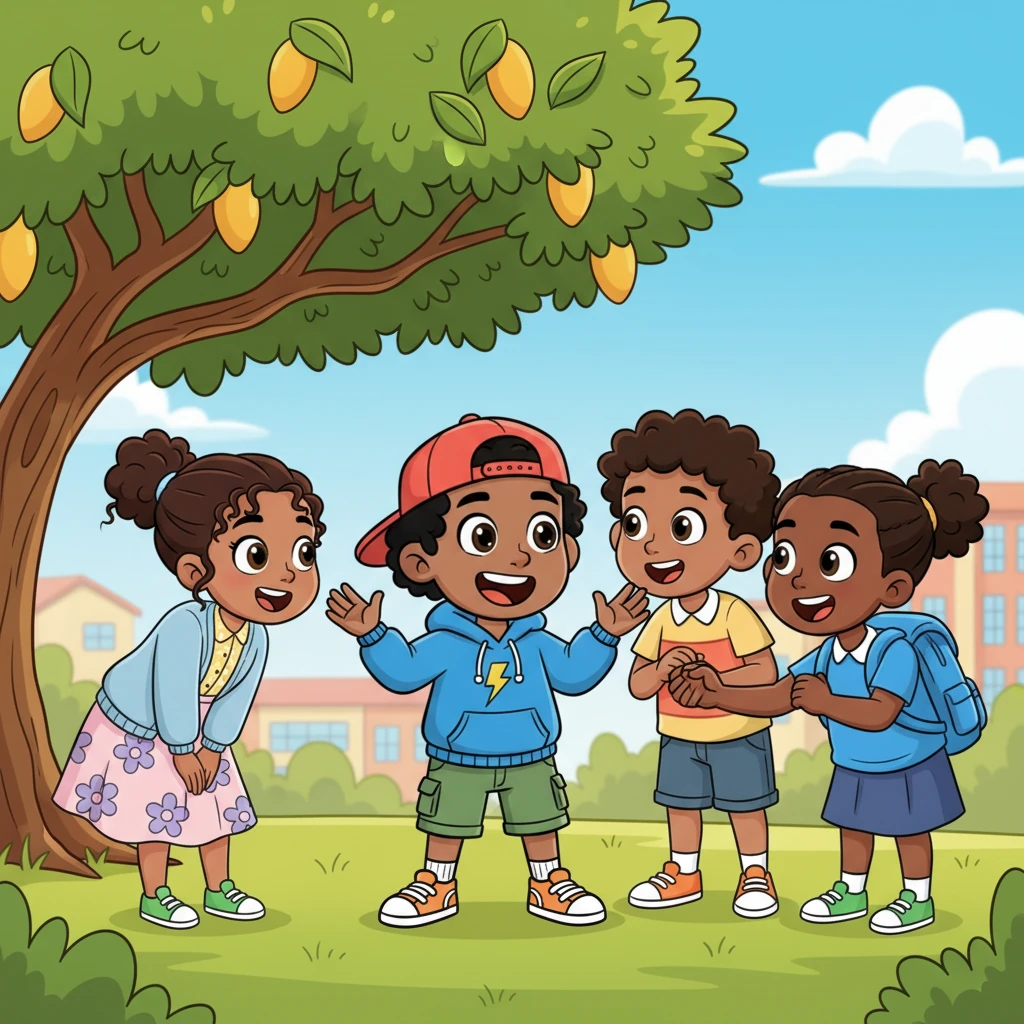
The next day at school, Kofi eagerly shares his experience and newfound knowledge with Ama and their friends under a sprawling mango tree. They listen intently, wide-eyed, promising to be careful online too. They even create a secret "Online Safety Squad" handshake, giggling with determination.
Kofi now stands tall and confident, holding his phone like a shield, a proud smile on his face. The vibrant Takoradi street, with its cheerful market and bustling school, stretches behind him. He's no longer just a curious user, but a smart online citizen, ready to enjoy the digital world safely and responsibly.
Generation Prompt(Sign in to view the full prompt)
design a storybook for this script Week 2 – Online Safety & Scam Awareness Story Title: Kofi Learns to Stay Safe Online Town: Takoradi Topic Focus: Online safety, scams, phishing, misinformation Page 1 – Introduction Narration: Kofi is a curious boy living in Takoradi. He loves using his phone and exploring apps. He enjoys chatting with friends online but doesn’t know everything about online safety yet. Illustration Ideas: Kofi walking on a busy Takoradi street with a backpack, colorful market stalls, local school in the background. Teaching Prompt: • Ask: “What online activities do you do every day on your phone?” Page 2 – Kofi Receives a Message Narration: One afternoon, Kofi receives a WhatsApp message claiming he won a free mobile money reward. The message asks for his personal details. Dialogue: Kofi: “Wow! Free money? Should I reply?” Friend: “Wait, Kofi. Don’t share your details. It could be a scam!” Illustration Ideas: Kofi holding his phone with a surprised expression; a floating WhatsApp message showing “You won 500 cedis!” Teaching Prompt: • Ask: “Have you ever received a message that seemed too good to be true? What did you do?” Page 3 – Thinking Before Clicking Narration: Kofi remembers what his teacher taught about online safety: always think before clicking links or sharing personal info. He decides not to respond and reports the message to an adult. Dialogue: Kofi: “I better check first. This doesn’t feel right.” Teacher: “Good choice, Kofi! Always verify before you click.” Illustration Ideas: Kofi thinking carefully, a “warning” icon on the phone, teacher guiding him. Teaching Prompt: • Ask: “Why is it important to verify messages before replying?” Page 4 – Learning About Scams Narration: Kofi reads online about phishing and scam messages. He discovers that many students in Ghana and around the world face similar online risks. Dialogue: Kofi: “I didn’t know scams could be so common. I need to be careful!” Illustration Ideas: Kofi at his desk, phone and laptop open, websites showing scam examples, world map with caution icons. Teaching Prompt: • Ask: “What are some online risks you should watch out for?” Page 5 – Sharing Knowledge Narration: Kofi explains what he learned to his friends. They all promise to be careful online and report suspicious messages. Dialogue: Friend: “Thanks, Kofi! Now we know how to stay safe.” Kofi: “Let’s always check before we click!” Illustration Ideas: Group of students sitting under a tree or classroom bench, sharing phones, smiling and discussing. Teaching Prompt: • Ask: “Who can you share online safety tips with?” Page 6 – Moral / Reflection Narration: Kofi realizes that online safety is about being cautious, thinking critically, and sharing what you learn with others. Technology is useful, but safety comes first. Dialogue: Kofi: “I’ll always verify messages and stay safe online, so I can enjoy learning and having fun without risks!” Illustration Ideas: Kofi holding his phone confidently, school and Takoradi streets in background, digital warning icons subtly in background to remind of safety.