Discover the heartwarming journey of a tiny hero and his courageous parents as they navigate the world of the NICU. This beautifully illustrated story highlights the power of family-centered care, showing how love, touch, and partnership can help the smallest babies grow strong.
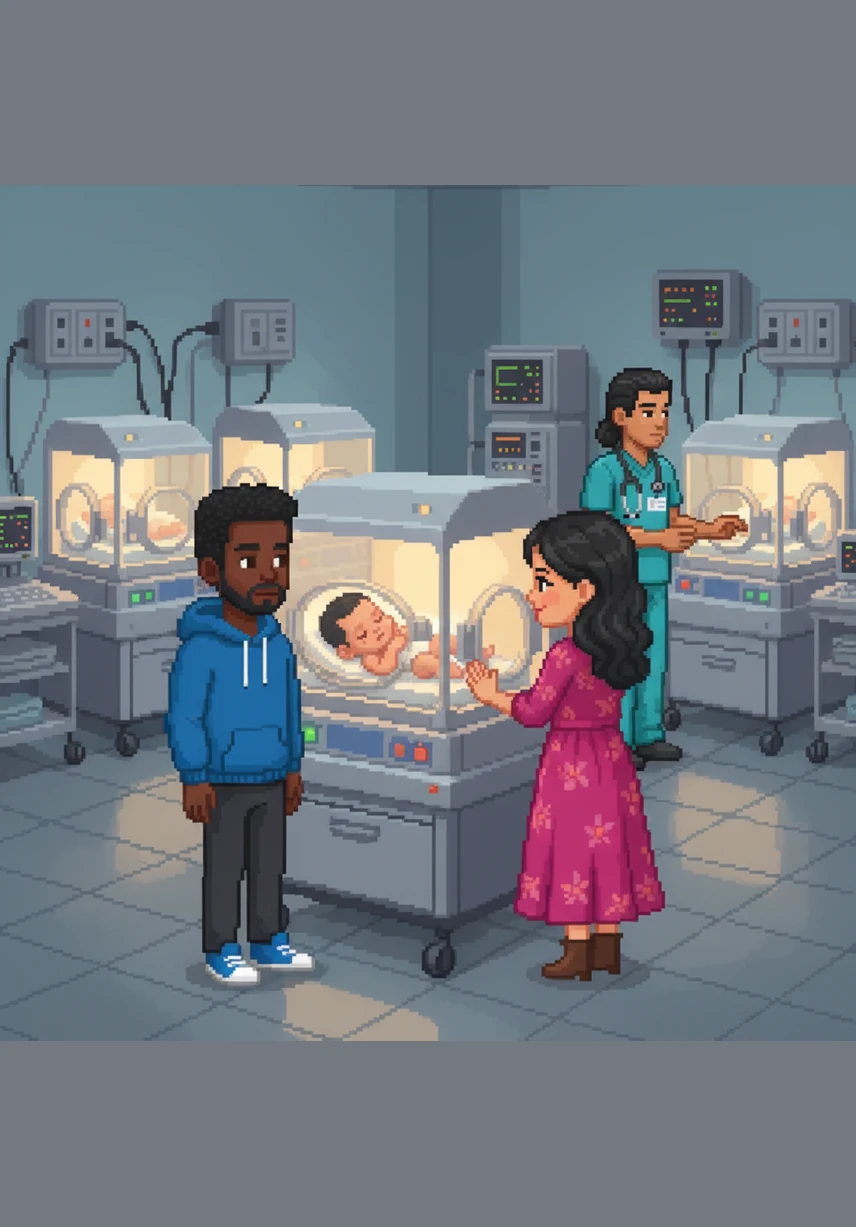
In a quiet room filled with soft glowing lights and humming machines, Little Theo rests inside a cozy, glass-walled incubator. His parents, Sarah and Mark, stand close by, watching their tiny son with a mix of wonder and worry as he begins his journey in the neonatal intensive care unit.
A kind nurse named Elena approaches with a warm smile and explains that Sarah and Mark are the most important members of Theo’s care team. She invites them to join the morning medical rounds, where doctors and nurses discuss Theo’s progress and listen to the parents' observations and questions.
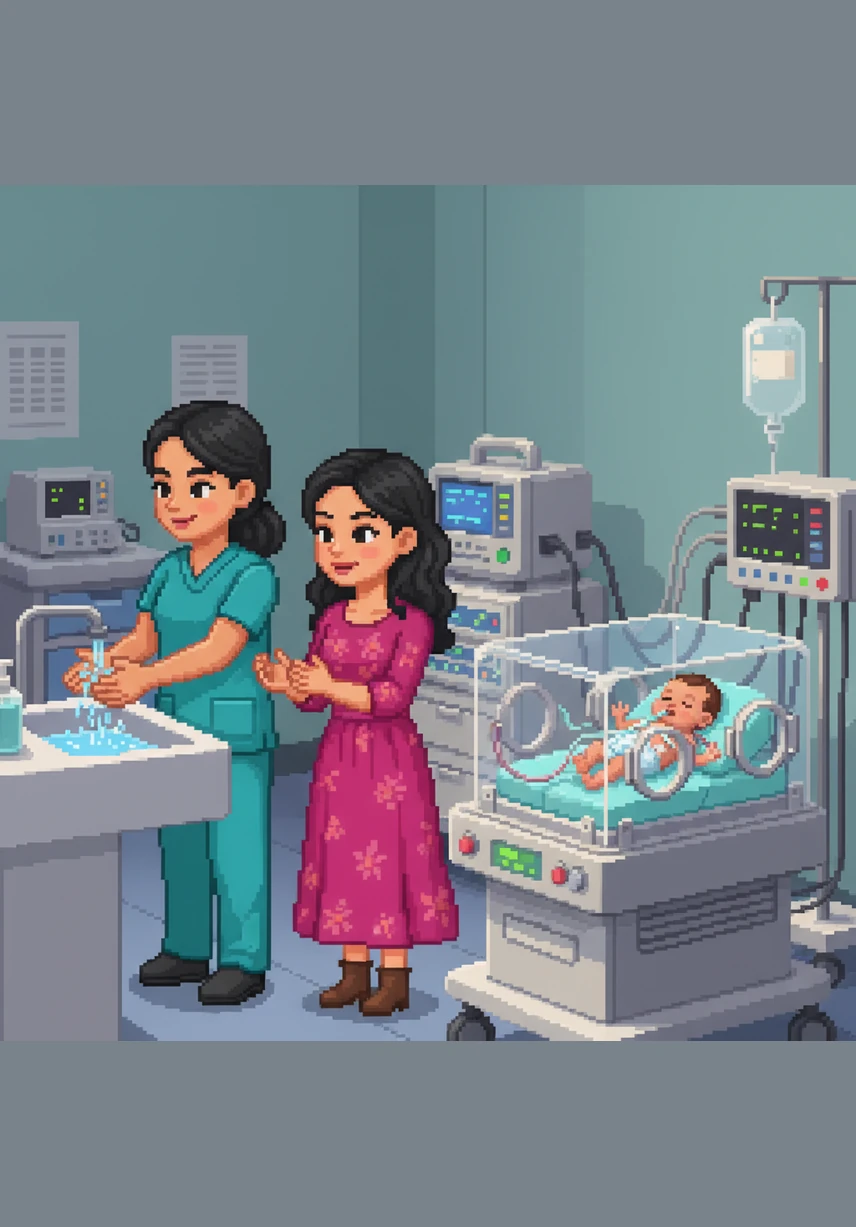
Sarah feels a bit nervous about the many tubes and wires surrounding her small baby, but Nurse Elena gently guides her through the proper hand-washing steps. She explains that with clean hands and careful movements, Sarah can safely touch and comfort Theo, reminding her that a mother’s touch is a powerful kind of medicine.
To help Theo feel close to them even when they are resting, Mark records a video of Sarah reading a favorite storybook and singing a soft lullaby. A small speaker near Theo’s bed plays the familiar, soothing sounds of their voices, helping him feel safe and loved throughout the day and night.
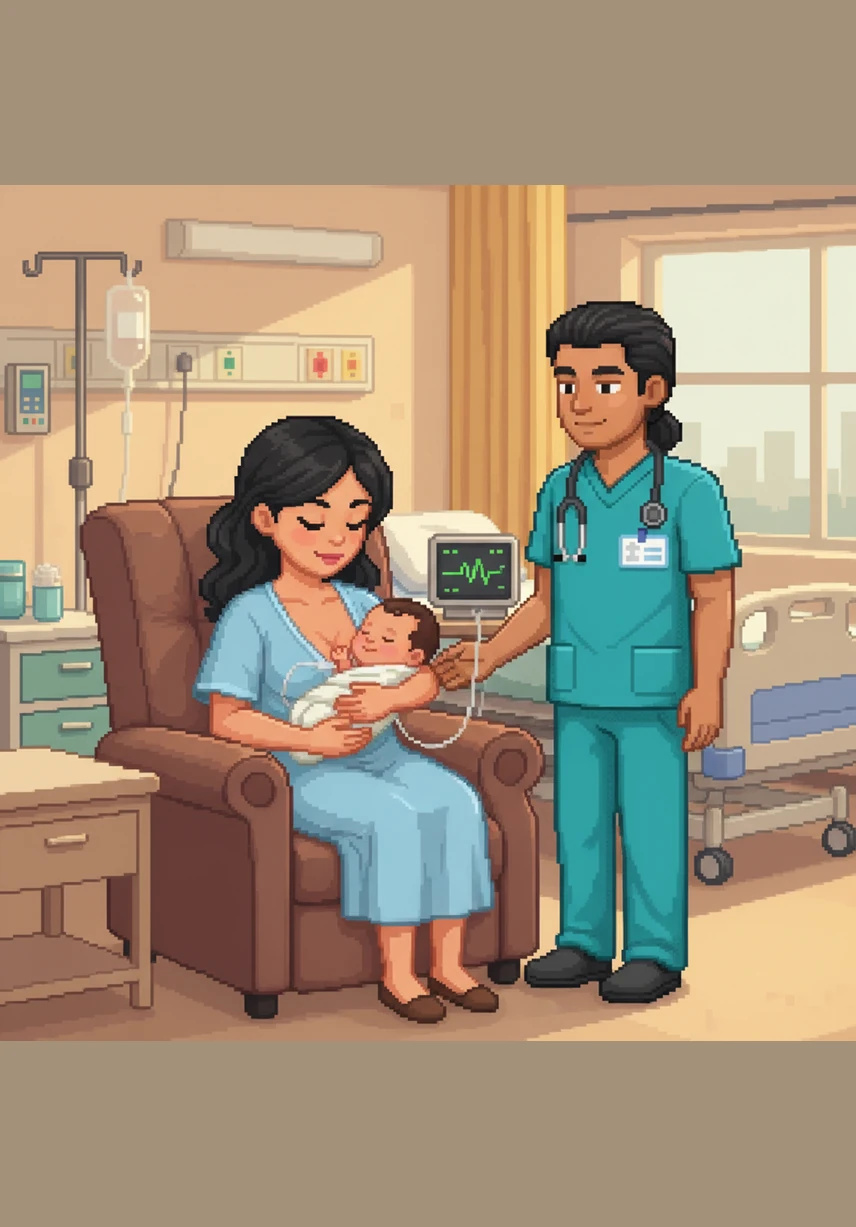
Today is a special day as Sarah experiences 'Kangaroo Care' for the first time, holding Little Theo directly against her skin. As they snuggle together, Theo’s heartbeat steadies and his breathing becomes calm, showing just how much he benefits from being tucked close to his mother’s heart.
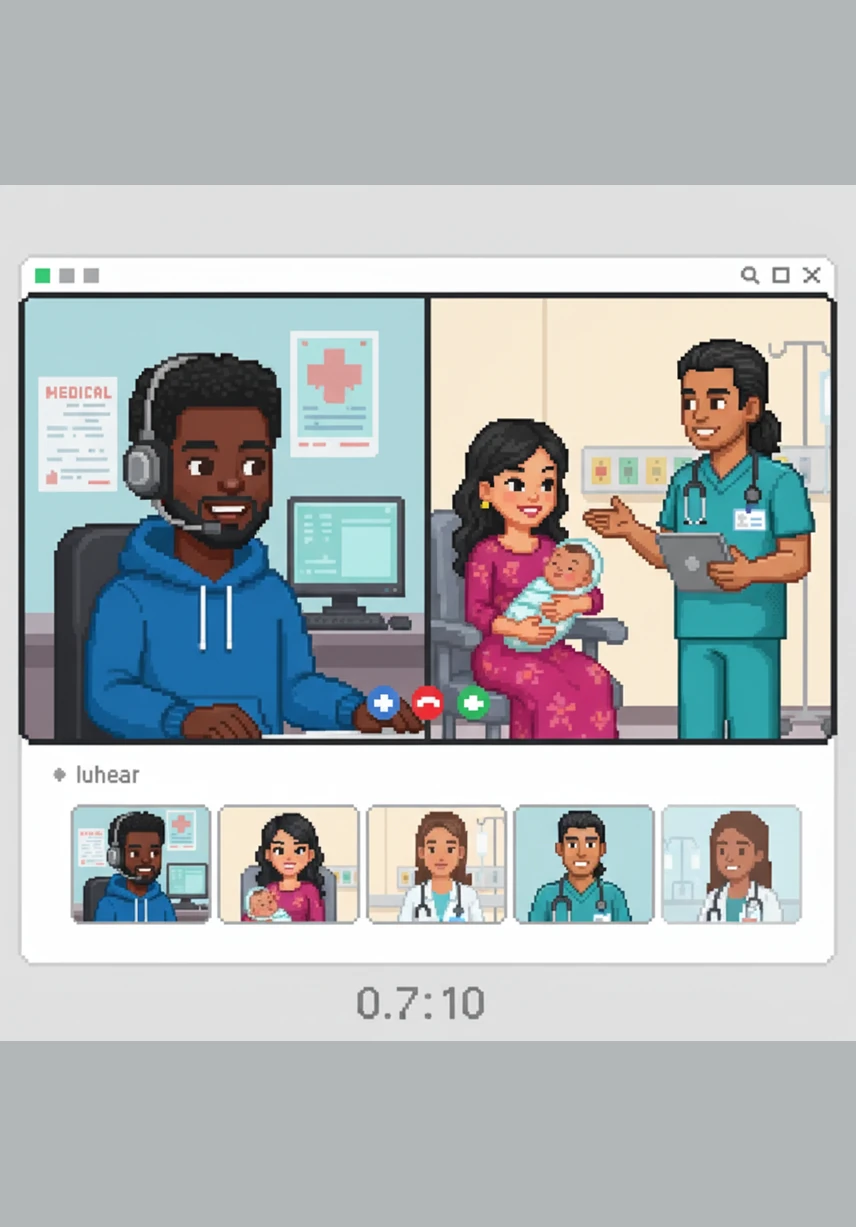
While Mark is at work, he joins a video chat organized by the hospital to see Theo’s latest milestones and talk with the medical team. This technology keeps the whole family connected, ensuring that no matter where they are, they are always part of Theo’s daily care and growth.
Sarah and Mark become experts in Theo’s routine, learning how to change his tiny diaper and help with his feedings under the gentle guidance of the staff. Their confidence grows with every passing day, as they realize they aren't just visitors in the NICU, but Theo’s primary caregivers and advocates.
During a collaborative meeting, the doctors share the wonderful news that Theo is gaining weight and getting much stronger. The team credits the family’s constant presence and involvement for Theo’s rapid progress, highlighting how their love has accelerated his healing and development.
As the big day approaches, the NICU staff helps Sarah and Mark practice all the skills they will need at home, from bathing Theo to understanding his cues. They feel a sense of readiness and peace, knowing they have built a strong bond and the knowledge to care for their son on their own.
The entire NICU team gathers to cheer as Little Theo, now healthy and bright-eyed, is placed into his car seat for the trip home. Sarah and Mark walk through the hospital doors with their brave little boy, ready to start their new chapter together as a strong, bonded family.
Generation Prompt(Sign in to view the full prompt)
he neonatal intensive care unit (NICU) is a highly specialized environment where premature and critically ill infants receive life saving medical care. While advanced medical treatment is essential, research increasingly highlights the importance of family-centered care (FCC) and family integrated care (FICare) in improving outcomes for both infants and their families. Family centered care recognizes parents as essential partners in their infant’s care, encouraging their presence, participation, and collaboration with the health care team. Family-centered care represents an important shift in neonatal practice by prioritizing collaboration, communication, and shared decision making between families and health care providers. By integrating parents into the care of their infants, NICUs can support healthier developmental outcomes, reduce parental stress, and foster stronger family bonds during a critical period of early life. It is normal to feel anxious about touching or caring for your baby in the NICU. You are not alone! In fact, about 60% of parents report feeling significant anxiety during their baby’s NICU stay (Hendy et al., 2024). some ways the nicu can integreate family centered care: Telehealth family rounds Video chats of parents and babies Audio program can be beneficial- such as voice recordings of parent’s voices. However, one study found that parental involvement did not reduce the amount of time parents spent at the NICU. (Hodgson et al., 2025) Staff can educate of importance of skin-to-skin contact (Tiryaki et al.,2024) Evidence indicates that family-centered care improves both infant and parent outcomes, including stronger parent-infant bonding and parental self-efficacy (Mirlashari et al., 2021), reduced parental stress and anxiety (Hodgson et al., 2025; Liu et al., 2026), improved communication with healthcare providers (Grzyb et al., 2014), increased infant weight gain (Liu et al., 2026; Tiryaki et al., 2024), earlier breastfeeding initiation (Tiryaki et al., 2024), shorter hospital stays (Hodgson et al., 2025), and greater parental readiness for discharge and home care (Tiryaki et al., 2024). Some parents also worry about infection risk. Research shows that parent involvement is safe when proper hand hygiene and NICU infection-control practices are followed (Ommert et al., 2025). NICU staff will guide you on how to safely care for your baby.