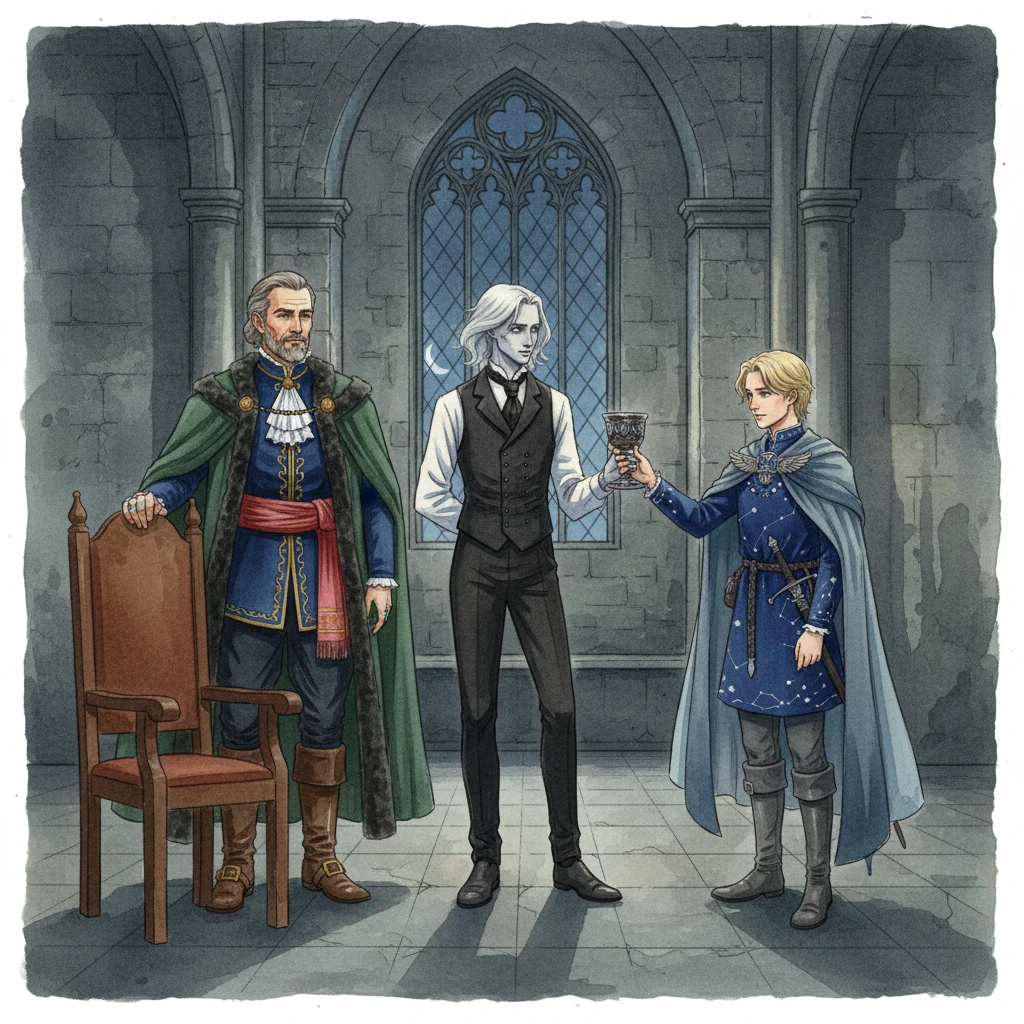
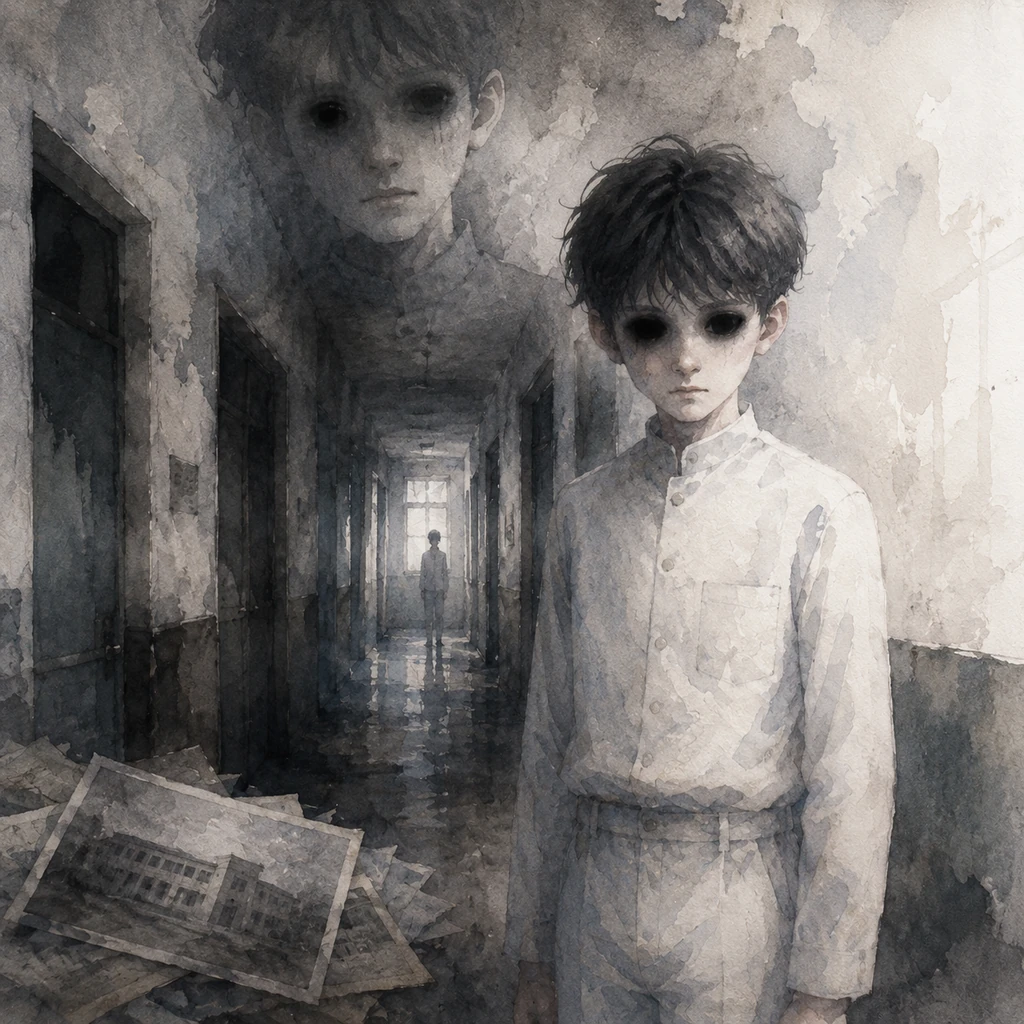
In a castle filled with flickering shadows and whispered secrets, a loyal servant must choose between the master who saved him and the life of an innocent guest. This hauntingly beautiful tale explores the heavy price of moral courage and the complexity of loyalty in the face of a dark betrayal. A gripping narrative that asks what it truly means to do what is right when every path leads to loss.
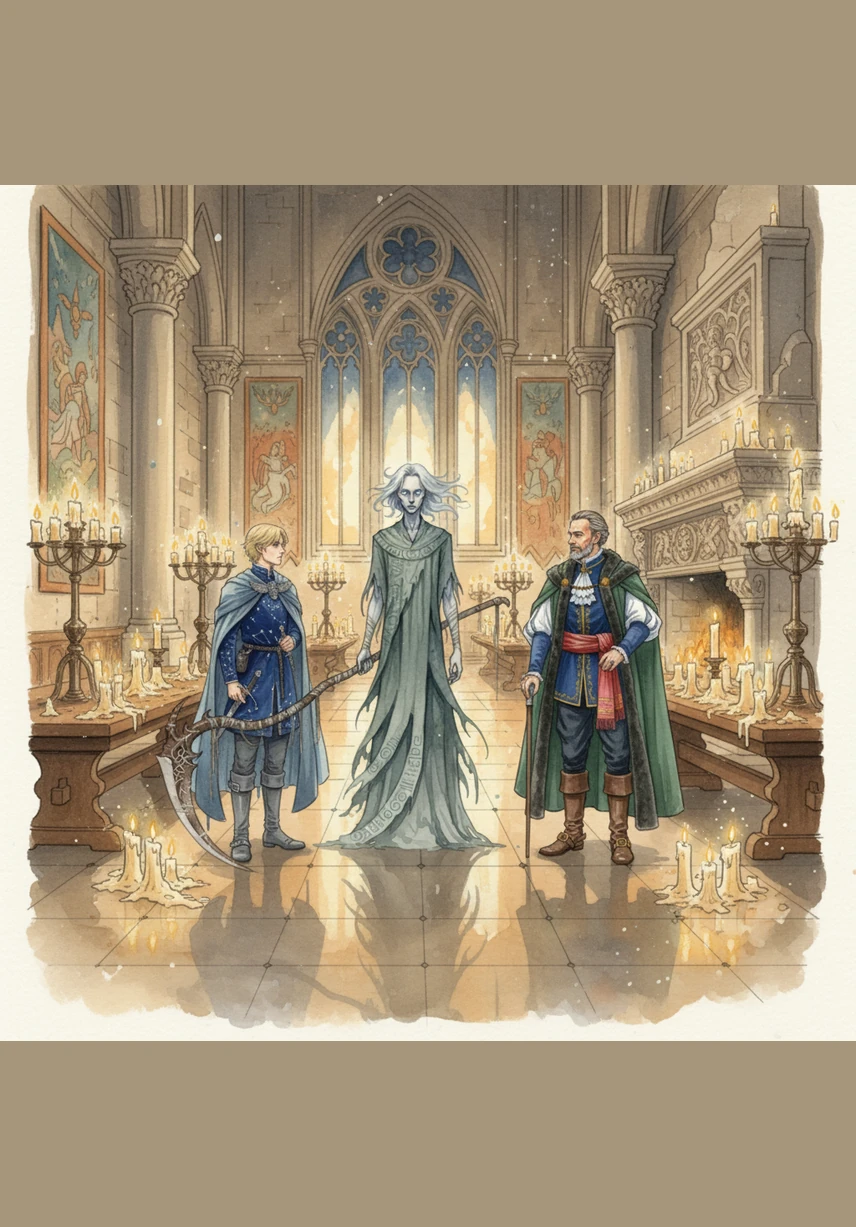
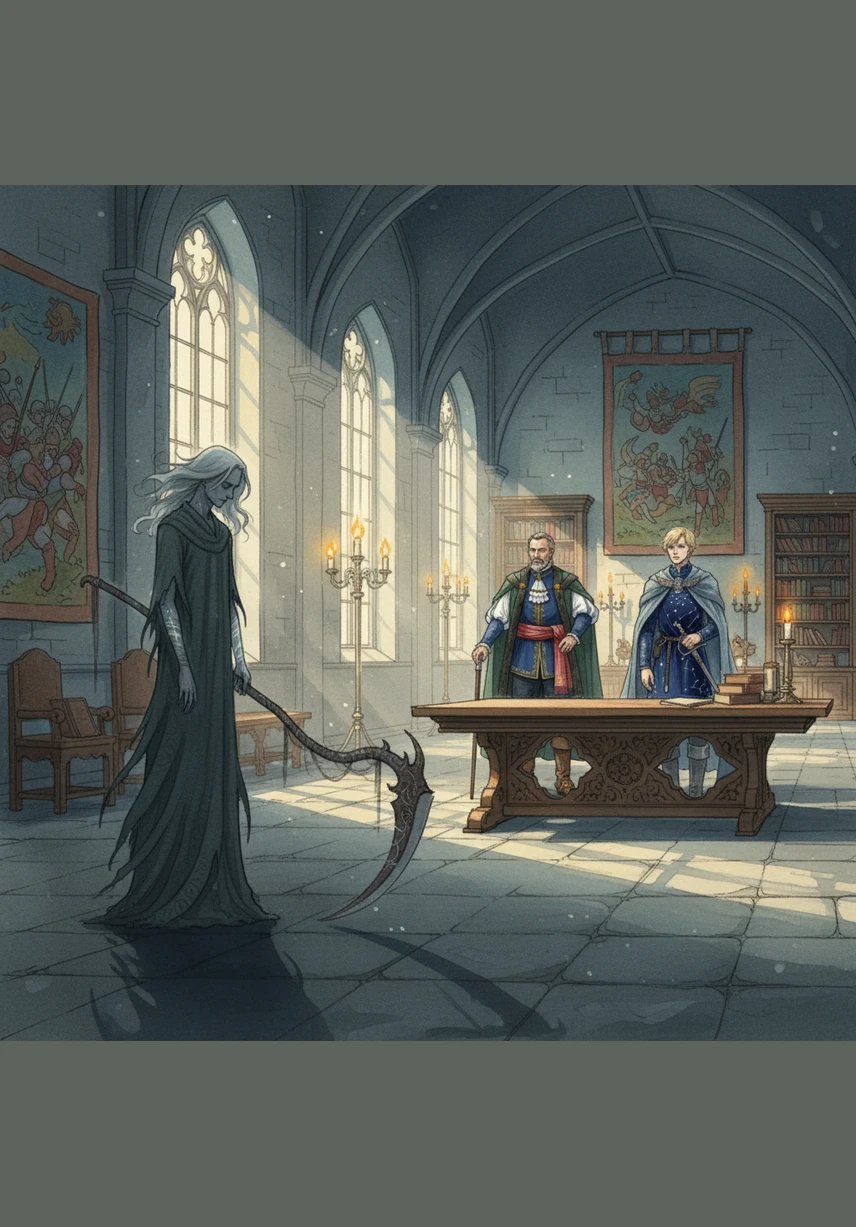
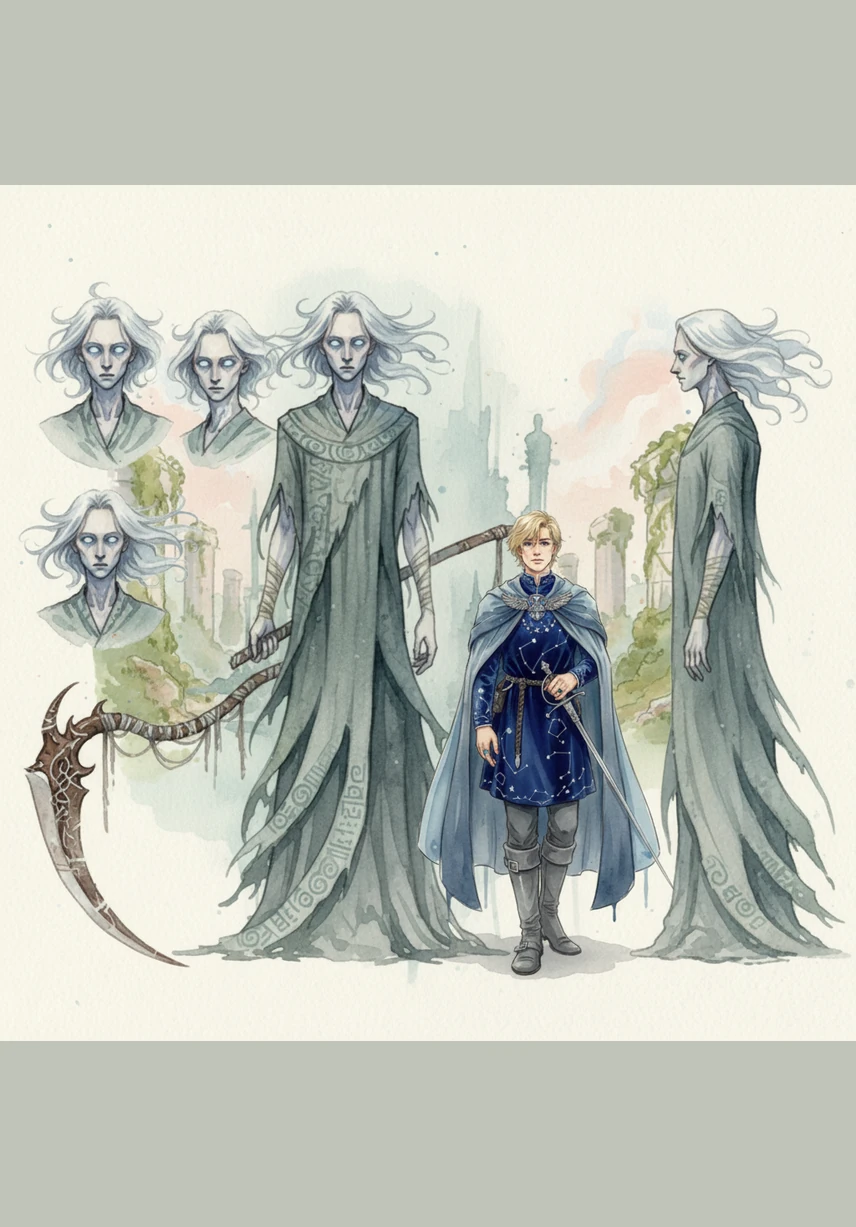
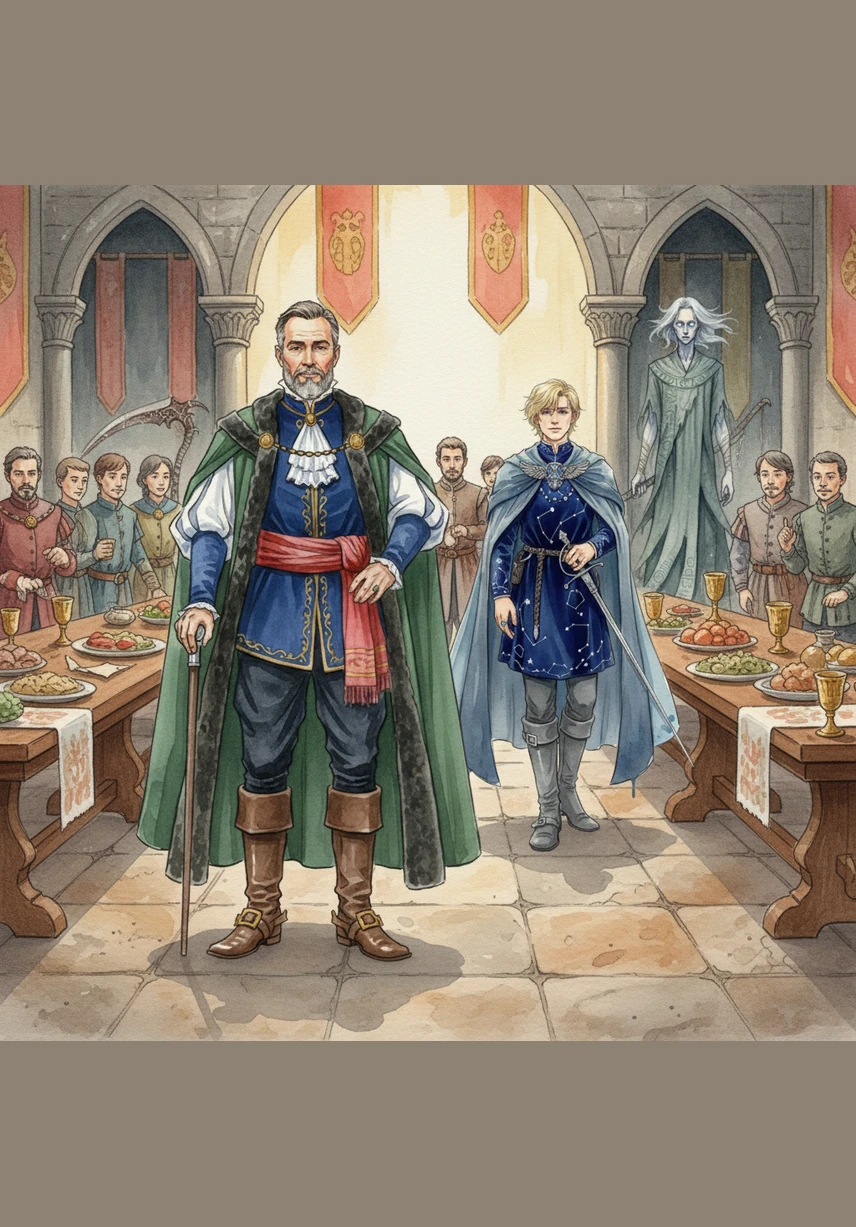
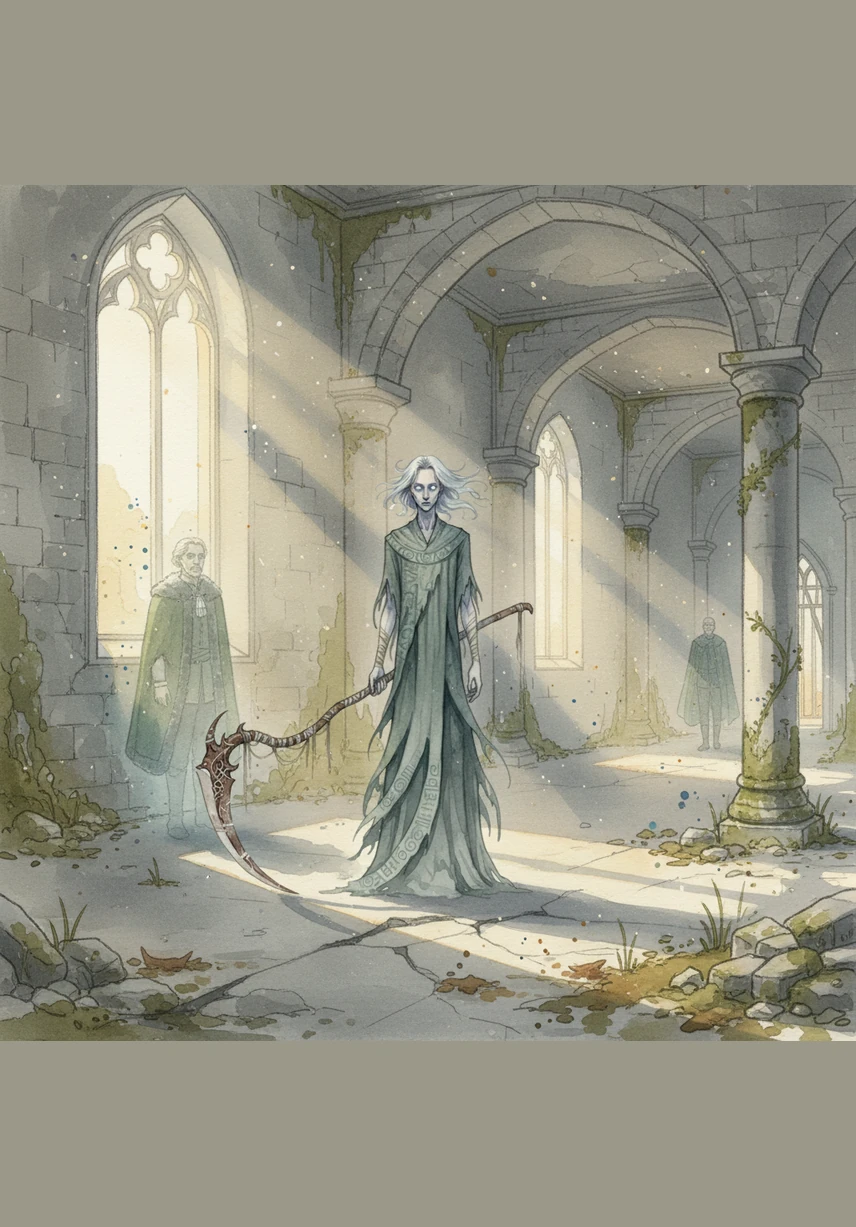
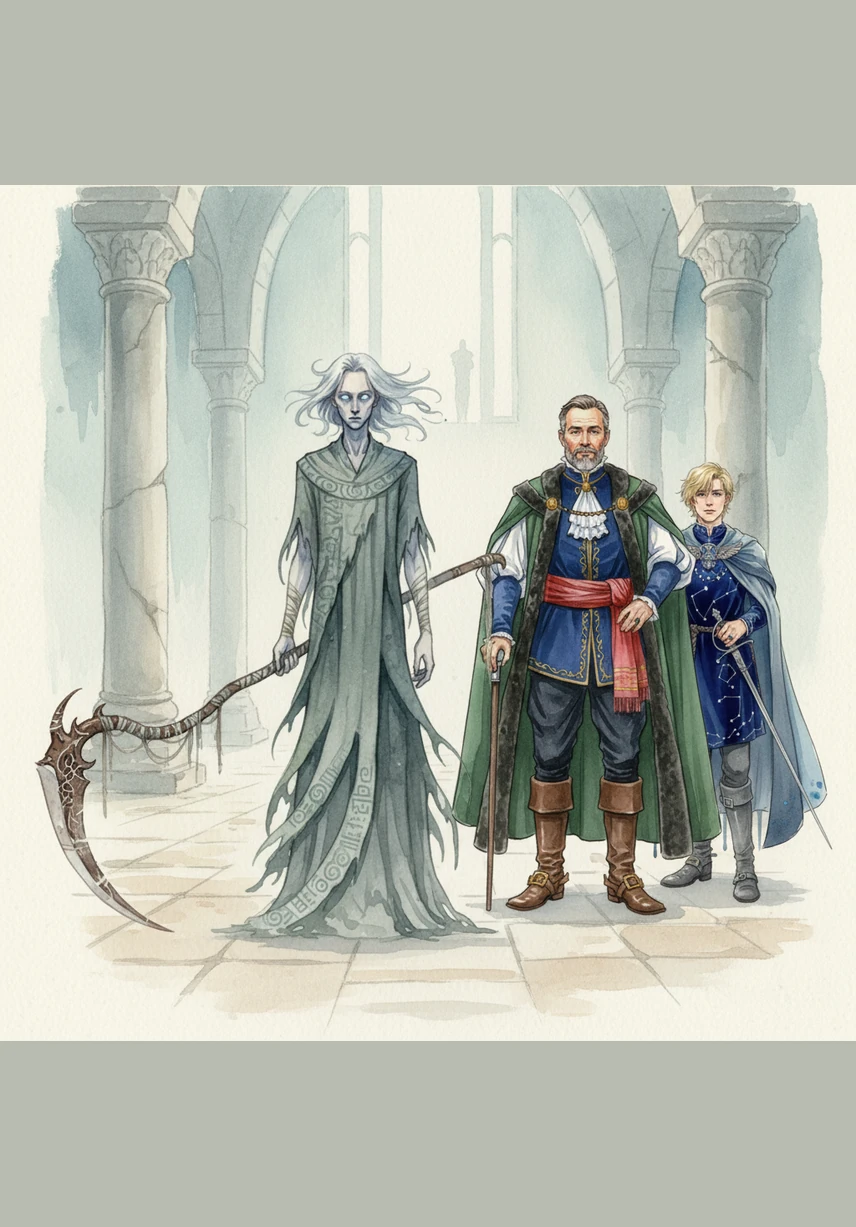
The grand hall glowed with the light of a thousand candles, their flames dancing and casting long, silent shadows across the stone walls. Dante moved through the crowd of laughing nobles like a ghost, his silver tray reflecting the fractured light of the wine goblets. He was the perfect servant, an extension of the castle itself, seen by everyone but noticed by none.
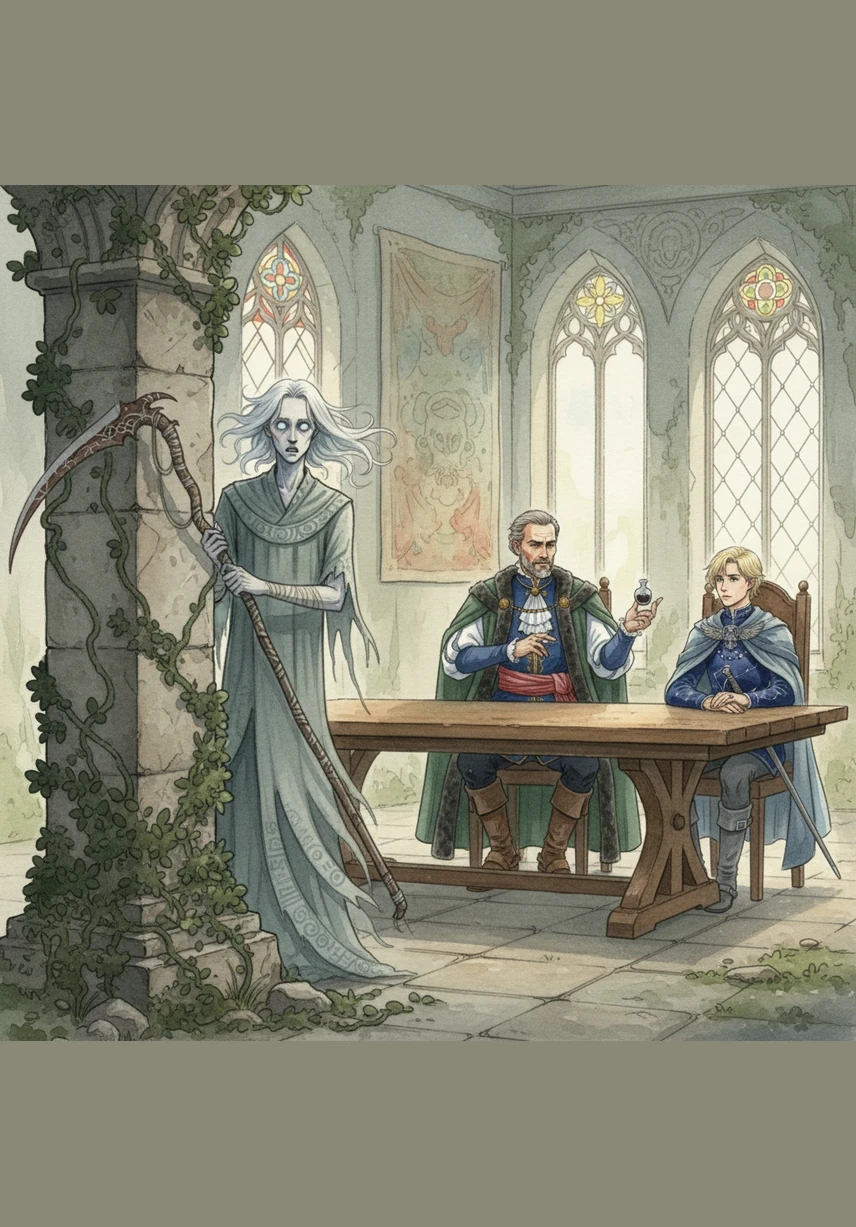
Hidden behind a pillar draped in thick green vines, Dante froze as he heard his master’s voice, once warm but now cold and resolute. The master spoke of a prepared poison and a guest at the high table who must not leave the chambers alive. Dante’s heart tightened, the weight of a terrible secret pressing down upon his soul.
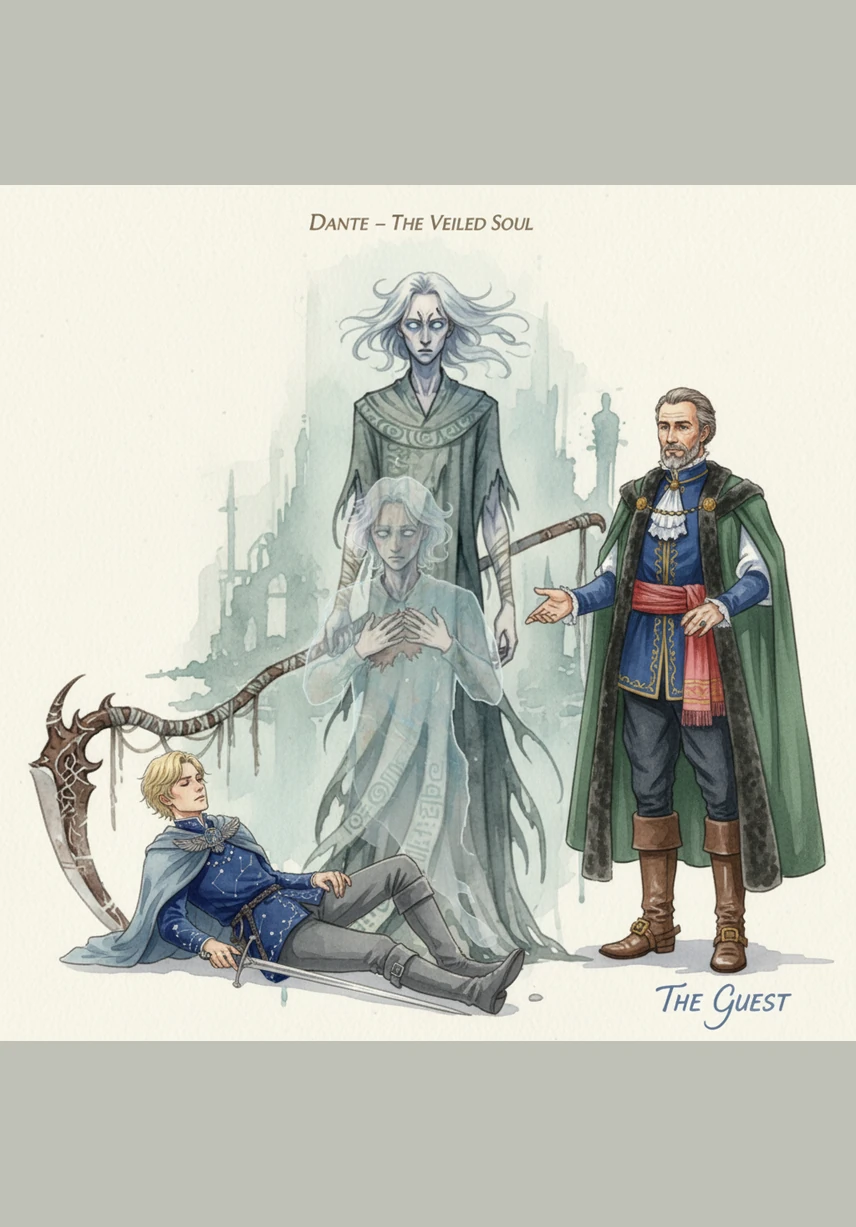
Memories of his childhood flooded back, bringing the scent of ash and the sting of old tears from the day poison took his own family. It was this very master who had rescued him from that ruin, giving him a name and a second life. Now, Dante faced a cruel irony: to remain loyal, he would have to allow the same tragedy to befall another.
From across the room, Dante watched the intended victim, a young man who laughed with genuine warmth and raised his glass in a toast. The guest looked innocent, perhaps a father himself, reminding Dante of the life he had lost so many years ago. Every step toward the high table felt like walking through leaden water as his conscience warred with his debt.
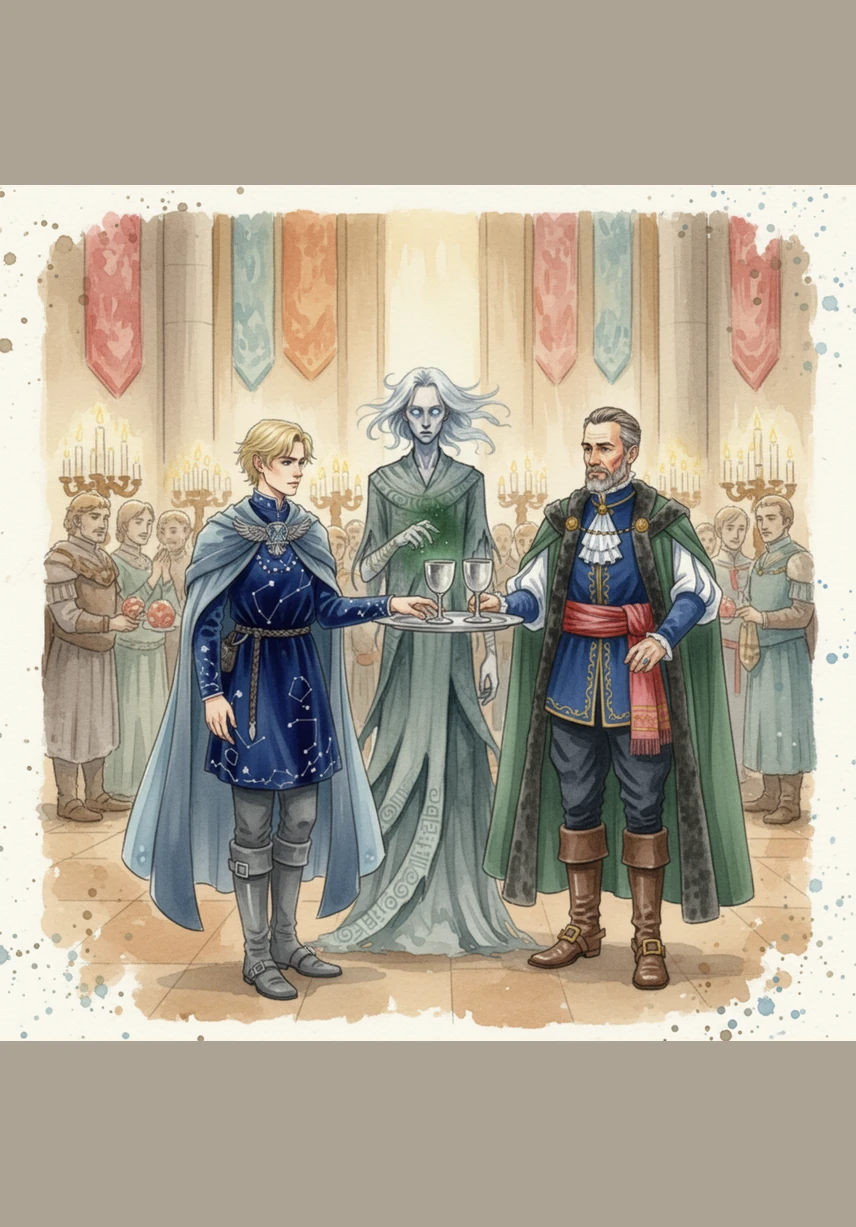
The moment of truth arrived as Dante approached the high table, the poisoned cup sitting indistinguishably among the others. His master watched him with an impenetrable, calm gaze that had always commanded Dante’s absolute devotion. The air in the room felt thick and suffocating, the cheerful music fading into a dull hum in Dante's ears.
As the guest reached out his hand, Dante made his move, a gesture so subtle it was almost invisible to the surrounding crowd. With a slight shift of the tray, he swapped the lethal goblet for a harmless one, altering the course of fate in a single heartbeat. He felt the world tilt as he committed the ultimate act of betrayal against the man who had saved him.
The guest drank deeply and laughed, unaware that death had just brushed past his lips. Dante felt his master’s eyes bore into him with a piercing certainty, a look that held no confusion, only a profound and silent disappointment. The party continued, but for Dante, the vibrant colors of the hall had turned to shades of grey.
When the morning sun began to creep through the high windows, the castle fell into a heavy, uneasy silence. Dante wandered the empty corridors, the echo of his footsteps sounding like a judgment against his soul. He had done what was right, yet he felt as though he had severed the only anchor he had ever known.
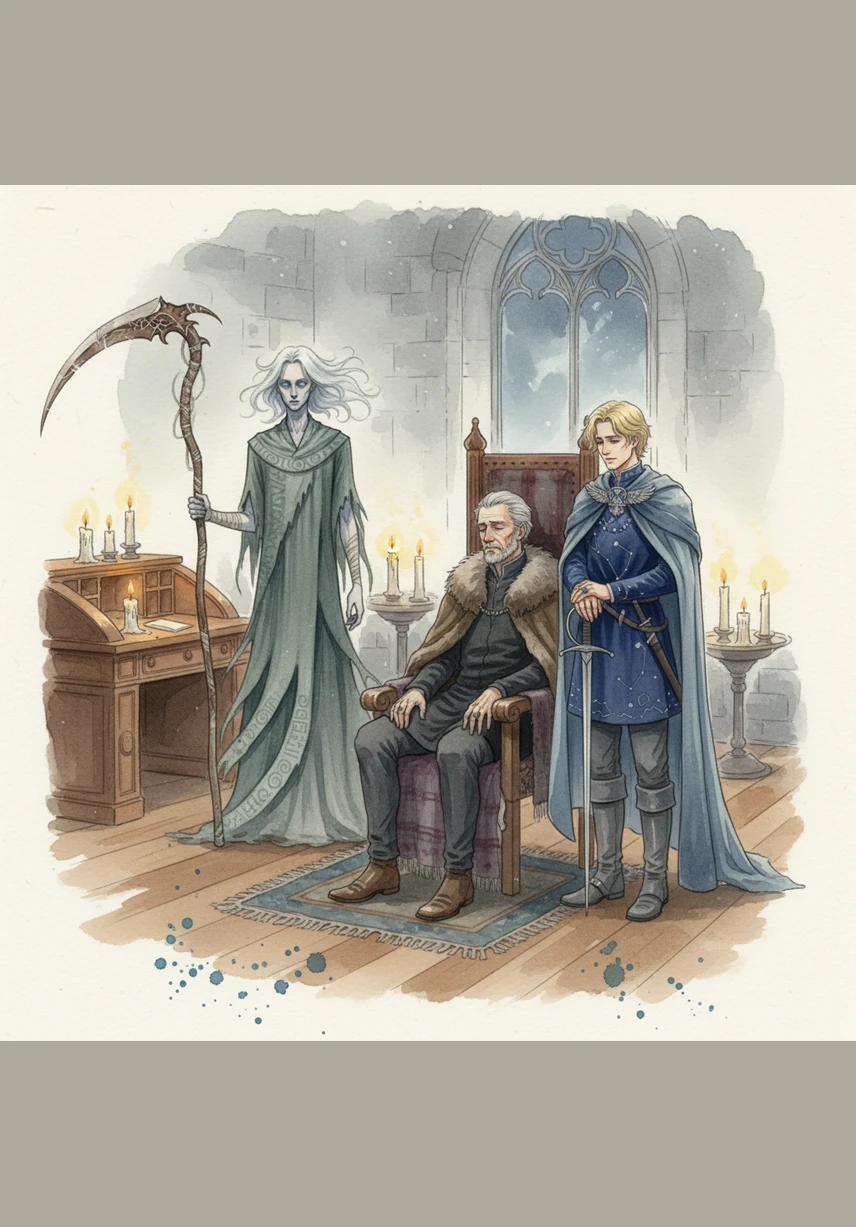
A single command summoned Dante to the master’s private quarters, a room that had once felt like home but now seemed cold and alien. He entered without guards, his head bowed under the crushing weight of his choice. The master stood by the window, his back turned to the room as he stared out into the fading darkness.
Why? the master asked, his voice devoid of anger but filled with a hollow grief that was far harder to endure. Dante spoke of righteousness and the ghosts of his past, his words feeling small in the vast, quiet chamber. The master finally turned, beginning to speak of names and histories that Dante had never known, revealing a truth far more complex than a simple murder.
Generation Prompt(Sign in to view the full prompt)
The hall was illumined by tall candelabra, whose trembling flames did quiver at the faintest breath of air, casting long and wavering shadows that seemed to behold all in silence across the great chamber, whilst the murmur of noble voices did fill the space with measured laughter, graceful speech, and raiment most befitting the highest ranks of society. Dante, the most loyal servant to the master of that house, did move amongst them as a spectre, aye, as though he were but an extension of the castle itself, bearing trays of silver and goblets of wine that caught the light in fractured gleam, for none but he did truly know his lord, nor the desires that lay within his breast; none did mark him, none ever did, and thus he listened, and ever did he listen. It came to pass, as he did glide beside a pillar overgrown with rich and climbing green, that he heard the voice of his master, that voice he had so oft dreamt upon, once warm in its speaking unto him, yet now firm and resolute, as though no doubt did linger within his heart: “The poison is prepared within the cup. See that it be served unto the guest who sitteth at the high table. He shall not depart my chambers alive this night.” At these words, something within Dante’s breast did draw most tight, for though he had served this man for many years without question, placing his faith in his judgment and in the righteousness with which he ruled both house and self, owing unto him shelter, a name, and a life beyond oblivion, yet in that moment such loyalty did begin to fracture beneath the grievous weight of an impossible choosing. For when Dante had been but a child, there came a man who by poison did lay waste unto all his kin, leaving him alone amidst misery and sorrow for many days, and it was his master who had drawn him forth from such ruin and despair, granting him a second life, and yet now was he to stand idle whilst that selfsame cruelty be wrought upon another; how might he suffer it? From afar did he observe the guest, a man who laughed with ease and raised his cup with careless confidence, who seemed no foe, nor one deserving to perish in silence with venom slipping unseen down his throat, but rather one who appeared innocent, young, with life yet before him, perchance even with a child who did run freely through his halls, and at such thought Dante’s grasp upon the tray did tighten, for if he did act he would betray his lord, and if he did not he would permit an unjust death, and betwixt these two paths his very soul seemed torn asunder, yet he could not, would not, allow another child to bear the same cruel fate he once had endured, nor witness again a father undone by hidden poison. When the moment came, time itself did seem to falter, and though the cup did stand amongst many, indistinguishable to all who knew not the truth, Dante beheld it as though it bore a different light, as though death itself did linger upon its rim, and so he did approach the high table, each step more heavy than the last, whilst all about him the voices did carry on, unwitting of the tempest that did rage within him, his master present, observing all with that calm most impenetrable that had ever marked him; the guest did extend his hand toward the cup, and in that instant Dante did choose, his movement slight as breath, scarce more than a whisper, yet sufficient, for the poisoned cup was shifted, and with it the course of fate, and the guest, unknowing, did take another goblet, did drink, and did live. At first no word was spoken, yet the master knew, his gaze finding Dante’s with a piercing certainty that needed no speech, for there lay no confusion within it, but only knowing, and something deeper still, more silent—disappointment, for the master too did hold love for Dante, and such betrayal did wound him more deeply than any blade. The night did pass as though naught had occurred, yet for Dante all was altered, every sound grown distant, every laughter hollow, for he had crossed a threshold from which there lay no returning, believing he had wrought what was right, until at last, in the stillness of early morn, when the candles did fade and the castle sank into quiet, he was summoned, no guards attending, no force employed, but only a command he could not deny. He entered the private chamber, the weight of his choice yet heavy upon him, a place once as home now turned cold and strange, his master standing with back turned, gazing into the darkness beyond the window, silent for long moments that did stretch as eternity, ere at last he spake: “Why?” The voice was not harsh, nor filled with wrath, but empty, and thus far more grievous to bear. Dante cast down his gaze, for no answer might mend what had been undone, and though at last he spake, saying he believed it to be right, his words did sound hollow even unto himself, and the silence that followed was thick and suffocating, not to accuse, nor to punish, but to reveal, for his master did then speak of names, of