In a land where the wind whispers warnings and identity is a crime, Zahira discovers her truth within the depths of ancient caves. This powerful tale of resilience and defiance follows a woman’s journey to exist in a world that demands her silence. Experience a hauntingly beautiful story of courage, community, and the light that refuses to be extinguished.
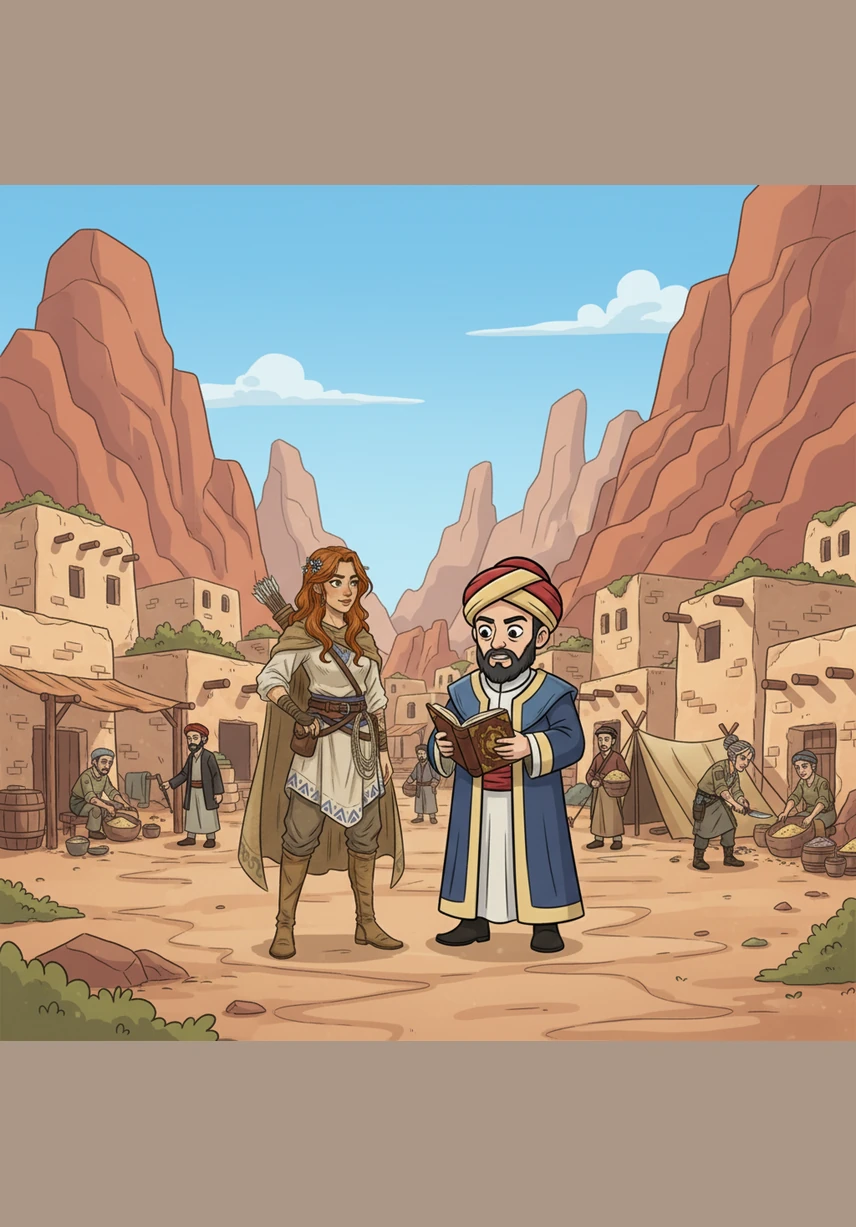
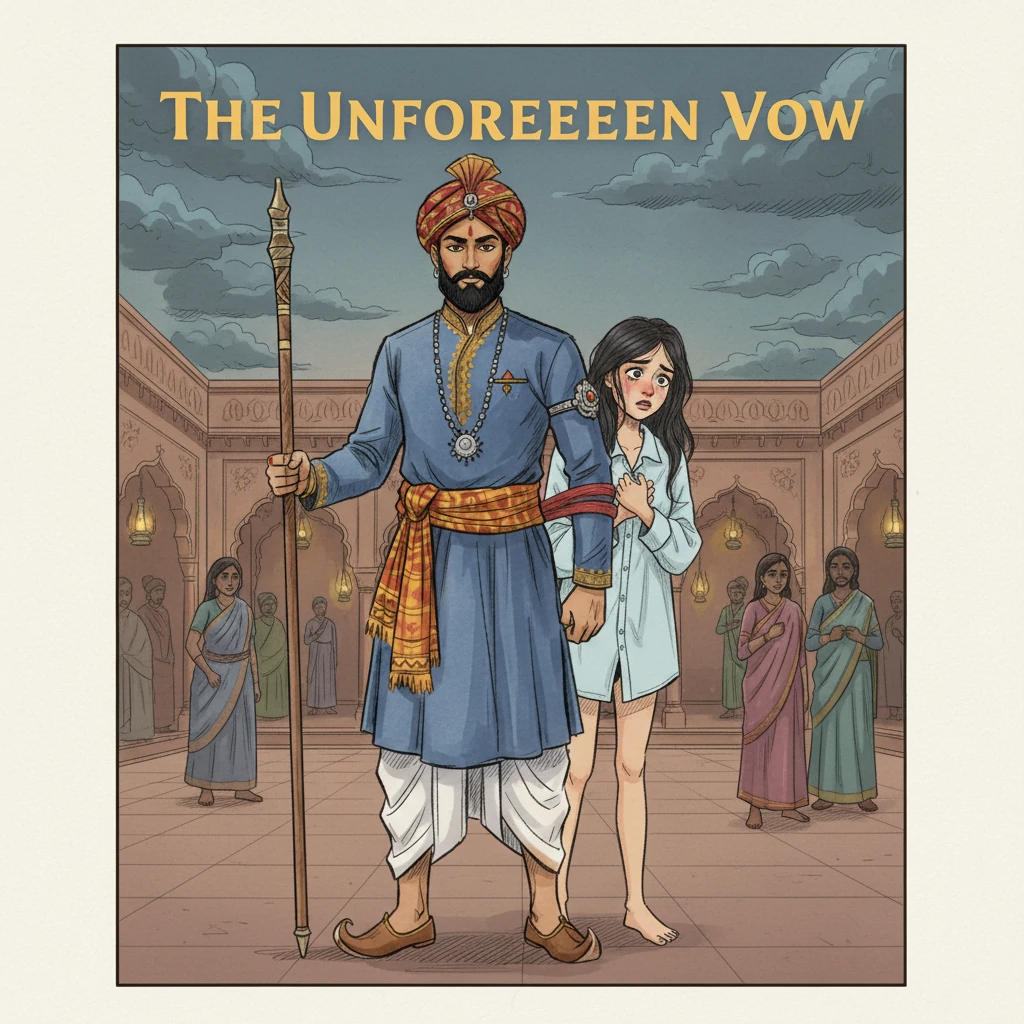
The wind of Kalagharistan scrapes across the jagged stone peaks, dragging black sand like a blade across bone. In the village of Nurabhalaj, life is carved directly into the mountains, where the narrow mouths of caves whisper the prayers and warnings of a community living in the shadows.
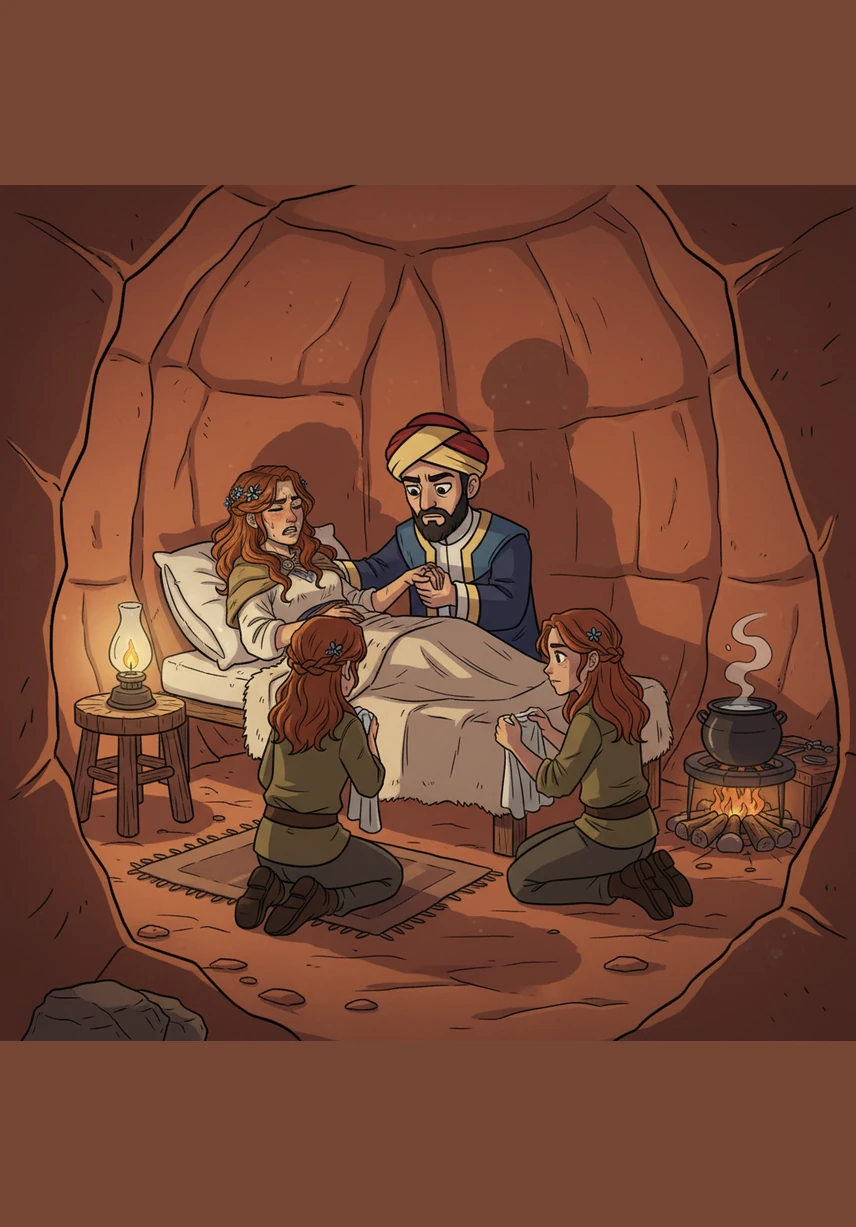
Within a cramped sandstone chamber lit by the flickering glow of an oil lamp, a child is born into the howling desert night. Though the midwife whispers blessings for a son, the child’s spirit already knows a different truth, one as ancient and unyielding as the mountains themselves.
By 1981, twenty-year-old Zahira spends her days shaping rough sandstone bricks under the watchful eyes of the state patrols. Her hands are cracked and her movements are measured, but beneath the surface of her labor lies a quiet, burning resolve.
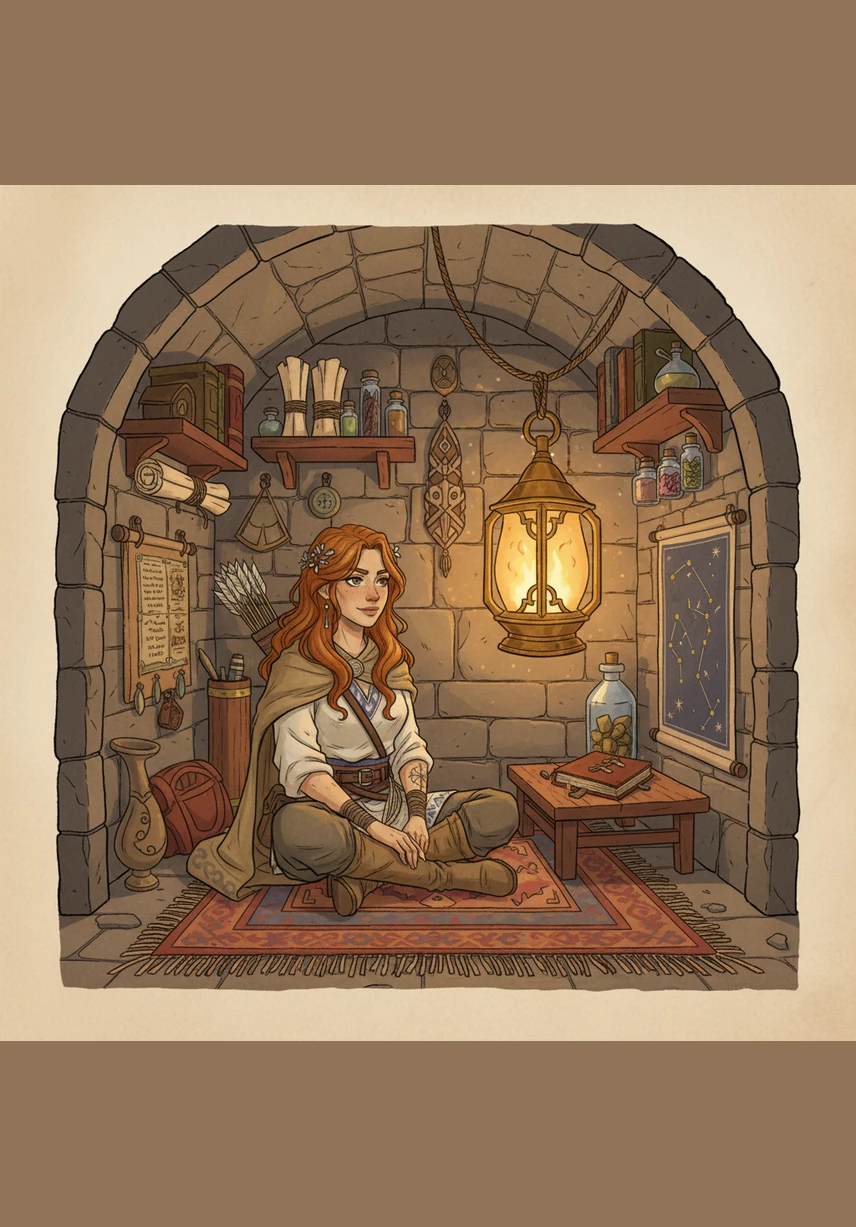
Deep within a hidden alcove reachable only through a narrow, forgotten passage, Zahira finds her sanctuary. In this small chamber lit by smuggled candles, she keeps the fragments of her soul: a scrap of dyed cloth and a polished shard of obsidian that serves as her secret mirror.
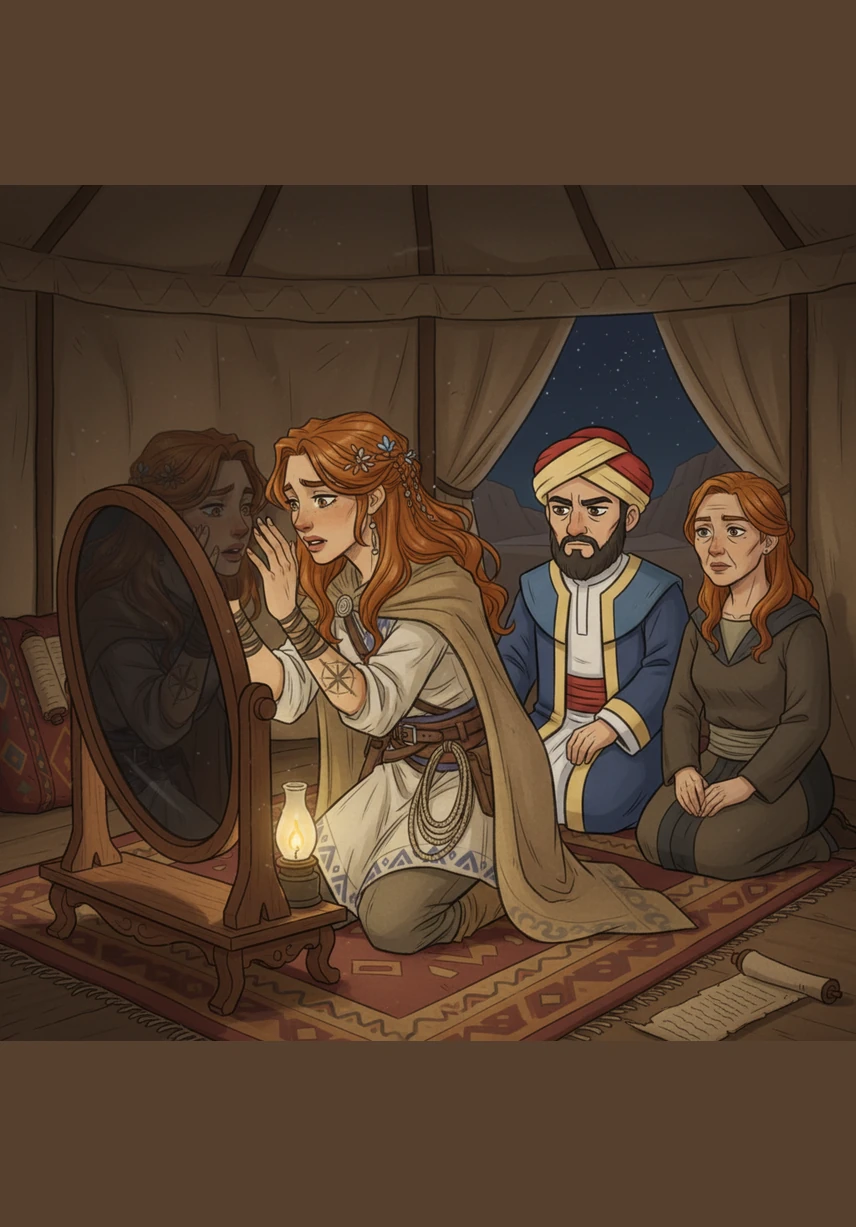
Gazing into the dark reflection of the obsidian mirror, she traces the curves of her face and whispers her true name into the stillness. Zahira breathes her name into the dark, as if the repetition of the word could eventually force the world to see her as she truly is.
One by one, others who do not belong find their way to the chamber they call The Hollow Light. In this secret space, they share a silent recognition and a fragile hope, forming a bond that the harsh laws of the mountain capital can never fully comprehend.
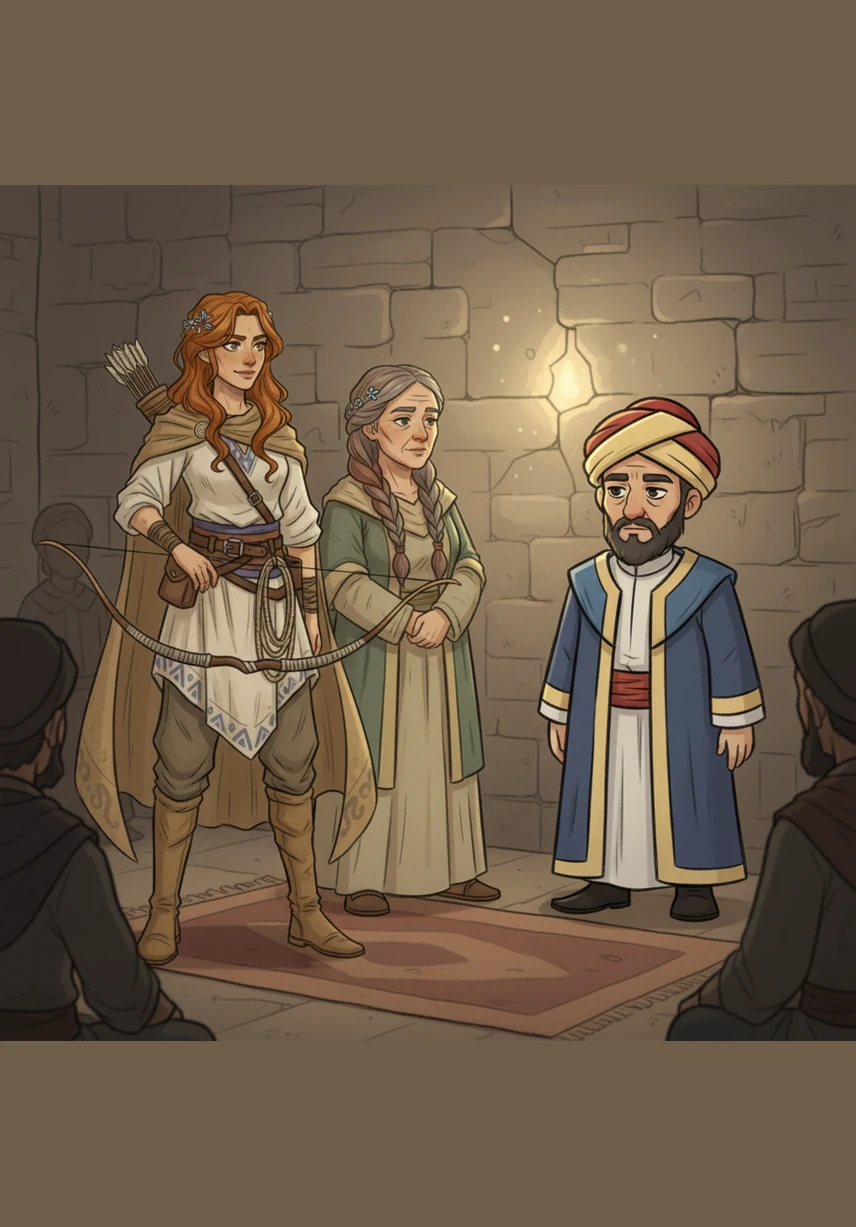
Outside the caves, the reign of Mullah Ahmad Bashir II grows colder and more restrictive, filling the dry air with the scent of fear. Patrols increase and informants lurk in every corner, turning the once-familiar tunnels into a labyrinth of suspicion and danger.
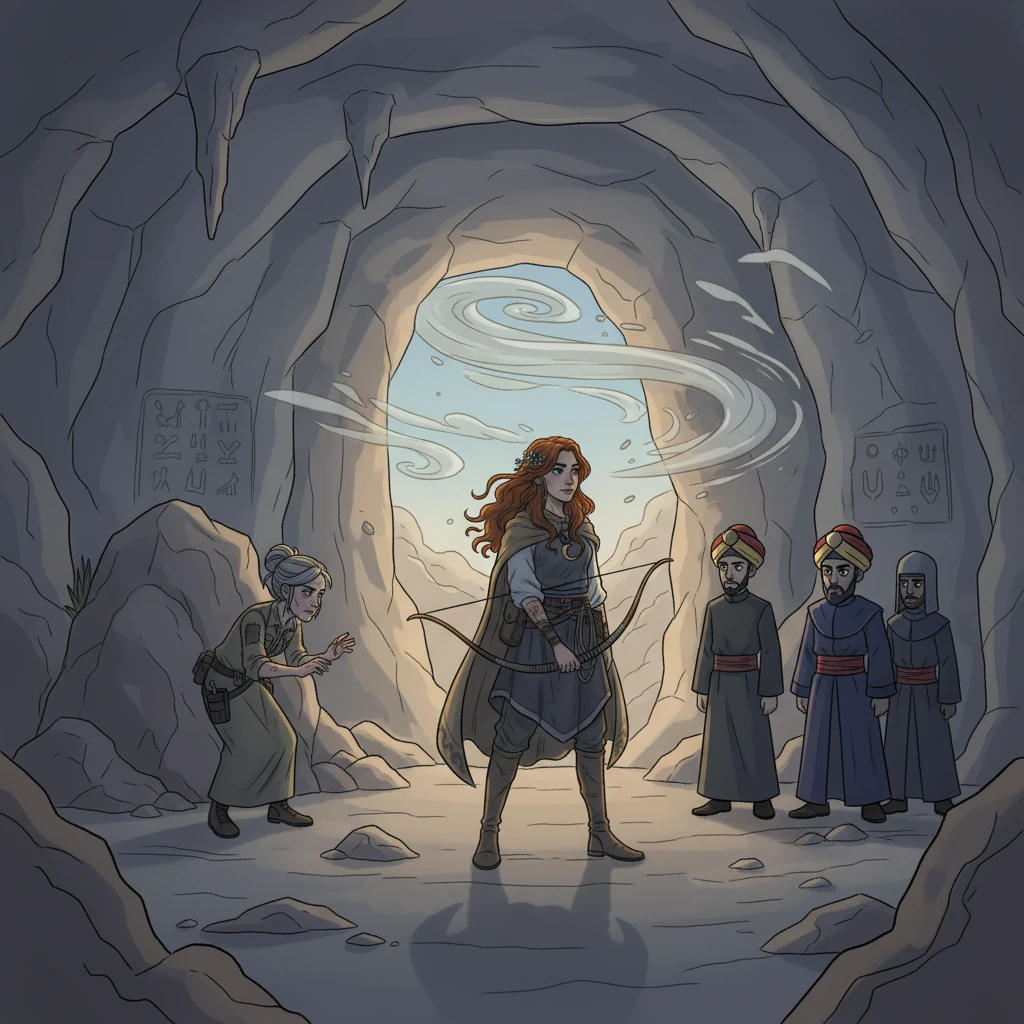
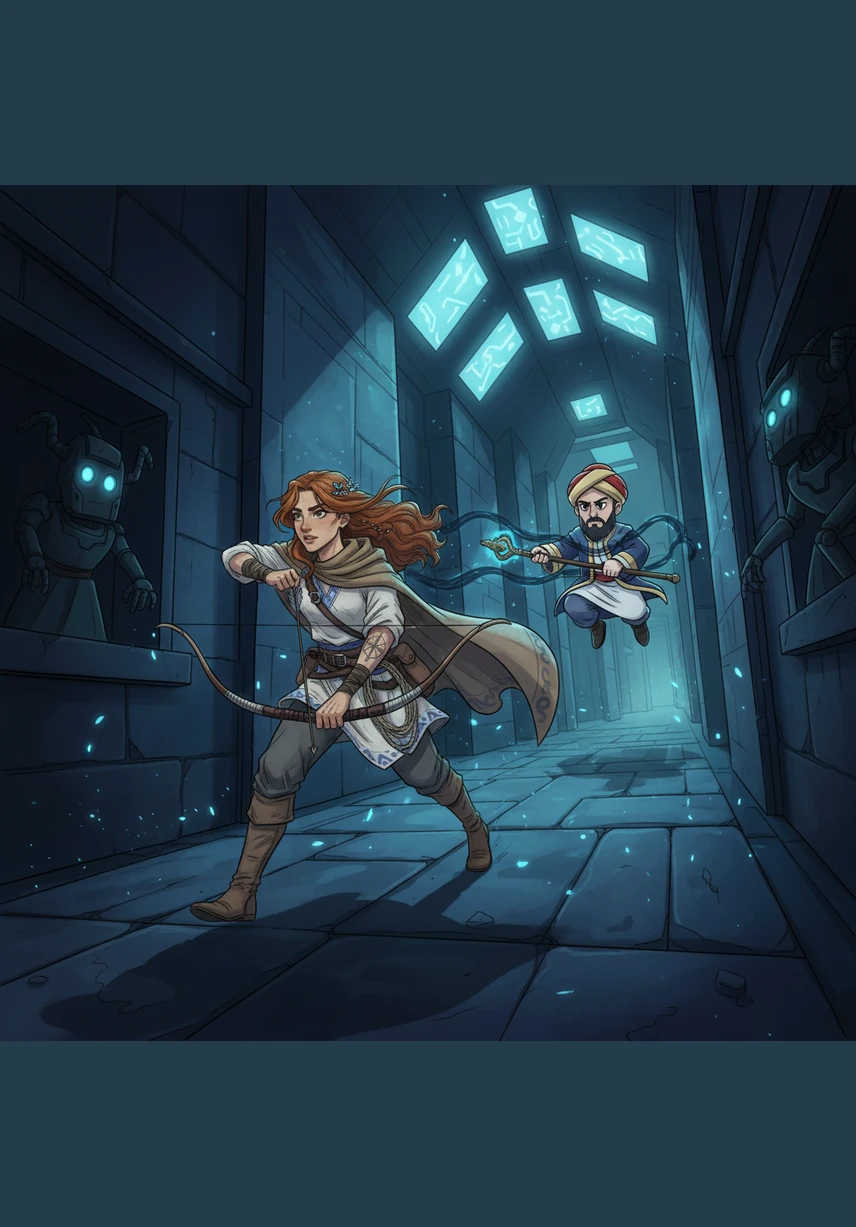
The peace of the Hollow Light is shattered by the heavy, rhythmic thud of state boots echoing through the stone corridors. Zahira flees through the darkness, her skin scraping against jagged walls as the shouts of the hunt and the flicker of torches close in behind her.
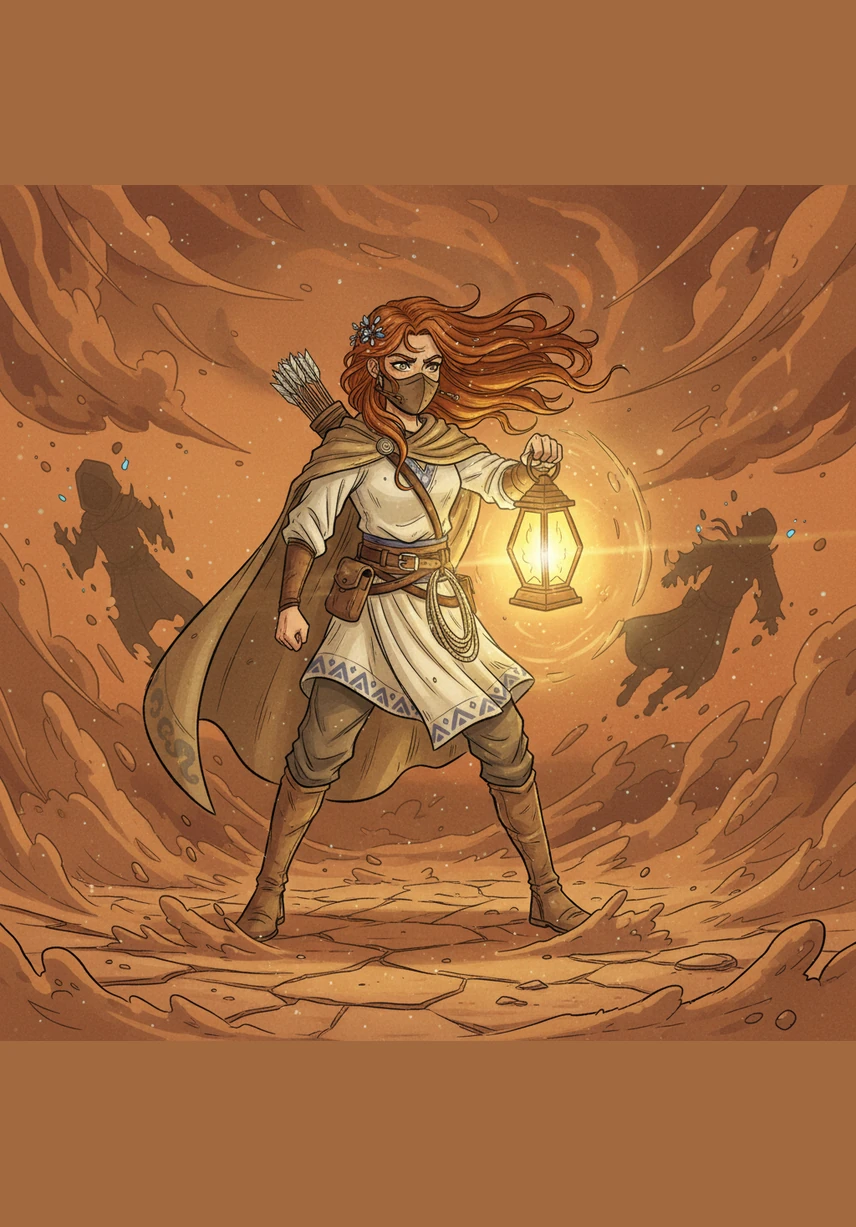
Emerging from a narrow shaft onto the high mountainside, Zahira is met by a wall of fierce, cold wind under a starless sky. Below her, the black desert stretches into infinity, and the echoes from the tunnels below tell her that her world has changed forever.
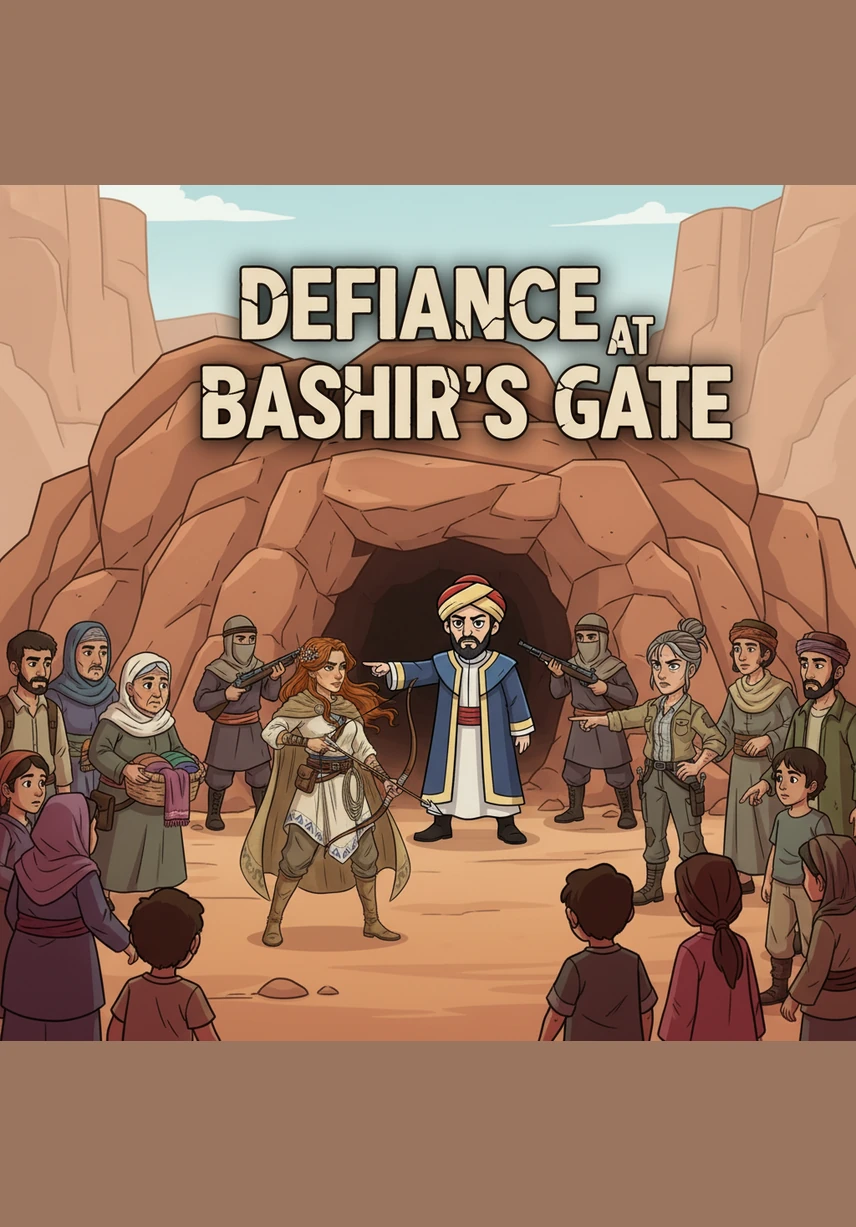
Instead of vanishing into the dunes, Zahira stands firm against the gale, her eyes fixed on the mountain that tried to bury her identity. She becomes a living witness to the truth, carving symbols of defiance into the stone and ensuring that the light of the hollow will never truly fade.
Generation Prompt(Sign in to view the full prompt)
The wind in Kalagharistan never sounded soft. It scraped. It dragged black sand across stone like a blade across bone, whispering through the narrow mouths of caves where entire communities carved their lives into the mountains. At night, the wind carried voices—sometimes prayers, sometimes warnings, sometimes names that no one dared to say out loud. In 1981, in the western cave-village of Nurabhalaj, one of those names belonged to someone who was not supposed to exist. Her name was Zahira. She had been born on May 9th, 1961, under a name that never felt like hers, in a cramped sandstone chamber where her mother labored by oil light while the desert howled outside. The midwife had wrapped her in dark cloth, whispered blessings for strength, and announced a son. But Zahira knew. She knew in the way the mountains know the shape of wind. In the way the caves remember footsteps long after they’ve faded. It wasn’t something she learned—it was something she endured. By 1981, she was twenty years old. And in Kalagharistan, that was already dangerous. The country itself was young, but its fear was ancient. Mullah Ahmad Bashir II ruled from Malastabhad, the mountain capital carved into a colossal black cliff. His father—the founder—had risen from the chaos of the Yellow Revolution three decades earlier, promising order, faith, and unity. What he built instead was something harder, colder. After his death in 1980, his son tightened everything. The laws. The patrols. The silence. People disappeared more often now. Especially people like Zahira—though there were no official words for people like her. Only accusations. Only punishments. Zahira lived with her mother and younger brother in a low, winding cave dwelling that opened to a narrow ledge overlooking a sea of black dunes. By day, she worked shaping sandstone bricks, her hands rough and cracked, her movements watched. Always watched. But at night… At night, she became herself. In a hidden alcove deep within the cave system—past a narrow passage that only she and a few others knew—there was a small chamber lit by smuggled candles. Inside, Zahira kept fragments of who she was allowed to be only in secret. A scrap of dyed cloth. A polished shard of obsidian that served as a mirror. A necklace made from bone and copper wire. And a name. She would sit there, tracing the curves of her face in the reflection, whispering: “Zahira.” As if saying it enough times would make the world listen. The others began to find her. Not many. Never many. Kalagharistan had a way of crushing anything that gathered too openly. But one by one, quietly, carefully, they came. A boy who wasn’t a boy. A girl who wasn’t allowed to be one. A person who refused to be either, or both, depending on the day. They didn’t have the language for it. Not like other places might have. But they had recognition. They had each other. They called the chamber The Hollow Light. Because even in darkness, something lived there. But outside, things were changing. Mullah Ahmad Bashir II had begun a new campaign—what the state called a “Purification of Spirit.” Patrols increased. Informants were rewarded. Entire cave sections were sealed or cleared out. Rumors spread like wildfire through dry air. A group in Malastabhad had been discovered. A family in the eastern dunes had vanished overnight. Someone had spoken. Someone always spoke. Zahira felt it before it happened. The wind changed. It grew sharper, more restless—like the mountains themselves were bracing. One evening, as she made her way through the narrow passage toward the Hollow Light, she noticed something wrong. Too quiet. No distant echoes. No flicker of candlelight ahead. Her breath caught. She stepped forward anyway. Slowly. Carefully. And then— Bootsteps. Not hers. Not theirs. Heavy. Organized. State boots. She didn’t think. She ran. Through the tight corridors, scraping her arms against jagged stone, ducking into side tunnels she knew by memory alone. Shouts echoed behind her—orders, curses, the unmistakable sound of a hunt. They had found it. They had found them. Zahira’s chest burned as she climbed upward through a narrow shaft that opened onto the mountainside. She pulled herself out into the open air, the black desert stretching endlessly below. The wind hit her like a wall. For a moment, she just stood there, shaking. Below, in the cave systems, voices still echoed. Some screaming. Some silent. She could run. Disappear into the dunes. Try to survive alone. Or… She looked back at the mountain. At the caves that held everything she had ever known. Everything she had fought to become. Her hands clenched. Zahira did not disappear that night. Instead, she became something Kalagharistan had not accounted for. Not just a secret. Not just a survivor. But a witness. In the months that followed, whispers began to spread again—not of disappearances, but of defiance. Symbols carved into hidden walls. Messages passed between villages. Stories of a woman in the