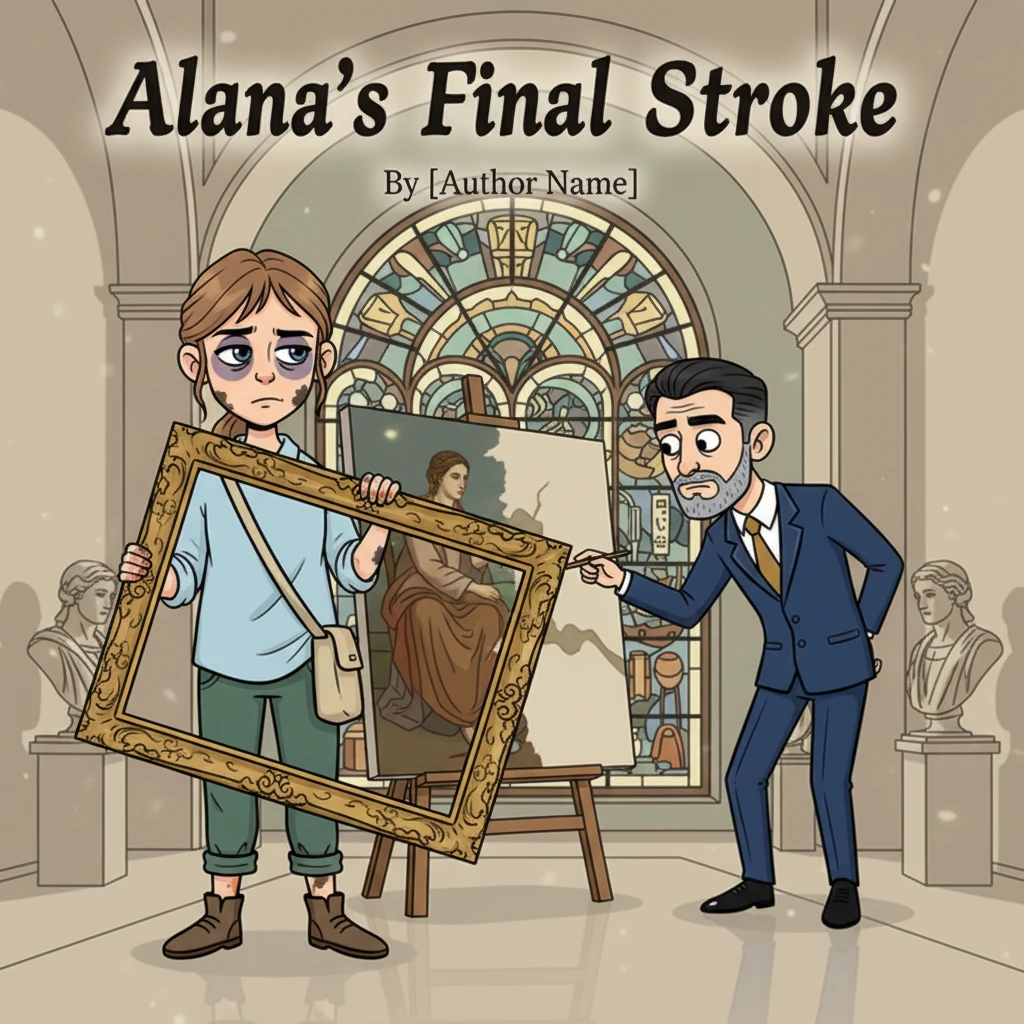
In the high-stakes world of art restoration, a young woman must choose between a perfect lie and a difficult truth to secure her future. This moving story explores the weight of heritage and the true meaning of integrity through the eyes of a talented artist. A captivating tale for anyone who believes that honesty is the most beautiful masterpiece of all.
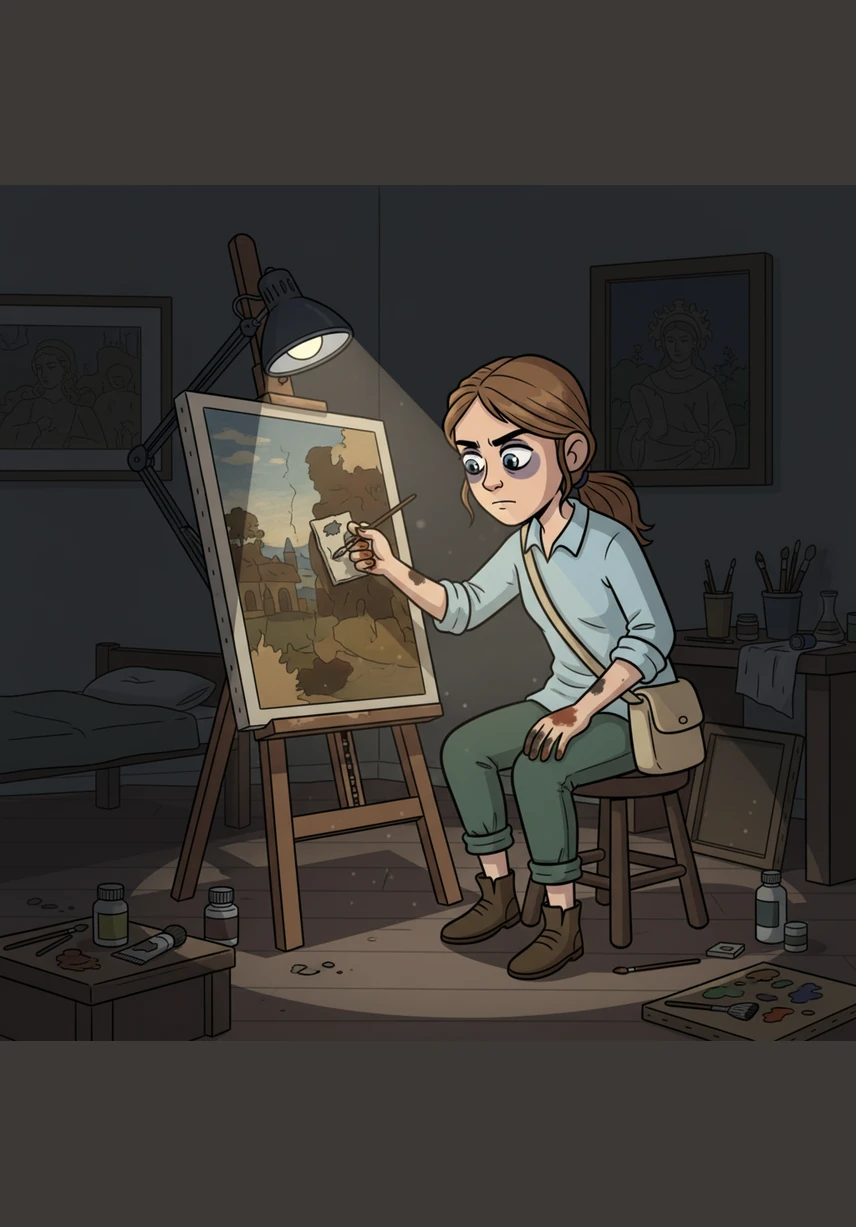
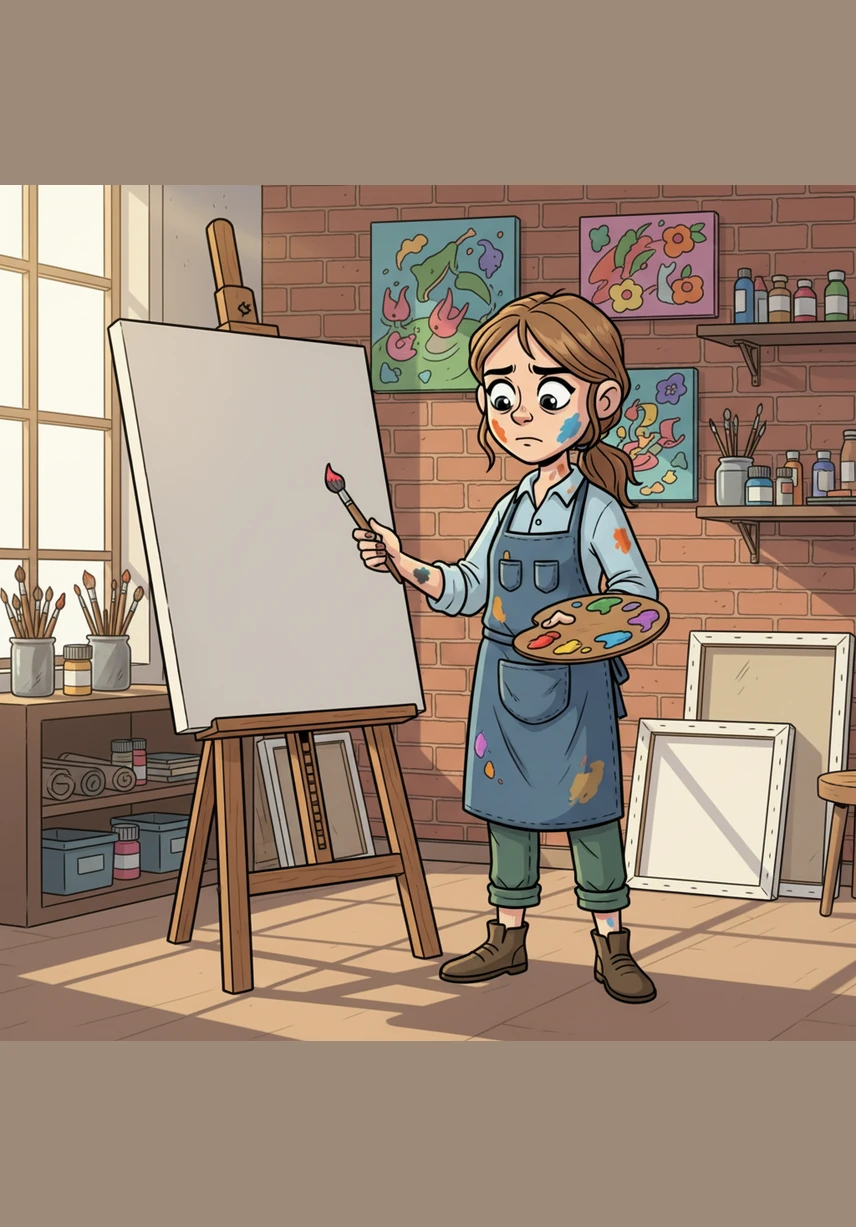
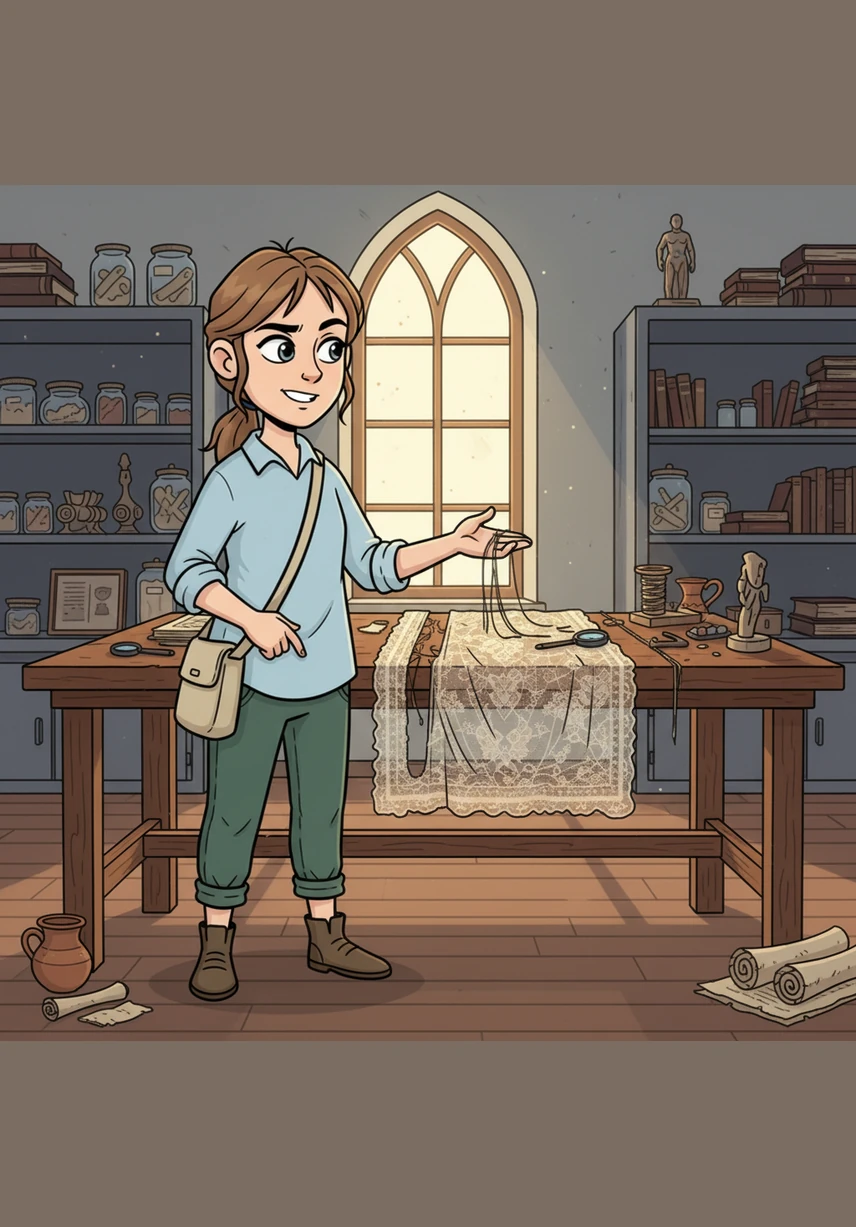
Alana sat in her dimly lit studio, her fingers stained with turpentine and ocre pigments. She had barely slept in days, but her eyes remained fixed on the four-hundred-year-old canvas before her, a piece that represented her only hope for a better life.
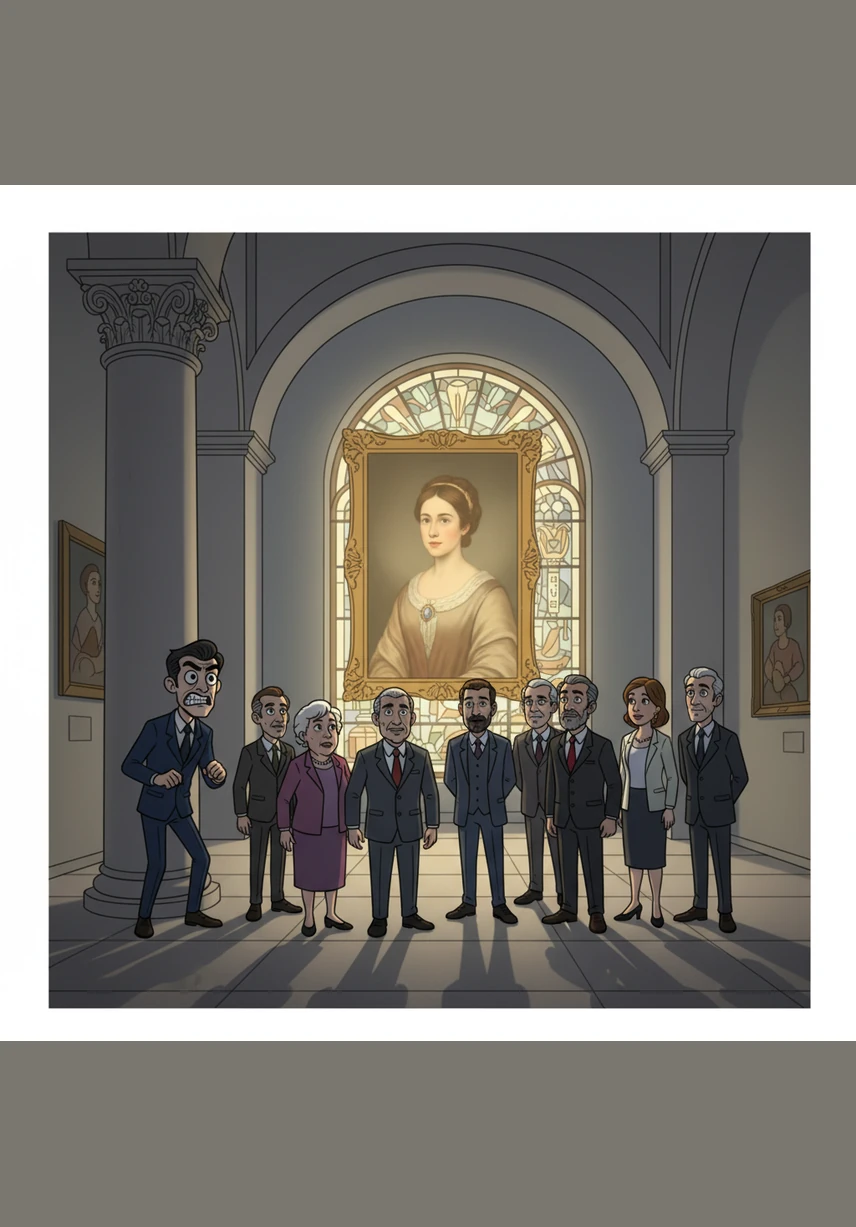
The Portrait of the Winter Lady stood tall on the easel, yet it was marred by a haunting gray void where the delicate lace collar should have been. A fire in the nineteenth century had erased the original details, leaving Alana with no records or photographs to guide her hand.
Her mentor’s warning from earlier that afternoon echoed in the quiet room, reminding her that her rival Julian would win the Florence scholarship if her work wasn't flawless. Julian had the wealth and the connections, while Alana only had her talent and her family's crushing debts.
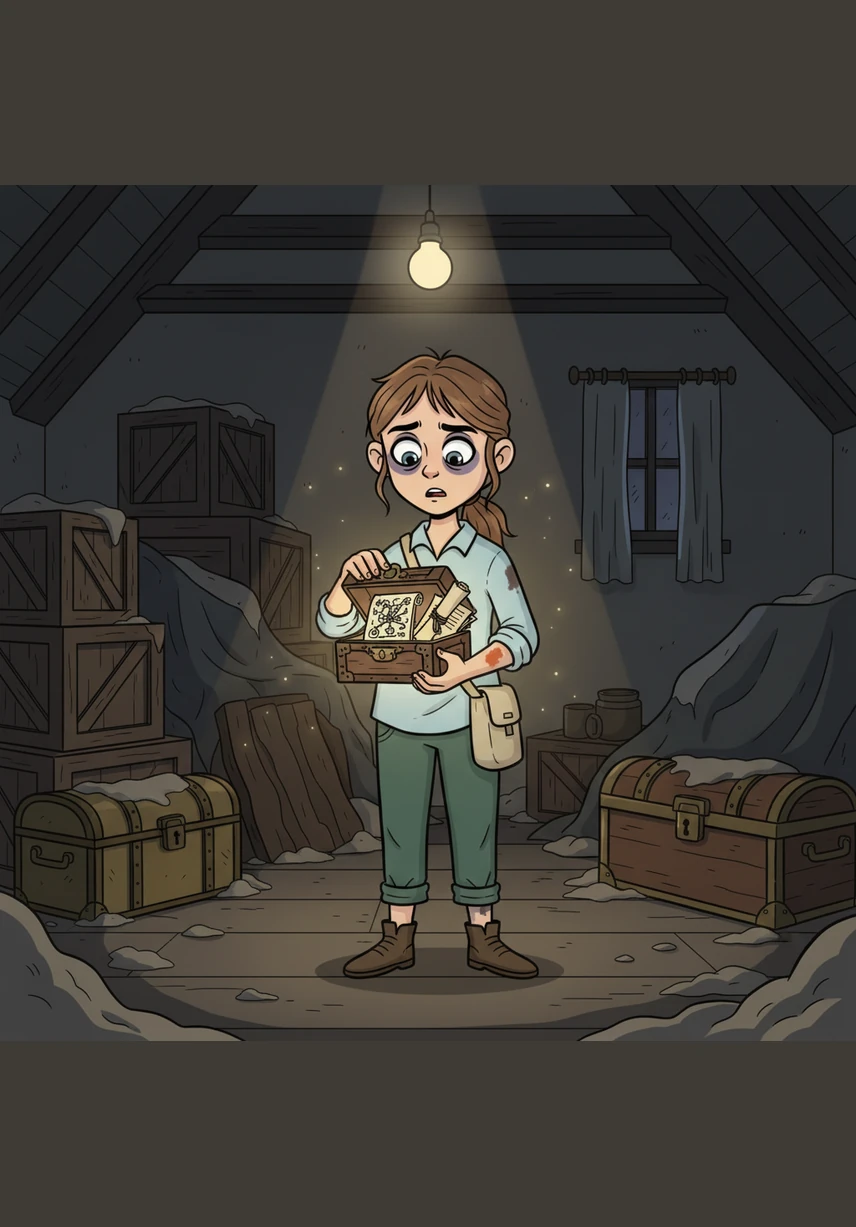
Late that night, Alana discovered a hidden compartment in her grandfather’s old wooden toolbox. Inside lay a dusty notebook filled with intricate sketches and notes from his time as a forgotten restorer, a secret he had kept until his death.
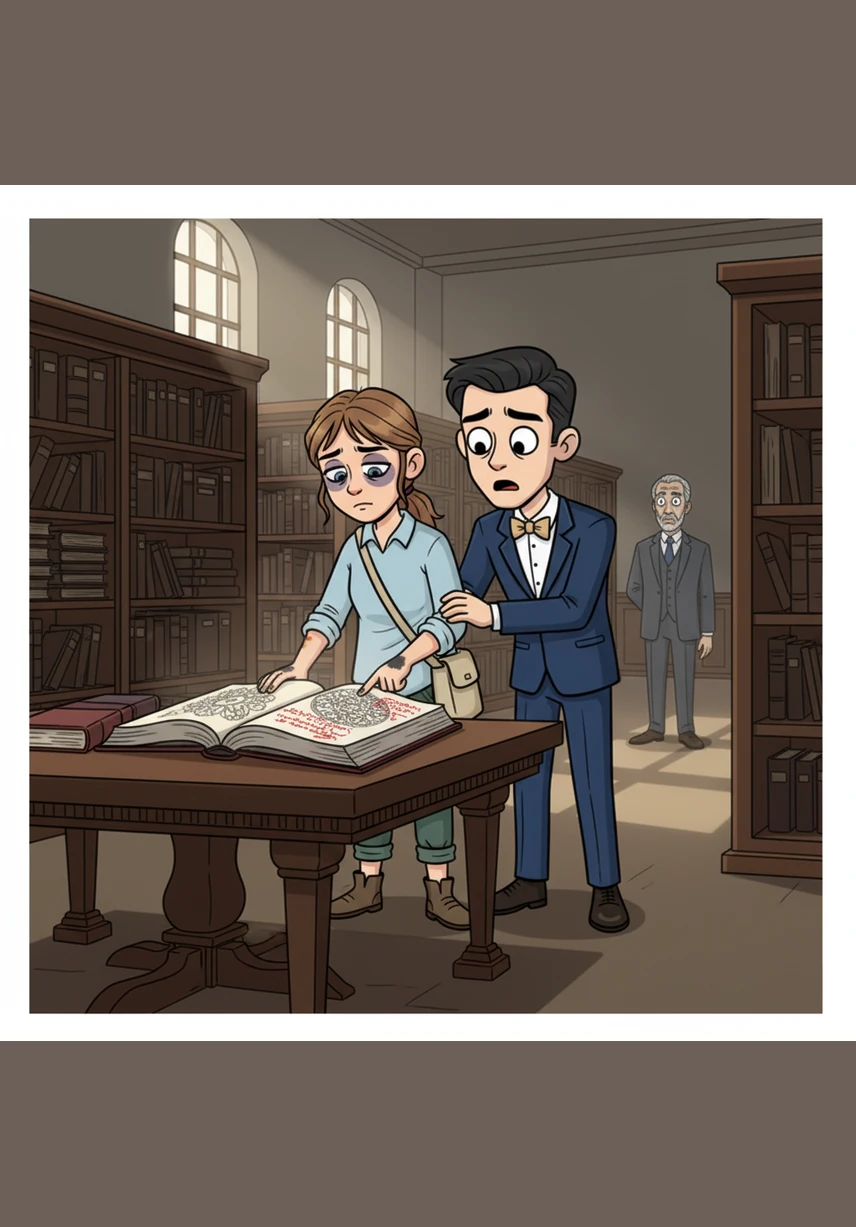
On page forty-two, she found the exact design of the missing lace, but a frantic note in the margin warned that the design was a career-destroying plagiarism. Her grandfather had chosen to bury the secret and fall into obscurity rather than live a lie.
The clock struck three in the morning as Alana stood torn between the perfect fraud and her grandfather's warning. The scholarship to Italy was her only way out of poverty, but the price was validating the very lie her grandfather had died to protect.
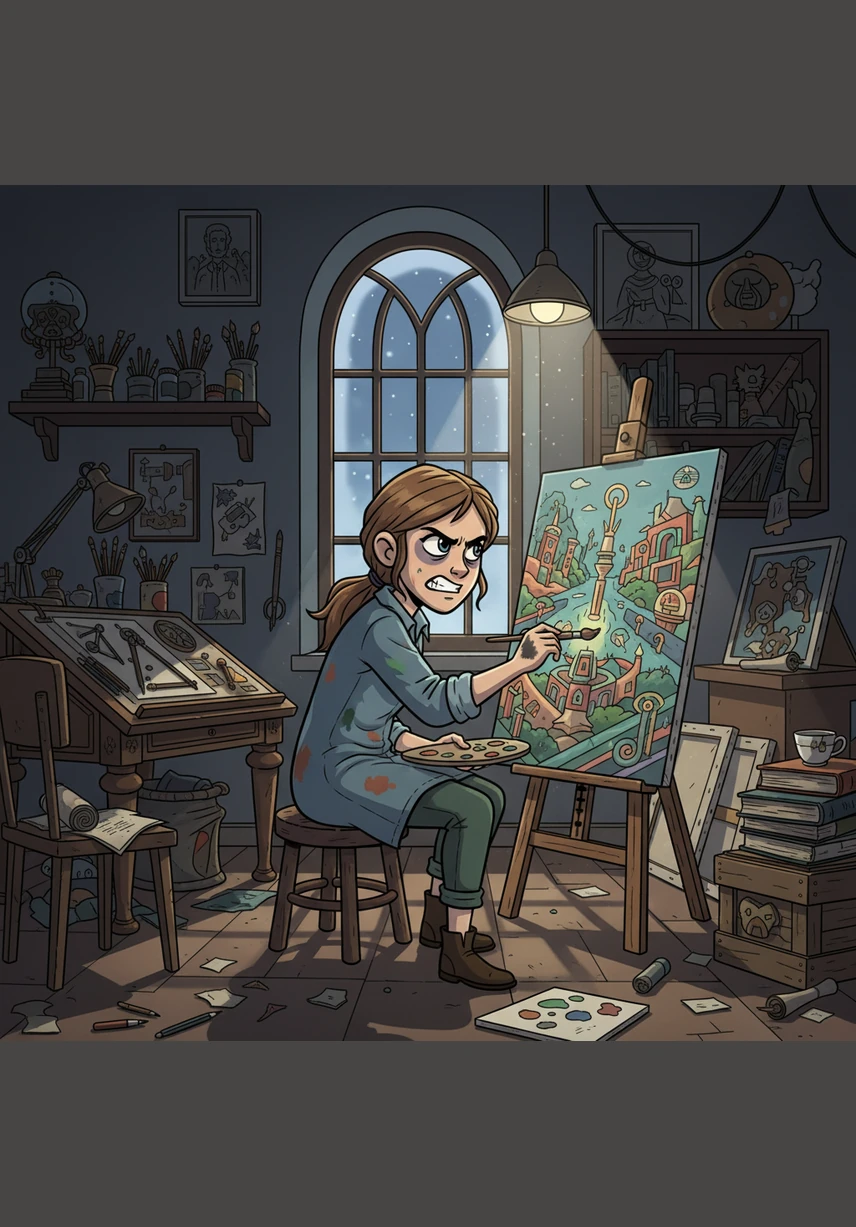
She finally dipped her sable brush into lead white paint and approached the canvas with a racing heart. Every stroke felt like a heavy weight as she carefully balanced the forbidden design with her own unique, modern touch.
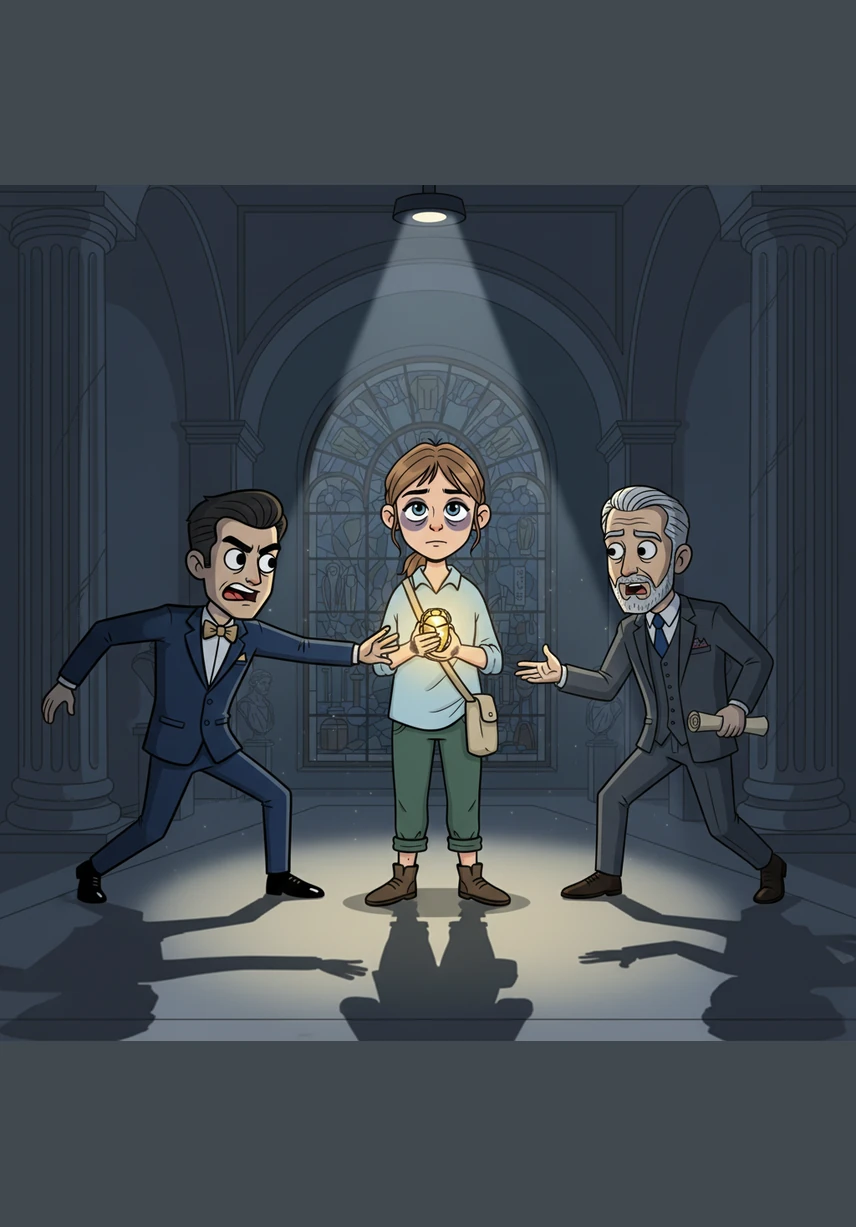
The next morning, the committee gathered around the restored masterpiece, whispering in awe at the light emanating from the lady’s collar. Julian watched from the shadows, his face twisted with a mixture of envy and disbelief at the quality of the work.
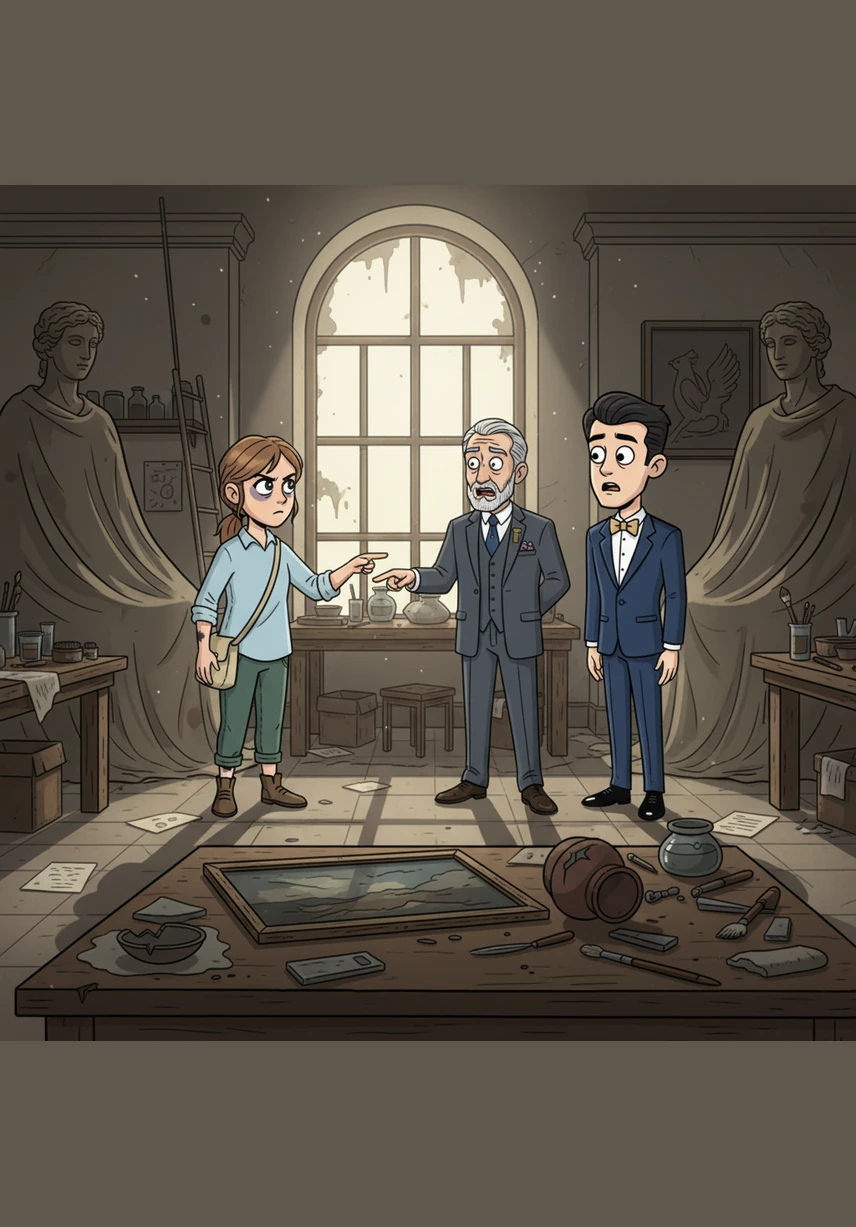
When the director asked how she had reconstructed the lace so perfectly without references, Alana chose truth over triumph. She explained that it was a modern interpretation and pointed out a tiny micro-seam she had left to distinguish her work from the original history.
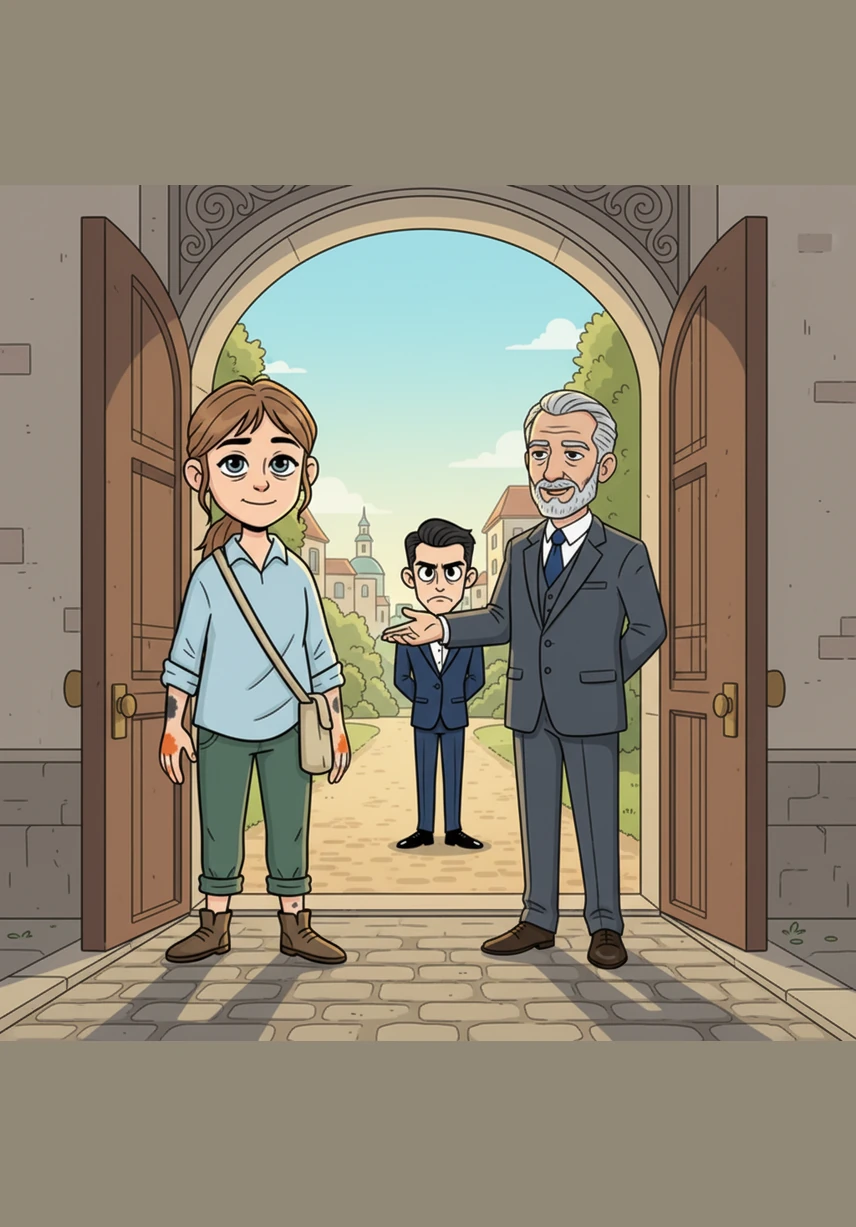
The director smiled, praising her for understanding that restoration is about preserving the truth of time rather than faking perfection. Alana walked out into the warm morning sun, her hands finally still and her heart full of a hard-earned peace.
Generation Prompt(Sign in to view the full prompt)
Crear una historia usando el pasado simple El Último Trazo de Alana Alana no recordaba la última vez que había dormido más de cuatro horas. Sus dedos, siempre manchados de trementina y pigmento ocre, temblaban ligeramente mientras sostenía el bisturí sobre el lienzo de cuatrocientos años. Estaba a un paso de terminar la restauración del “Retrato de la Dama de Invierno”, la pieza central que le aseguraría la beca de investigación en Florencia. Era su billete de salida de una vida de estrecheces y deudas heredadas. El problema no era el tiempo, sino el vacío. En el centro del cuadro, donde debía estar el delicado encaje del cuello de la dama, el pigmento original se había perdido por completo tras un incendio en el siglo XIX. No había registros, no había fotos, solo el vacío gris de la tela desnuda. — Si no es perfecto, Alana, el comité elegirá a Julian —le había dicho su mentor esa tarde. Julian, cuyo padre era el mayor donante del museo. Esa medianoche, sola en el taller iluminado apenas por una lámpara de sodio, Alana encontró un antiguo cuaderno de bocetos oculto en el doble fondo de la caja de herramientas de su abuelo, quien también fue restaurador antes de caer en el olvido. Allí, en la página 42, estaba: el diseño exacto del encaje. Pero el cuaderno tenía una nota al margen escrita con una caligrafía errática: “No usar. El diseño fue un plagio que destruyó una carrera. Que muera con el secreto”. Alana sintió un frío eléctrico recorrerle la espalda. Si usaba ese diseño, el cuadro quedaría impecable. Nadie vivo conocería el origen del "fraude". Julian y sus privilegios quedarían atrás. Pero el precio no era solo el pigmento; era validar una mentira que su propio abuelo prefirió enterrar antes que vivir de ella. Miró el reloj: 3:00 AM. La entrega era a las 8:00 AM. Tomó el pincel de pelo de marta, lo empapó en blanco de plomo y se acercó al lienzo. Su corazón latía contra sus costillas como un pájaro enjaulado. A la mañana siguiente, frente al comité, el cuadro lucía terminado. Los jueces se acercaron, maravillados por la luz que emanaba de la obra. Julian la miraba con una mezcla de envidia y derrota. Pero cuando el director del museo le preguntó cómo había logrado reconstruir el encaje sin referencias, Alana no sintió el triunfo. Sintió el peso del cuaderno de su abuelo quemándole el bolso. — No lo reconstruí —dijo Alana, su voz firme aunque sus manos aún olían a solvente—. Lo que ven es una interpretación moderna. He dejado una micro-costura visible al microscopio para que se sepa qué es original y qué es mi intervención. No es perfecto, pero es honesto. El silencio en la sala fue eterno. Julian sonrió, creyendo que ella acababa de perder la beca. Sin embargo, el director se ajustó las gafas y sonrió. — La restauración no es hacer que lo viejo parezca nuevo, Alana. Es preservar la verdad del tiempo. La mayoría hubiera mentido para ganar. Bienvenido a Florencia. Alana salió al sol de la mañana. Estaba agotada, seguía siendo pobre, pero por primera vez en años, sus manos no temblaban.