The Echoes of Easter: A Journey Through Time - Educational stories

The Echoes of Easter: A Journey Through Time

Story Description

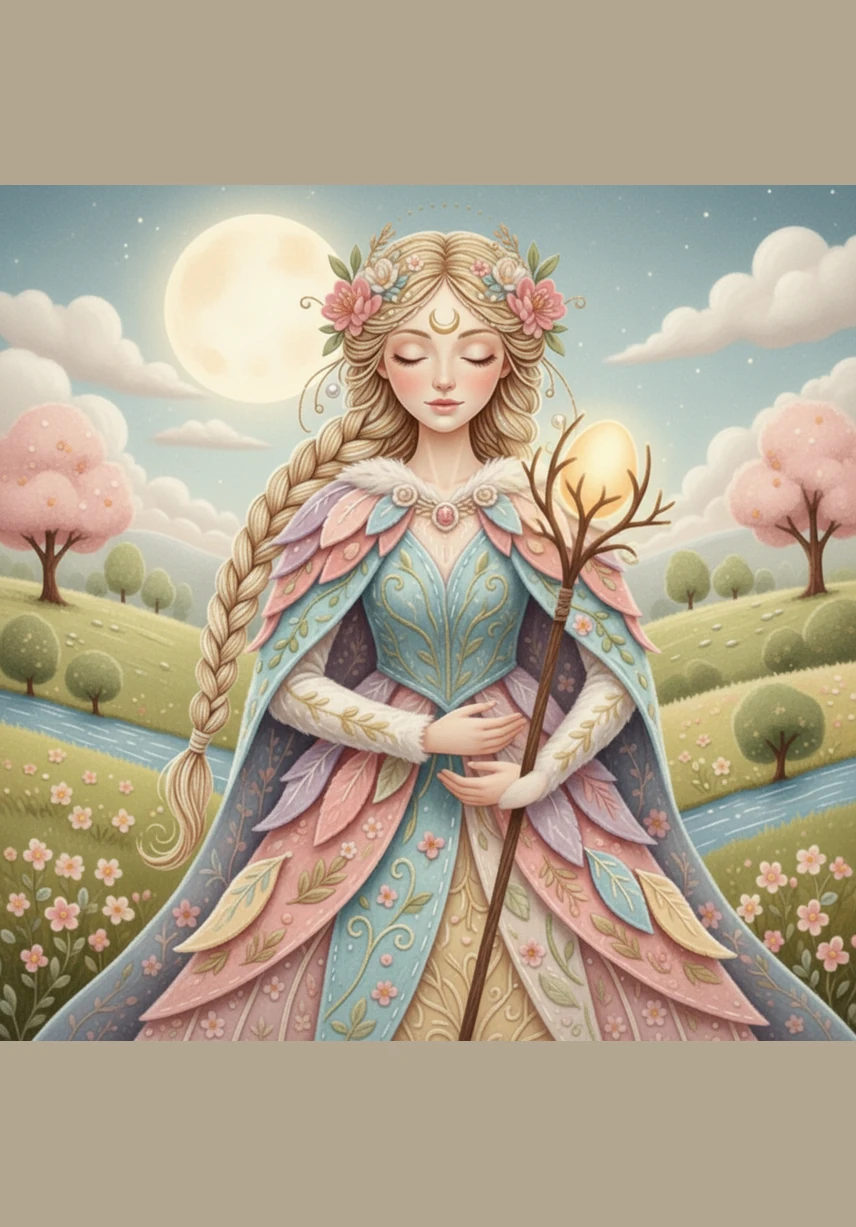
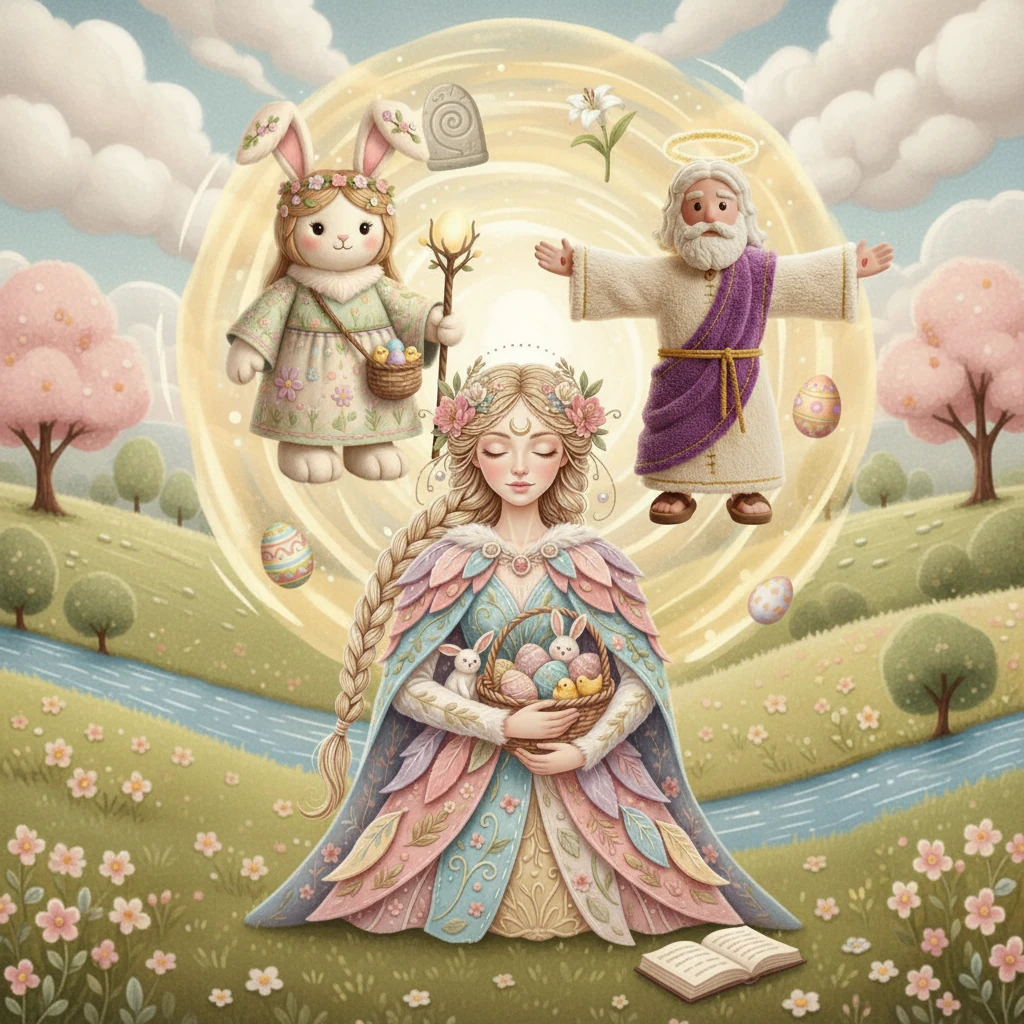
Discover the rich tapestry of Easter's history, from its ancient pagan roots to its profound religious significance. Follow Elara as she uncovers the stories behind the bunny, the eggs, and the lilies in this beautifully illustrated guide to the season of rebirth. A perfect blend of education and wonder for readers of all ages.

Ratings:Not enough ratings
Language:English
Published Date:
Reading Time:1 minutes

Keywords

Generation Prompt

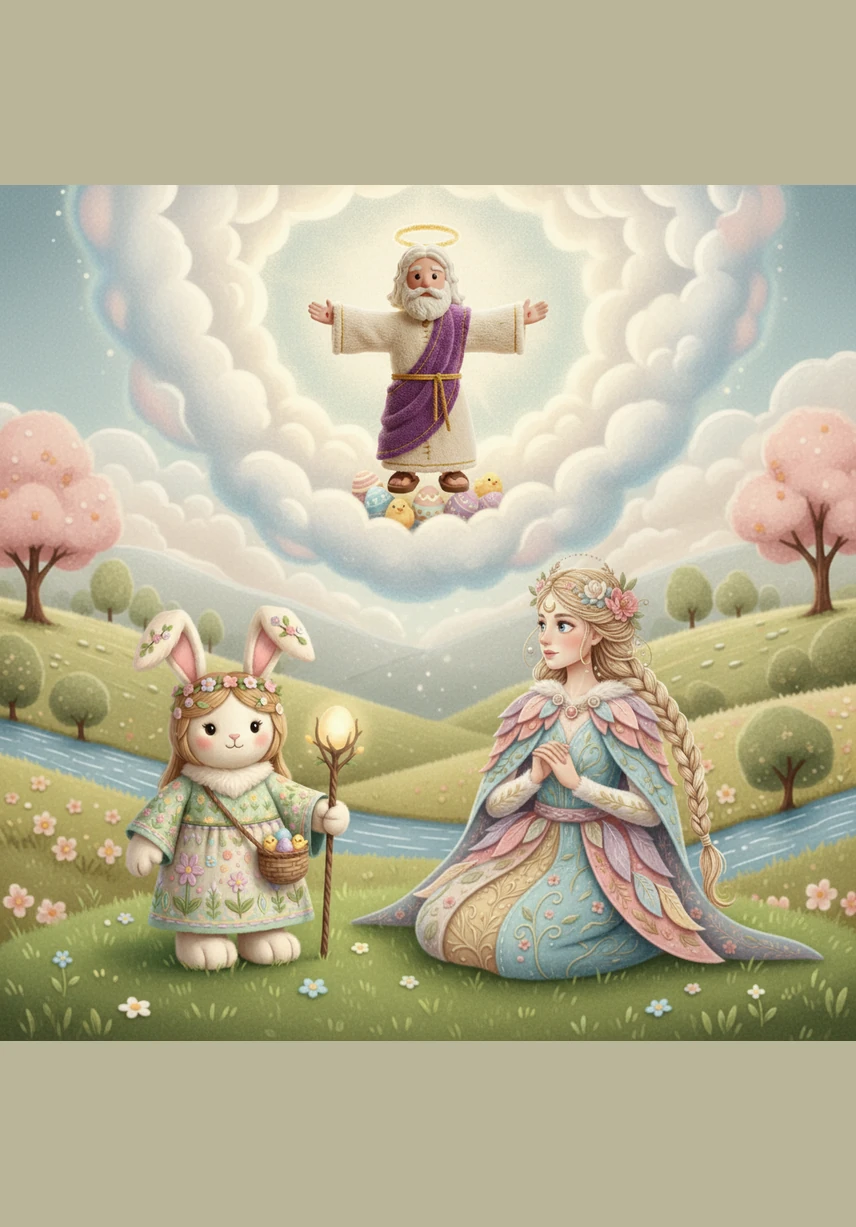
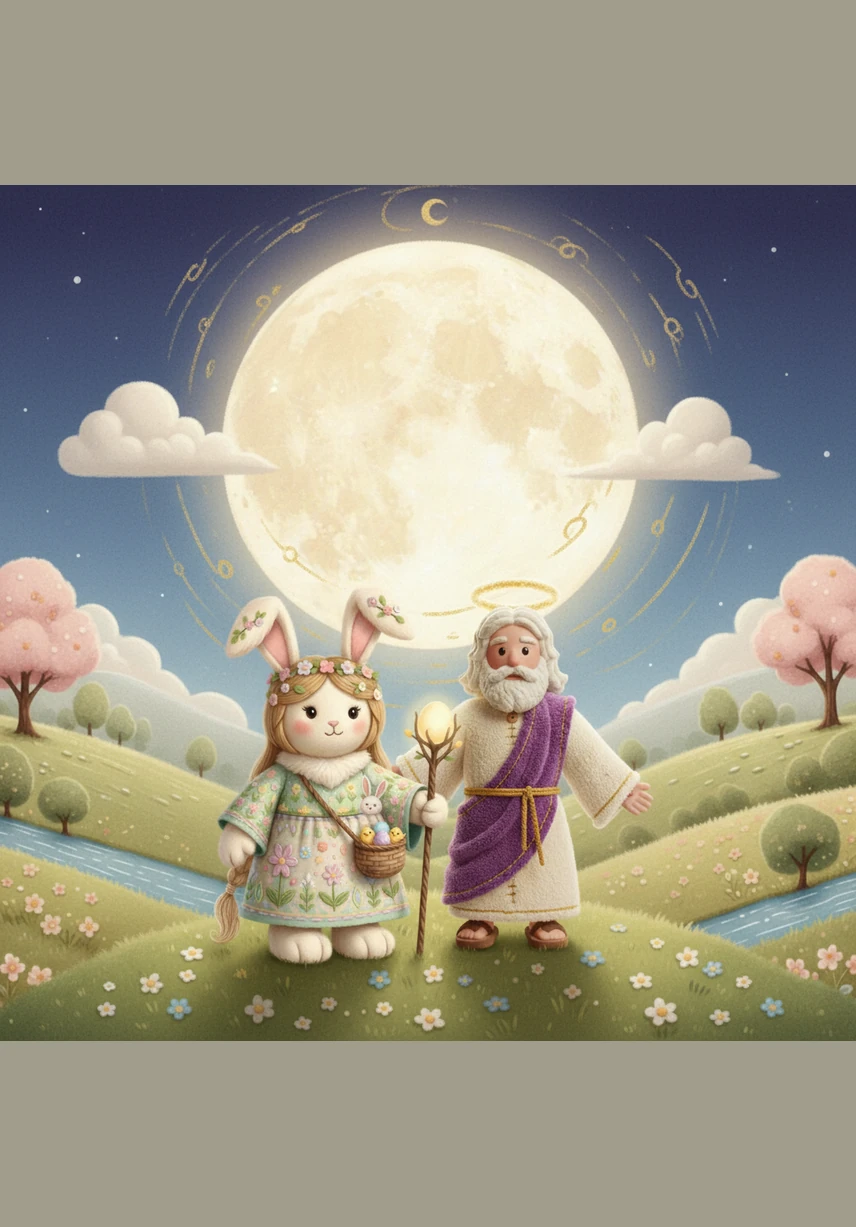
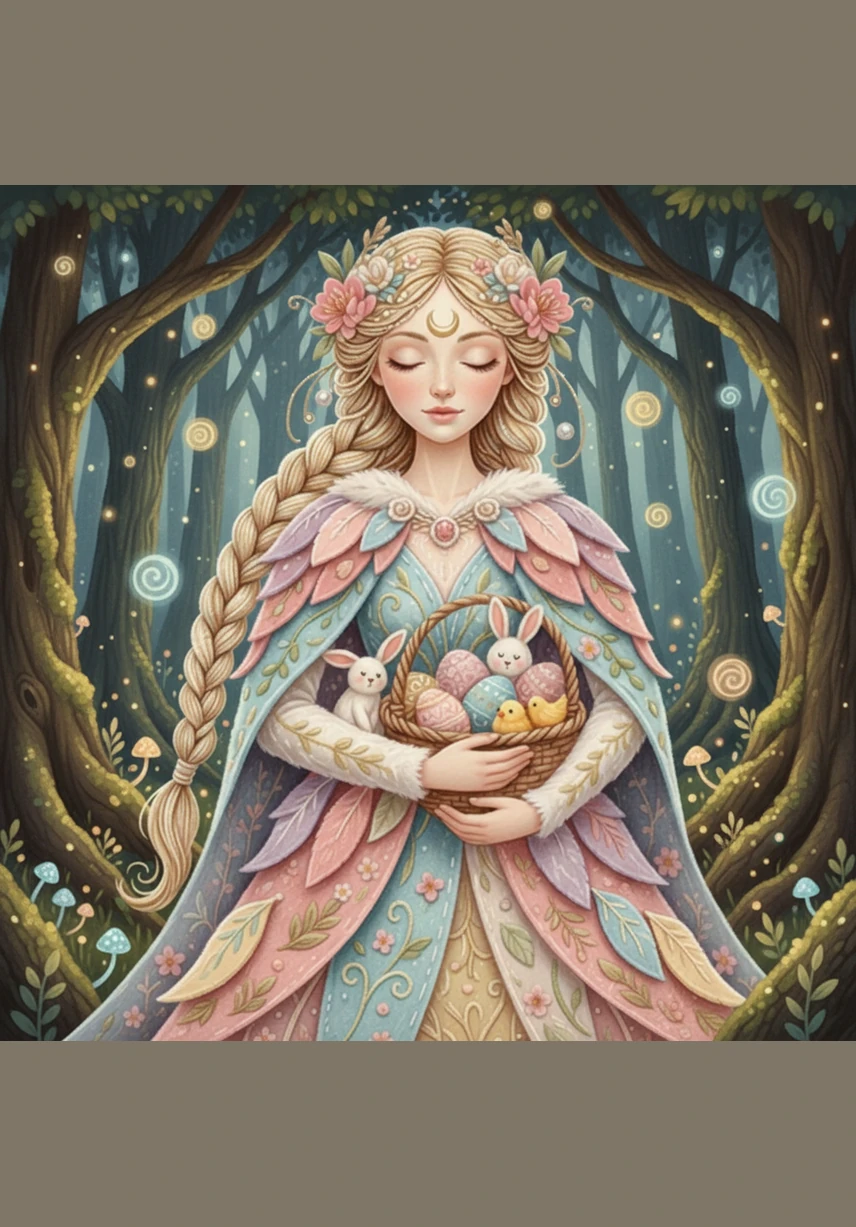
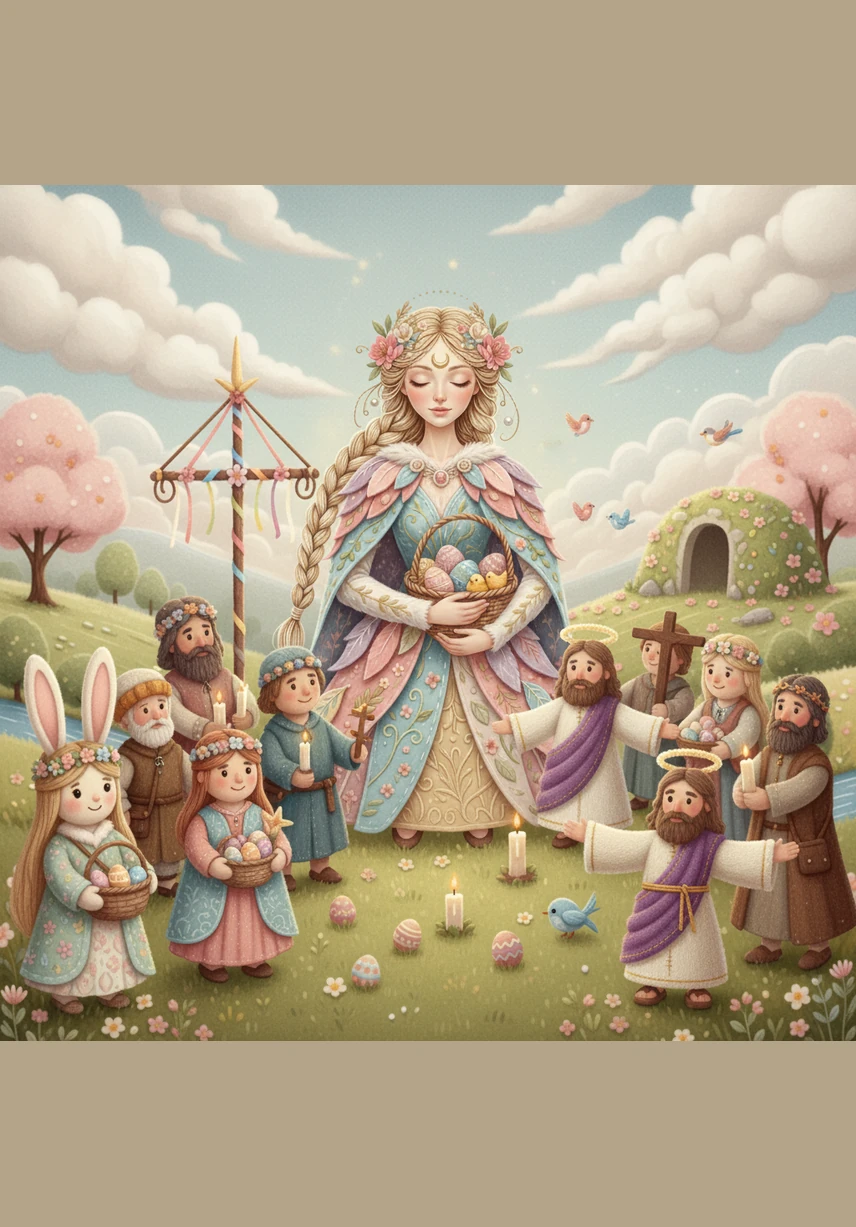
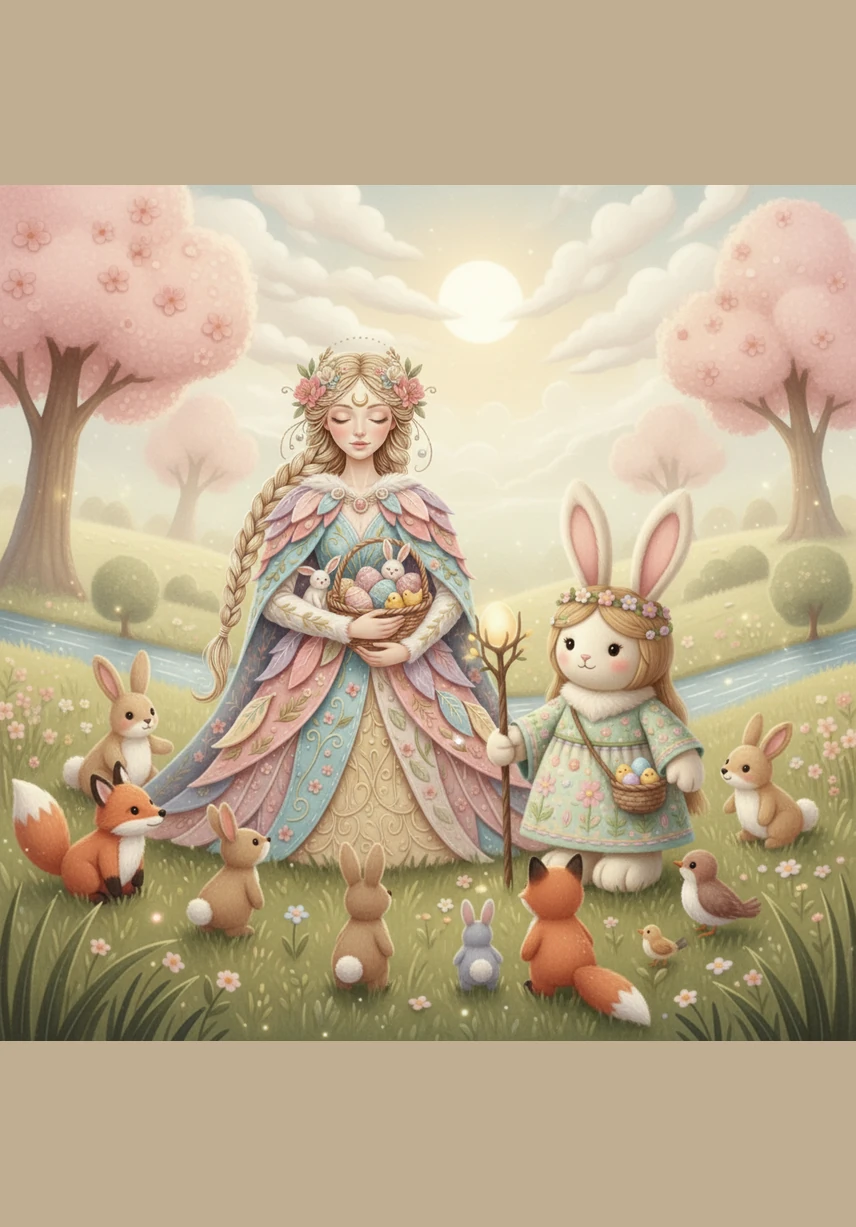
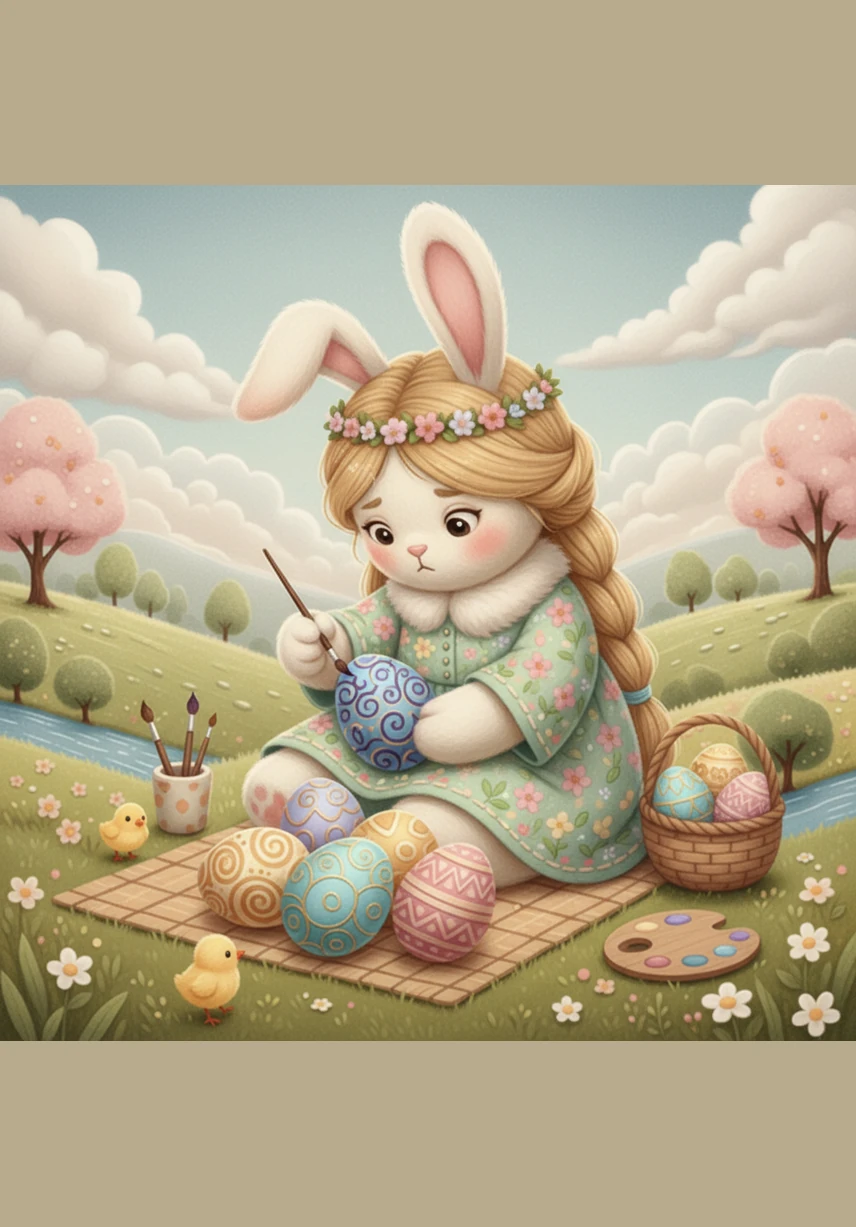
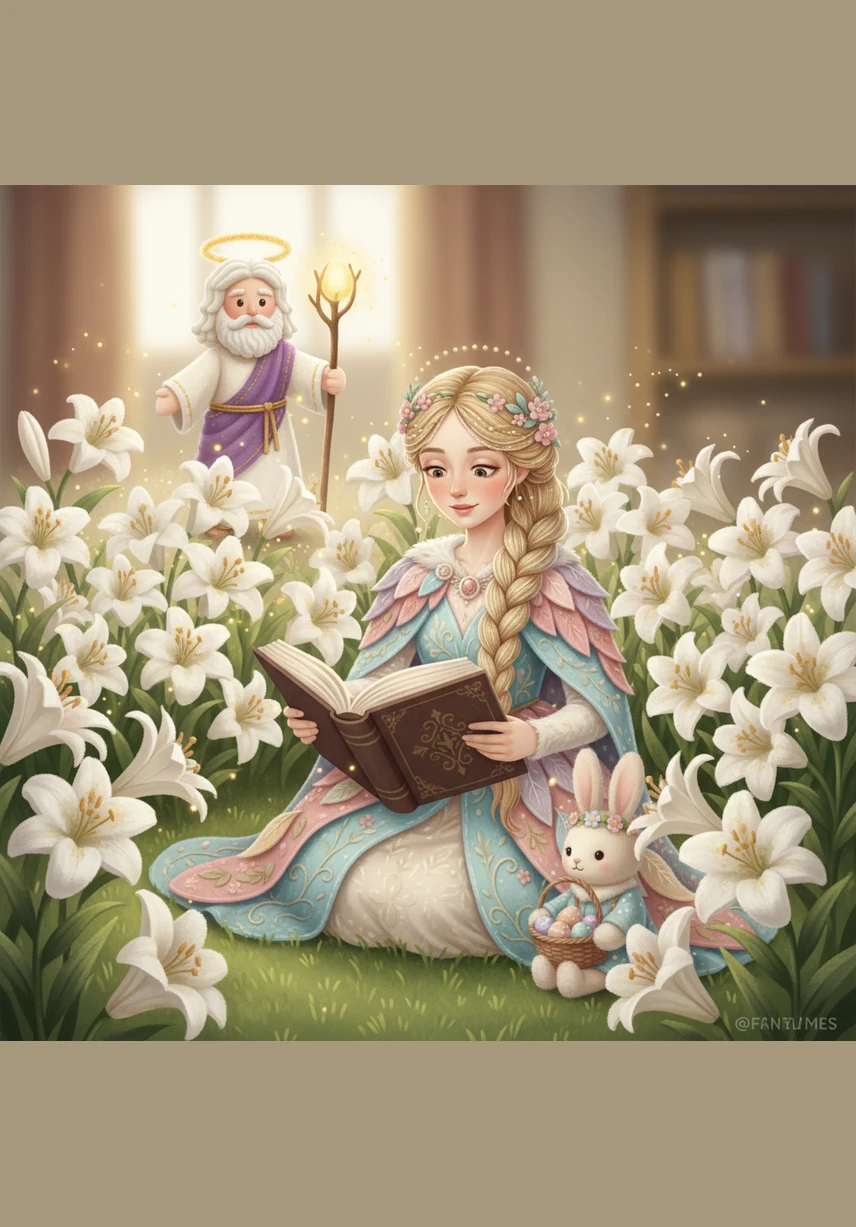
1. The Religious Origin (The Resurrection) For Christians, Easter is the most important holiday of the year. It commemorates the resurrection of Jesus Christ three days after his crucifixion by the Romans. This event is seen as a victory over death and a promise of eternal life for believers. The date of Easter changes every year because it is calculated based on the first full moon following the spring equinox. 2. Pagan Roots and the Name "Easter" The name "Easter" is believed to be derived from Eostre (or Ostara), the ancient Anglo-Saxon goddess of spring and fertility. Her feast was celebrated during the spring equinox. As Christianity spread, many of these existing spring traditions were merged with the celebration of the Resurrection. 3. Symbols and Folklore The popular symbols we see today have diverse origins: The Easter Bunny: Rabbits have long been symbols of fertility and new life. The legend of an egg-laying hare (the "Osterhase") was brought to America by German immigrants in the 1700s. Easter Eggs: Decorating eggs is a tradition that predates Christianity, symbolizing rebirth. Early Christians adopted this, often dyeing eggs red to represent the blood of Jesus. The Lily: Often called the "white robe of spring," lilies are a traditional Easter flower symbolizing purity and the new life found in the resurrection.

Comments

Loading...