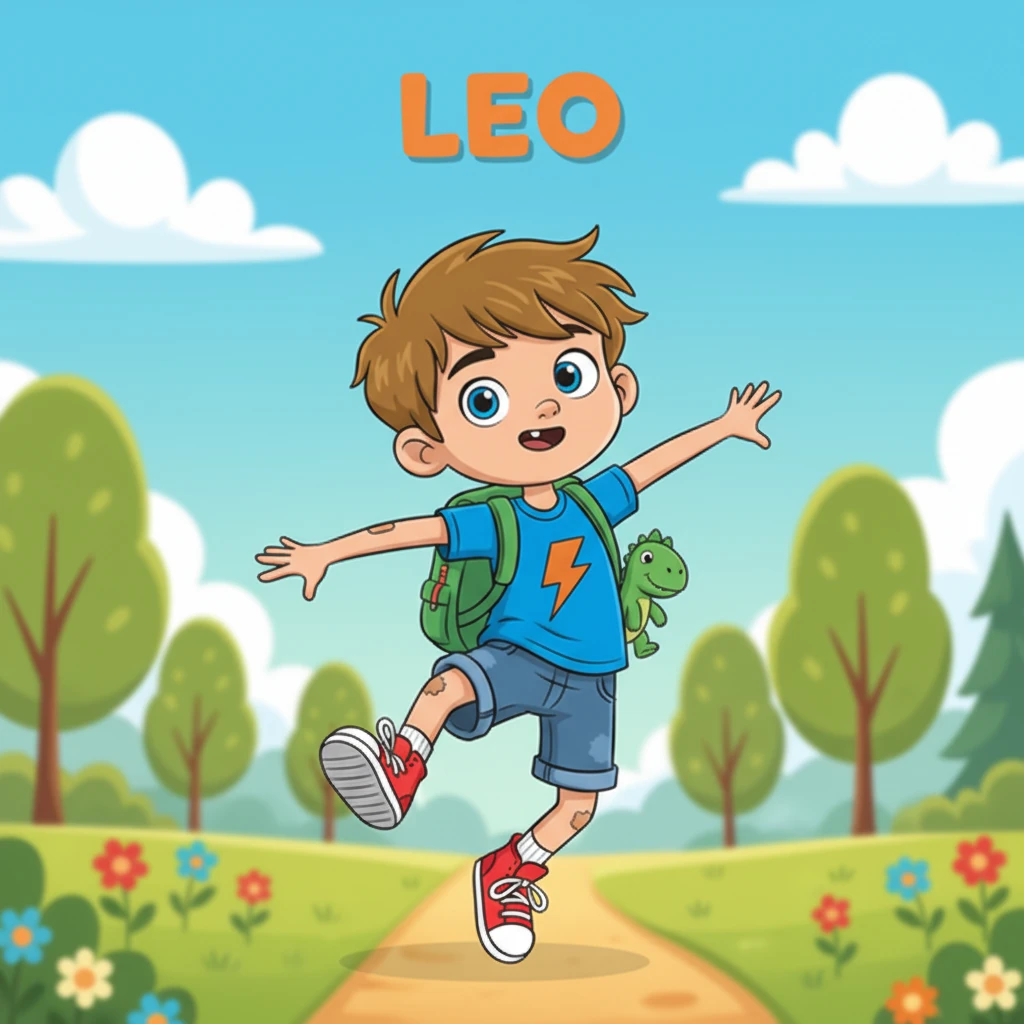
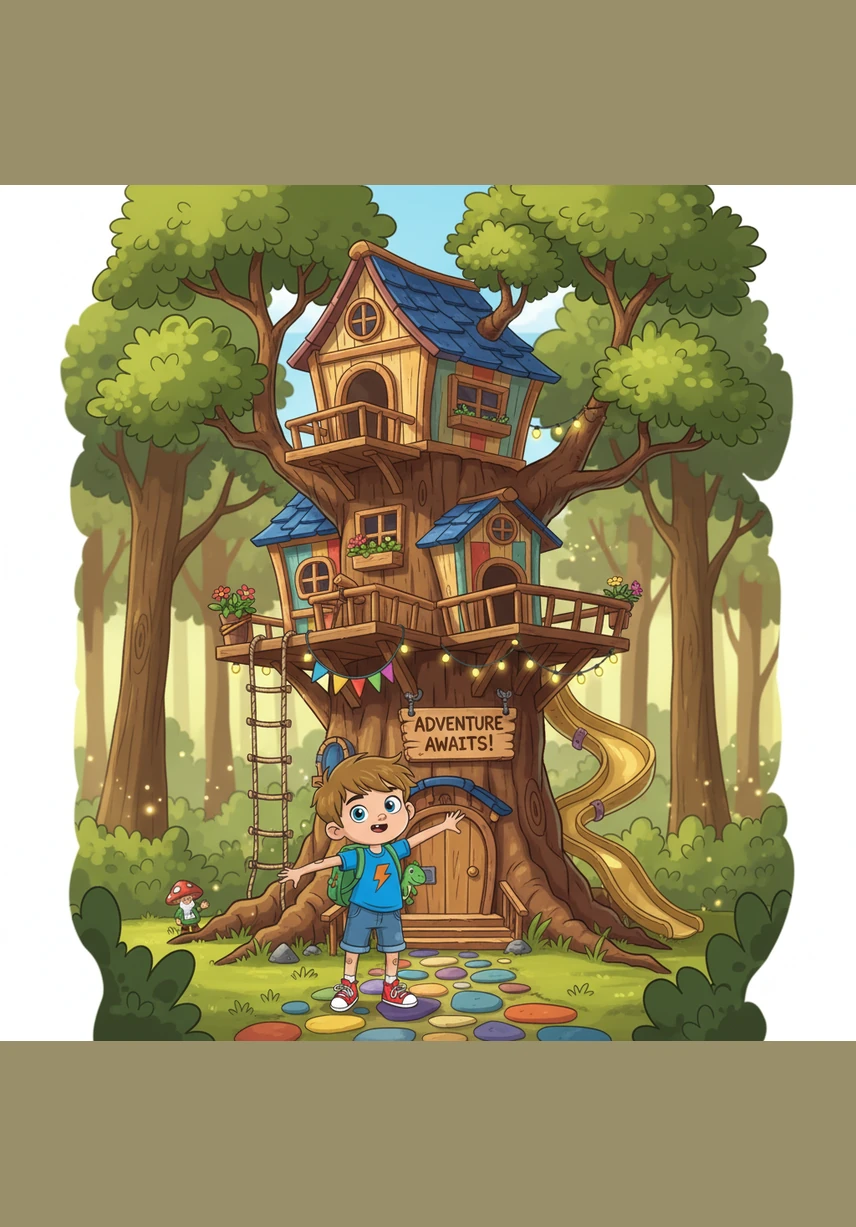
Join young Leo on a magical journey through his 'Heart House,' where emotions arrive as colorful visitors with important messages. This heartwarming interactive guide teaches children that every feeling—from the fiery spark of anger to the soft glow of calm—is a helpful friend that belongs.
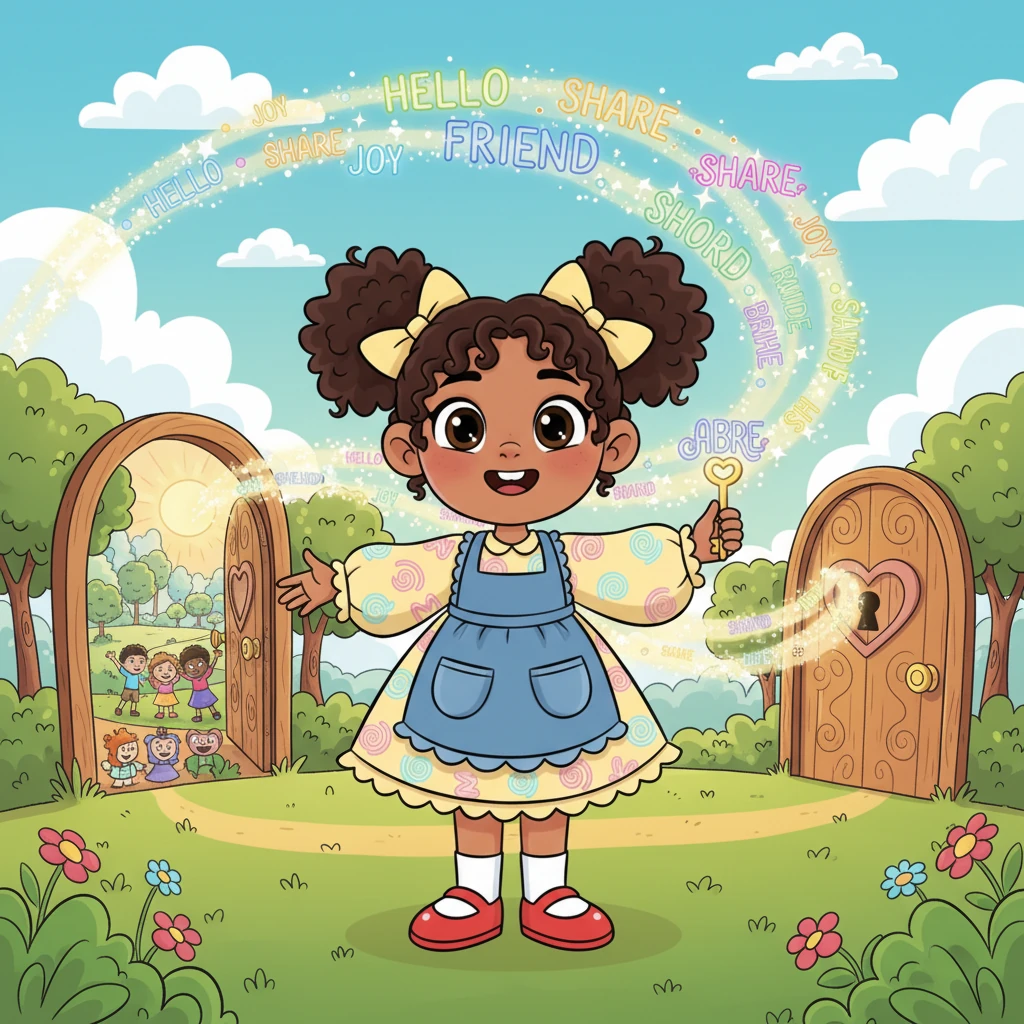
Leo stands in front of a colorful, cozy house representing his heart, holding a small golden key as he looks at the sky. The air is filled with floating, semi-transparent shapes of different colors, all waiting for their turn to come inside and visit.
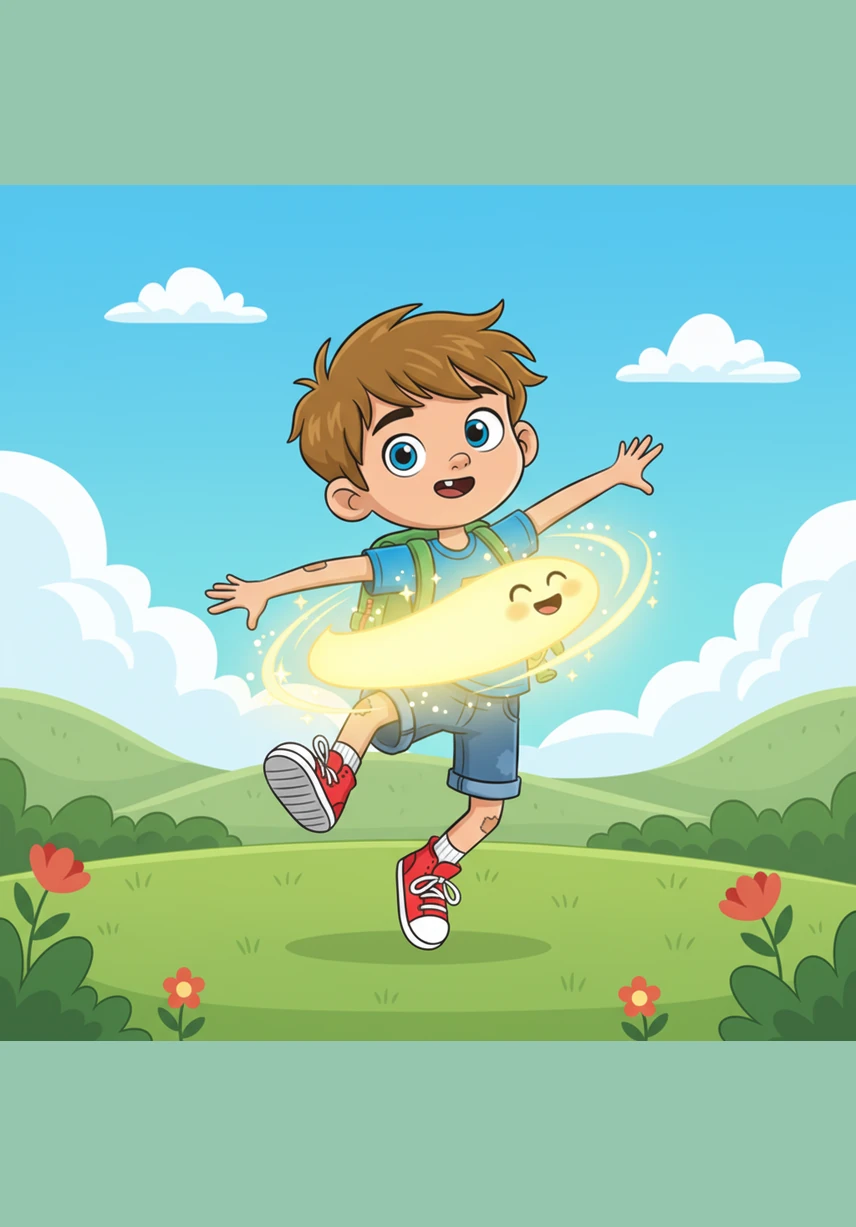
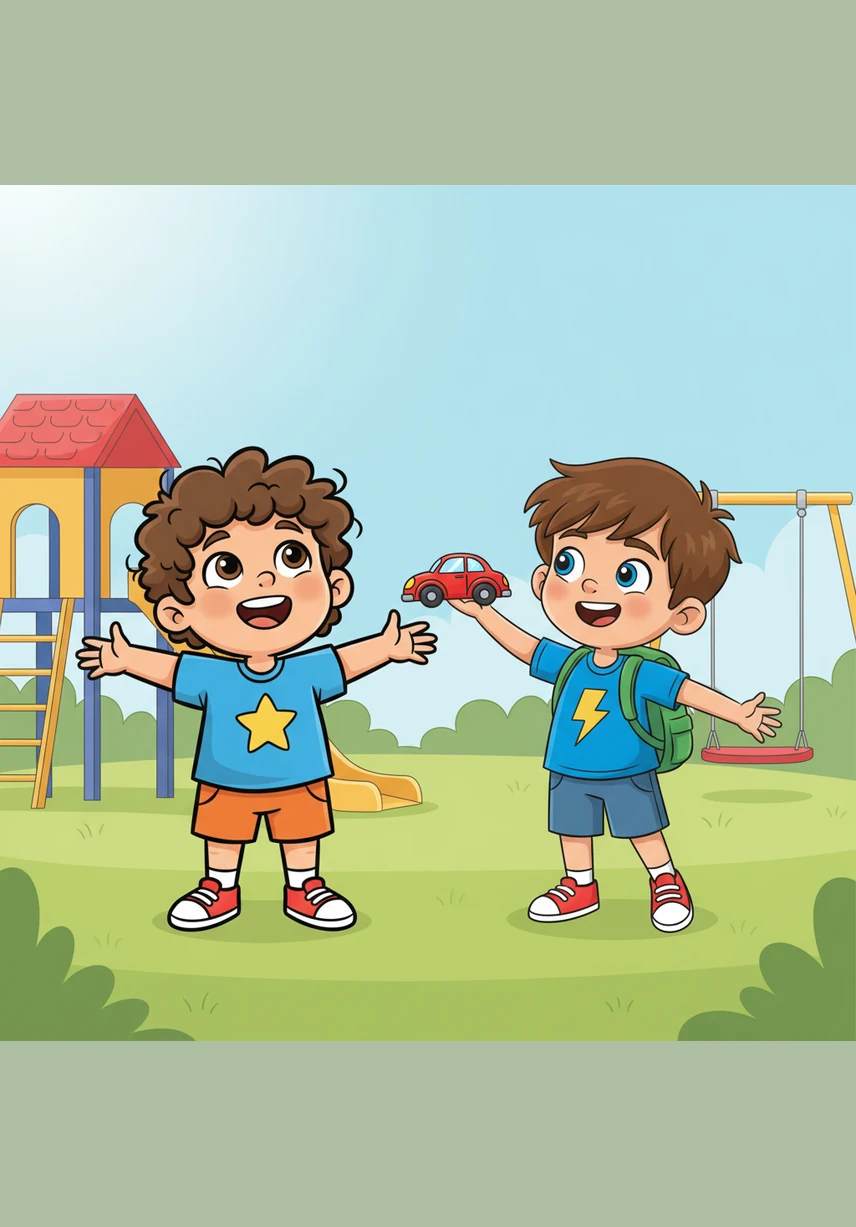
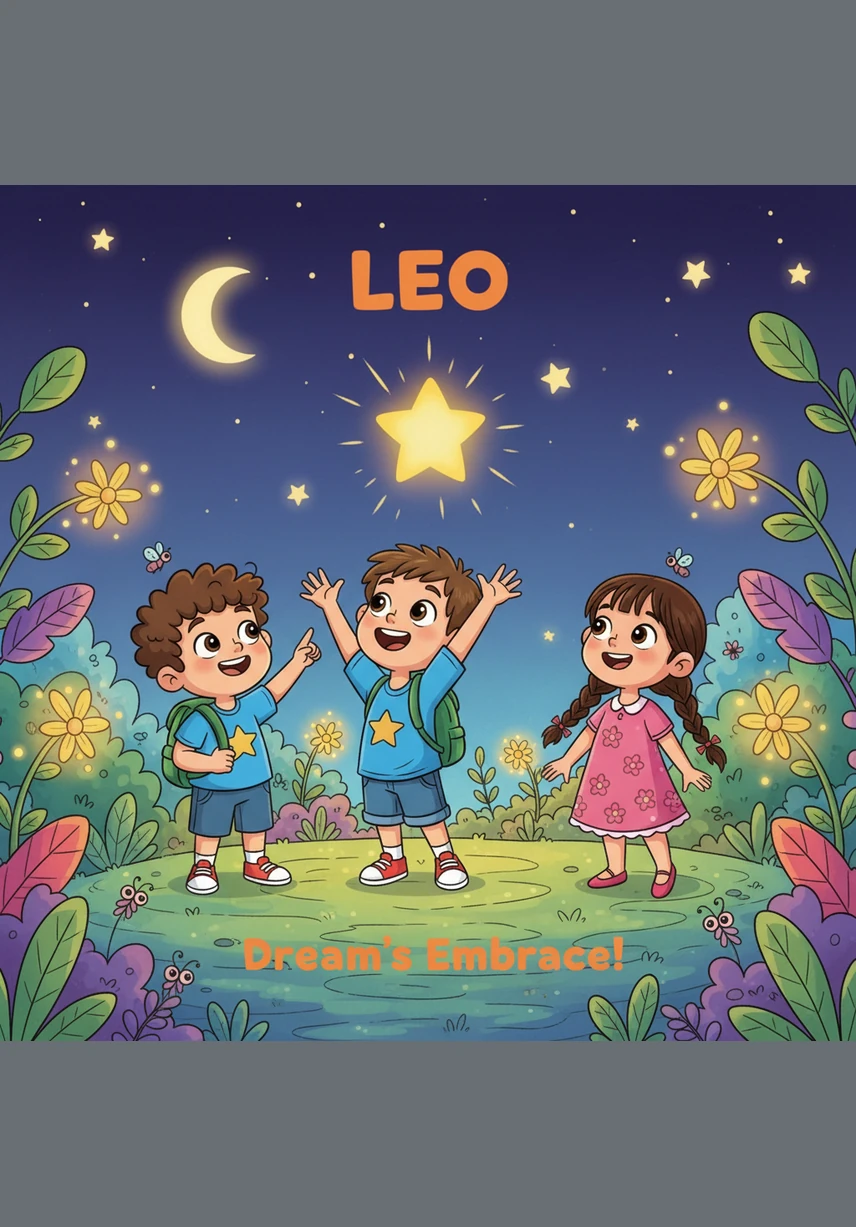
A bright yellow creature shaped like a glowing sunbeam bounces around Leo, making his chest feel warm and light like a summer morning. Leo stretches his arms wide and laughs, realizing that Happiness is telling him to enjoy this beautiful moment and share his smile.
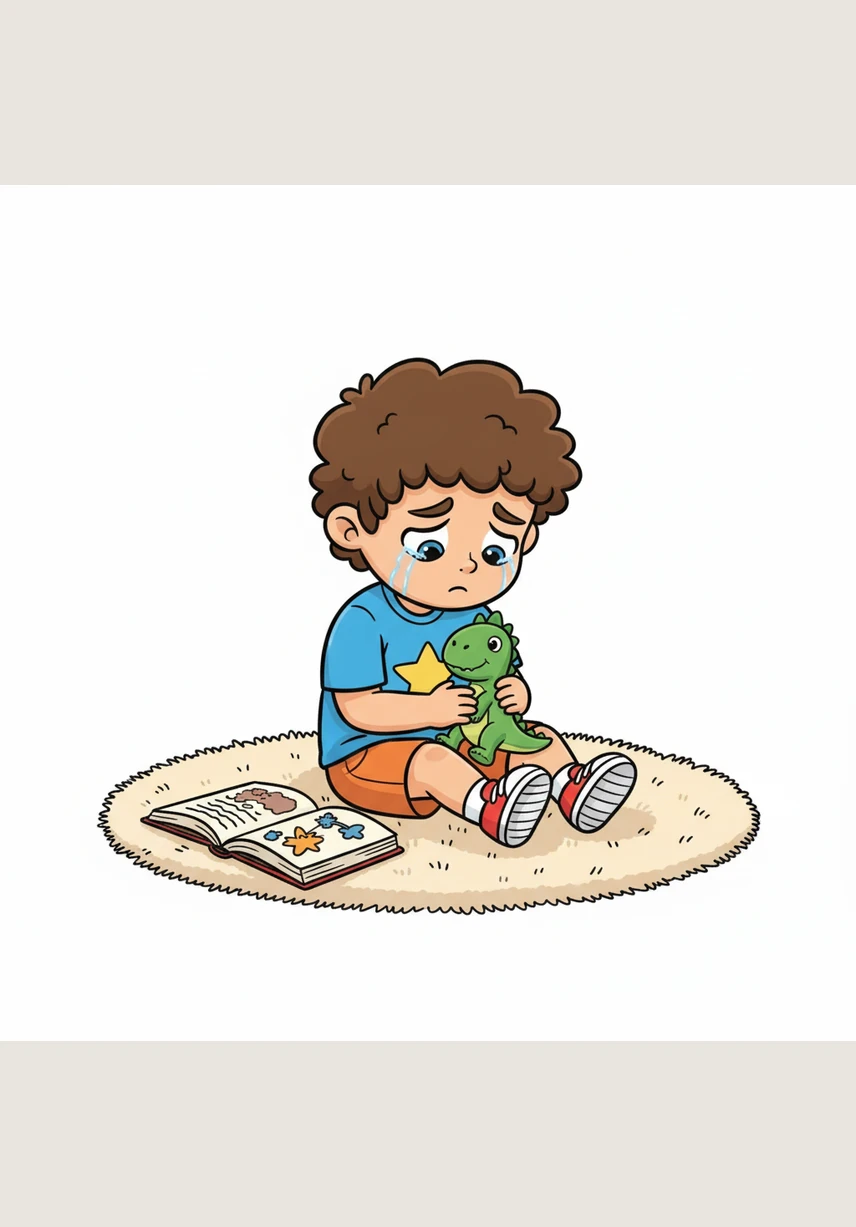
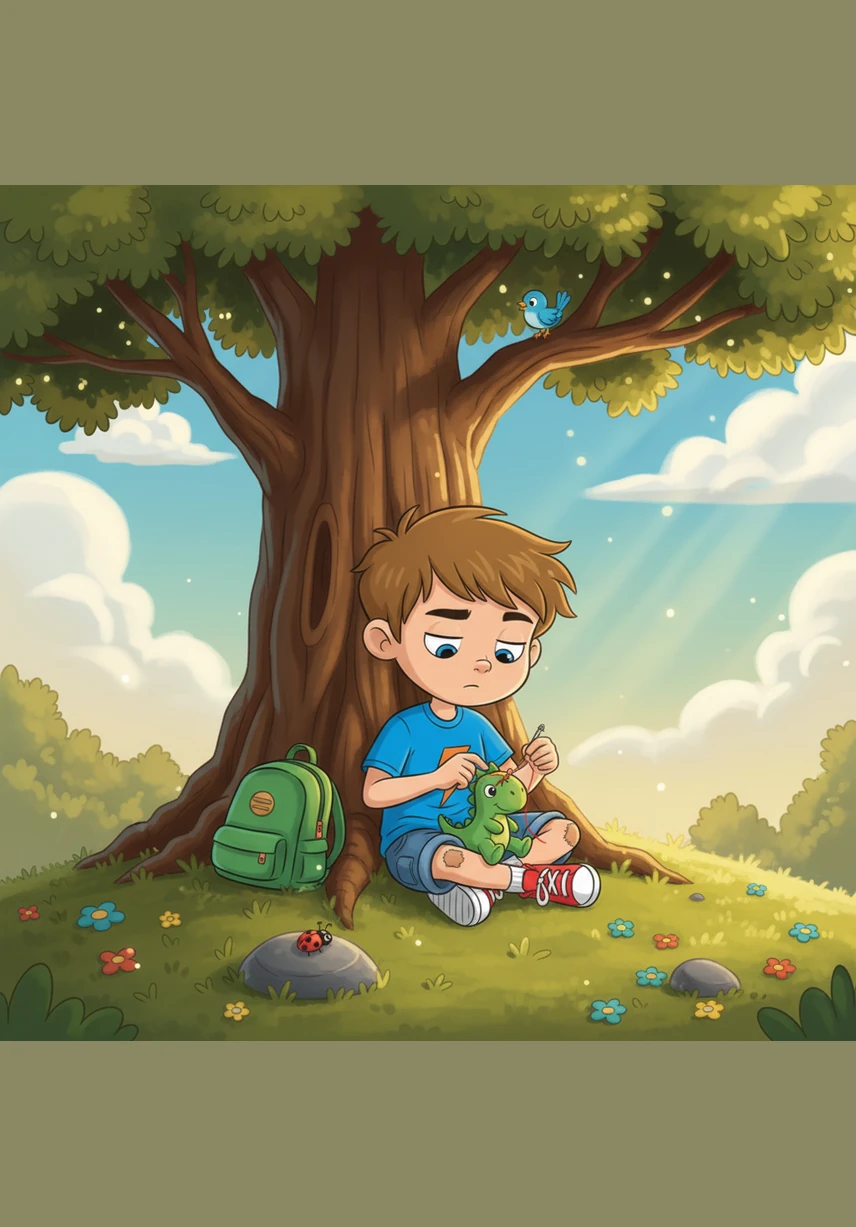
A gentle blue cloud named Sadness floats in, making Leo feel heavy and slow like a quiet, rainy afternoon. He sits quietly on a soft rug and wraps himself in a blanket, learning that it is okay to let out a few tears and ask for a warm hug.
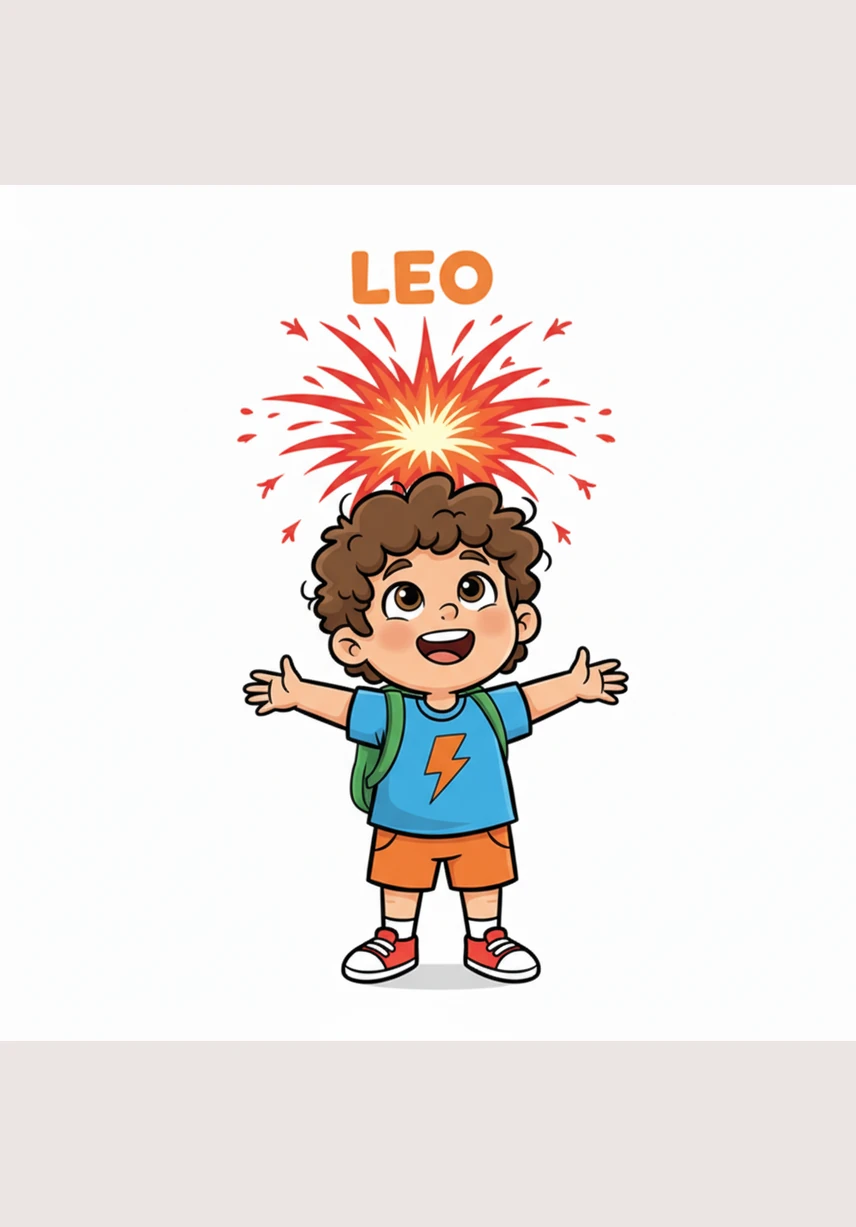
Suddenly, a red, crackling firework named Anger pops up, making Leo’s hands feel tight and his face feel very hot. To help Anger settle down, Leo practices Balloon Breathing, puffing his cheeks out and exhaling slowly to let the fiery heat escape into the air.
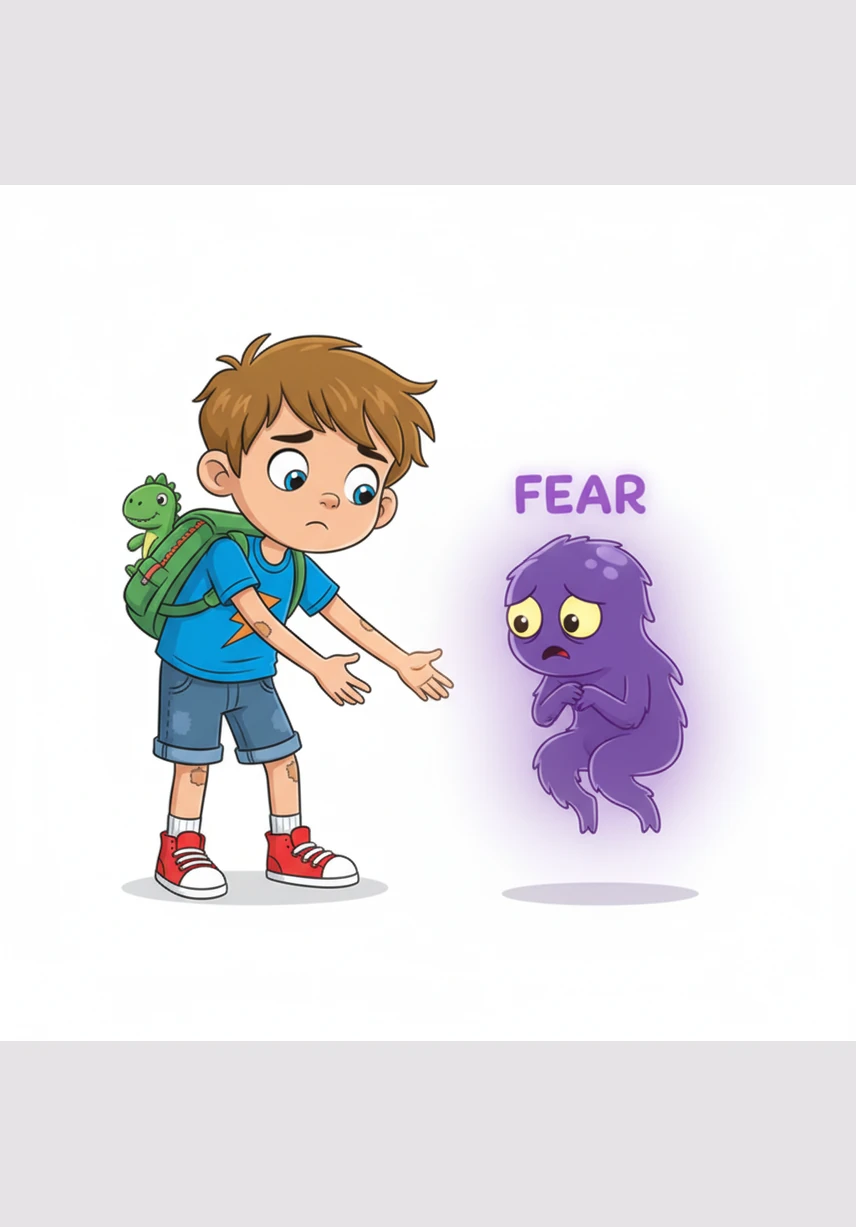
A small, shivering purple shadow named Fear hides behind the curtains, making Leo’s tummy feel like it has cold, fluttering butterflies. Leo reaches out for a trusted hand to hold, learning that Fear is just a messenger trying to keep him safe and alert in new places.
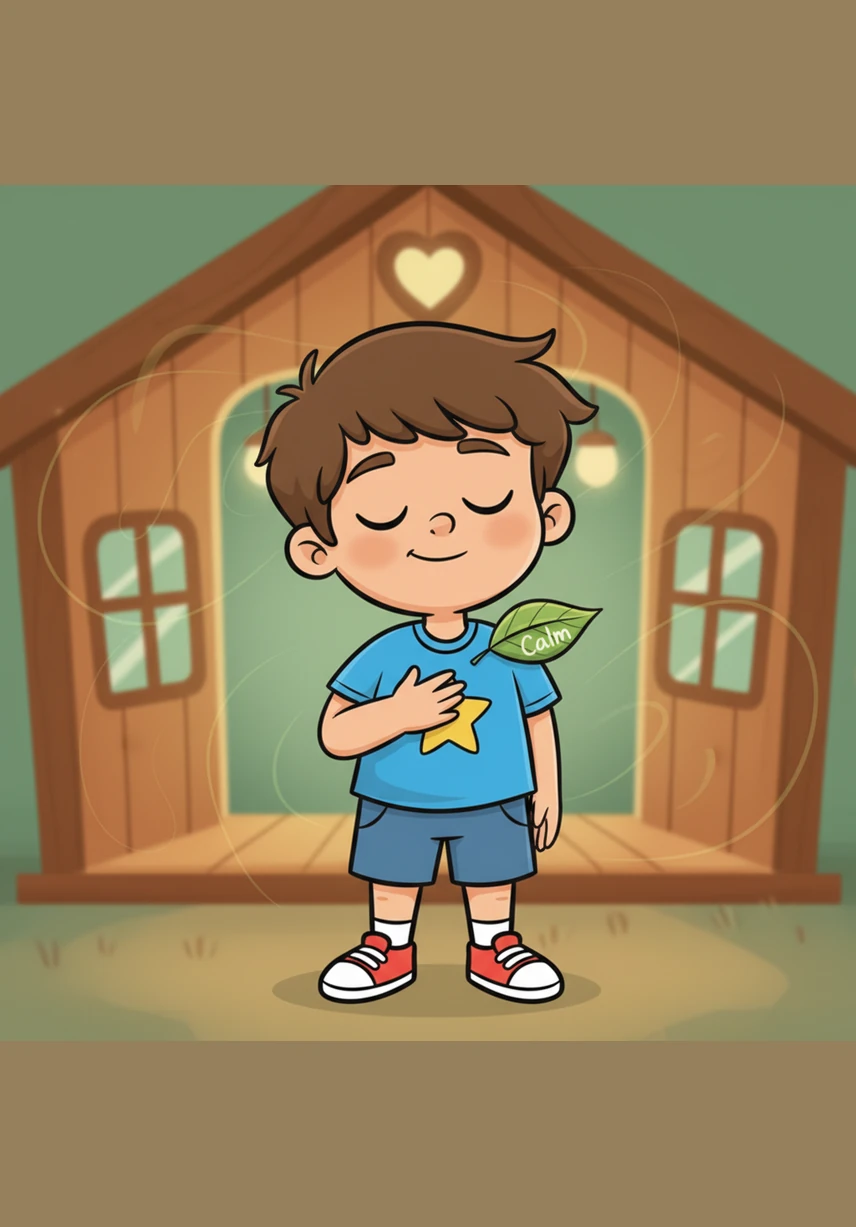
A soft green leaf named Calm drifts onto Leo’s shoulder, bringing a sense of stillness and quiet to the entire Heart House. Leo closes his eyes and listens to his own slow heartbeat, feeling as peaceful as a deep forest after a gentle spring rain.
A little green creature with a wrinkled nose named Disgust points at something messy, making Leo feel a bit yucky and making him want to turn away. Leo learns that Disgust is a helper who tells him when something doesn't feel right or healthy for his body.
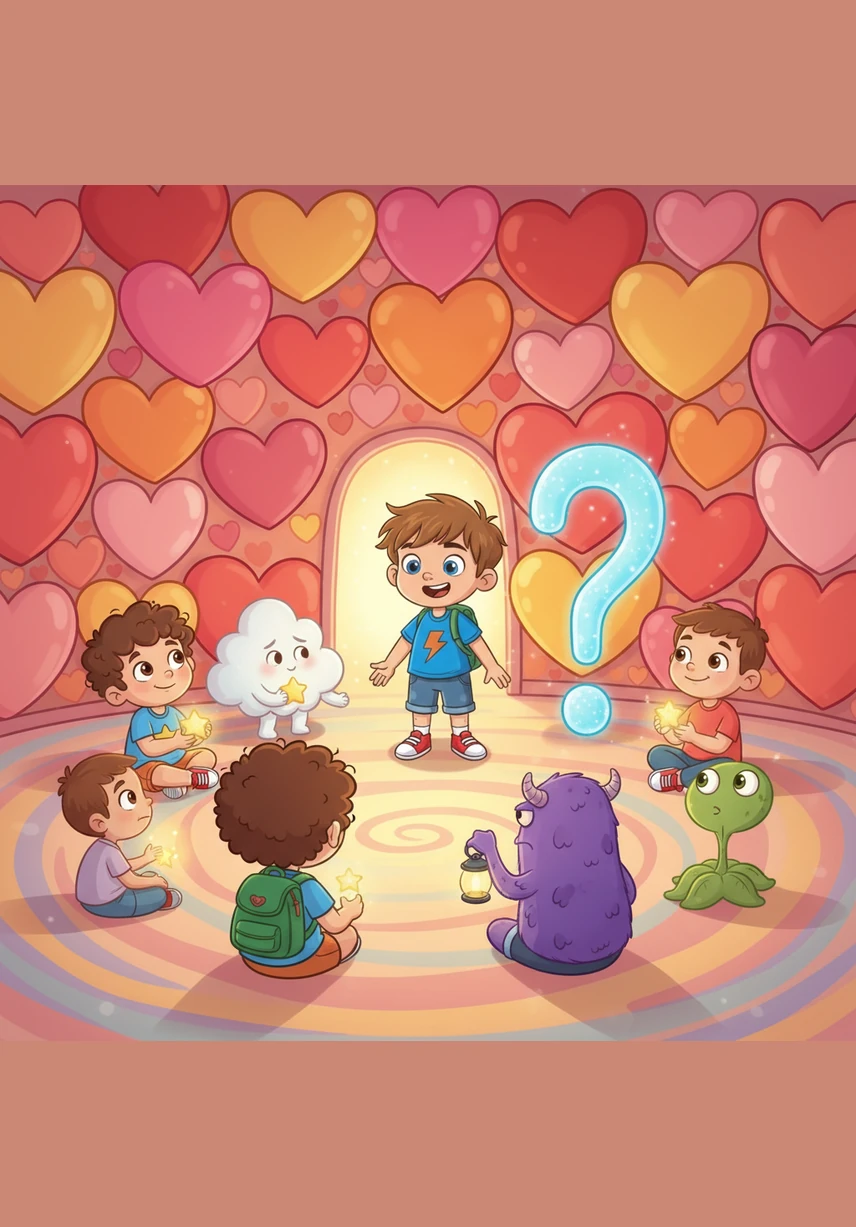
Leo stands in the center of his Heart House, surrounded by all his colorful visitors sitting together in a friendly circle. He realizes that no visitor is ever bad or wrong, and each one brings a special gift or a message just for him to hear.
On a bright page, a large glowing spiral made of shimmering stardust appears for Leo to trace slowly with his finger. As he follows the path from the outside into the center, he feels his mind becoming clear and his body relaxing into a state of balance.
Leo is tucked into his cozy bed, his Heart House glowing softly in the background as the visitors rest peacefully in their own rooms. A final guide reminds parents that every emotion is a visitor worth welcoming, helping Leo feel ready for whatever tomorrow brings.
Generation Prompt(Sign in to view the full prompt)
Design a comprehensive, interactive, and comforting children’s book (for ages 4-8) that helps them identify, understand, and manage their emotions. Core Concept: The book should treat emotions not as "good" or "bad," but as helpful messengers or "visitors" that arrive in our bodies and minds. Structure of the Output: Please provide the following design elements for the book: 1. Title & Character Conception: A catchy, welcoming title (e.g., The Emotion Explorers or My Mind is a Garden). Protagonist: Describe a relatable child character (name, age, appearance). The Concept: Describe how emotions will bepersonified. Choose one approach: Approach A (Color Monsters/Creatures): (e.g., Sadness is a gentle blue cloud; Anger is a red fiery puff). Approach B (Internal Guides): (e.g., little friendly robots inside the brain's control panel). 2. Key Emotions to Cover (Chapters): For each major emotion (Happiness, Sadness, Anger, Fear, Calm, Disgust), provide a one-paragraph summary of how it is introduced. Each introduction must include: The Body Signal: How the emotion feels physically (e.g., butterflies for nervousness, heat for anger). The Message: What is the emotion trying to tell the child? The "Tool" (Copign Strategy): Provide one simple, actionable tool for managing the emotion (e.g., for Anger: "Balloon Breathing"; for Sadness: "A Hug and a Cry"; for Fear: "Ask for a Hand"). 3. Visual Style & Layout (For the Illustrator): Describe the artistic style (e.g., whimsical watercolors, bold digital art, collages). Explain how the colors should change with the emotions to guide the reader visually. Give an example of an interactive element for one page (e.g., "A 'Trace-the-Calm-Spiral' finger activity" or a "Peep-hole to see what Fear is hiding"). 4. Parent/Caregiver Guide: Include a final page with 3-5 specific bullet points for parents on how to read this book with their child to encourage dialogue and validation.