Discover the moving story of a man whose long-held bitterness is slowly melted away by an unseen hand of compassion. This beautifully illustrated watercolor tale explores the profound themes of patience, forgiveness, and the triumph of love over hatred in the historic city of Akká.
During the days that ‘Abdu’l-Bahá lived in the prison-city of ‘Akká, there was a man named Salim who behaved very badly towards Him. Salim thought that ‘Abdu’l-Bahá was not a good man and that God did not care how badly the Bahá’ís were treated.
Salim believed that he was showing love for God by showing hatred to the Bahá’ís. He hated ‘Abdu’l-Bahá with all his heart, a hate that grew and festered inside him, spilling out of him the way water spills out of a broken pot.
In the mosque, when people came to pray, Salim would cry out against ‘Abdu’l-Bahá and say terrible things about Him. His face would twist with anger as he shouted, his voice echoing through the stone halls of the prayer house.
When Salim passed ‘Abdu’l-Bahá on the street, he would hastily cover his face with his robe so that he would not have to see Him. He would turn his head away sharply, refusing to catch even a glimpse of the man he despised.
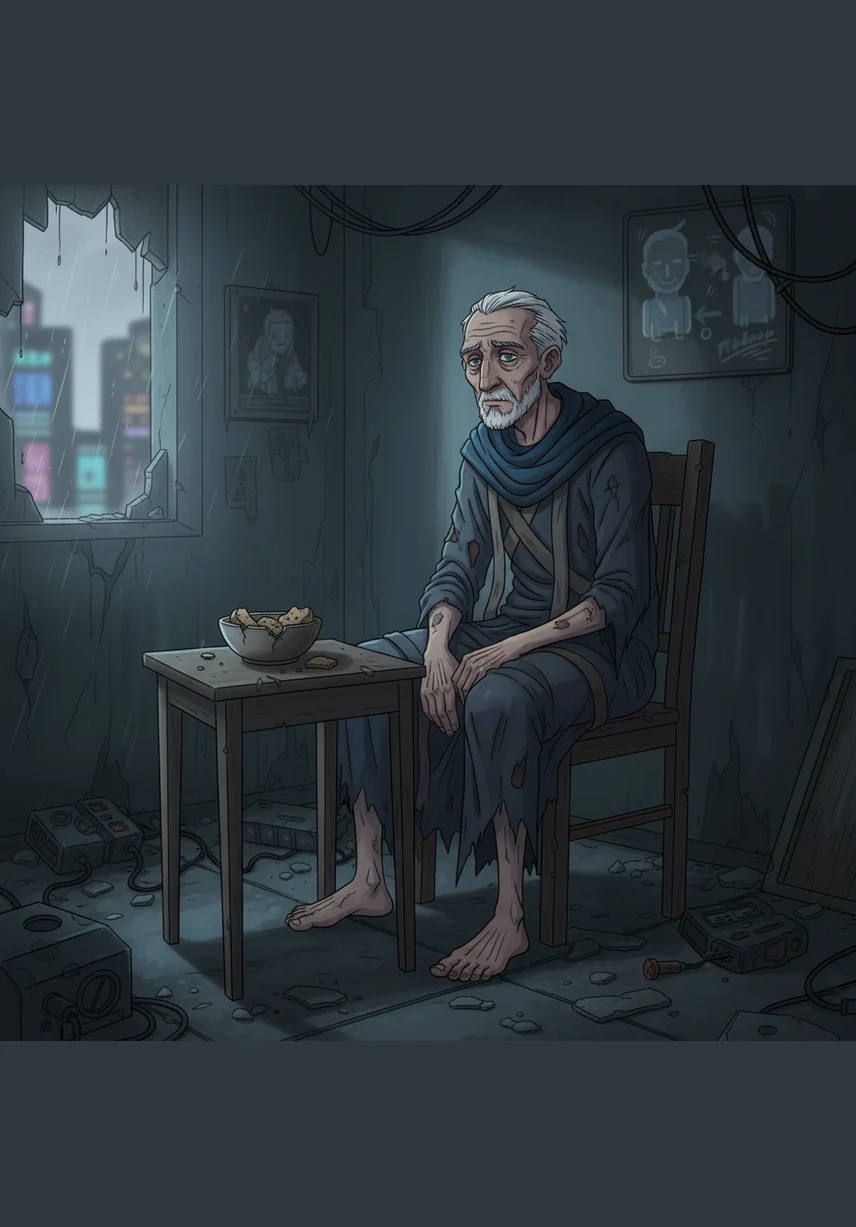
Despite his pride, Salim was very poor and had neither enough to eat nor warm clothes to wear. He sat in his cold, crumbling house looking sad and depressed, staring at a nearly empty table with only a few scraps of food.
Even though Salim was unkind, ‘Abdu’l-Bahá showed him constant kindness, sending him food and clothes to ensure he was taken care of. Salim looked stunned as he opened his door to find a basket of fresh bread and a warm new cloak left for him.
One winter, Salim became very ill and was unable to leave his bed. ‘Abdu’l-Bahá sent a doctor to his home, paid for all his medicine, and provided him with nourishing food to help him recover his strength.
Salim accepted the gifts but refused to show any thanks; as the doctor reached out to take his pulse, Salim used his other hand to cover his face. He remained stubborn and silent, refusing to look upon the one who was helping him.
And then, after twenty-four long years, Salim’s heart finally changed and he was overcome with emotion. He knelt on the ground with a heavy heart and tears flowing down his face like twin rivers, begging for forgiveness for all the evil he had done.
The bitterness that had lived in Salim for decades finally vanished, replaced by a deep sense of gratitude. His expression became calm, peaceful, and reverent as the great power of love finally triumphed over his hatred.
Generation Prompt(Sign in to view the full prompt)
Create a semi-realistic in watercolour children story book for 6-10 years old. Use the same exact text given as the text for the story book without the figure of Abdul-Baha depicted. Ensure the man is the same person in the illustration throughout the book. Text: During the days that ‘Abdu’l-Bahá lived in the prison-city of ‘Akká, there was a man who behaved very badly towards Him. He thought that ‘Abdu’l-Bahá was not a good man and that God did not care how badly the Bahá’ís were treated. In fact, he believed that he was showing love for God by showing hatred to the Bahá’ís. He hated ‘Abdu’l-Bahá with all his heart. That hate grew and festered inside him, sometimes spilling out of him the way water spills out of a broken pot. Image 1: The man in his 50’s with a hateful expression with an image of the water spilling out of a broken pot. Text: In the mosque, when people came to pray, this man would cry out against ‘Abdu’l-Bahá and say terrible things about Him. When he passed ‘Abdu’l-Bahá on the street, he would cover his face with his robe so that he would not see Him. Image 2: The man covers his face with his robe hastily upon seeing something Text 3: Now, this man was very poor and had neither enough to eat nor warm clothes to wear. What do you think ‘Abdu’l-Bahá did? Image 3: The man with his poor house condition looking sad, depressed with little food on the table and poorly dressed Text 4: He showed him kindness, sent him food and clothes, and made sure he was being taken care of. For example, once when this man became very ill, ‘Abdu’l-Bahá sent him a doctor, paid for his medicine and food, and also gave him some money. Image 4: The man in his poor house condition opening the door to let the doctor come in his house. Text 5: He accepted the gifts from ‘Abdu’l-Bahá, but did not thank Him. Indeed, he held out one hand to the doctor to take his pulse, and with the other hand, covered his face so that he would not have to look upon the countenance of ‘Abdu’l-Bahá. And so it went for many long years. Image 5: The man letting the doctor take his pulse and the other hand covering his face inside the poor condition house Text 6: And then, one day, the man’s heart finally changed. He came to ‘Abdu’l-Bahá’s house, fell at His feet and with a very heavy heart and tears flowing down his face like twin rivers, cried, “Forgive me, Sir! For twenty-four years I have done evil to You. For twenty-four years You have shown only goodness to me. Now I know that I have been wrong. Please forgive me!” Image 6: The man with heavy heart with tears flowing down his face, kneeling & begging for forgiveness Text 7: Thus did the great love of ‘Abdu’l-Bahá triumph over hatred. Image 7: The man facial expression is calm peaceful and reverent, free of hatred.