Join Professor Pixel on an exciting journey into the world of specialized translation! Discover how smart AI technology helps expert linguists work faster and more accurately, connecting people across the globe with precision and trust. This captivating story simplifies complex ideas of digital transformation, showing how innovation can solve big problems and create a brighter, more connected future for everyone.
Professor Pixel, a friendly, sleek robot with a glowing electric blue core, stands proudly beside a bold, simplified logo for “SigmaFi Translate.” Digital neural flow lines in blue and white radiate from the logo across a charcoal background, suggesting connectivity and intelligence. The scene is clean and authoritative, yet playful, introducing a smart new way to handle special translations with wonder and clarity.
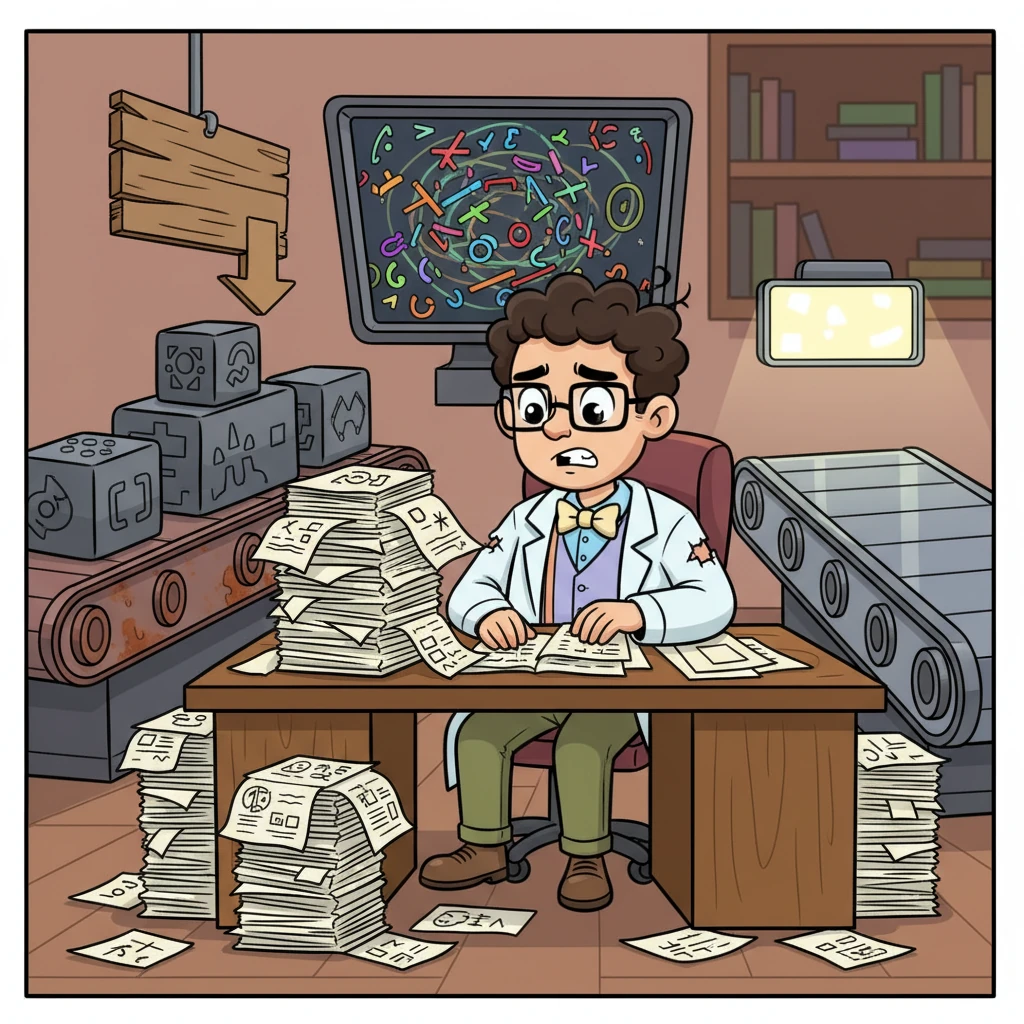
A cartoon human translator, looking slightly overwhelmed, sits at a desk piled high with papers and complex-looking foreign documents. Their computer screen shows jumbled text. A slow, clunky conveyor belt with a “CAT-tool workflow” label moves sluggishly, contrasting with a sleek, empty lane labeled “AI pipeline,” highlighting that traditional translation methods are slow and can't keep up with big demands.
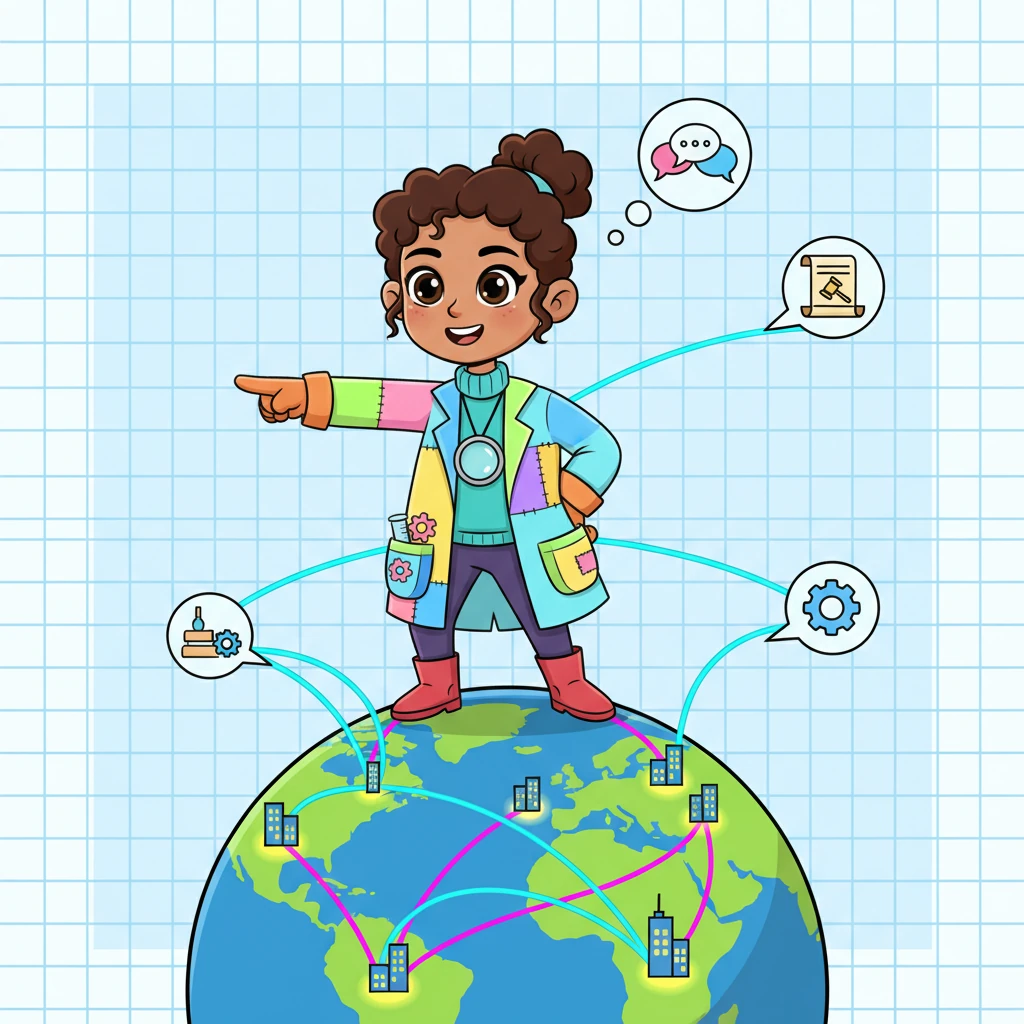
Professor Pixel stands on a cartoon globe, pointing to various glowing cities connected by bright, flowing lines representing global communication and regulations. Small thought bubbles above the cities show symbols for different languages and legal documents. The background is a calm, structured grid, showing that the world needs fast, accurate translation more than ever, and AI is ready to help.
Professor Pixel stands confidently, holding a glowing lightbulb that projects four clear, simple icons: a stopwatch for speed, a magnifying glass for precision, a handshake for trust, and a shield for compliance. The background is a clean, minimalist space, emphasizing the clarity of the vision. SigmaFi Translate offers speed, precision, trust, and compliance for every translation.
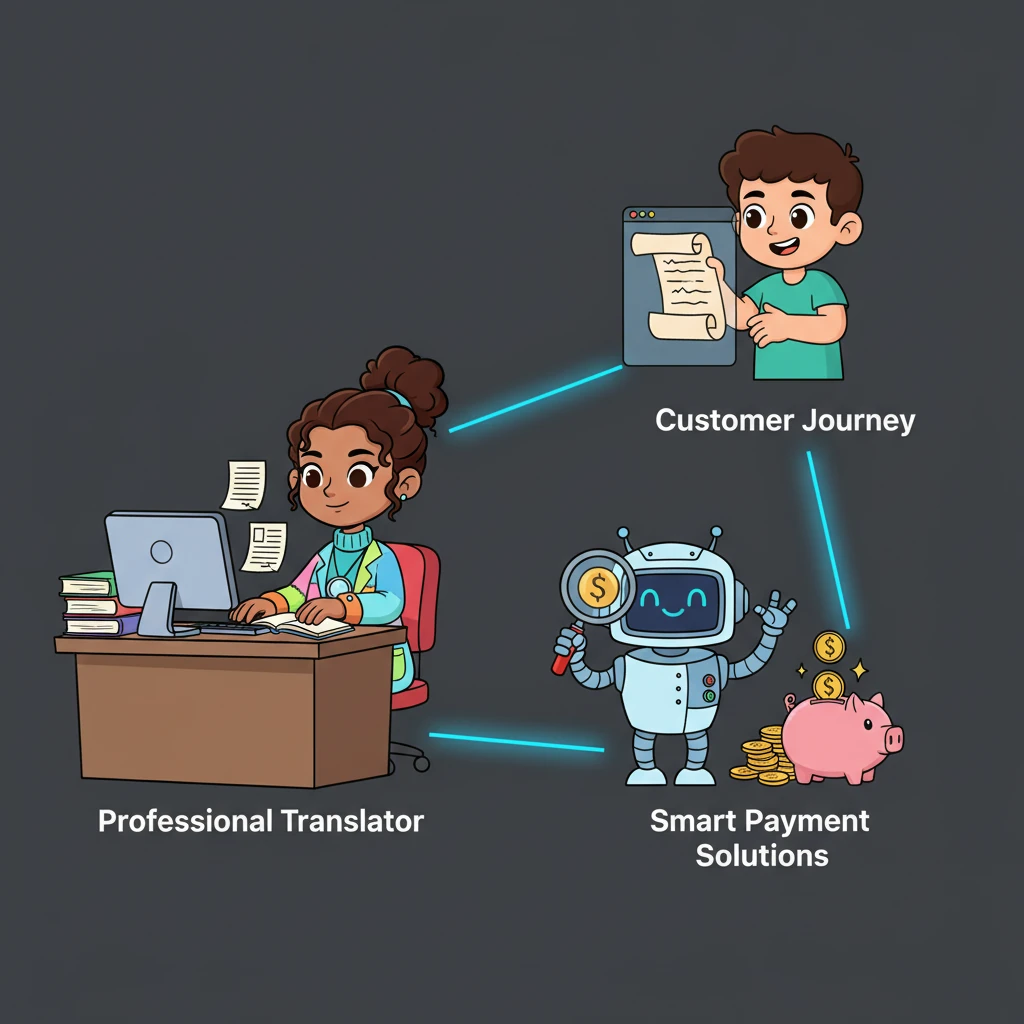
A playful, modular diagram shows three interconnected cartoon elements: a diligent “Professional Translator” character, a clever “Smart Payment Solutions” robot happily counting coins, and a cheerful “Customer Journey” character receiving a perfectly translated document. Electric blue lines connect these modules on a dark gray background. SigmaFi connects expert translators, smart payments, and happy customers seamlessly, making the solution elegant and efficient.
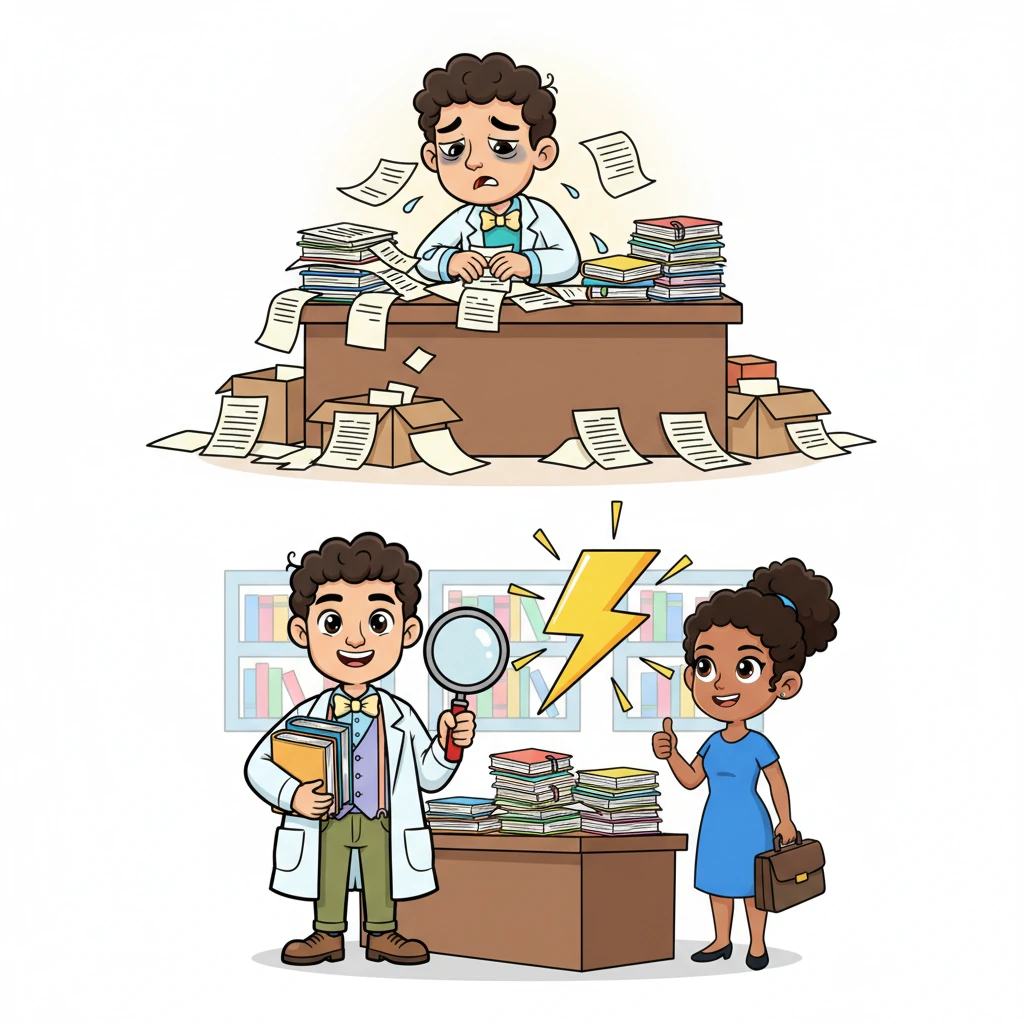
A split screen shows a 'before' side with the overwhelmed translator from Scene 2, looking tired, and an 'after' side with the same translator smiling, documents neatly stacked, and a lightning bolt symbol for speed. A cheerful customer character gives a thumbs-up. SigmaFi makes translation faster, more accurate, and brings in more happy customers, showcasing tangible, positive impact.
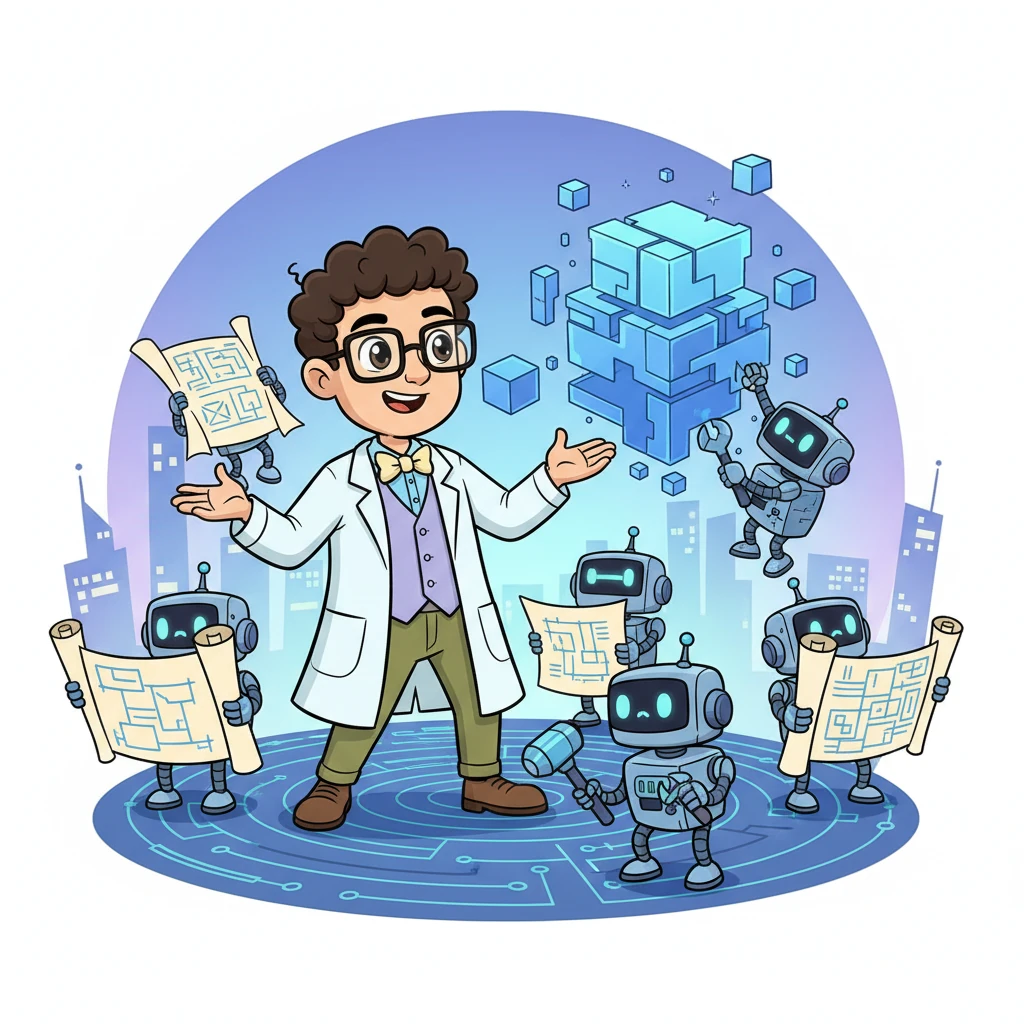
Professor Pixel is seen directing a team of small, busy worker robots, some holding blueprints labeled “PM2” for structured planning and others using tools to build a digital structure with “Scrum” labels for agile development. The scene emphasizes teamwork and structured progress, building SigmaFi with careful planning and smart, iterative development.
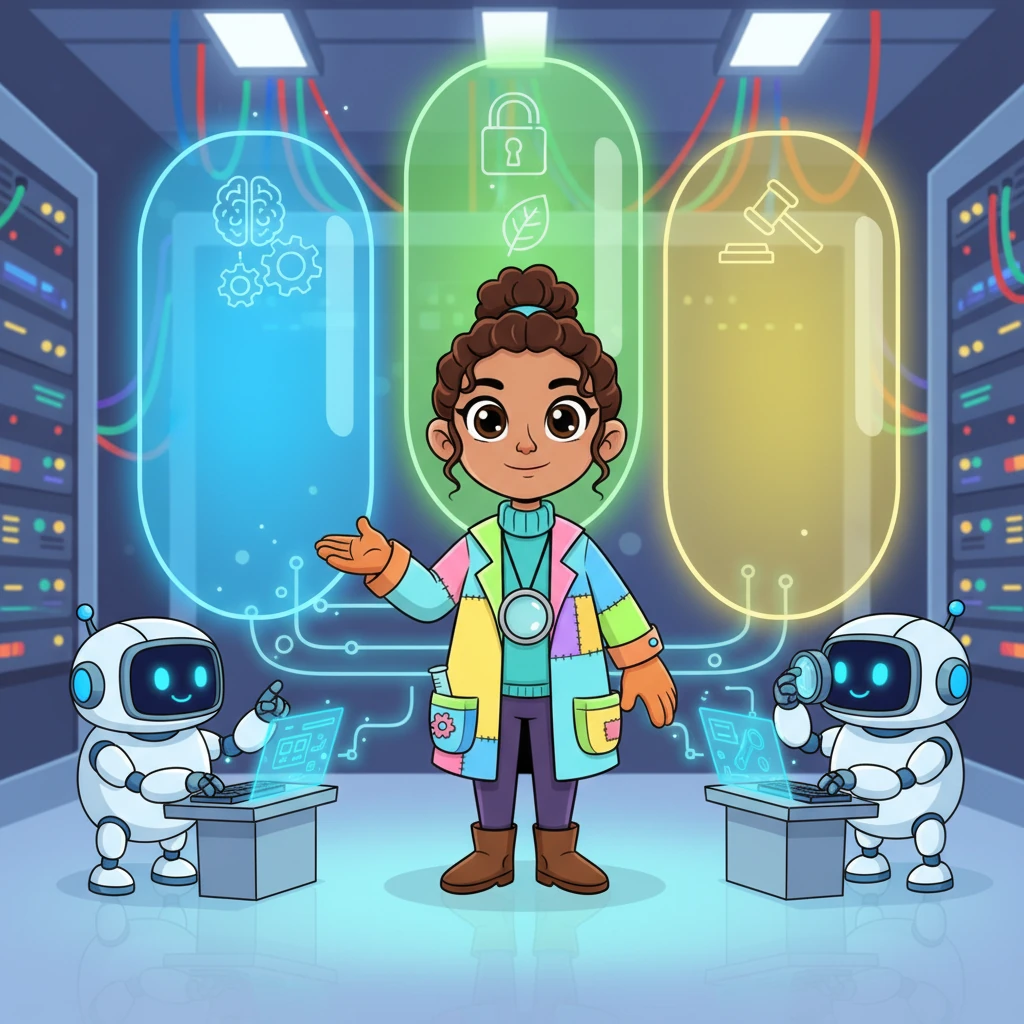
Professor Pixel stands in front of three glowing protective shields labeled “AI Talent,” “Data Privacy,” and “Legal Compliance.” Friendly cartoon security guards (robots) are shown diligently monitoring data flows. The overall mood is one of safety and vigilance, as we carefully manage risks like data privacy and legal rules to keep everything secure.
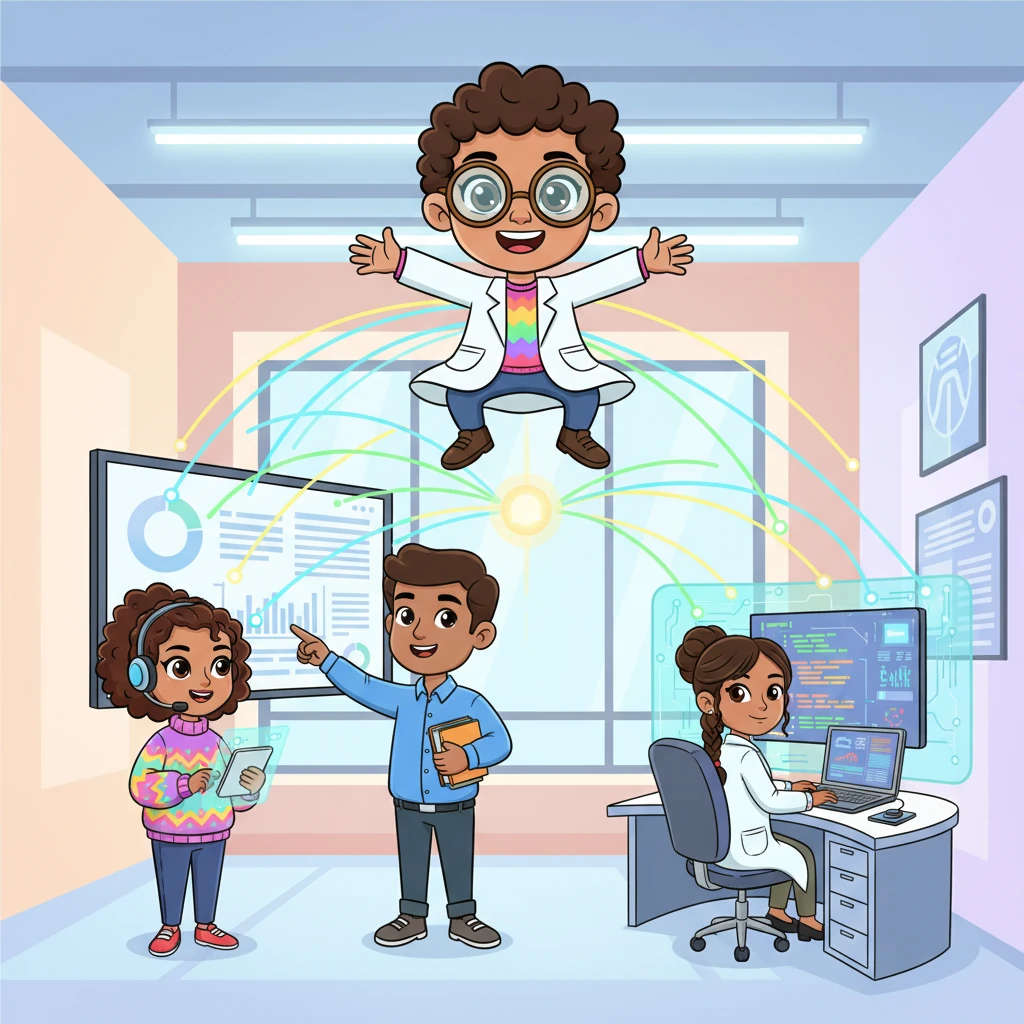
A diverse group of smiling cartoon characters (translators, project managers, tech experts) work together in a bright, modern digital workspace, collaborating seamlessly. Professor Pixel oversees them, beaming. Digital lines connect them, symbolizing efficient communication and new roles. SigmaFi brings people, technology, and good governance together for lasting success.
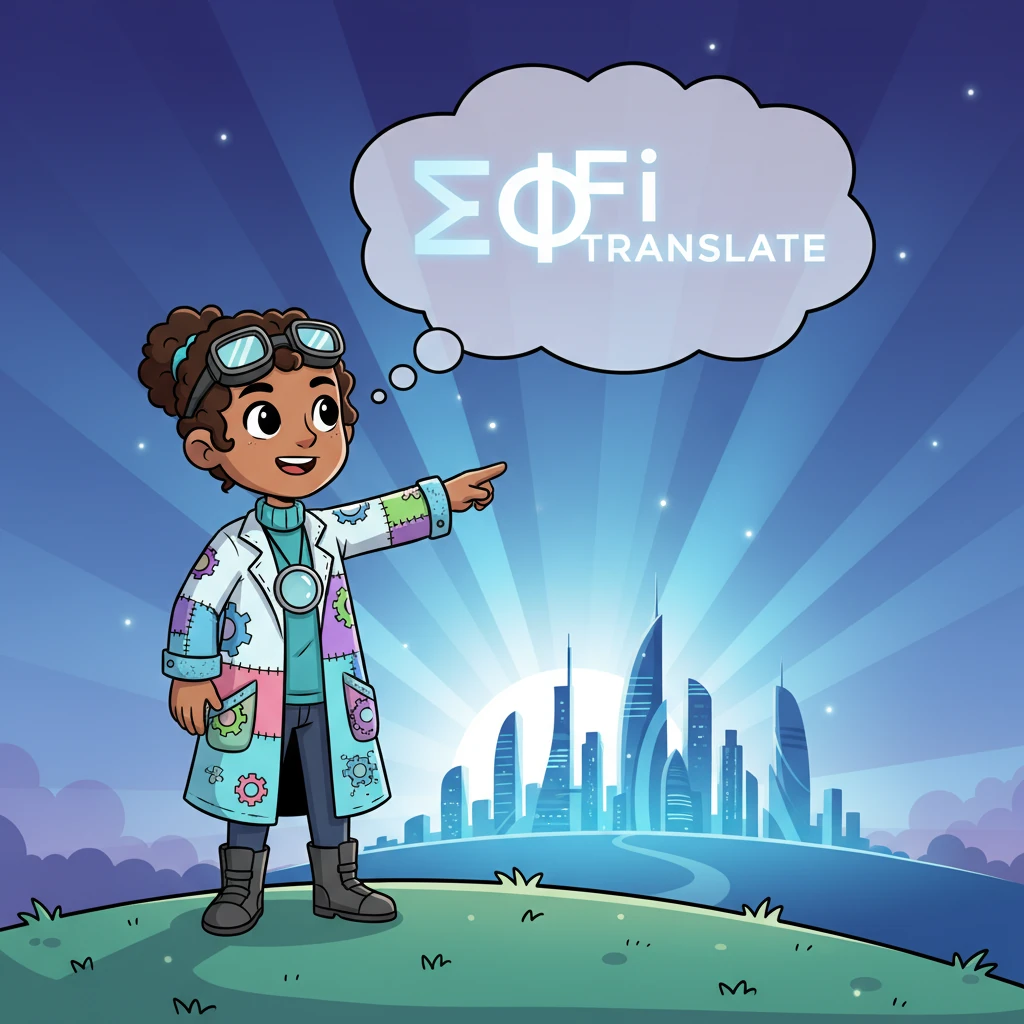
Professor Pixel stands on a hill, looking out at a horizon where a stylized “SigmaFi Translate” logo glows brightly over a futuristic city. The sun rises, casting electric blue and white light. The message “This is not automation. This is transformation.” appears as a subtle, powerful thought bubble above Professor Pixel, leaving a lasting impression of visionary leadership and profound impact.
Generation Prompt(Sign in to view the full prompt)
Create an exceptionally polished, cinematic, and academically rigorous storyboard for a Master’s Final Project Jury, based on the project “SigmaFi Translate – AI-Driven Digital Transformation in Specialized Translation.” The storyboard must strictly preserve the same design language, visual hierarchy, tone, and aesthetics as a premium business school / executive consulting presentation, aligned with PM2 methodology, Agile–Scrum execution, and AI innovation narratives. Visual & Aesthetic Direction Minimalist, high-contrast corporate design Clean typography, structured grids, executive white space Color palette: deep charcoal / black, white, graphite gray, metallic accents, subtle electric blue highlights Visual style inspired by McKinsey / BCG / EU Commission / top-tier MBA capstone decks No clutter, no gimmicks — every frame must feel jury-grade, credible, and strategic Narrative Tone Confident, analytical, visionary, and precise Speak to an academic jury + senior executives Emphasize decision-making, transformation logic, and measurable impact Avoid marketing hype; focus on strategy, governance, value creation Storyboard Structure (Sequential Frames) Frame 1 – Opening Impact Strong title moment: “SigmaFi Translate” Subtitle: AI-Driven Transformation of Specialized Translation Visual metaphor: digital neural flow + structured enterprise architecture Mood: authority, innovation, credibility Frame 2 – The Problem (AS-IS Reality) Visual comparison of manual CAT-tool workflows vs. modern AI pipelines Key metrics subtly embedded: 1,000–1,100 words/sec 86–90% accuracy High human dependency Message: scalability, cost, and competitiveness are constrained Frame 3 – Strategic Opportunity Globalization + regulatory complexity + AI maturity Show market pressure and opportunity convergence Visual rhythm remains calm, structured, executive Frame 4 – Vision & Strategic Intent SigmaFi Translate as a transformation lever, not a tool Positioning: speed, precision, trust, compliance Visual clarity: one strong idea per frame Frame 5 – The Solution Architecture High-level visualization of the trisectorial algorithm Professional Translator Smart Payment Solutions Customer Journey Clean modular layout, enterprise-grade architecture look Frame 6 – Value Creation Logic Show cause-and-effect: automation → efficiency → growth KPIs appear discretely but clearly 2,000 words/sec 100% critical accuracy −40% cycle time +25% customer portfolio Frame 7 – Methodological Excellence Hybrid governance visualization PM2 for control and compliance Scrum for AI development and iteration Emphasize European project rigor Frame 8 – Execution Roadmap 12-month timeline, structured phases, milestone logic No cluttered Gantt charts — elegant, readable sequencing Reinforce feasibility and control Frame 9 – Risk & Control Show proactive risk governance AI talent Data privacy Legal compliance Visual language: stability, mitigation, confidence Frame 10 – Organizational Transformation People + technology + governance alignment New roles, adoption, and change management Emphasize sustainability beyond launch Frame 11 – Final Value Proposition SigmaFi Translate as a competitive moat Digital leadership in a regulated niche Financial, operational, and reputational impact Frame 12 – Closing Statement Calm, powerful conclusion Message: “This is not automation. This is transformation.” Leave the jury with confidence, clarity, and conviction Output Requirements Each frame must include: Visual intent description Key message (1 sentence) Emotional and strategic objective Maintain absolute consistency across frames The storyboard must feel ready to be converted directly into a final jury presentation or cinematic explainer Absolute Constraints No cartoon styles No flashy animations No startup-style informality Everything must feel executive, academic, and defensible Deliver the best possible storyboard as if it will be evaluated by professors, external examiners, and senior industry professionals.