Join Trix the Triceratops on a journey of self-discovery! This heartwarming story explores the ups and downs of big feelings in a gentle, prehistoric world. With beautiful illustrations and a reassuring message, 'Trix and the Terrible, Horrible, No Good, Very Bad Day' teaches children how to understand and manage their emotions, fostering resilience and a love for themselves.
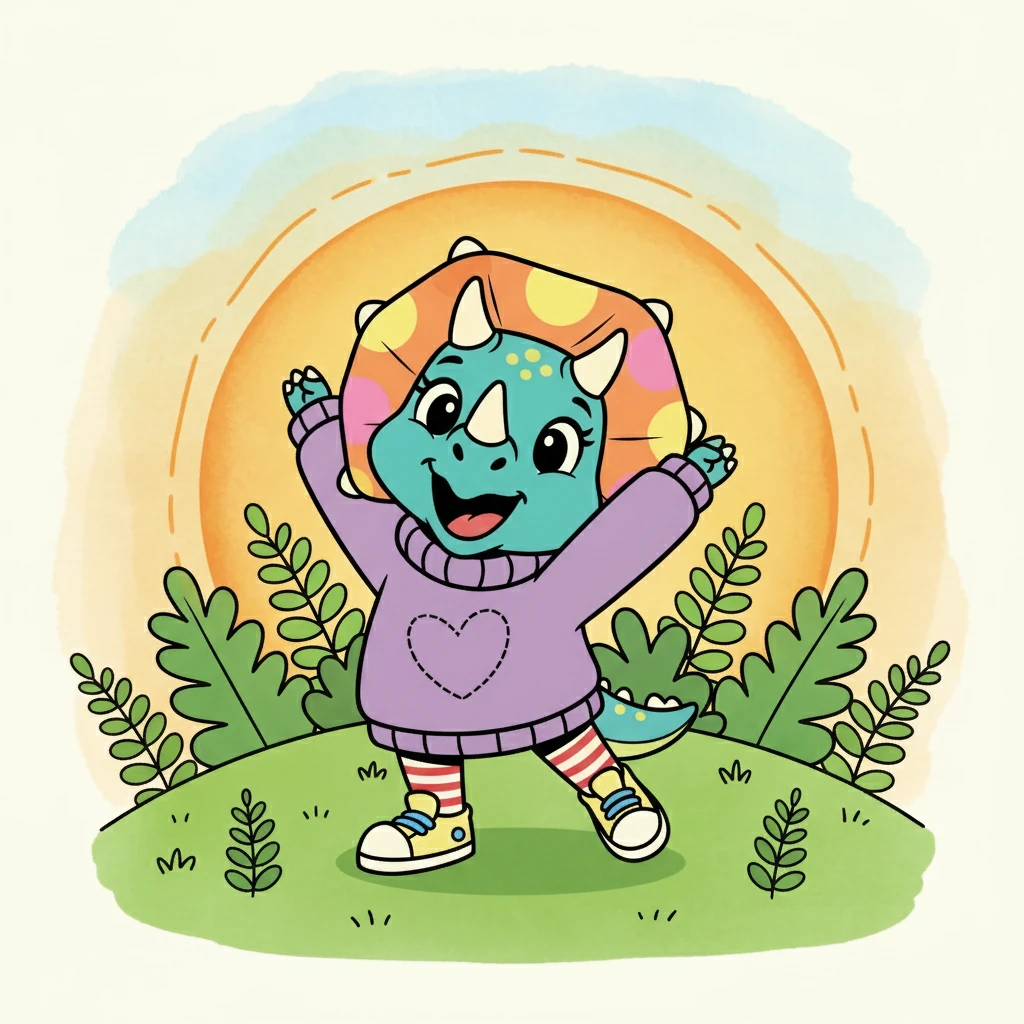
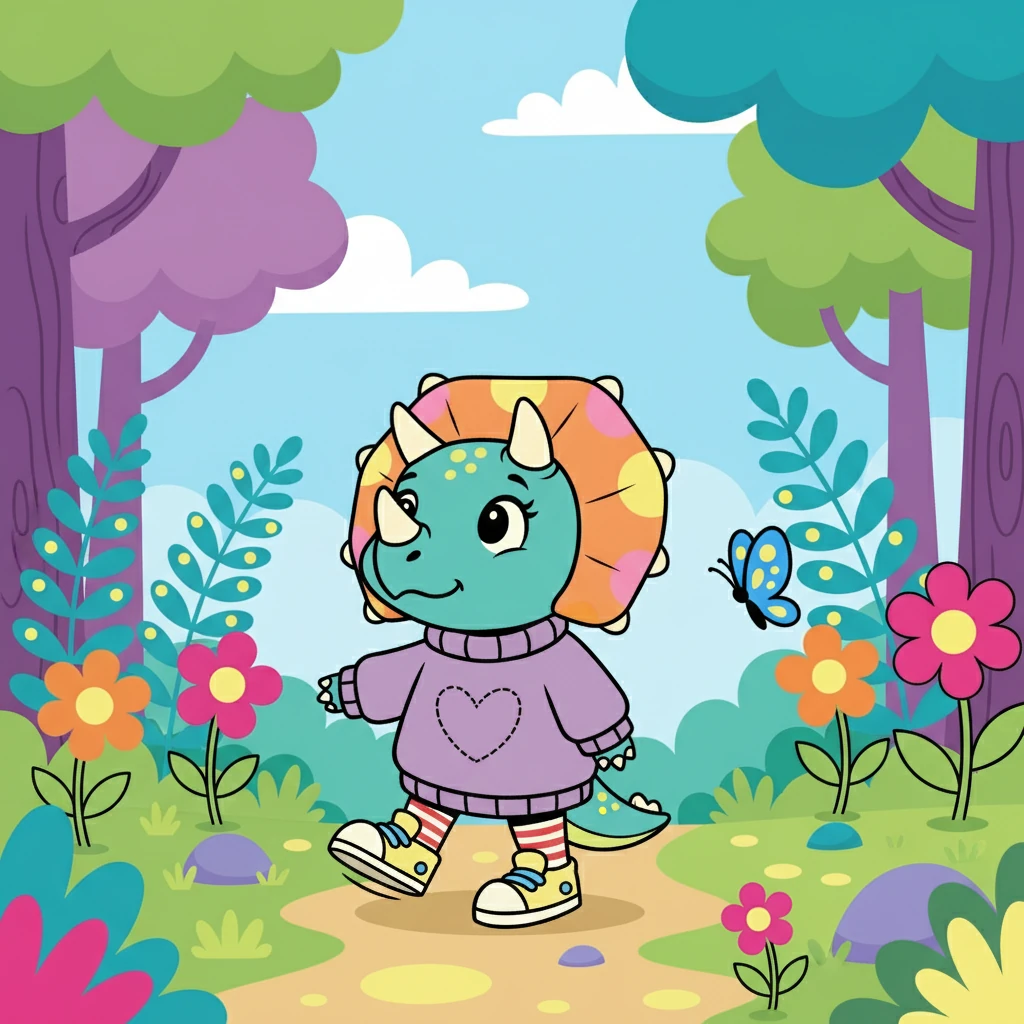
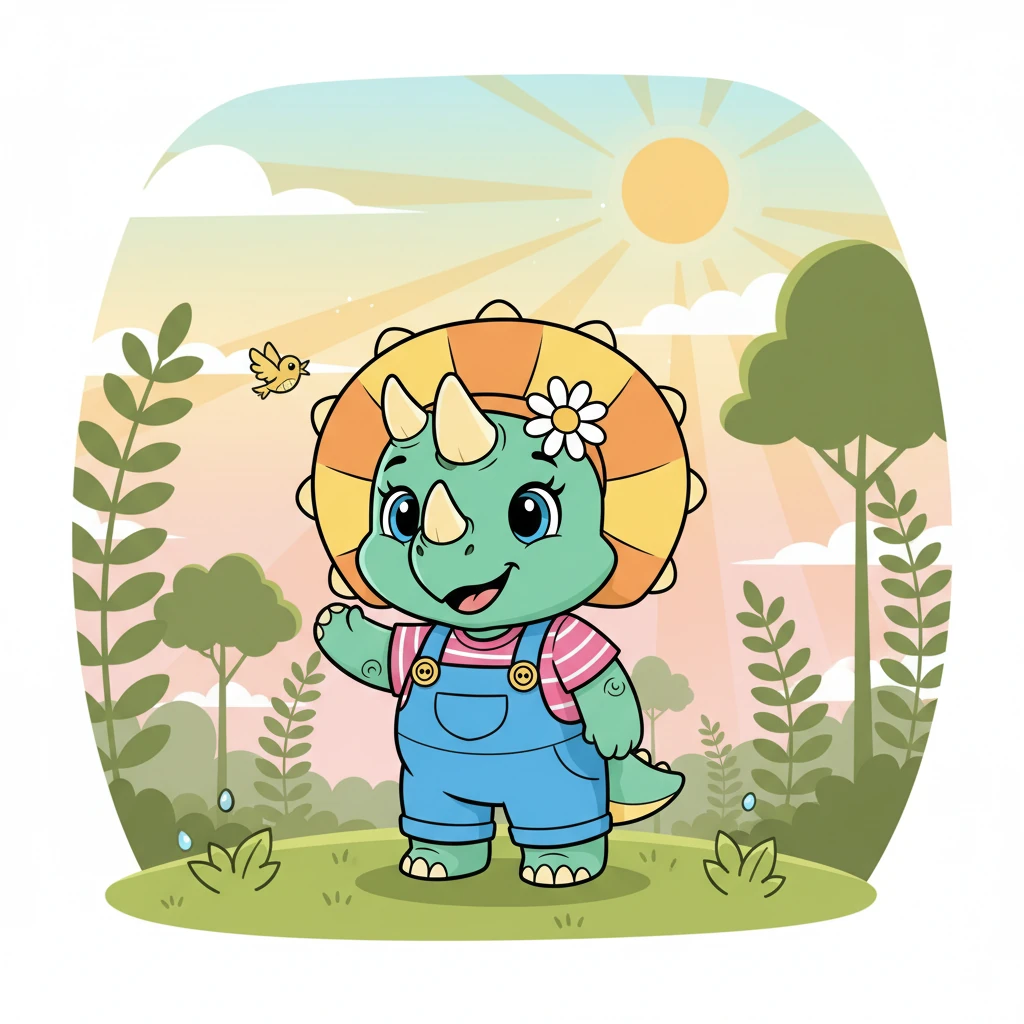
Trix the Triceratops woke with a smile. The sun, a warm orange ball, peeked over the ferns. She stretched, ready for a wonderful day in the Cretaceous period.
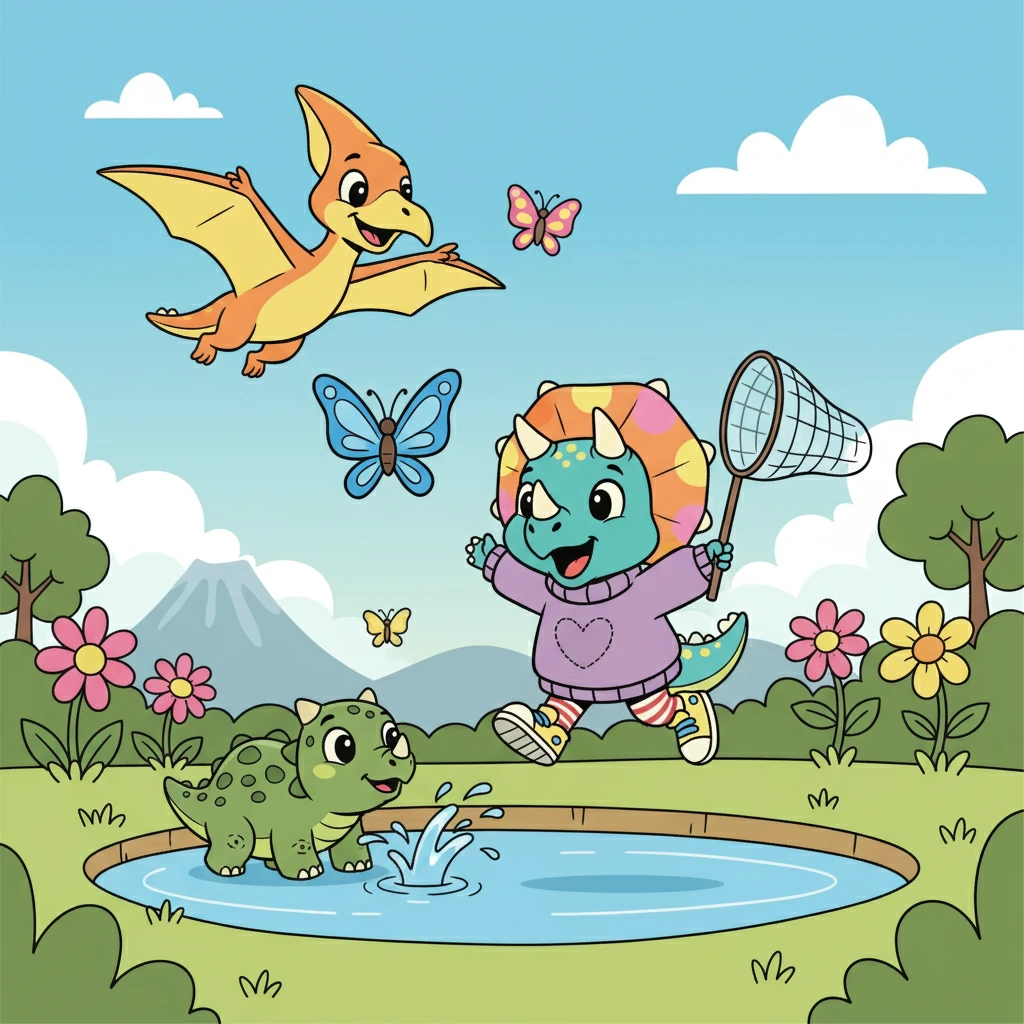
Trix played with her friends, a playful Ankylosaurus and a speedy Pteranodon. They were having a grand time, chasing butterflies and splashing in the watering hole.
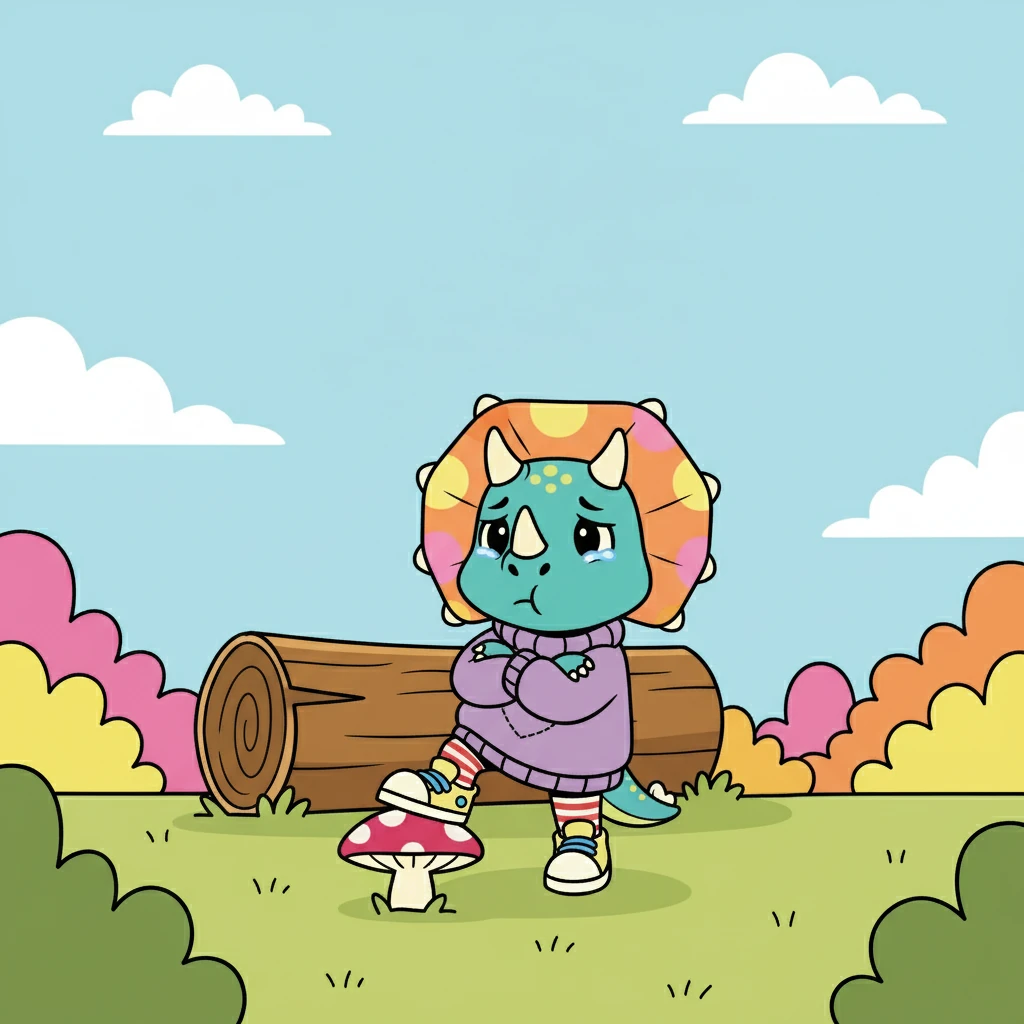
Suddenly, a game of hide-and-seek went wrong. Trix couldn't find her friends, and frustration began to bubble inside her. She felt a familiar grumble in her tummy.
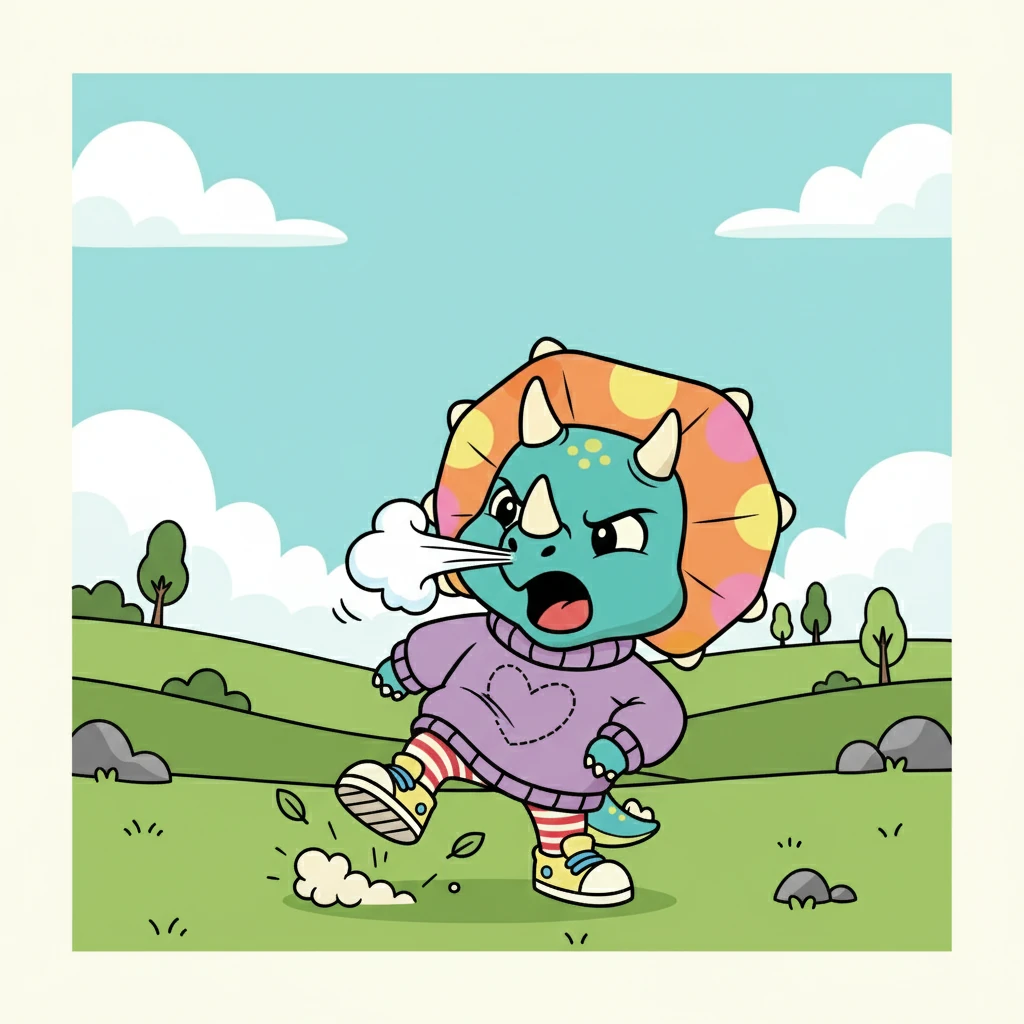
Trix stomped her feet, her frill flared. She snorted loudly, a puff of air escaping her nostrils. "I'm so MAD!" she roared, her voice echoing through the valley.
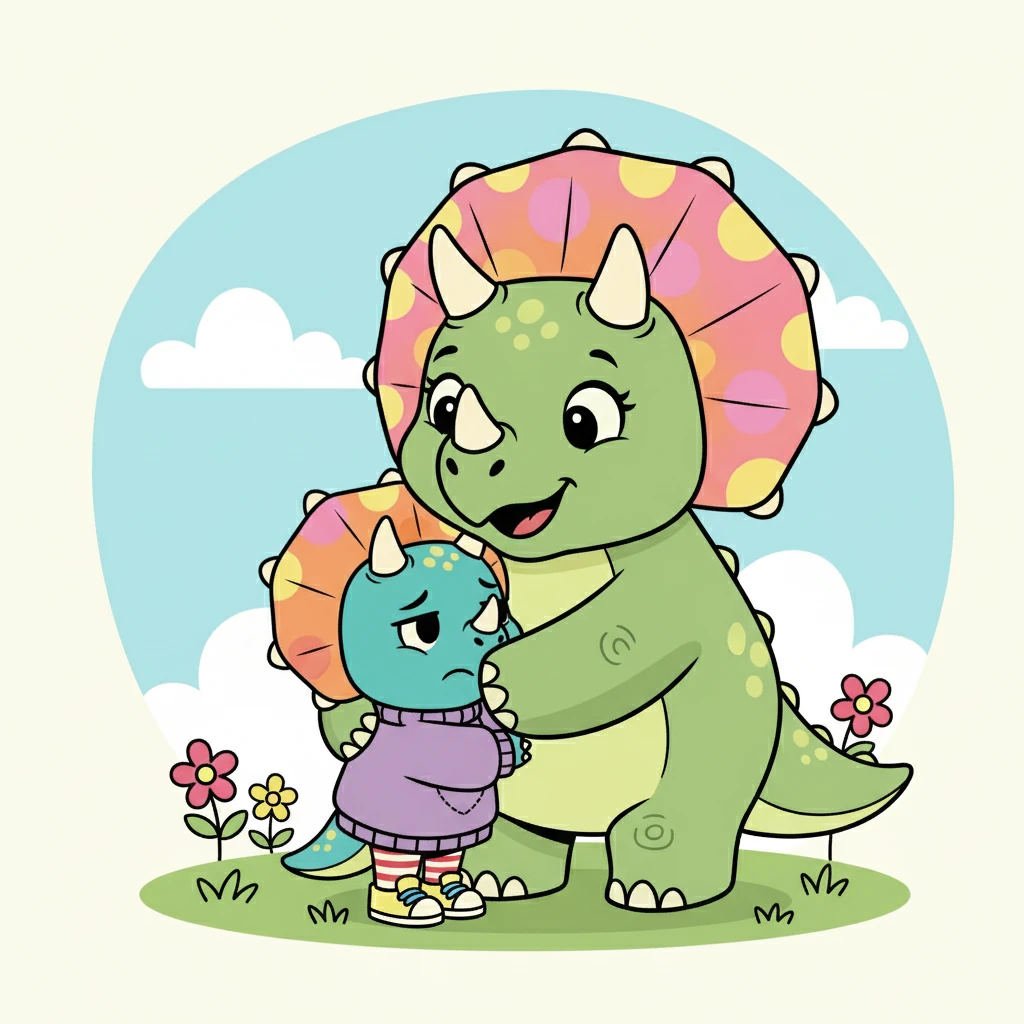
Mama Triceratops, with her gentle eyes, came over. "Oh, Trix," she said softly. "It sounds like you're feeling angry." She wrapped a loving arm around Trix.
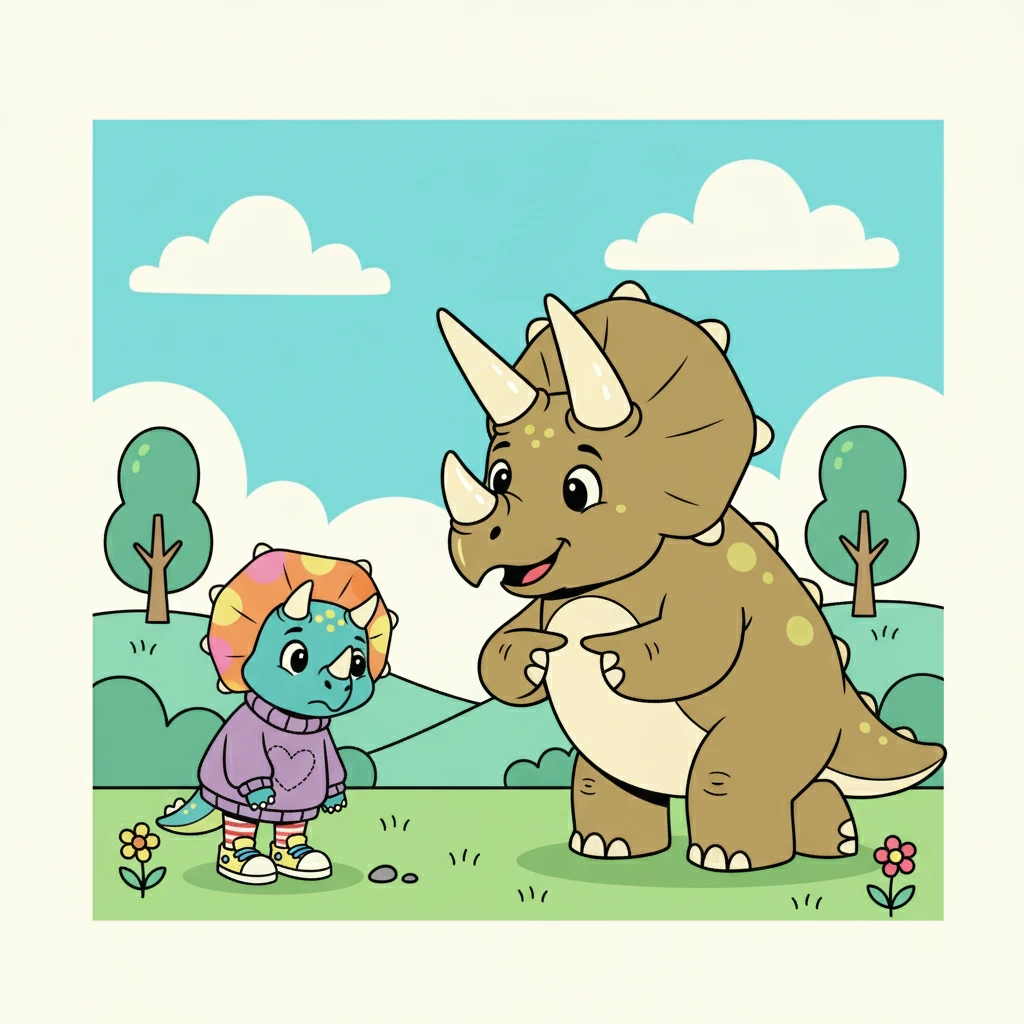
Papa Triceratops approached, his horns gleaming. He explained to Trix that it was okay to feel angry. It's a normal feeling, like being hungry or sleepy.
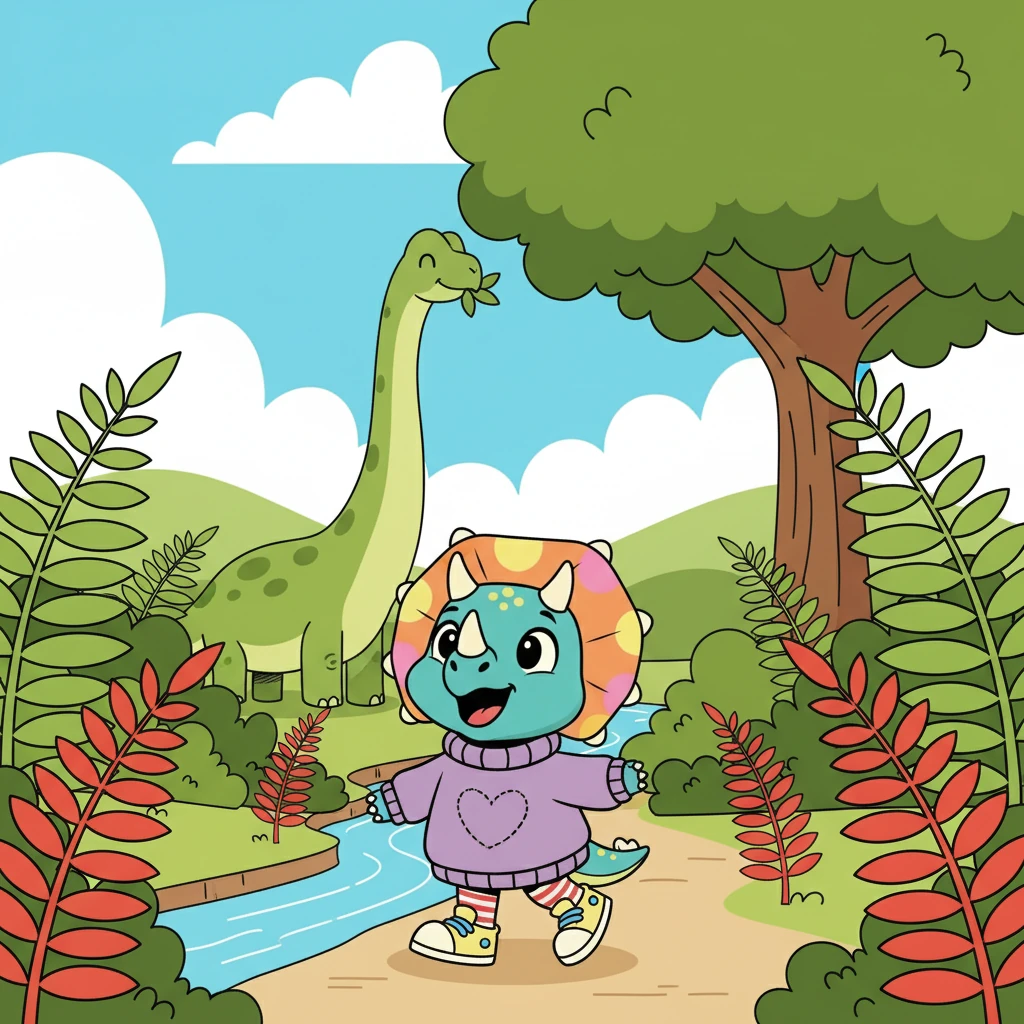
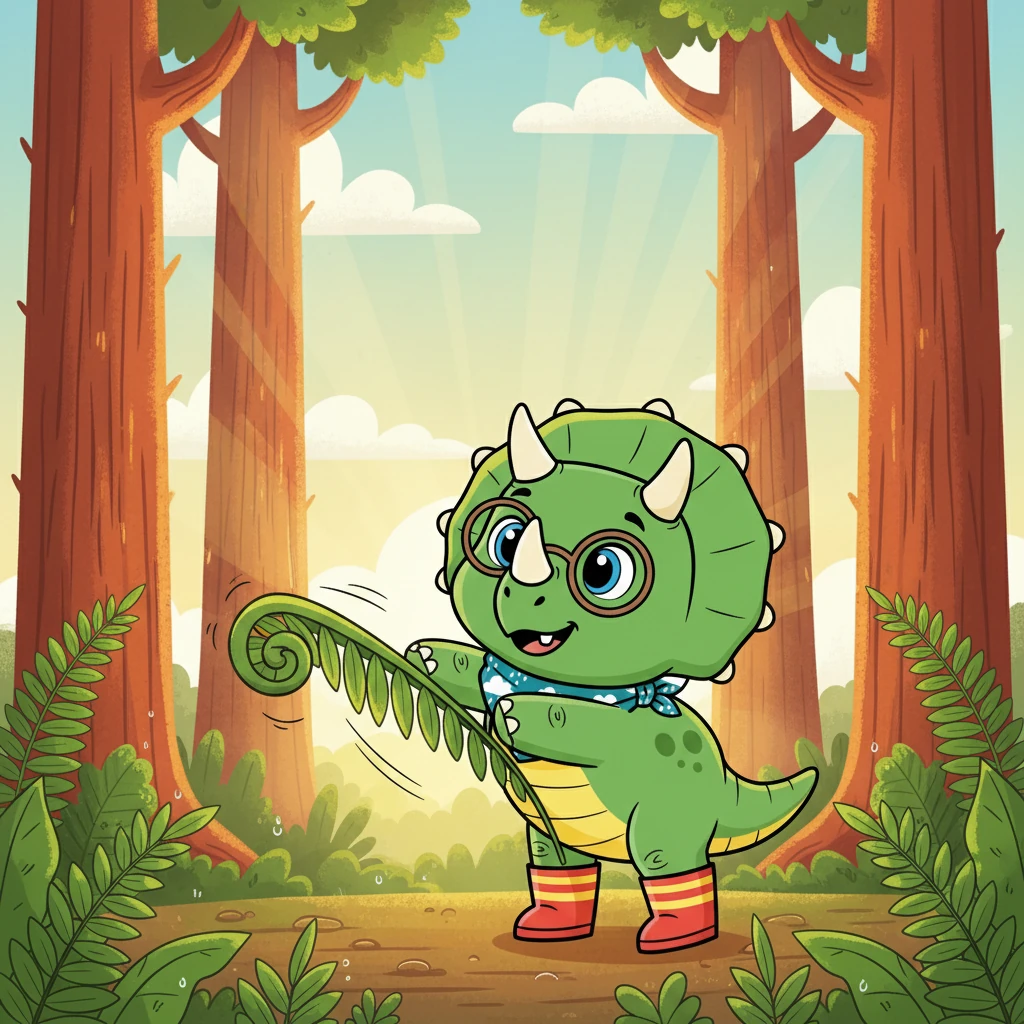
They walked past tall, green ferns and a gentle stream. The red ferns swayed as the breeze cooled Trix’s scales. A nearby Brachiosaurus munched peacefully on leaves.
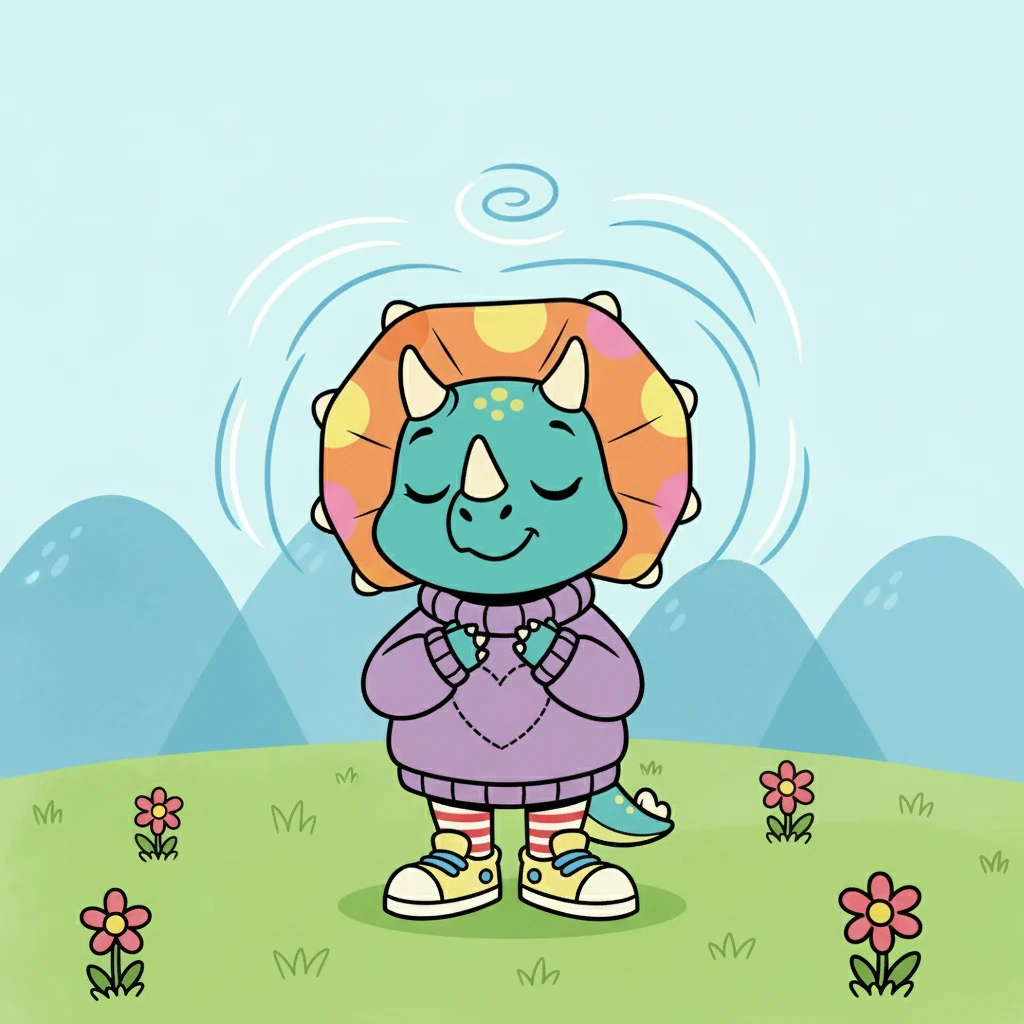
Trix began to notice the world around her, the vibrant colors of the plants, and the sounds of the forest. She slowed her stomps and felt a little calmer.
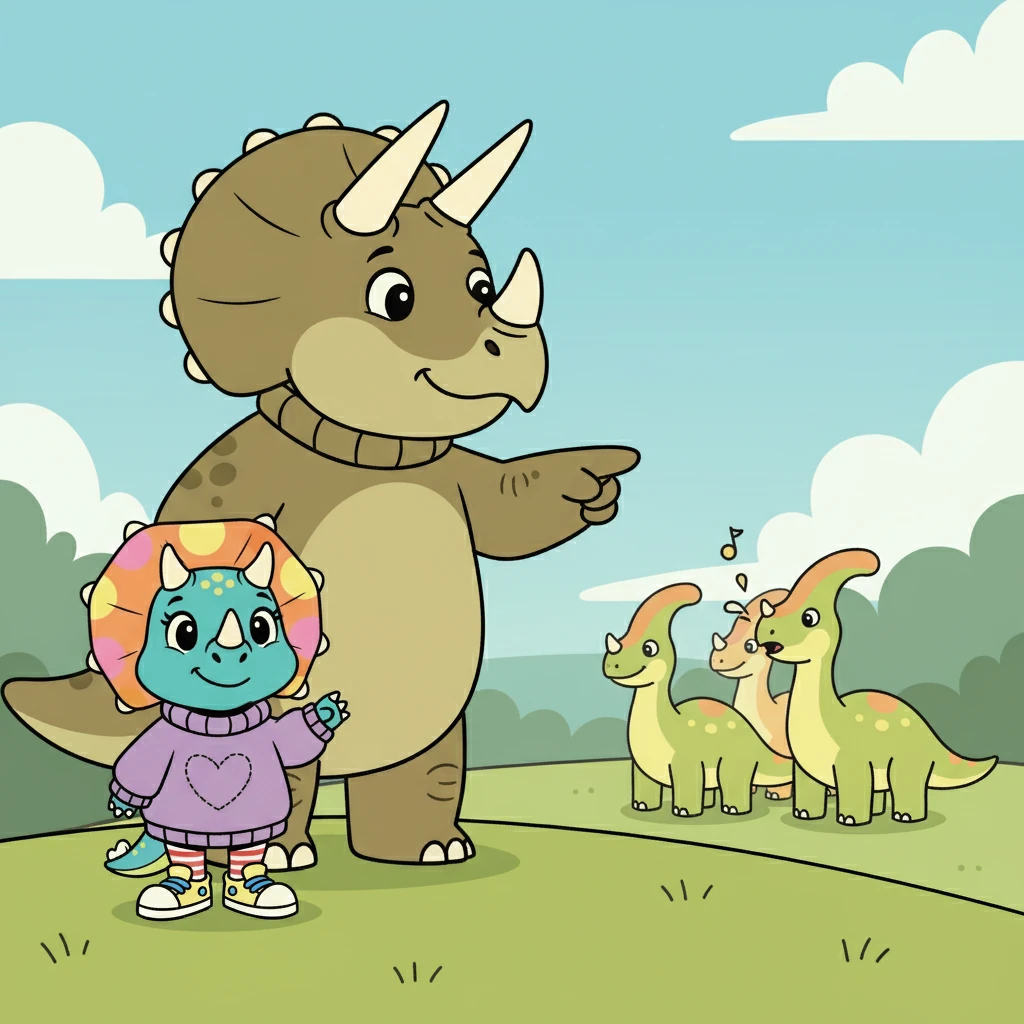
Papa Triceratops pointed out a group of friendly Parasaurolophus. Their gentle calls helped Trix feel safe and secure. The world didn't seem so scary anymore.
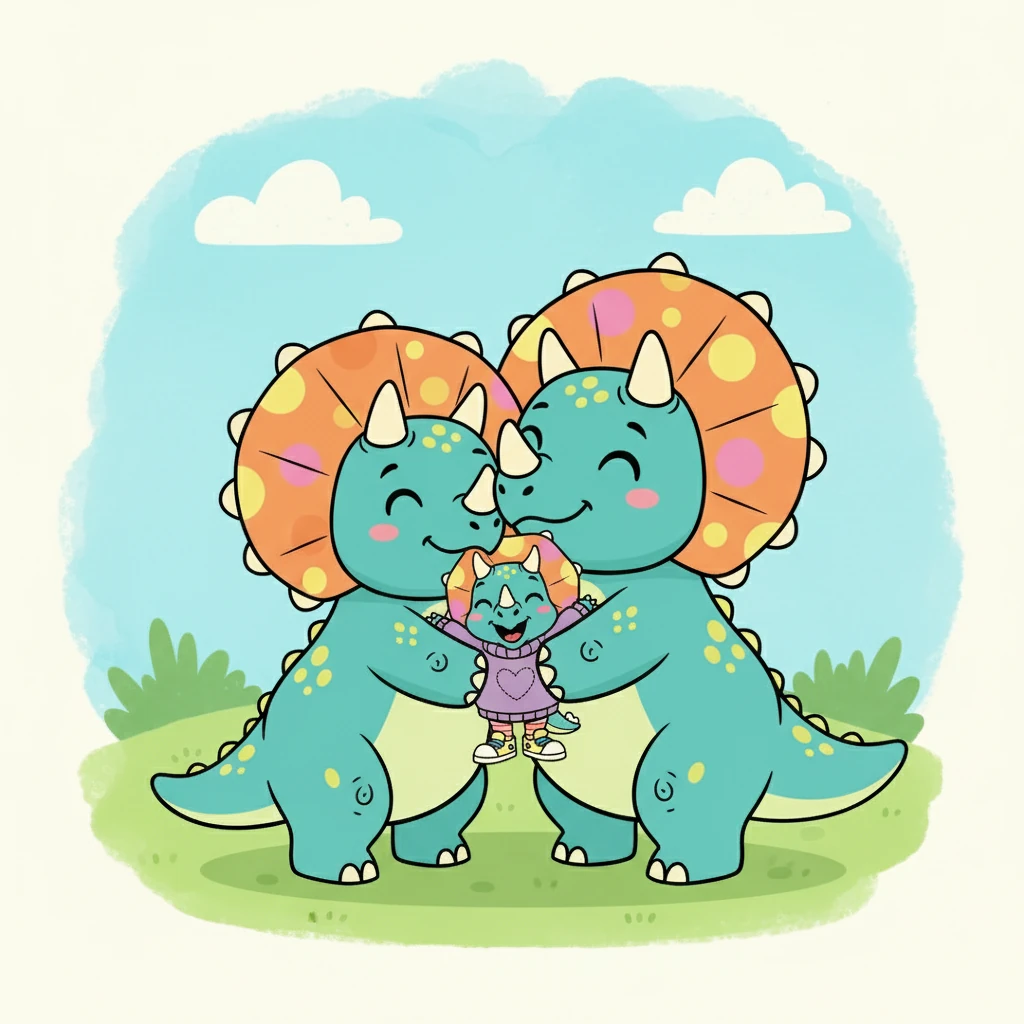
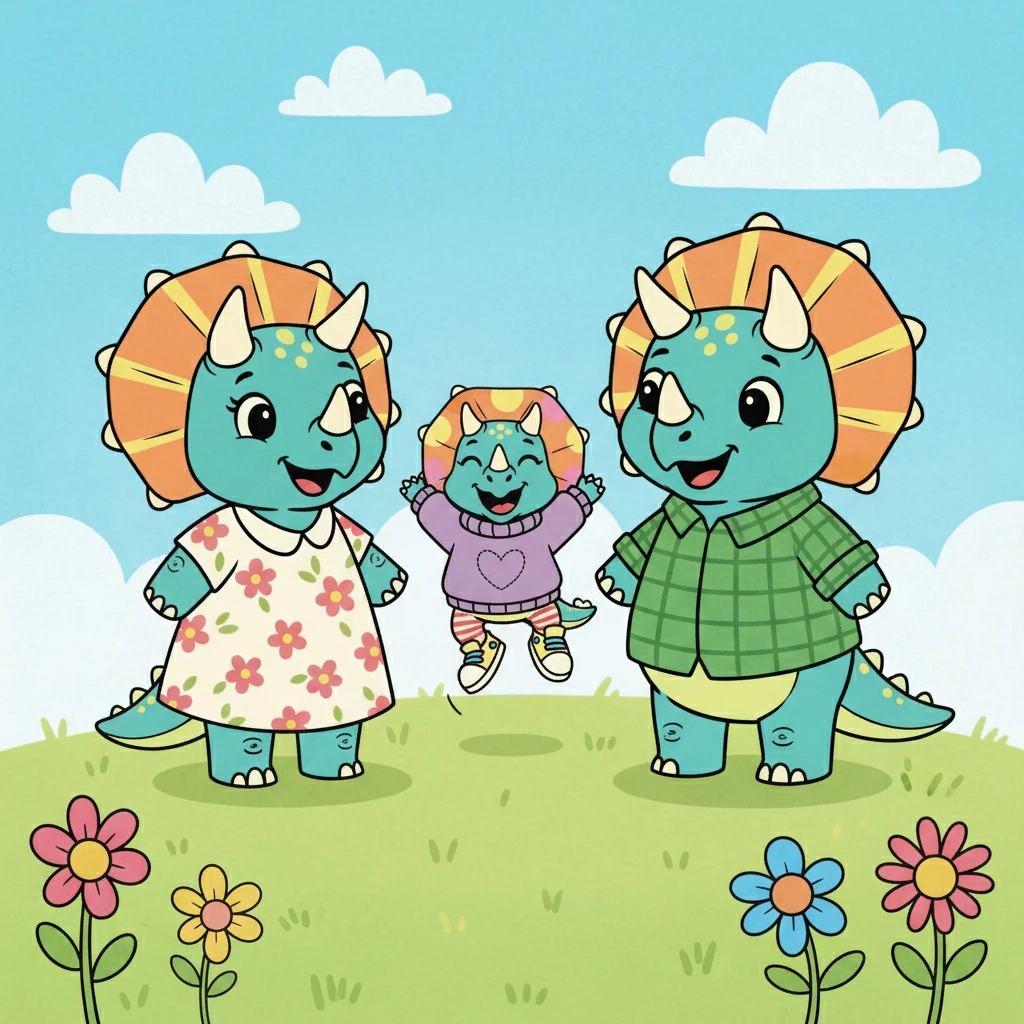
Mama and Papa Triceratops gathered Trix in a warm hug. Even when feelings are big, love is always there. They reassured her that they loved her very much.
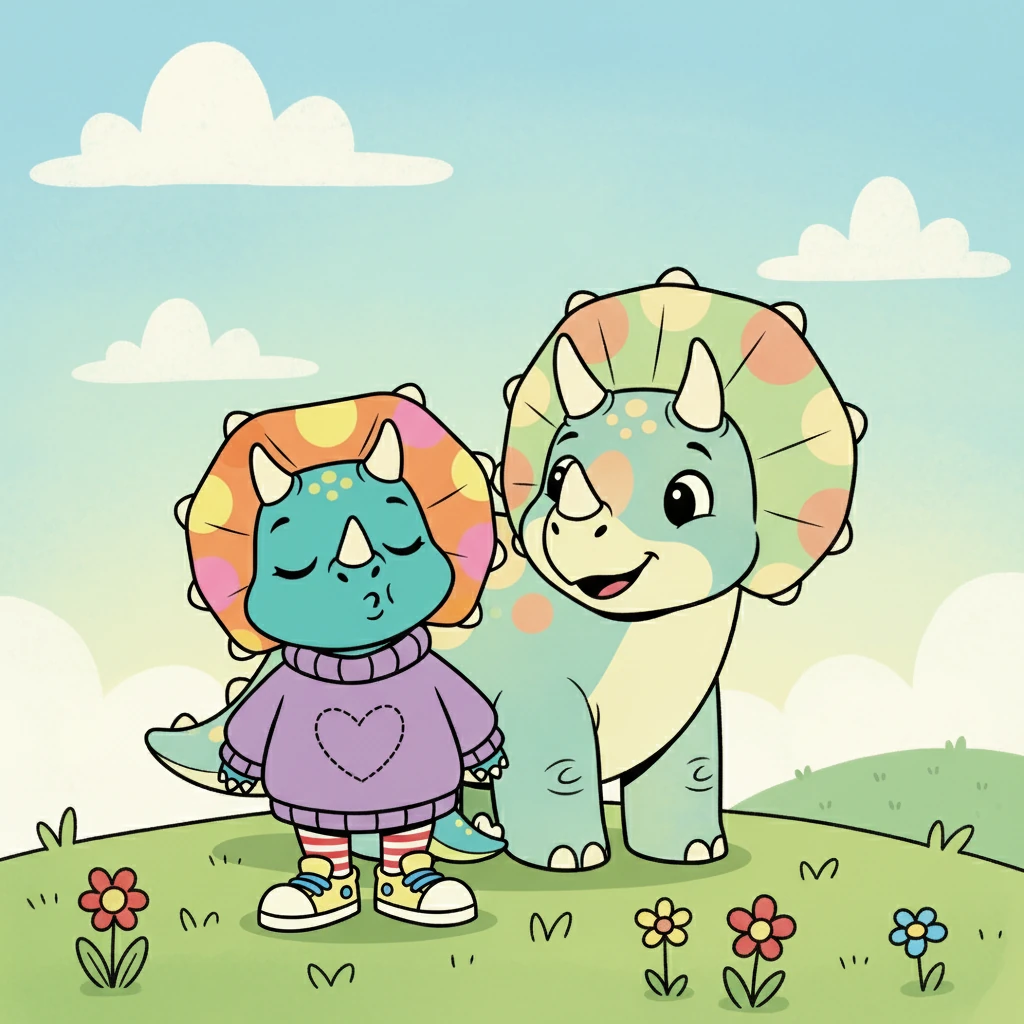
Trix, feeling much better, smiled at her parents. She remembered the calming breaths and the beauty of the world around her. She felt grateful for her family.
Trix repeated a special poem: "I can be mad and still be kind, I take deep breaths and clear my mind. I’m strong, I’m loved, I’ll always be, A calm Triceratops — safe and free."
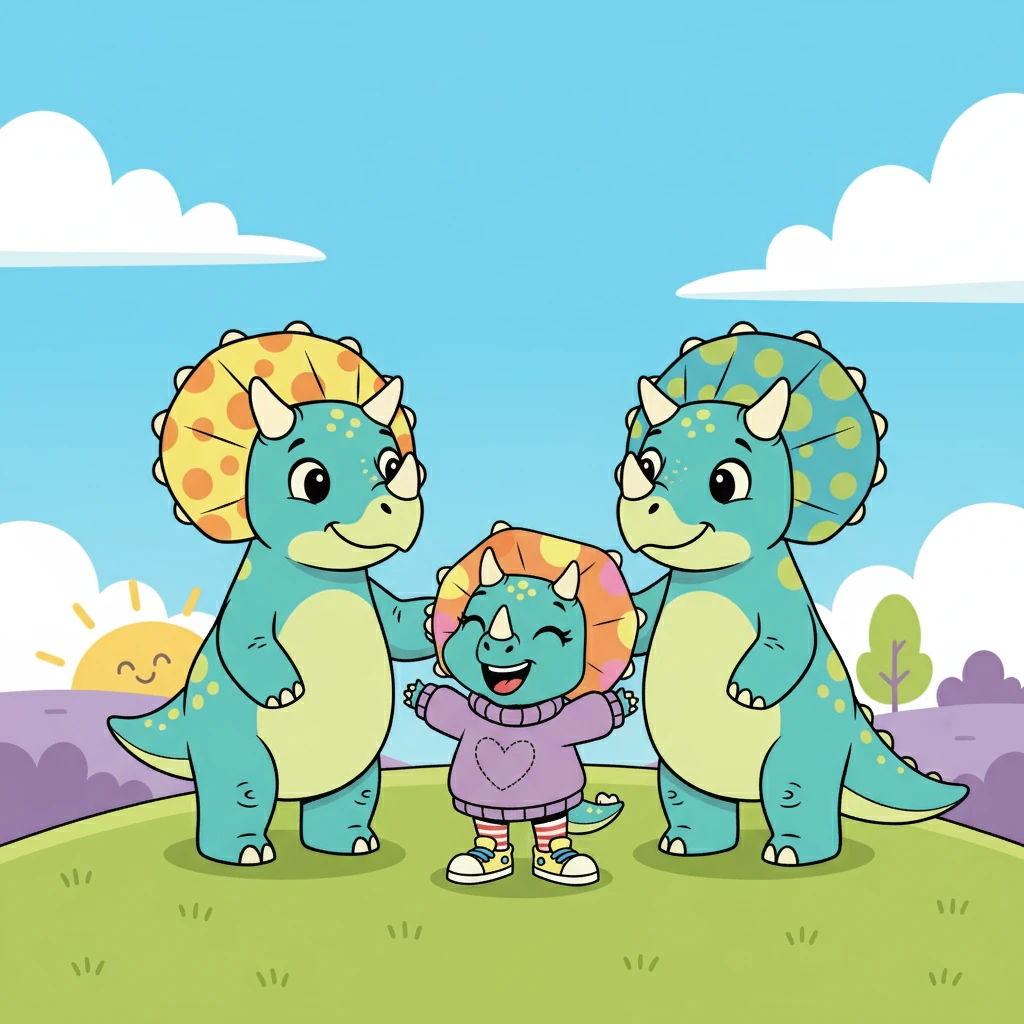
A final page showed Mama and Papa Triceratops smiling. A note explained to caregivers that all feelings are welcome and how important it is to help children understand their emotions.
Prompt di generazione(Accedi per vedere il prompt completo)
I’m creating a gentle, rhyming children’s story set in the late Cretaceous period. The main character, Trix the Triceratops, is a young dinosaur who learns that feeling mad or frustrated is normal and that calming down helps us understand what we really need. The story should model healthy emotional regulation and caregiver connection in a factual prehistoric world — including real animals and plants that coexisted with Triceratops, such as Ankylosaurus, Pteranodon, and small mammals. The tone should be nurturing, reflective, and reassuring, helping children feel safe expressing emotions while learning a few real prehistoric facts woven naturally into the dialogue or environment (e.g., “The red ferns swayed as the breeze cooled Trix’s scales”). Scene suggestions: Cover – Trix smiling under a soft prehistoric sunrise. Trix plays with friends but gets upset when something goes wrong. She stomps, snorts, and growls — showing “mad” feelings. Mama or Papa Triceratops helps name the feeling and breathe together. The story shows real Triceratops traits (strong frill, herbivore nature, herd animals). They walk past plants or other dinosaurs that soothe the environment (facts can be subtle). 7–10. Trix learns calming tools: breathing, noticing nature, slowing her stomps. 11–13. They reconnect lovingly — showing love stays even when feelings are big. End with an affirmation poem the child can repeat: “I can be mad and still be kind, I take deep breaths and clear my mind. I’m strong, I’m loved, I’ll always be, A calm Triceratops — safe and free.” Final reflection page: a short parent note explaining that emotions like anger are signals, not shameful — and all feelings are welcome. Visuals: Gentle, pastel prehistoric world — soft greens, light blues, and warm light. Avoid scary tones. Include gentle, realistic dinosaur details but keep them friendly and expressive.