A heartwarming and vibrant exploration of friendship, neurodiversity, and the 'fawning' mask we sometimes wear to fit in. Follow Sarah and her colorful group of friends as they discover that belonging doesn't require a label, just a place where you can finally be yourself.
Sarah stood by the office door in her denim jacket, her sunglasses perched atop her blonde hair. Even though the workday was over, she listened intently as Adam talked excitedly about his weekend plans, her warm smile never wavering as she nodded along to his every word.
Deep down, Sarah’s heart raced because her son Louie was waiting to be picked up, but she couldn't bring herself to cut Adam off. She chose to stay silent and sacrifice her own schedule and her son's routine just to avoid the tiny discomfort of being perceived as rude or interrupting a friend.
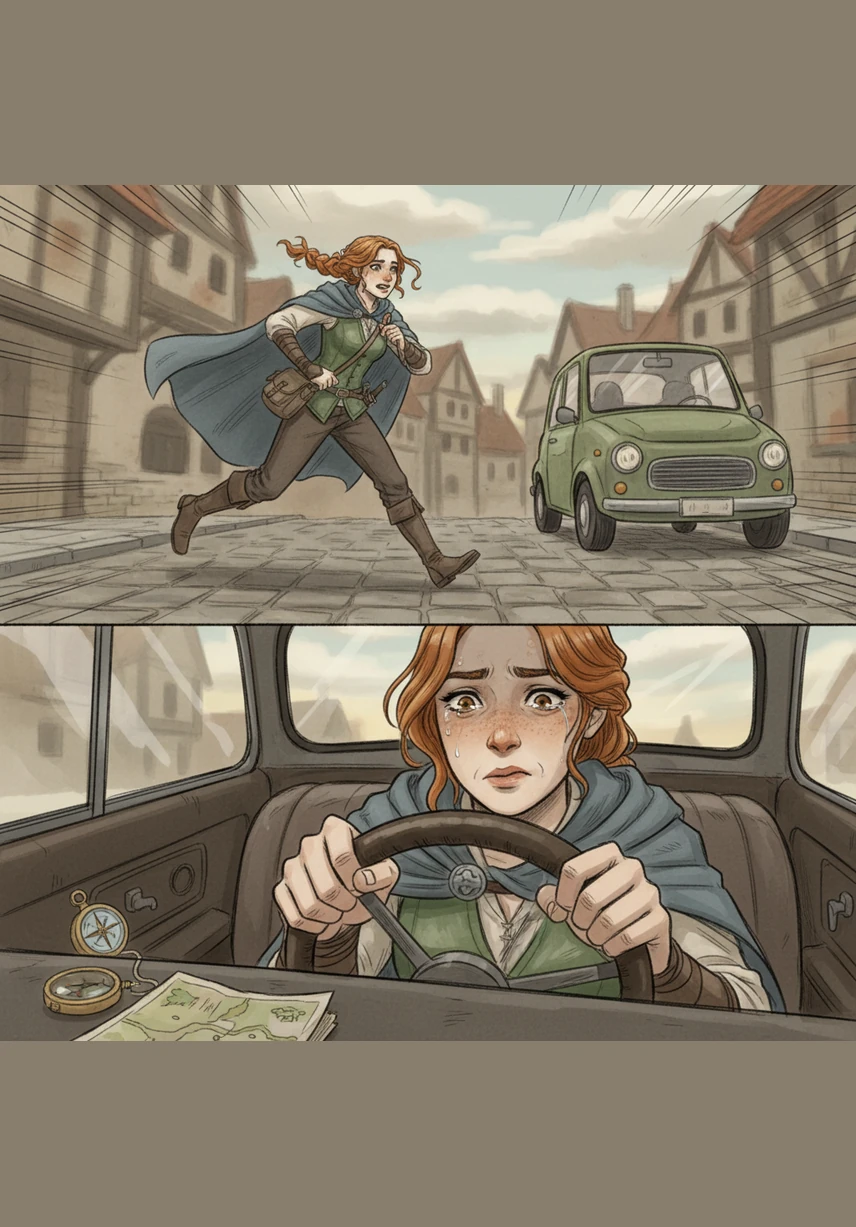
Moments later, Sarah was a blur of motion, racing across town to her car with a look of overwhelming stress on her face. She gripped the steering wheel tight, blaming herself for the rush and the pressure, all because she couldn't say the five simple words: Adam, I have to go.
This is the art of fawning, where Sarah’s brain treats a polite social moment like a high-stakes survival mission. Instead of fighting or running away, her nervous system puts on a perfect, agreeable mask that keeps everyone else happy while she pays the heavy price of exhaustion later.
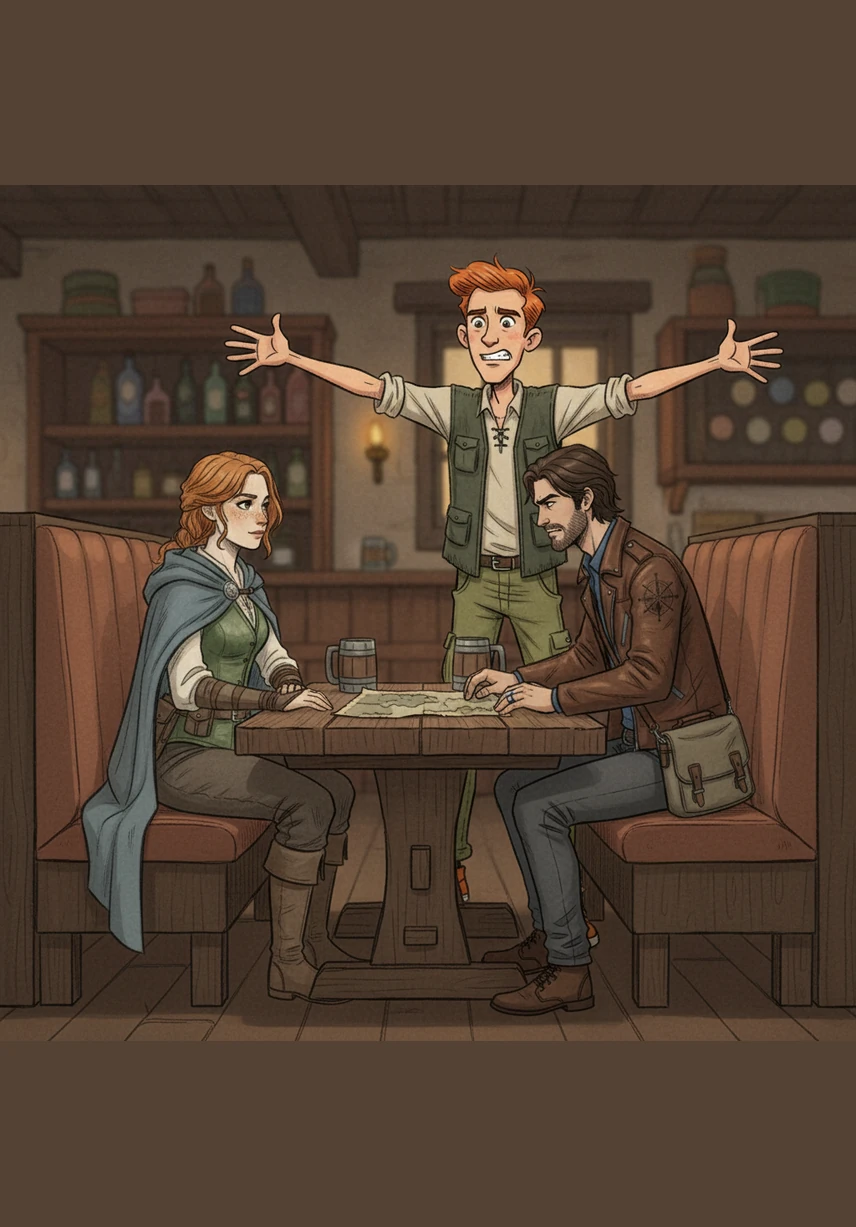
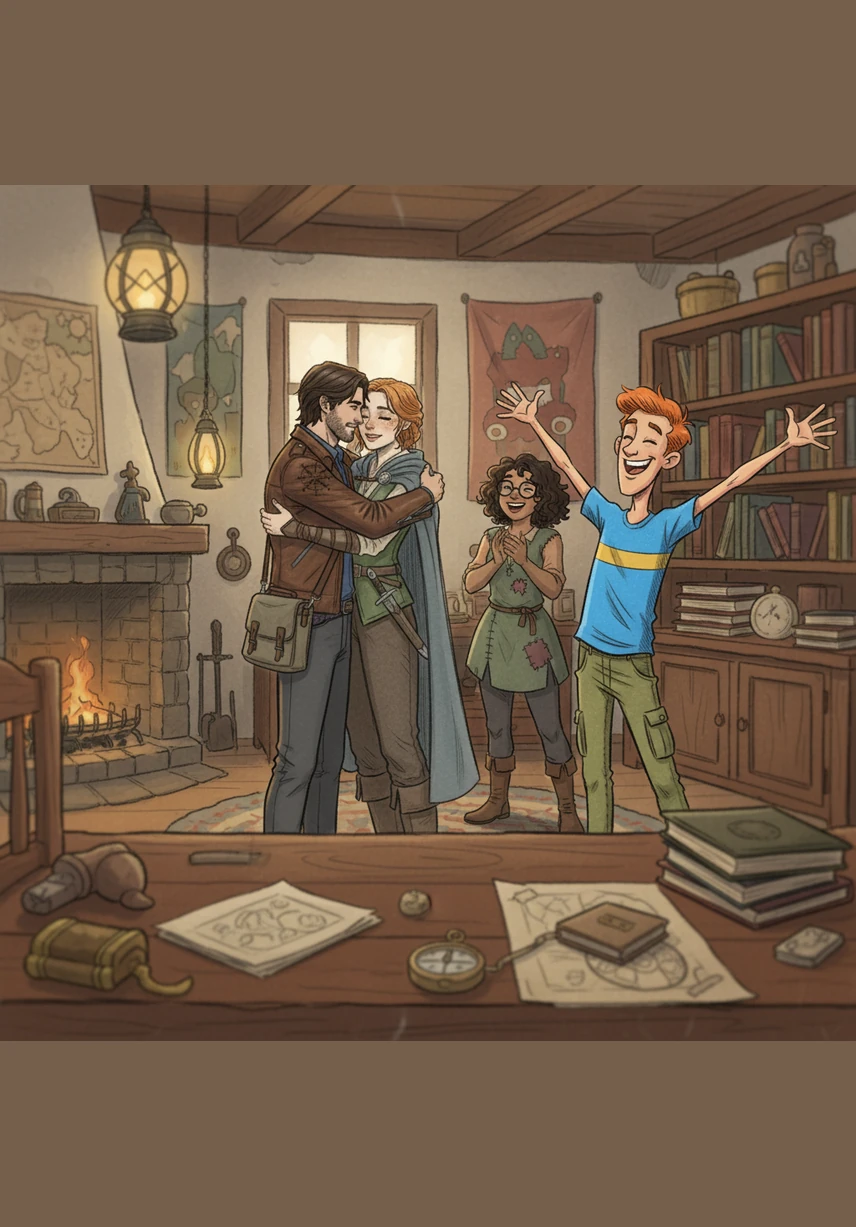
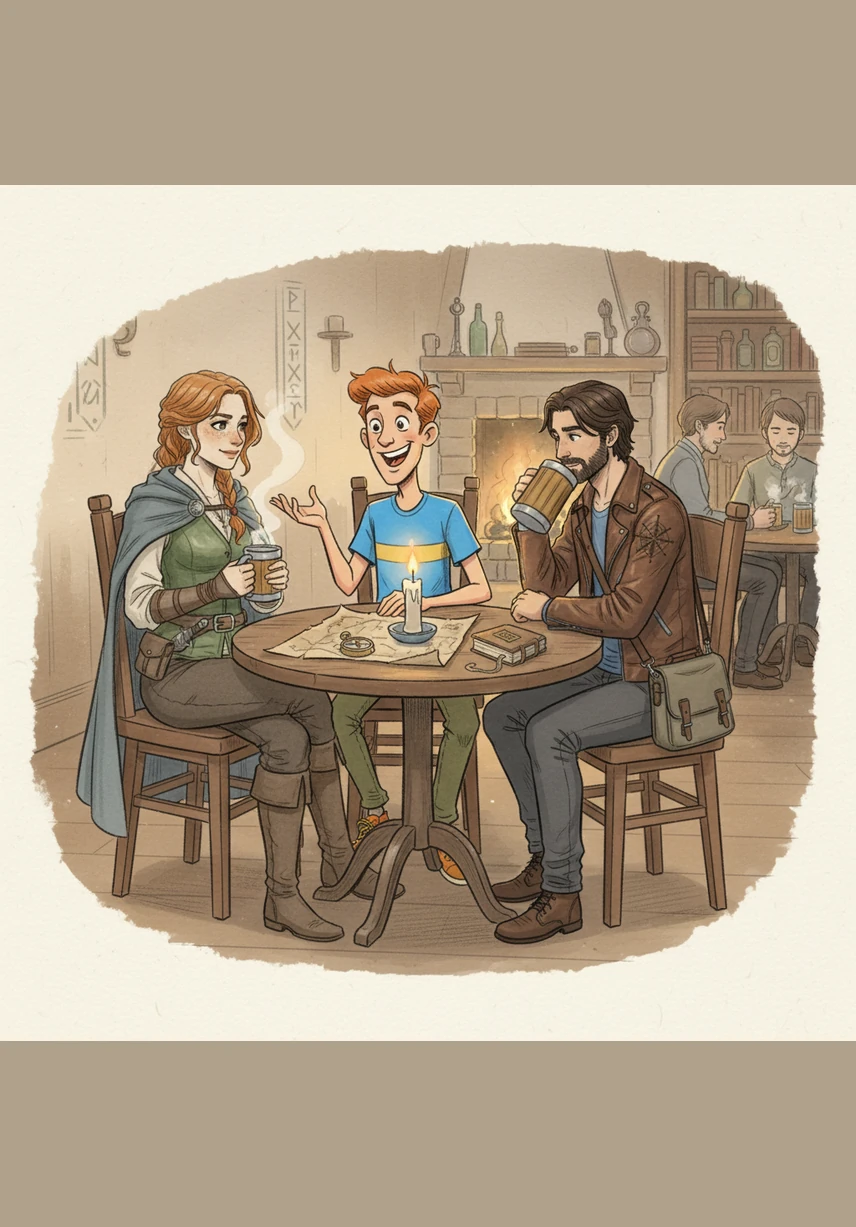
Sarah finally finds her sanctuary when she meets up with her best friends: Adam, Andy, and Sophie. They are a vibrant, neurodivergent crew who have always felt that Sarah fits into their world perfectly, sharing a deep bond that she doesn't seem to find anywhere else in the world.
In this circle, there is no need for exhausting social translations or hidden meanings. When Sophie goes mute to recharge or Andy says exactly what is on his blunt mind, Sarah feels a deep sense of relief; here, honesty is the default and nobody has to pretend to be someone they aren't.
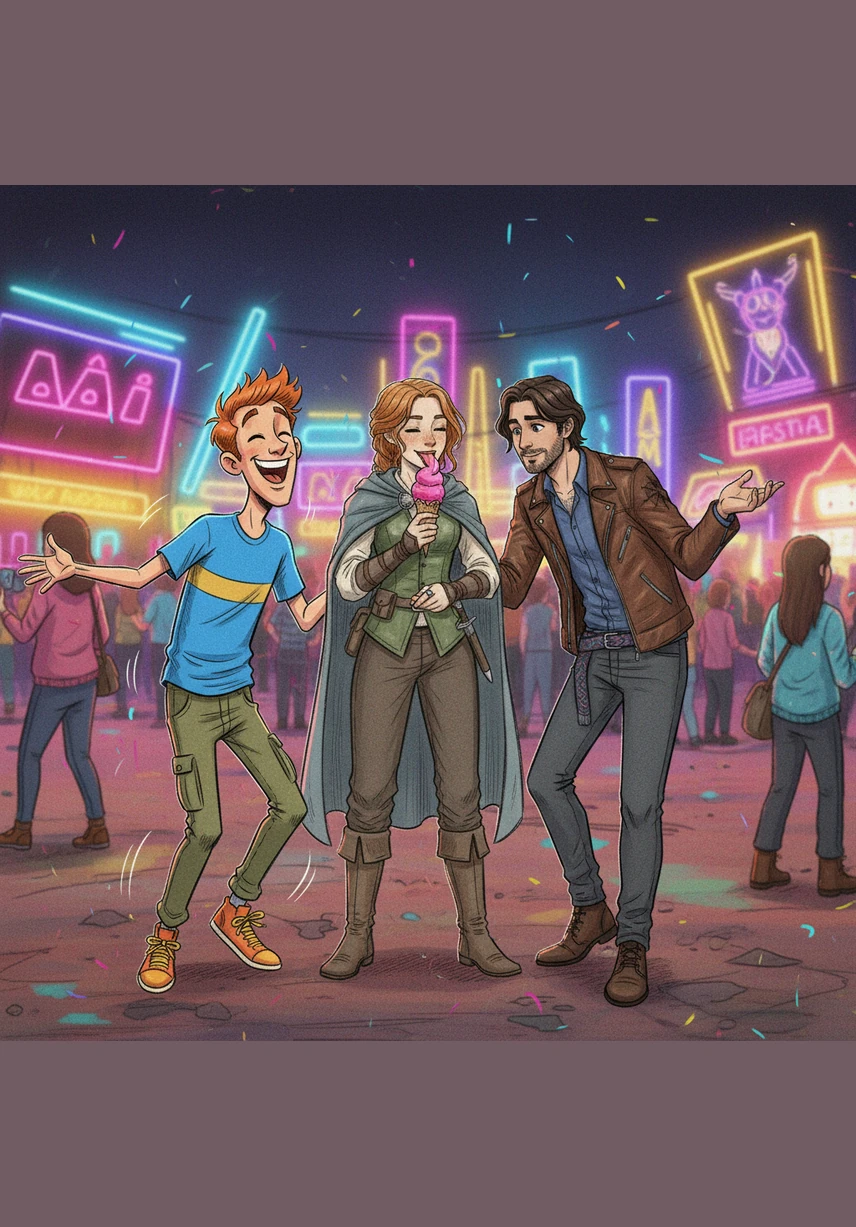
Whether they are at a loud festival or a neon-lit rave, the group celebrates their true selves together. Sarah licks her favorite pink ice cream cone while Adam bounces with ADHD energy and Andy offers his refreshingly honest observations, all of them existing in a space of pure acceptance.
Her friends surround her with a silent, powerful promise: she never has to wear her polite mask when she is with them. They remind her through their easy presence that she is allowed to say no, to leave when she needs to, and to be as messy or honest as she wants to be.
The group might not know exactly what flavour of autism Sarah has, or if she will ever seek a formal label, but the answer doesn't really matter to them. They recognize her spirit as one of their own, a kindred soul who understands the world through the same unique lens.
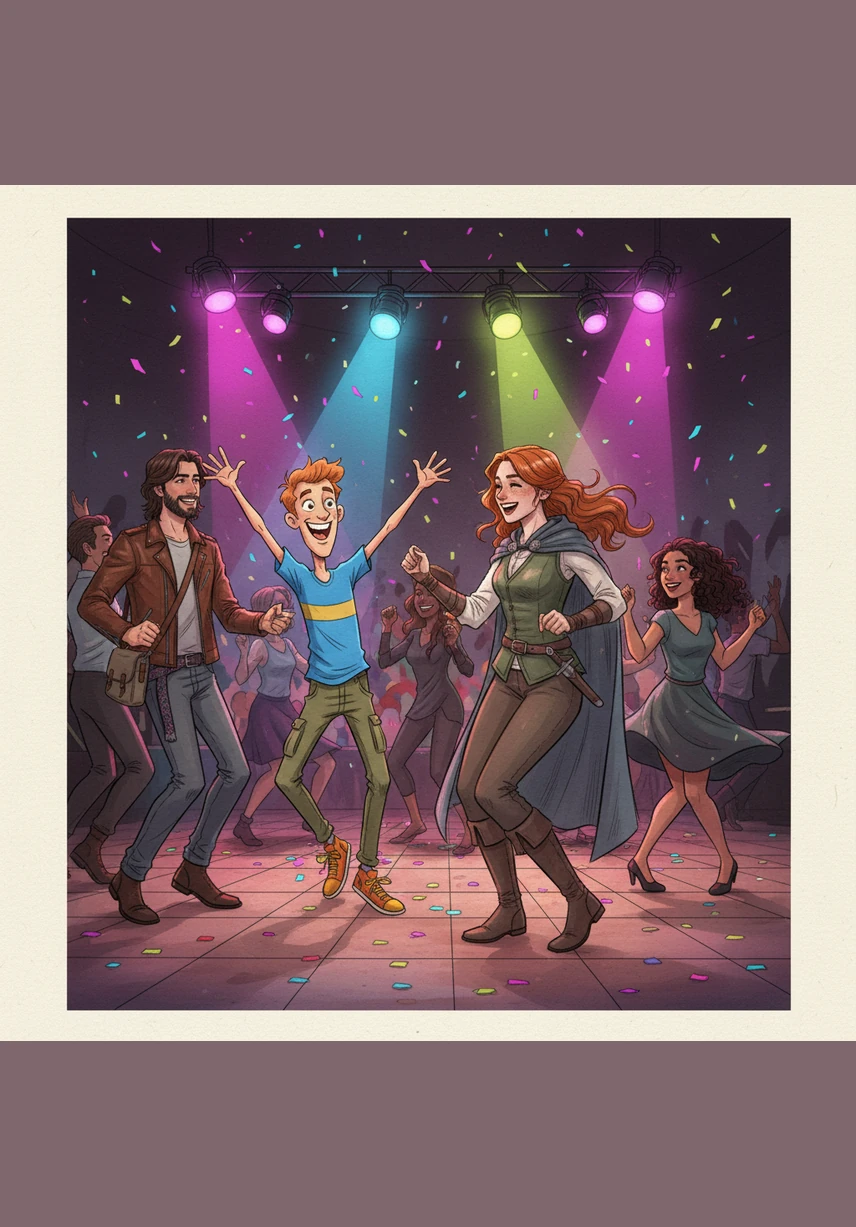
Under the glowing neon lights of the dance floor, the whole group moves to their own unique rhythms. Sarah laughs brightly, her denim jacket swaying as she enjoys her ice cream, finally feeling the freedom of being exactly where she belongs without any mask at all.
Generation Prompt(Sign in to view the full prompt)
Sarah — 40, slim, shoulder-length blonde hair with a side parting, sunglasses pushed up on her head, warm smile, gold hoop earrings, denim jacket over a black top. Fair skin. She's the focal character — she must look the same on every page. Adam — mid 30s, slim, tall, short reddish-auburn hair, fair skin, big smile. Often pictured with Sophie. Andy — 35, slim, short reddish hair, black rectangular glasses, light stubble. Grey hoodie energy. Sophie — the shortest of the group, slim, long straight light-brown/blonde hair, sunglasses, youthful face. Often pictured with Adam. Louie — young boy, blonde, cap. Style note: Fun, bold, children's book illustration style — think slightly exaggerated proportions, bright colours, expressive faces. Not realistic, not anime — somewhere between Oliver Jeffers and Benji Davies. Every character should be immediately recognisable by their key features (Sarah = blonde + denim jacket + sunglasses on head, Andy = black glasses, Sophie = shortest + long hair, Adam = tallest + reddish hair). CONSISTENCY INSTRUCTION: Design each character on Page 1 and reuse the exact same features, colours, hairstyle, and outfit throughout all 10 pages. Do not change their appearance between pages. Create a 10-page illustrated storybook called "What Flavour Autism Might Sarah Have?" Art style: Warm, fun, textured digital illustration. Expressive faces, cinematic frames. Not clinical, not sad — warm and real. Cover: Sarah, 40, pretty, blonde, denim jacket, licking a pink ice-cream cone at a rave. Joyful. Bold playful title. The premise: Sarah hangs around with a group of neurodivergent friends — Adam (ADHD), Andy (autistic), Sophie (autistic). They've always wondered why she gravitates to them. She fits. She's one of them. But what flavour? The group has a running theory: Sarah would rather throw herself under a bus than offend someone. That's fawning. That's the clue. Characters: Sarah — undiagnosed. The fawner. Cannot bring herself to be "rude" even at her own expense. 40, blonde, denim jacket. Adam — Sarah's friend and co-worker. ADHD. Talks a lot, info-dumps, loses things, chaotic energy. Sophie's partner. Andy — Sarah's boyfriend. Autistic. Says things out of turn, no filter, refreshingly blunt. Sophie — friend, Adam's partner. Autistic. High-masking until she burns out, then goes completely mute to recharge. Louie — Sarah's son. Waiting to be picked up. Pages: Page 1: Sarah had already stayed late at work. She was finally leaving when Adam started chatting to her about the weekend. They talked for about ten minutes. Sarah smiled, nodded, engaged fully. Page 2: But Sarah had to be somewhere. Louie was waiting. She didn't tell Adam she needed to go because she didn't want to be rude. She sacrificed her time, her obligations, her son's routine — all to avoid the discomfort of interrupting a friend. Page 3: The result: rushing to the car, racing across town, blaming herself, stressed, overwhelmed — all because she couldn't say five words: "Adam, I have to go." Page 4: This is fawning. Explain it here in a fun, visual way. Not a textbook definition — show it. Sarah's brain choosing "be polite" over "be on time." Her nervous system treating a normal social moment like a threat. Not fight, not flight — fawn. The mask that makes her the person who never interrupts, never offends, and always pays the price later. Page 5: But Sarah has something most people don't. She has her people. Introduce the group — Adam, Andy, Sophie. They're neurodivergent and they know it. They've always wondered about Sarah. She fits with them in a way she doesn't fit anywhere else. Page 6: Show the bond. The deep, easy connection neurodivergent people have with each other. When Sophie goes mute on a group holiday, nobody takes it personally. When Adam loses the tickets, they laugh. When Andy says something brutally honest, it's not rude — it's a relief. No subtext. No exhausting translation. Just honesty. Page 7: Show them together — holidays, raves, Ibiza, festivals. Sarah with her ice cream. Andy being blunt. Adam bouncing with energy. Sophie in her headphones when she needs them. All being exactly who they are. Page 8: The group's unspoken message to Sarah: you don't have to mask for us. You can tell Adam you need to leave. You can say no. You can be yourself here. You always could. Page 9: So what flavour autism might Sarah have? They don't have the exact answer yet. But they know she's one of them. And that's enough. Page 10: The whole group together under neon lights, dancing in their own way. Sarah licking her pink ice cream, laughing, free. She's not "too much" or "too polite" — she's exactly where she belongs.