Dive into the vibrant city of Luma with Rayan, a boy who loves quiet amidst the constant buzz of screens. When a mysterious game takes his voice, Rayan embarks on a heartwarming journey to rediscover the true power of listening and connection, learning that some sounds are more precious than any game. This charming tale beautifully illustrates the importance of mindful communication and family bonds in our fast-paced world.
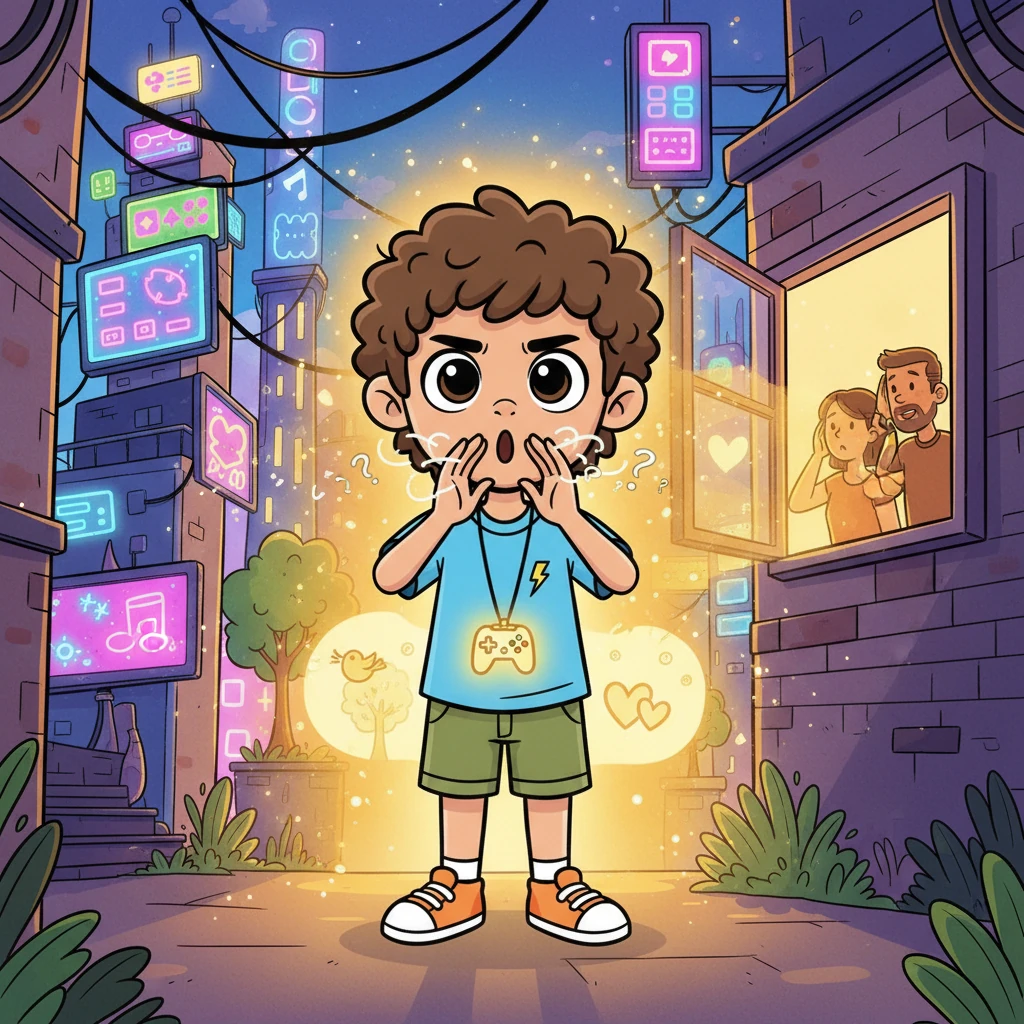
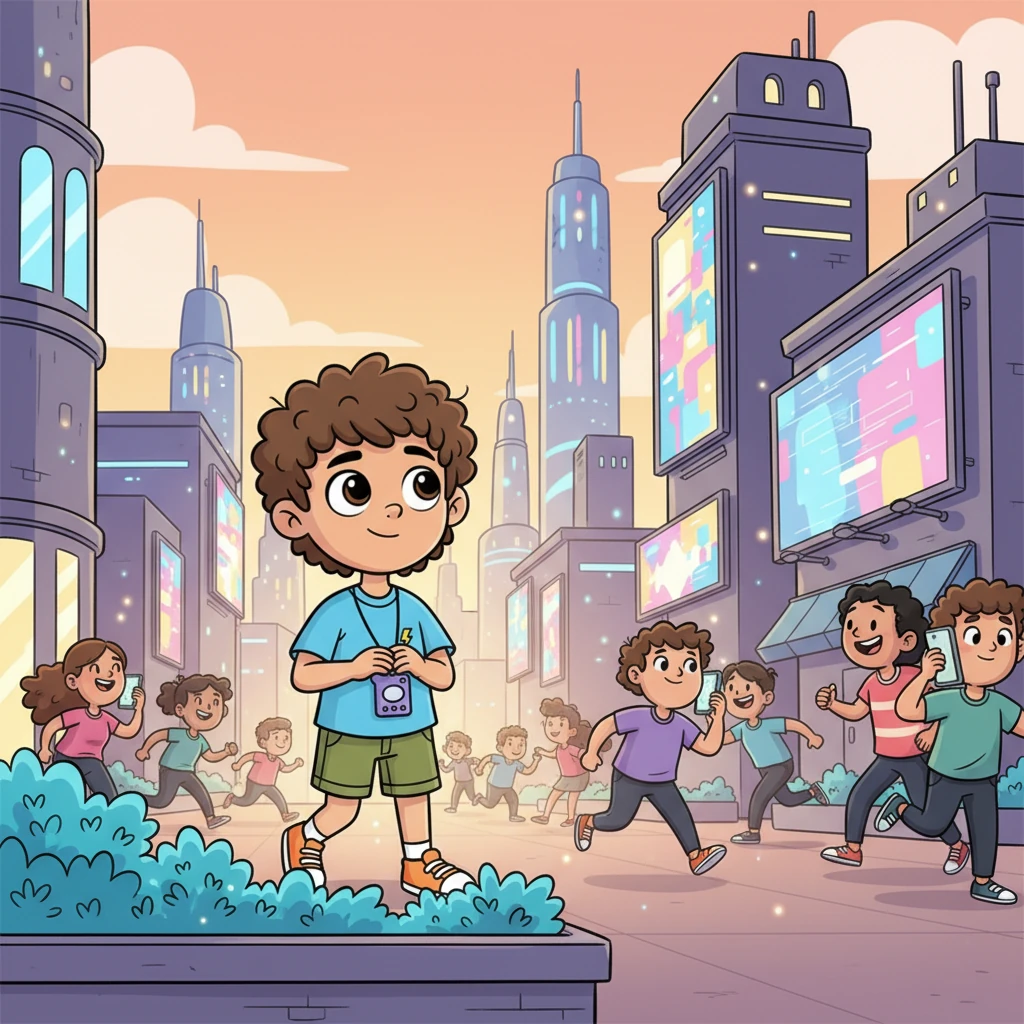
In the glowing city of Luma, where screens buzzed and people hurried, lived a boy named Rayan who loved silence. Buildings twinkled with digital light, and busy folks chatted quickly, but Rayan often sought quiet moments. He enjoyed the calm in a world full of constant noise and bright distractions.
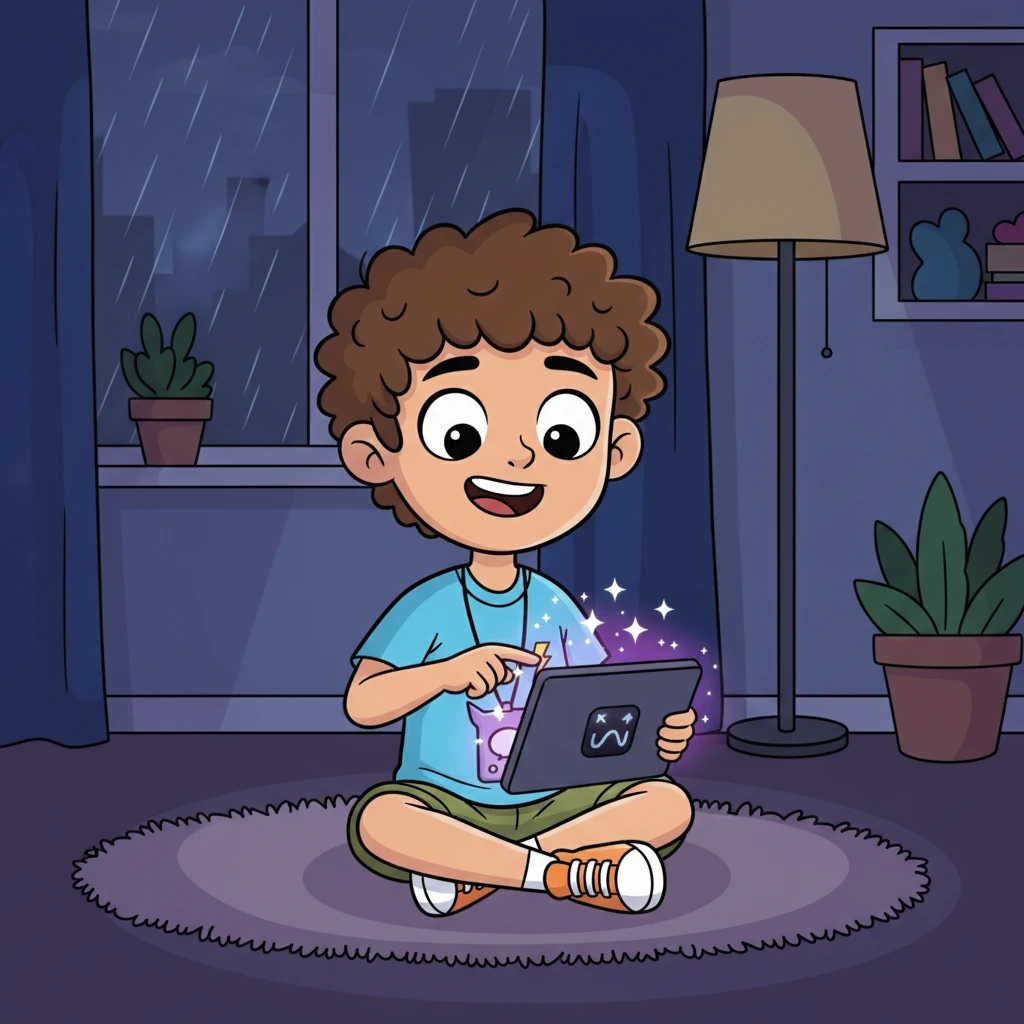
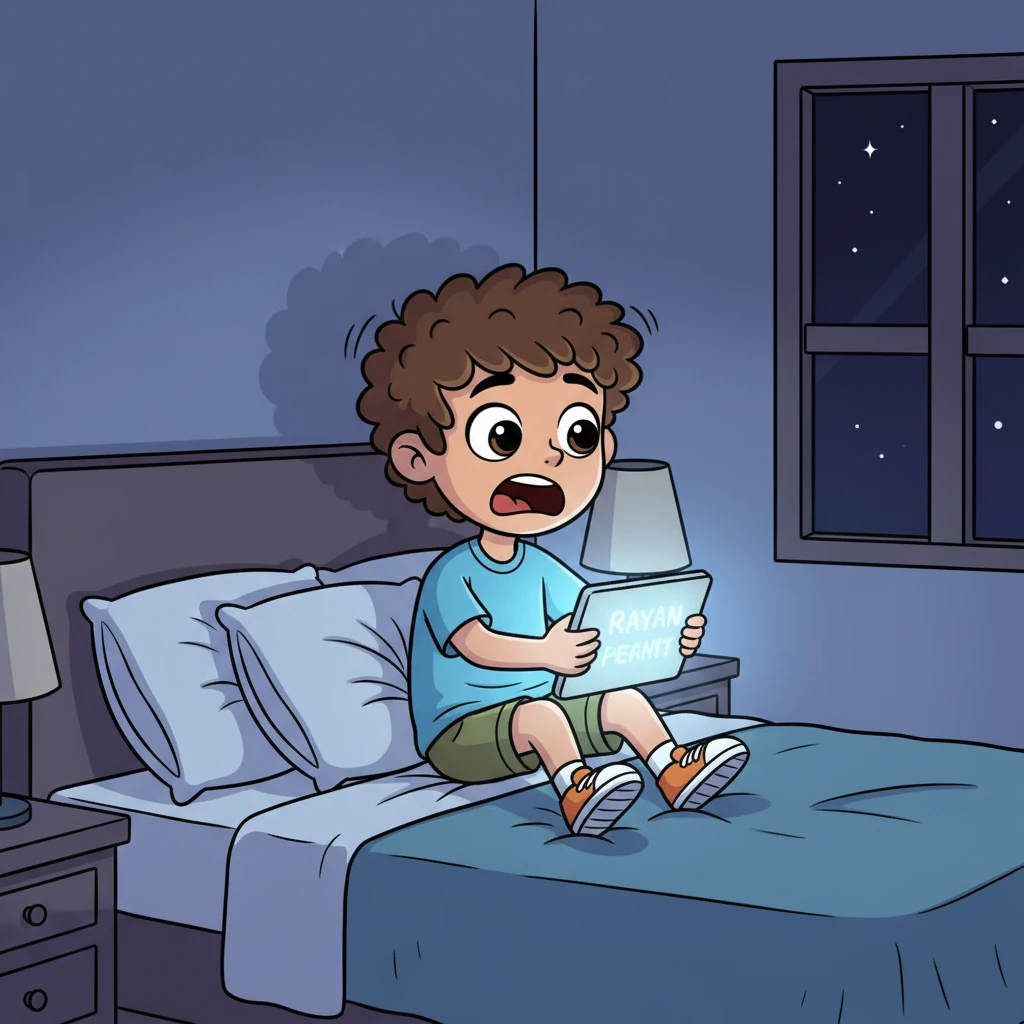
One rainy afternoon, Rayan found a shimmering new game on his tablet. Its dark, inviting glow promised a different kind of fun. A mysterious message popped up: "Welcome. Here, voices are unnecessary." Rayan smiled, finding the idea of a silent game appealing, and quickly immersed himself in pointing, flashing symbols, and winning level after level.
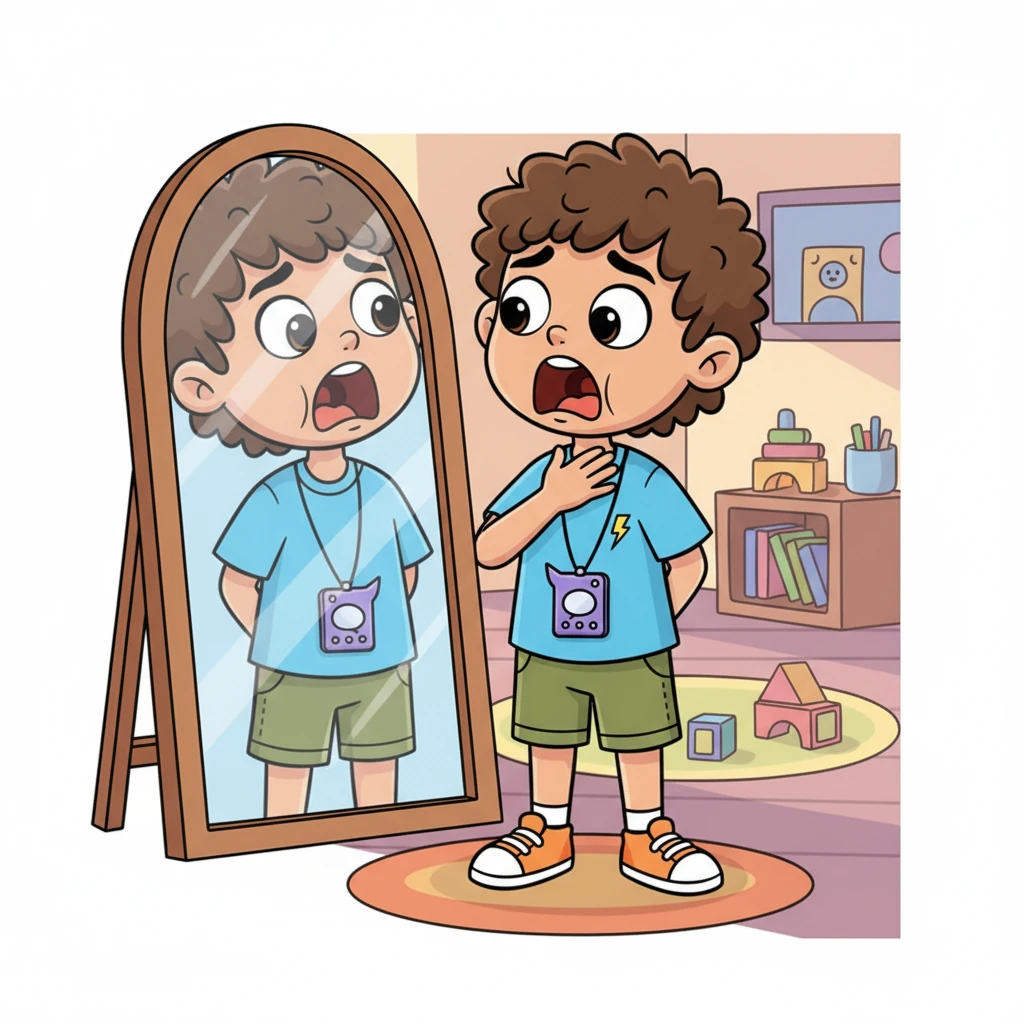
That evening, when his mother called for dinner, Rayan opened his mouth to answer, but no sound came out. He tried to clear his throat and shout "Coming!", but only empty air whispered past his lips. Running to the mirror, he watched himself silently shout, his eyes growing wide with a sudden, worried realization.
Later, his tablet on his pillow glowed with a new message: "You traded your voice. You no longer need it." Rayan shook his head fiercely, grabbing the tablet. He tried to yell "I DO need it!", but the room remained hushed, amplifying his silent panic. The screen flickered one last, sly message: "Then learn to listen."
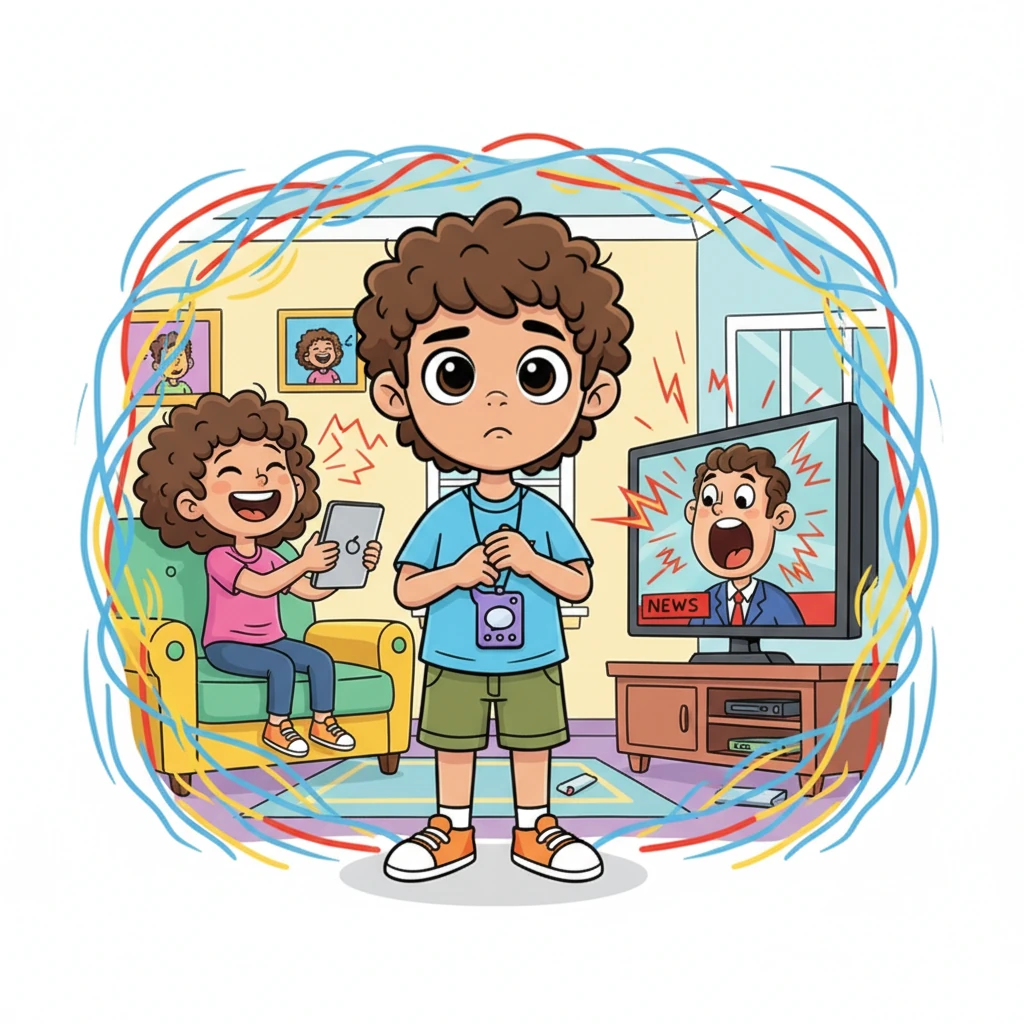
Rayan wandered through his noisy house, feeling like a silent island amidst the chaos. His sister laughed loudly on a video call, and the blaring news on the TV seemed to form an impenetrable wall of sound. He longed for quiet, remembering the one room in the house where the constant buzz of Luma city rarely reached.
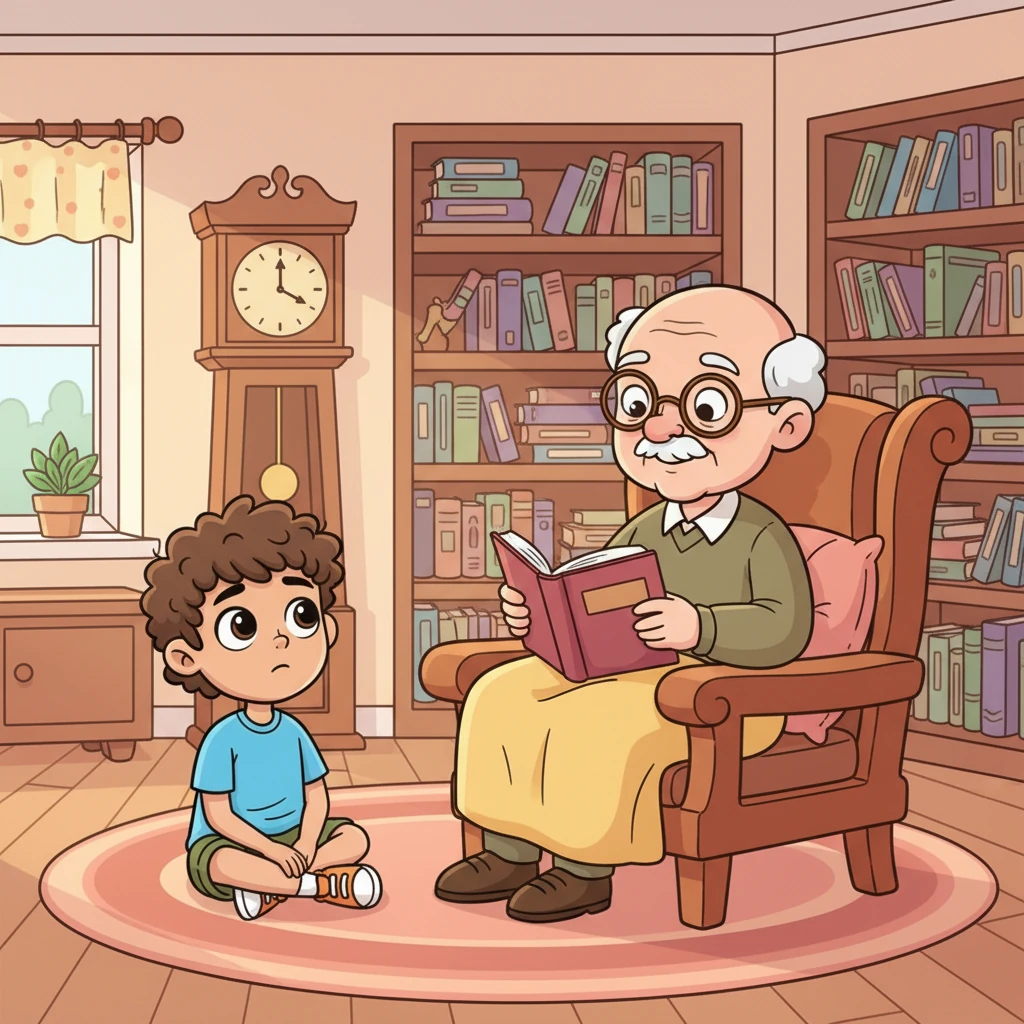
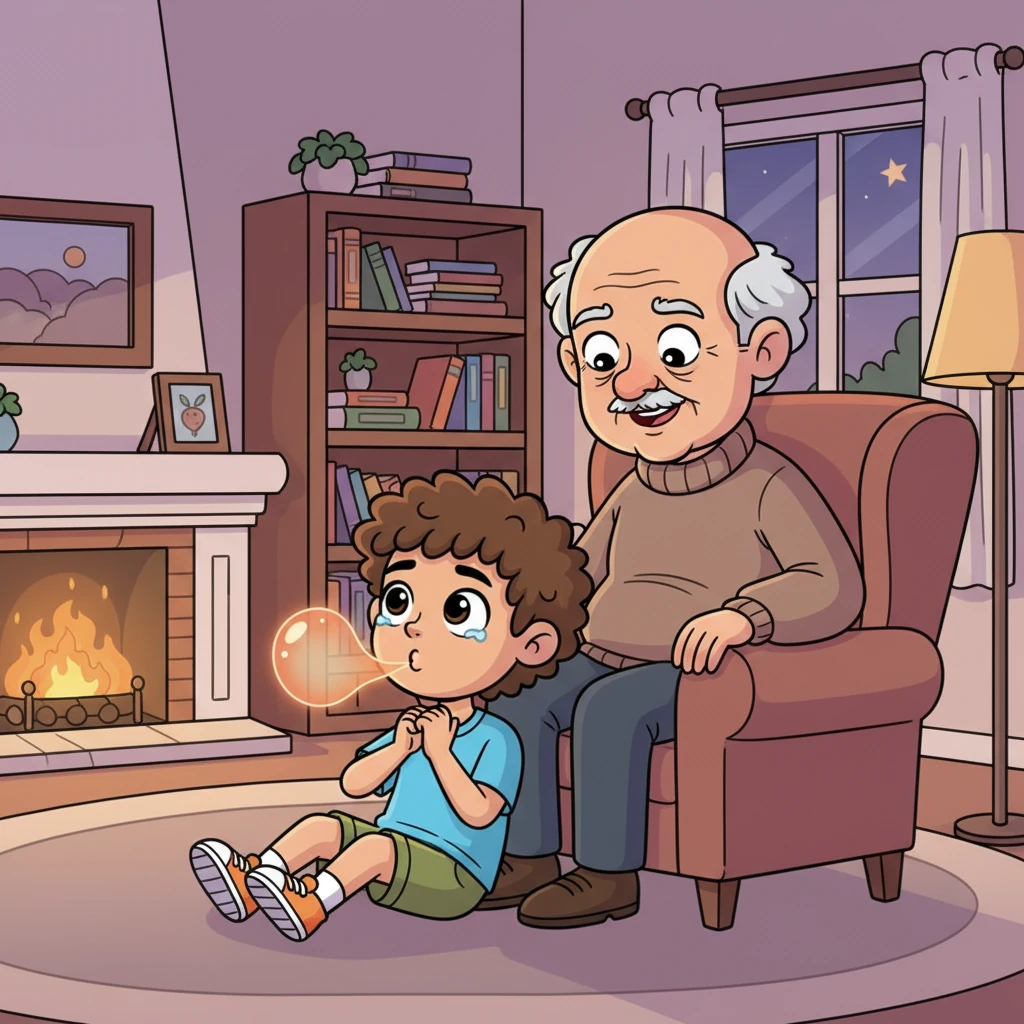
He found his way to his grandfather’s room, a haven without screens, filled instead with soft-covered books, a gently ticking clock, and a comfortable wooden chair. Rayan sat quietly on the rug. His grandfather looked up from his reading, noticing Rayan's unusual silence and the worry on his face. He nodded slowly, understanding the boy's unspoken distress.
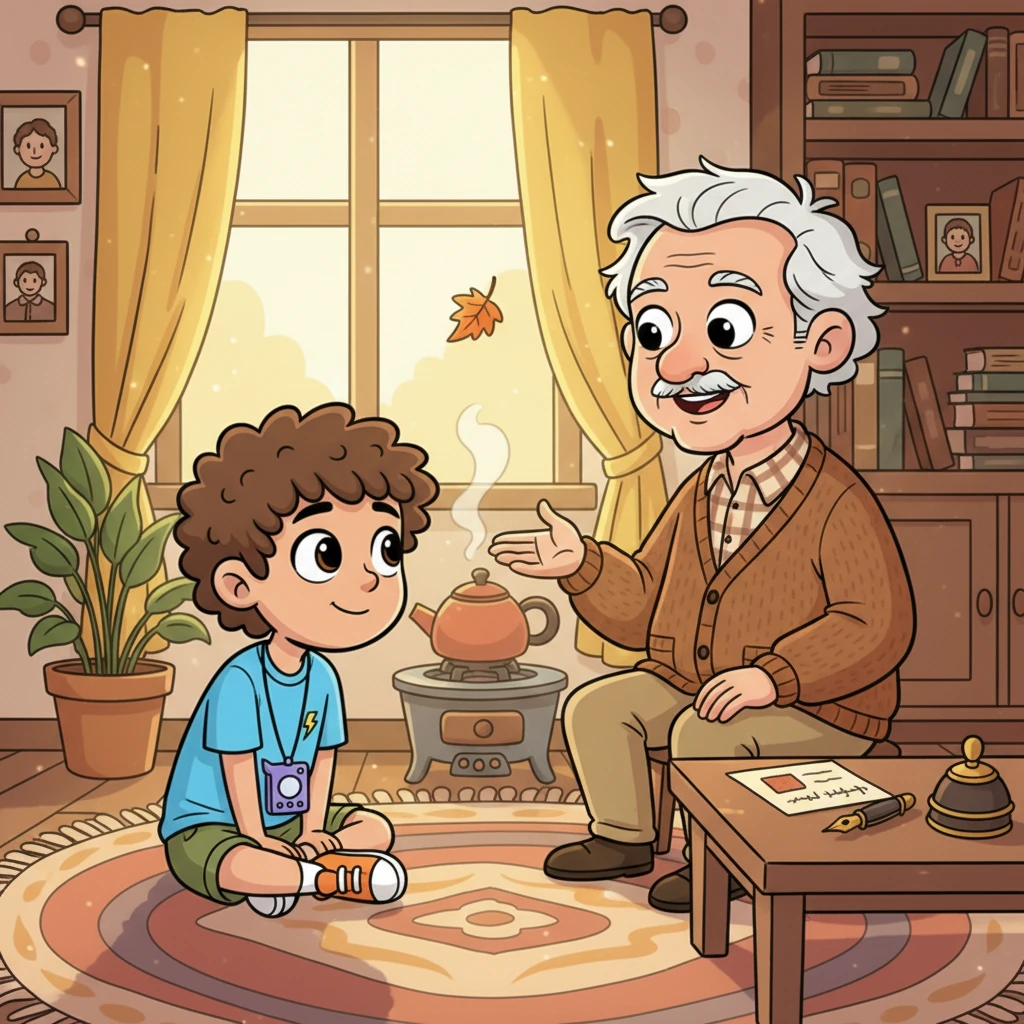
His grandfather began to speak, not of hurried city matters, but of slow, gentle things: the singing of a kettle, the rustle of a single leaf, the anticipation of a handwritten letter. Rayan listened intently, the fear slowly fading from his heart. He heard the rhythm in his grandfather's voice and realized the room's silence wasn't empty, but full of stories, memories, and peace.
As his grandfather's story concluded, Rayan felt a gentle warmth spread in his throat, like sipping comforting hot cocoa. "Grandpa..." he whispered, the word soft and a little raspy, but unmistakably there. It floated like a precious bubble in the quiet room. His grandfather's eyes crinkled with a knowing smile, assuring him, "Voices return when they are needed, not wasted."
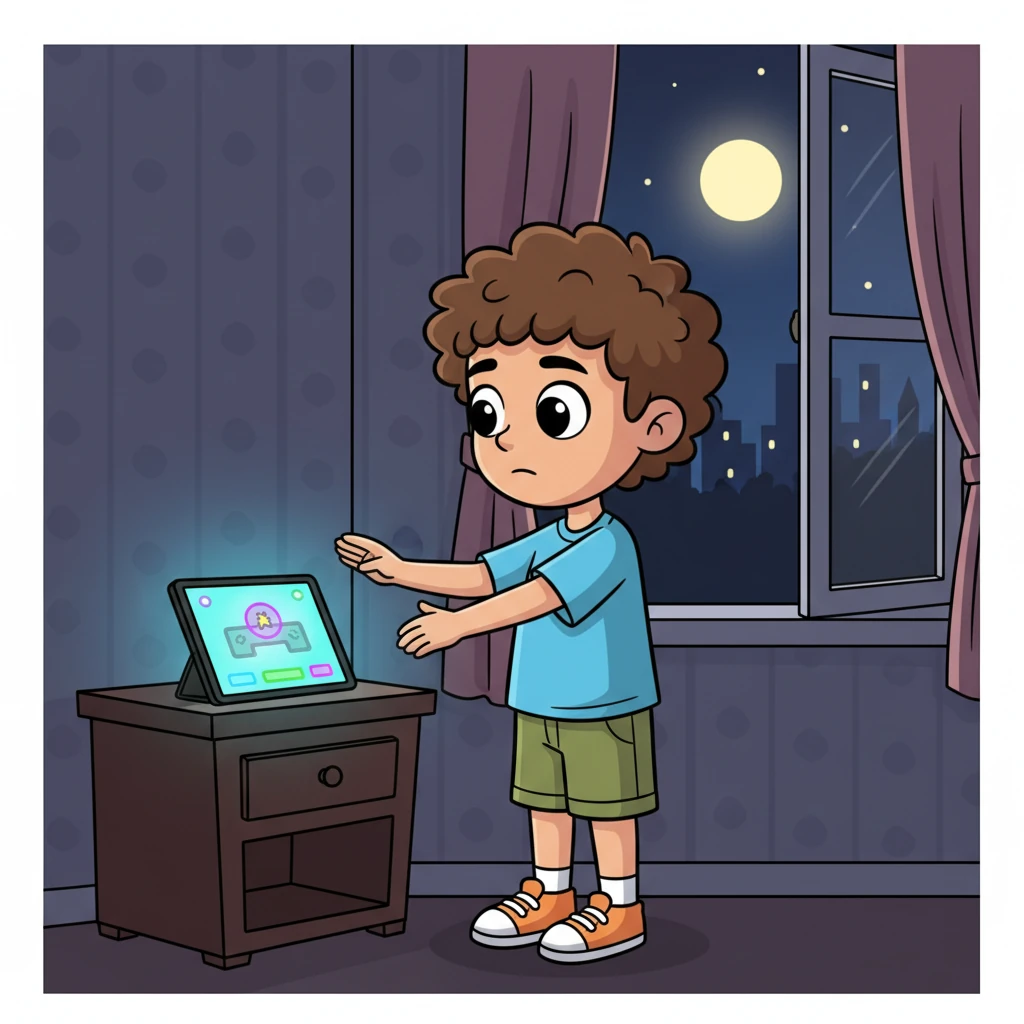
That night, the game on his nightstand pulsed with a familiar glow. "Come back," it seemed to whisper, "No voices. No waiting. Just win." Rayan looked at the tempting screen, remembering the hollow silence of the game versus the rich quiet of his grandfather's room. With a thoughtful expression, he reached out and firmly turned the tablet face down, then opened his window to the world outside.
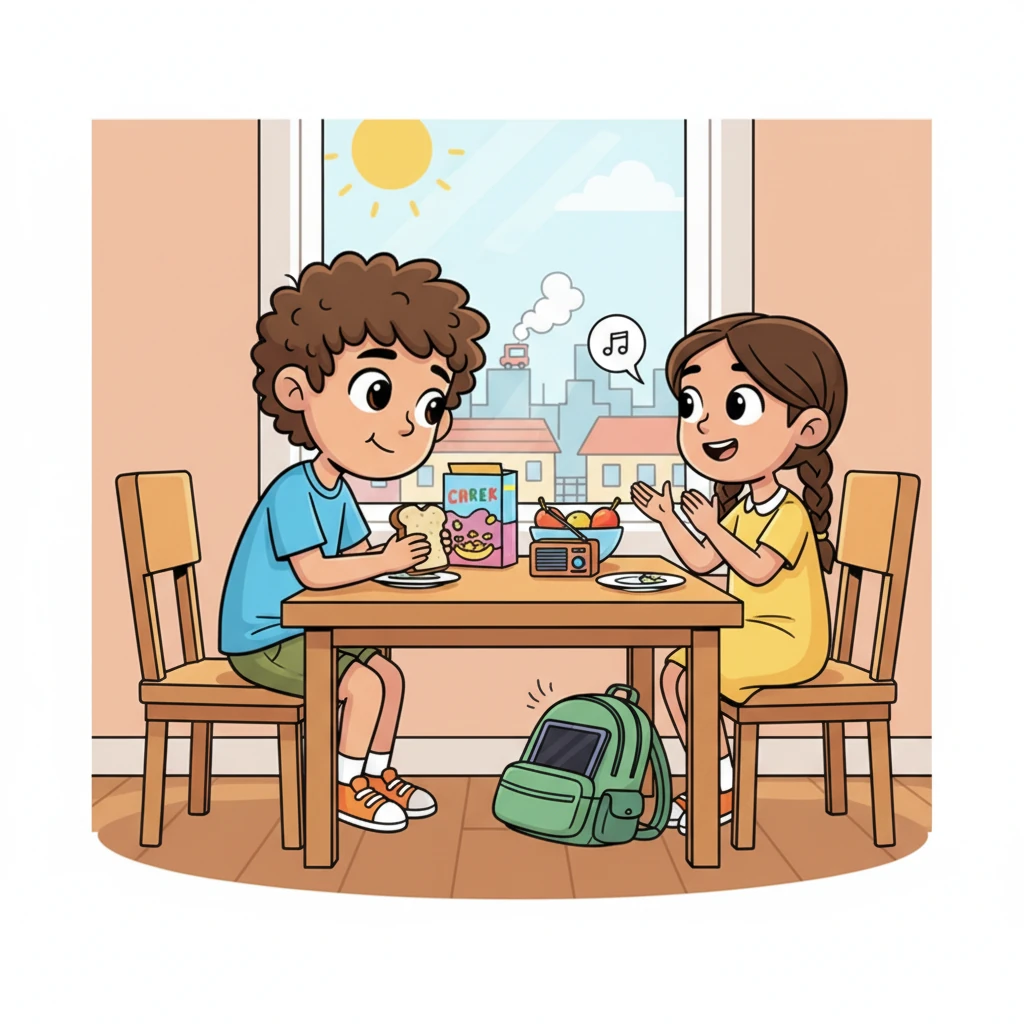
The city hummed below, but now Rayan could distinguish individual sounds: the distant whistle of a train, the soft murmur of the breeze, a faint melody from someone's radio. At breakfast, he slowly asked for the toast and truly listened to his sister's dream, without interruption. His voice wasn't the loudest, but it was his, and it was enough. The tablet in his bag remained dark and still. He had learned that a voice is a bridge to connect, and true listening brings all other sounds back to life.
生成提示词(登录后查看具体 Prompt)
design color pages for the following story: **The Boy Who Lost His Voice** **Page 1** In the glowing city of Luma, lights blinked, and screens buzzed from morning until night. Children learned to swipe before they learned to wave. People talked fast, listened in flashes, and hurried everywhere—even when they had nowhere special to go. In this city of constant sound and light, lived a boy named Rayan. And Rayan loved silence. **Page 2** Rayan was very good with glowing screens. He could tap, swipe, and solve puzzles faster than anyone. One rainy afternoon, he found a new game. It shimmered like a pool of dark water. A message appeared: *“Welcome. Here, voices are unnecessary.”* Rayan smiled. “No talking? Perfect.” In the game, no one spoke. Players pointed, flashed symbols, and raced. Rayan won level after level. **Page 3** That evening, his mother called, “Rayan! Dinner!” He opened his mouth to answer. But no sound came out. He tried to say “Coming!” He tried to clear his throat. Only empty air whispered past his lips. He ran to the mirror and watched himself shout a silent shout. His eyes grew wide with worry. **Page 4** Then, on his pillow, his tablet glowed. Words drifted across the screen like mist: *“You traded your voice. You no longer need it.”* Rayan shook his head fiercely. He grabbed the tablet. “I DO need it!” he tried to yell, but the room stood hushed. The screen flickered one last, sly message: *“Then learn to listen.”* **Page 5** Rayan wandered the noisy house, a silent island. He passed his sister, laughing on a call. He passed the blaring news on the TV. The sounds felt like a wall. Then, he remembered the quietest room. **Page 6** His grandfather’s room had no screens. Only books with soft, worn covers, a ticking clock, and a wooden chair by a window. Rayan sat on the rug. His grandfather looked up from his book. “You’re quiet today,” he said. Rayan pointed to his throat, his face full of worry. His grandfather understood. He nodded slowly. “Ah,” he said. And he began to speak. **Page 7** He spoke not of busy things, but of slow things. On mornings when the only sound was a kettle singing on the stove. Of long walks where you could hear the rustle of a single leaf. Of waiting for a letter, and the crinkle of paper that carried a friend’s thoughts. Rayan listened. He listened until he forgot to be afraid. He heard the rhythm in his grandfather’s words, the spaces between them. He realized the silence in the room wasn’t empty. It was full of stories, memories, and peace. **Page 8** As the story ended, Rayan felt a gentle warmth in his throat, like sipping hot cocoa. “Grandpa…” he whispered. The word was soft and raspy, but it was there. It floated in the quiet room. His grandfather’s eyes crinkled with a smile. “Voices return,” he said gently, “when they are needed, not wasted.” **Page 9** That night, the game glowed again on his nightstand. *“Come back,” they pulsed. “No voices. No waiting. Just win.”* Rayan looked at it. He remembered the crowded silence of the game and the full silence of his grandfather’s room. He reached out… …and turned the screen firmly face down. Then, he opened his window. **Page 10** The city hummed below, but now he could pick out the sounds. The distant whistle of a train, the murmur of the breeze, the faint melody from someone’s radio. It was a different kind of quiet, a living one. **Page 11** At breakfast, Rayan said, “Please pass the toast.” He said slowly. He listened to his sister’s dream from the night before, and he didn’t interrupt. His voice wasn’t the loudest at the table, but it was his. And it was enough. The tablet in his bag remained dark and still. **Page 12** In the city of Luma, screens still glowed, and games were still played. But one boy learned something rare: that a voice is not a tool to win, but a bridge to connect. And that listening—true, patient listening—is the gentle sound that brings all other sounds back to life. **The End**